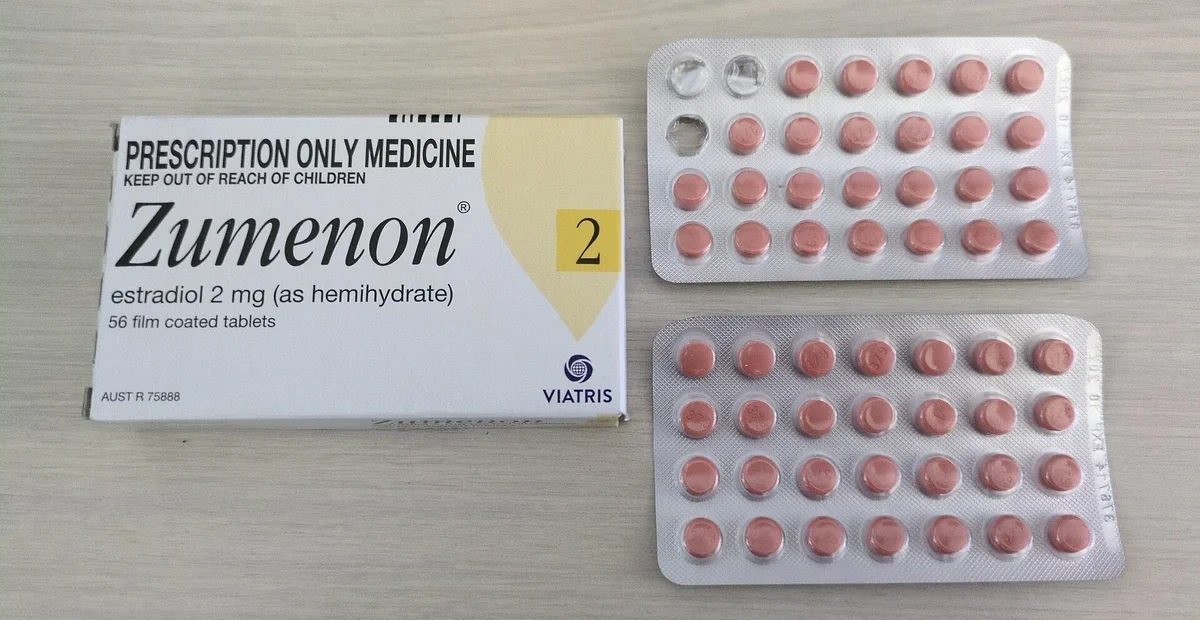
A medicine legally bought in India is not automatically cleared for an Australian border crossing. Prescription medicines need an ingredient-by-ingredient check, the right paperwork and a quantity that fits the applicable Australian rules.
For many accompanied medicines, the traveller exemption permits up to three months’ supply for personal treatment or an immediate family member travelling with you. It is not permission to carry a neighbour’s treatment, send any medicine through the post or ignore substance-specific restrictions.
The practical preparation begins before the suitcase is packed. Ask the prescriber and pharmacist what each product contains, check Australian requirements and plan how treatment will continue if the visit lasts longer. This guide reflects official material checked on 23 October 2026.
What is the first check for prescription medicines?
Identify the active ingredient, strength, prescribed dose and intended patient for every product.
Make a list from the dispensing labels and prescription, not from memory. Include combination products and medicines used only occasionally. A familiar brand name may not tell an Australian official everything needed to identify the substance.
Ask your doctor or pharmacist to help resolve unclear labels or different names on the prescription and packaging. Do not relabel or decant medicines to make them appear simpler. Keep the original packaging and dispensing information available.
The Office of Drug Control’s traveller guidance says a doctor’s letter should identify the medicine and dosage and confirm that the person is under treatment. A generic note saying only that the traveller takes medication is less useful than a record that identifies what is actually being carried.
Once the list is complete, use the ingredient to check restrictions. Do not assume an over-the-counter sale in India decides whether Australian authorities treat the product as prescription-only or controlled.
What does the traveller exemption allow?
It allows many medicines to enter in a traveller’s accompanied baggage for eligible personal or accompanying-family use, subject to conditions.
The Therapeutic Goods Administration’s travel guidance says to keep products in original packaging, carry a prescription or doctor’s letter, avoid supplying them to someone else and generally bring no more than three months’ supply.
The quantity is a supply for treatment, not a universal number of packets. Ask your prescriber or pharmacist to help you reconcile the prescribed dose with the quantity being packed. Keep that calculation consistent with the prescription and travel plan.
Do not divide another person’s supply between several travellers to disguise who it is for. If an immediate family member is the patient, make sure the documentation identifies that person and they are travelling with you under the relevant conditions.
Australian Border Force’s medicines and substances guidance also identifies the accompanied-baggage condition. A parcel sent later is a different import route, even if it contains the same brand and quantity.
What is a traveller exemption?
It is a conditional way for a traveller to bring certain treatment products into Australia with them. It is not a blanket approval for every substance, an authorisation to sell medicines or a substitute for the rules applying to postal imports and local possession.
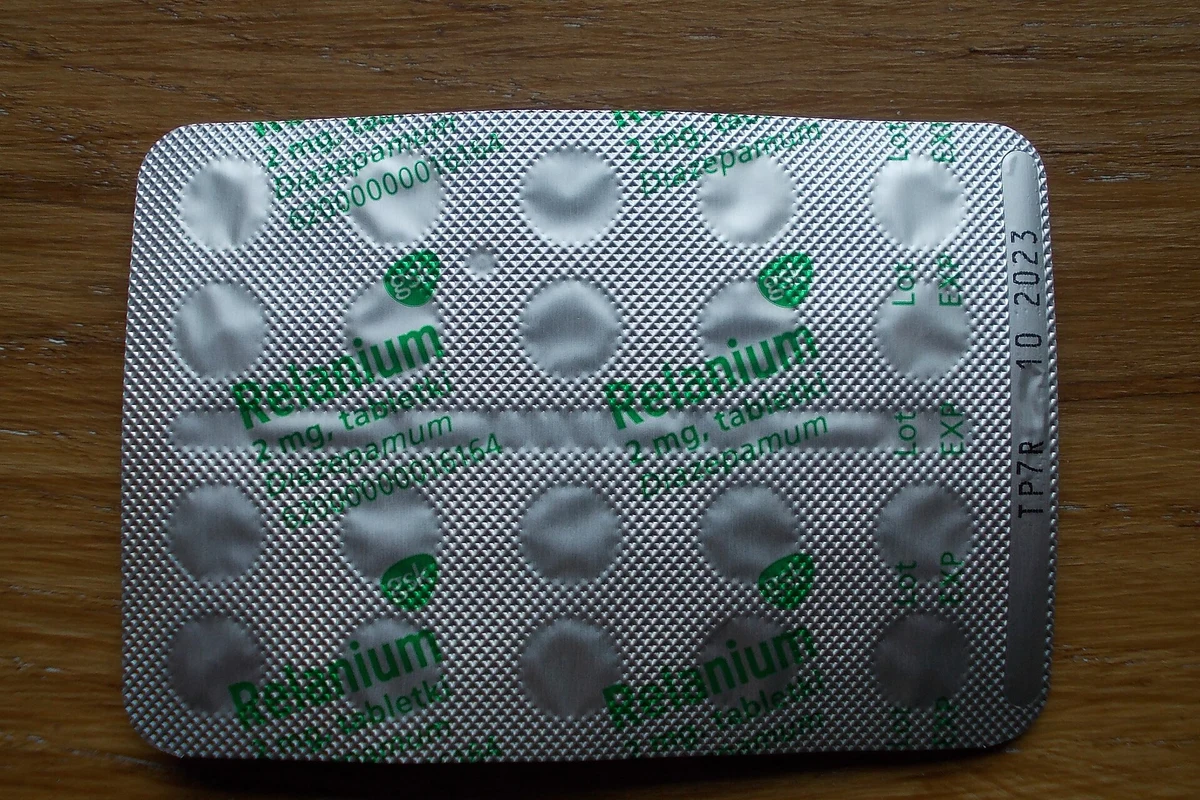
Which documents should you obtain in India?
Carry the prescription or a suitable doctor’s letter in English and keep it with the medicines it identifies.
Australian Border Force’s guidance specifies an English prescription copy or doctor’s letter certifying that the medicine has been prescribed for a medical condition. Ask the treating clinician to include the patient’s name, medicine, dose and relevant treatment information. Keep contact details for the practice in your own records.
Check that the name on the records can be connected to the traveller’s identity. If a name has changed or a prescription uses initials, ask the clinician how to clarify that before departure. Do not edit a signed prescription yourself.
Keep a readable paper copy as well as a secure digital copy if practical. A document stored only on a phone that cannot be unlocked or charged is difficult to produce when needed. You do not need to circulate the whole medical history to unrelated travel contacts.
For a complicated regimen, ask the clinician to distinguish regular medicines from optional or discontinued products. That helps prevent an old prescription being mistaken for the current treatment plan, without changing the border requirements themselves.
Do controlled substances always need a separate permit?
No, many prescribed controlled medicines are covered by the traveller exemption, but some products and circumstances fall outside it.
Australian Border Force lists examples including morphine, oxycodone, methadone, methylphenidate and benzodiazepines within its traveller guidance. This does not remove the documentation and quantity conditions or establish permission for an unidentified product.
The Office of Drug Control lists mifepristone, yohimbine and several other substances as products travellers may not bring into Australia. Do not pack them under the general traveller exemption. Ask the Office of Drug Control for product-specific instructions if there is any uncertainty. Hormones and peptides require separate checks, particularly for athletes or sporting staff.
Codeine requires its own attention: the Office of Drug Control says travellers carrying codeine-containing medicines need a prescription or doctor’s letter, regardless of strength. Do not treat a cough preparation as exempt from checking merely because it is a familiar household purchase.
If the official list is unclear for your exact ingredient, ask the Office of Drug Control using the full product information. An unresolved question should be settled before departure, rather than answered by another traveller’s experience with a different medicine.

What about medicinal cannabis and herbal products?
They require separate checks; neither a general doctor’s letter nor a claim that a product is natural establishes permission.
The TGA’s medicinal-cannabis importation guidance distinguishes prescribed and dispensed treatment from other overseas authorisations. It also distinguishes accompanied travel from postal importation and warns that state and territory possession rules can differ.
If you use such a product, check the exact substance, formulation, device and destination-state requirements with the relevant authorities. Do not apply ordinary tablet quantities to a vaping product or assume that an overseas permission card meets Australian prescription requirements.
Traditional or herbal preparations can raise additional biosecurity questions about plant or animal ingredients. The incoming declaration process asks about traditional medicines and herbs. Keep the full ingredient information and check the relevant border and biosecurity instructions before packing an unlabelled preparation.
Do not call an unknown mixture harmless or recommend removing its label. If its contents cannot be established, it is not possible to make a reliable ingredient-specific entry check from the name alone.
Which checks belong to the airline and the destination state?
Border permission, airport security, airline carriage and local possession are separate questions.
| Check | Who to consult | What needs confirmation |
|---|---|---|
| Importing the medicine | TGA, Australian Border Force and Office of Drug Control | Ingredient, quantity, documents and any exception |
| Carrying it on the flight | Airline and relevant airport-security authority | Liquids, needles, equipment, batteries and cooling arrangements |
| Using a device during travel | Manufacturer, clinician and airline | Screening precautions, onboard use and power arrangements |
| Possessing a controlled medicine after arrival | Relevant state or territory health authority | Any additional local requirements |
For temperature-sensitive treatment, ask the pharmacist about the exact product’s storage range and the whole journey, including stopovers. Ask the airline what it can actually accommodate. Do not assume cabin staff can refrigerate a medicine or that an improvised ice pack is suitable.
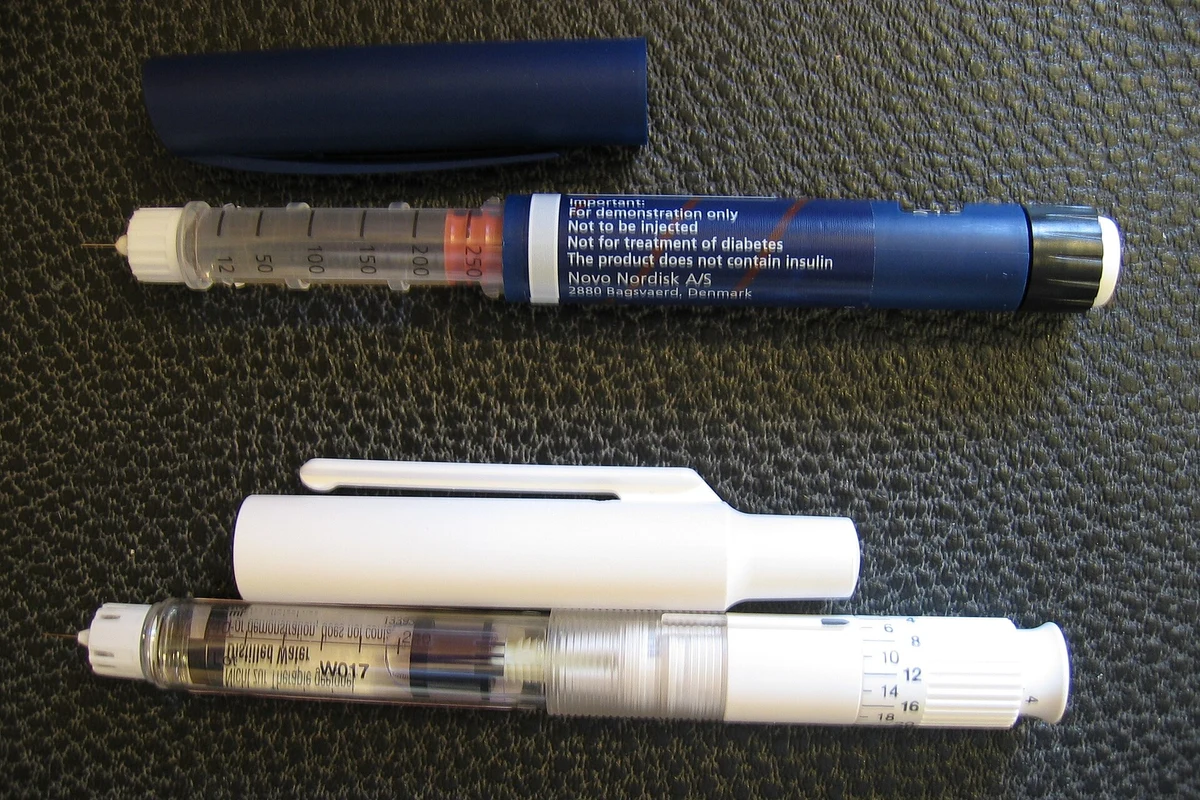
The TGA’s travel page notes that screening can affect some devices and recommends checking manufacturer advice. A prescription does not explain every device’s screening requirements. Carry the appropriate instructions and tell security staff about the equipment before screening begins.
How do you plan treatment after arrival?
Arrange continuity of care before the permitted supply runs out, rather than assuming an Indian prescription can be dispensed unchanged in Australia.
The Office of Drug Control says travellers needing further medicines can consult an Australian registered prescriber and obtain an Australian prescription where appropriate. Availability, cost and the clinician’s decision still need checking. Do not promise that every Indian brand or formulation is stocked locally.
Bring a concise treatment summary, allergies and current medicine list to the appointment. Ask the prescriber how local follow-up, monitoring and any change of product will be handled. Never alter doses or substitute products solely to make a travel pack last longer.
A visit lasting more than three months needs a plan beyond the accompanied supply. The TGA’s personal-importation information concerns a separate scheme with its own limits and exclusions. Check it before arranging a parcel; do not assume the traveller exemption authorises the shipment.
Families organising the wider journey can use the passport and entry-check guide. For longer stays linked to study, the Australia, UK and Canada comparison is separate planning material and does not replace medicine-specific advice.
What should happen at departure and arrival?
Reconcile the packed products with the documents, follow declaration requirements and be ready to show officials what you are carrying.
Check for leftover packets added by a relative, duplicate supplies and products no longer on the treatment list. Keep medicines identifiable. Ask the relevant security authority and airline about how essential treatment and equipment should be divided between cabin and checked baggage for your itinerary.
Australian Border Force’s medicines guidance tells travellers to declare medicines on arrival. Answer the current declaration questions accurately and ask an officer if uncertain. A declaration is an opportunity for assessment, not a promise that every item will be admitted.
Before leaving India, resolve any unanswered ingredient or permit question with the relevant Australian authority. After arrival, keep the records for the next clinical appointment and arrange follow-up early enough for the treating professional to review the case properly.