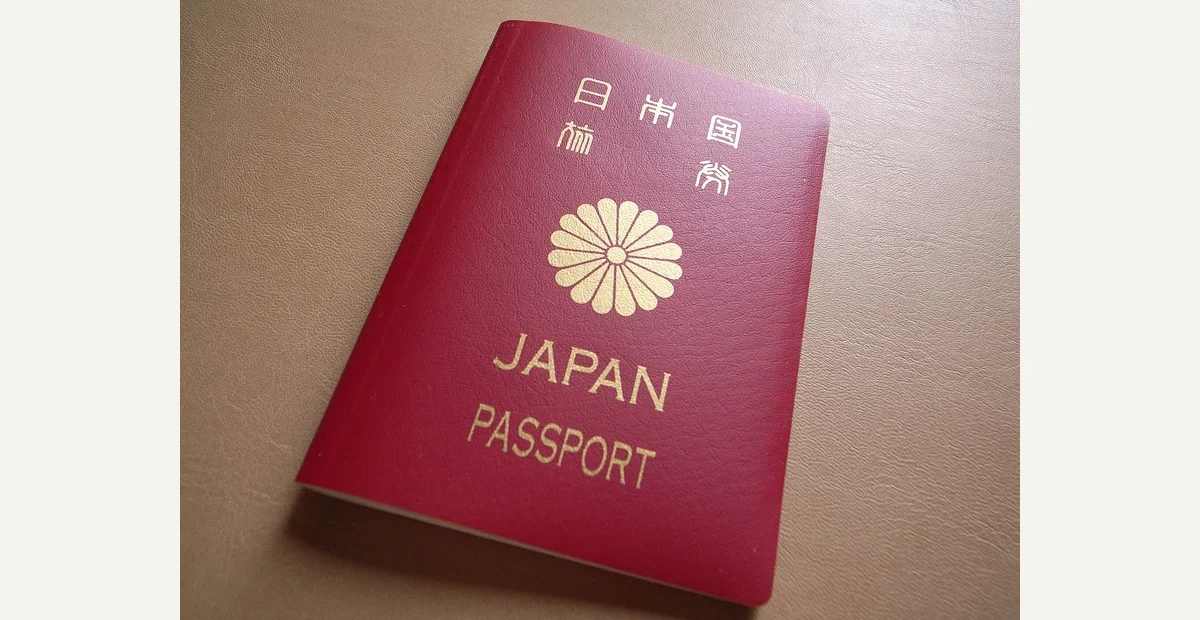
Singapore’s passport gives its holders access to 193 destinations without obtaining a visa in advance, compared with 55 for India, according to the October 2026 Henley passport rankings. The difference is 138 destinations. For a family planning an overseas trip, however, the most consequential detail may be which passport each person will actually carry.
The index places India joint 84th with Algeria and Mauritania. Singapore is first, while Japan, South Korea and the United Arab Emirates share second place. The October table is a snapshot of short-term travel access, rather than a list of countries in which someone can settle or take a job.
Its top five positions contain 21 passports. Describing those positions as five countries would exclude most of the countries with an equal claim to a place. Ties are part of the ranking, not exceptions to it.
Which countries lead the October passport rankings?
Singapore leads, followed by three passports in second place and Sweden in third. Eleven European countries share fourth place, with another five in fifth.
The following figures were checked against Henley’s live ranking on 23 October 2026. They belong to the October edition and should not be mixed with figures from earlier updates.
| Rank | Passport or passports | Destinations without a prior visa |
|---|---|---|
| 1 | Singapore | 193 |
| 2 | Japan, South Korea, United Arab Emirates | 188 |
| 3 | Sweden | 187 |
| 4 | Belgium, Denmark, Finland, France, Germany, Ireland, Italy, Luxembourg, Netherlands, Norway, Spain | 186 |
| 5 | Austria, Greece, Malta, Portugal, Switzerland | 185 |
A one-point difference represents one destination in the index. It does not mean that one passport offers a uniformly better experience at every border, or that it provides a quicker route through an airport.
For comparison, the United Kingdom is joint sixth on 184, while Australia, Canada and New Zealand are among the countries sharing seventh on 183. The United States is joint tenth on 180. These are useful reference points for diaspora households whose members may hold different nationalities.
What does a passport’s score actually measure?
The score measures the number of destinations accessible without a visa obtained in advance under the index’s methodology. It is a measure of access, rather than a complete description of the journey.
Henley uses information from the International Air Transport Association, supplemented by its own research. Its comparison covers 199 passports and 227 destinations. Destinations are not interchangeable with sovereign countries, which is why a score should be described using the publisher’s own unit.
What is a shared passport rank?
Passports with the same access score receive the same rank. The next lower score receives the next consecutive rank, however many passports share the position above it.
Henley’s methodology includes visa-free entry, visas on arrival, visitor permits and electronic travel authorities meeting its criteria. An electronic visa requiring government approval before departure is treated differently. The practical distinction is whether permission must be obtained before the journey, not whether the document happens to be digital.
Travellers should therefore resist treating a score as a promise of entry with no preparation. An arrival declaration, passport-validity rule or onward-ticket requirement can still apply. The index is a starting point for a destination check, not the document an immigration officer uses to decide an individual case.
Where does India stand in October?
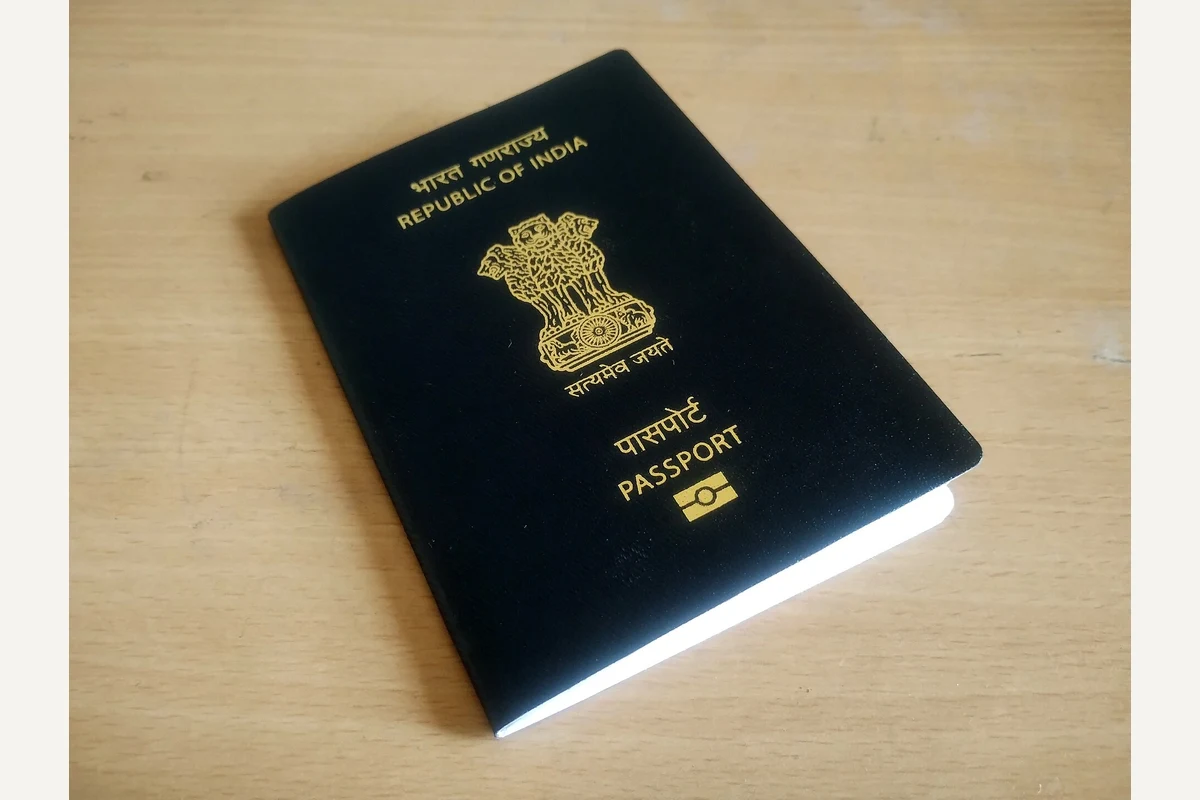
India shares 84th place and a score of 55. Those figures describe the Indian passport, wherever its holder happens to live.
An Indian citizen living in London, Sydney or Dubai should begin a travel check with Indian nationality and then add their residence permit or other status where the destination asks for it. A rule applying to the passport of the country of residence should not be assumed to apply to every resident of that country.
This also matters when relatives organise a trip together. One person may be an Indian citizen, another may have acquired Australian citizenship, and a child may hold a different passport. A family booking does not merge those separate document requirements.
The site’s earlier explanation of the Henley index in 2023 provides historical context. Its old figures should not be read as current travel permissions. For a passport approaching expiry, the separate Indian passport renewal guide for Australia addresses the document itself rather than its position in a league table.
Does living abroad change the passport you travel on?
Living abroad does not by itself turn an Indian passport into the passport of the host country. Residence, nationality and permission to visit a third country are separate questions.
A useful first step is to write down the issuing country and expiry date for every traveller’s passport. Add any residence document that may be relevant to an exemption or to the return journey. Then check the destination’s official instructions for that exact combination.
Overseas Citizen of India status requires a separate check too. The Indian government’s OCI information describes eligibility for foreign nationals, including eligible former Indian citizens and descendants. An OCI document should not be substituted for the foreign passport required for an international journey.
For someone returning to India after acquiring another nationality, the question is which Indian entry permission applies to their current documents. For an Indian citizen coming home, it is a different document exercise. A headline about passport strength cannot resolve either case on its own.
Why can a highly ranked passport still involve paperwork?
A high ranking does not remove the destination’s entry conditions. It measures one aspect of access while leaving practical requirements to the relevant authorities.
Singapore provides a useful example of why a traveller should read beyond a ranking. Its Immigration and Checkpoints Authority sets out separate requirements for travel documents, visas, arrival declarations, immigration clearance and public health.
The authority says non-Singapore passport holders generally need at least six months’ passport validity. Short-term visitors holding travel documents from visa-required countries must obtain the appropriate visa, unless a specific provision applies. These requirements should be checked before paying for a ticket that cannot be changed.
The SG Arrival Card is another separate step. It must generally be submitted within three days, including the day of arrival, with exemptions set out by the authority. Submission is free through the official service. The card should not be mistaken for a visa, and a visa should not be mistaken for a guarantee of admission.
A traveller should also distinguish the period during which a visa can be used from the length of stay granted after arrival. The Singapore authority explicitly warns short-term visitors about that distinction. It is the sort of detail that a country’s position in a top-five list does not capture.
What should a family check before booking?
Check the destination’s official entry guidance for each person, the purpose of the visit and the entire route, including any transit stop. Save the instructions with the date on which they were checked.
A practical planning sheet can have one row per traveller and columns for passport, expiry date, residence document, visa or authorisation, arrival form and return permission. Leaving a cell blank should prompt a question before booking, rather than an assumption that another family member has dealt with it.
Start with the passport actually being used for the trip. Check that the ticket and any application use the same name and document details. Where someone has renewed a passport since receiving a visa or authorisation, read the issuing authority’s instructions about updating or carrying documents.
Next, check the route. A connection that remains airside may have different conditions from one requiring immigration clearance to collect baggage or change airports. Ask the airline which documents it will check, then confirm the underlying immigration requirement with the destination or transit authority.
Finally, check the trip’s purpose. A holiday, a university course and employment are different activities. A broad measure of visitor access does not establish the right to work or study. The relevant visa or permission must cover what the traveller intends to do.
What does the index leave out of a travel decision?
It leaves out much of what determines whether a trip is practical for a particular household. A passport score does not compare airfares, available leave, accessible accommodation or the cost of changing plans.
Nor does one point necessarily have the same value to every traveller. Access to a destination used regularly for family visits may matter more to an individual than access to several places they do not expect to visit. That is a personal planning calculation, rather than a flaw in a table designed to measure aggregate access.
Use the ranking to understand the broad comparison, then make a separate shortlist based on the intended journey. Keeping those two tasks apart avoids turning a league table into an unsupported recommendation about where to holiday, invest or seek citizenship.
What happens when the rankings change again?
A later update may change both scores and positions, so the edition date should travel with any quoted number. Compare like with like before describing a rise or fall.
For an upcoming journey, the next useful update is the destination’s own entry information close to departure. If a rule changes after booking, review its commencement date, who it covers and whether existing permissions are affected. Keep the airline’s document check and the immigration authority’s entry requirements together.
The October list answers where passports stand in this edition. The decision to book still rests on a narrower question: whether every traveller has the documents required for that particular journey.