
One in five respondents in Skyscanner’s Indian survey said they planned to unplug and disconnect in 2027, while a third intended to visit historical attractions. The travel trends 2027 report suggests that a reason for travelling can matter as much as the destination, although the findings describe intentions rather than completed journeys.
The research combines the company’s search information with a OnePoll survey of 2,000 Indian travellers conducted from 1 to 10 July 2026. Published ahead of the coming year, it identifies seven themes spanning music, history, shopping, fitness, group celebrations, digital breaks and spending power.
For readers arranging a holiday with relatives or friends in India, the useful question is which of those interests can anchor a workable trip. The report does not establish how overseas Indians as a whole will travel, and its Indian findings should not be presented as a survey of the global diaspora.
What does the travel trends 2027 report show?
It shows the preferences expressed by the surveyed Indian travellers alongside patterns in Skyscanner’s own data. It does not show that all seven trends will grow by the same amount or that every respondent will act on an intention.
The India report records 34% planning a museum or gallery visit, 33% a historical attraction, 26% a music festival or carnival, 21% a souvenir purchase and 20% a break from connectivity. These are separate activities, not mutually exclusive categories. Adding the percentages would not create a meaningful total.
The report’s rising-search destinations include Pokhara in Nepal. Its list uses searches for travel during 2026, rather than confirmed bookings for 2027. The accompanying photograph of Phewa Lake shows that destination, not a forecast of future visitor numbers.
The seven themes are best read as planning prompts. A traveller might combine a museum visit with a concert, or choose a shared celebration that includes a day away from screens. The report’s marketing labels make the themes memorable, but the activities themselves are familiar.
What is a travel-intentions survey?
It asks people what they expect or want to do. Answers can reveal interests, but they do not confirm that a ticket was bought, a journey happened or a particular amount was spent.
What are the seven themes in practical terms?
They range from taking a digital break to choosing a destination for its purchasing power. Each calls for different planning, which is more useful than treating them as a single list of fashionable places.
| Theme | What the trip centres on | Question to settle before booking |
|---|---|---|
| Digital breaks | Time away from screens | Which essential documents must remain accessible? |
| Music | A performance, festival or venue | Is the event confirmed and the ticket valid? |
| Exclusive shopping | An item or store | What is the full cost, including baggage and duties? |
| Shared celebrations | A joint pre-wedding or group trip | What budget can everyone agree to? |
| Fitness | Keeping active while away | Are the advertised facilities actually available? |
| History and mythology | Sites, stories and routes | What is documented history and what is legend? |
| Currency-led choices | Better value for the overall trip | Does the saving survive the total travel bill? |

Can you disconnect without making the journey harder?
Yes, if the digital break is planned around the practical needs of the trip rather than relying on poor connectivity to make decisions for you.
The report’s off-grid theme concerns reducing the pull of phones and notifications. It should not be confused with a claim that remote travel is automatically cheaper, safer or more restorative. A quiet stay can still involve costly transfers or limited services.
Before leaving, decide which documents must be accessible without a live connection. Keep the accommodation address, return transport details and a way to contact the people who need to know where you are. If a booking or entry document must be presented digitally, check the issuer’s instructions before assuming a screenshot will be sufficient.
Agree the boundaries of the break with travelling companions. Putting phones away for a meal is different from being unreachable for several days. A shared expectation is more useful than discovering halfway through the holiday that one person understood the plan differently.
What changes when music is the reason to travel?
The event becomes the fixed part of the itinerary, so its date, ticket conditions and location should be checked before flights and rooms are committed.
Skyscanner’s music theme looks beyond a conventional city concert to performances and cultural settings that shape the journey itself. For a traveller, that creates a different sequence of decisions: confirm the event, understand the ticket, then build transport and accommodation around it.
A low airfare is less useful if the performance takes place far from the airport or ends after the last convenient connection. Compare the full return journey from the venue, including the cost of a late arrival or an extra night.
Check who is selling the ticket and the organiser’s cancellation terms. A social-media announcement should lead back to the official event information. If a performance is postponed, the flight and hotel may have different change conditions from the admission ticket.
When does shopping become the purpose of a holiday?
It becomes the purpose when access to a particular item or store determines the destination. That makes stock availability and total cost part of the travel decision.
The shopping theme focuses on purchases that cannot easily be replicated at home. Before paying for travel, check whether the desired item is actually available, whether reservations are possible and whether any advertised exclusivity has a defined meaning.
Then add the costs outside the shop. Baggage allowances, transport to the store and the rules for bringing goods home can alter the calculation. A lower shelf price does not establish that an overseas purchase is cheaper overall.
This is particularly relevant when relatives ask a traveller to bring something back. Agree the exact item, spending limit and acceptable alternatives first. A shopping-led trip should not depend on finding stock that the seller has never promised to hold.
How can a shared celebration avoid becoming an expensive obligation?
Set the budget and attendance expectations before choosing a destination. A joint trip can bring people together, but it does not make their resources or availability identical.
Skyscanner’s group-celebration theme concerns bringing friends and family into a shared pre-wedding getaway. For a group spread across countries, the difficult decisions may be visas, leave from work and the cost of getting everyone to the same place.
Ask for a realistic spending range privately before proposing a package. Specify which meals, activities and transfers are included, which are optional and who carries the cost if someone withdraws. A clear invitation should leave room for someone to decline without having to explain their finances to the whole group.
Do not assume that a shared room or group discount settles the question. Compare cancellation rules and the amount each person must pay before the booking becomes firm. The cheapest headline rate can be a poor choice if it transfers all the risk to one organiser.

What makes a fitness or history trip worth planning around?
The promised activity needs to be specific enough to check. A hotel described as wellness-focused and a destination described as historic both require closer reading.
For fitness, establish what will actually be available during the stay: equipment, opening hours, class access and any separate charges. Match the activity to the traveller’s existing ability rather than to a marketing photograph. A holiday can include ordinary exercise without becoming an organised fitness programme.
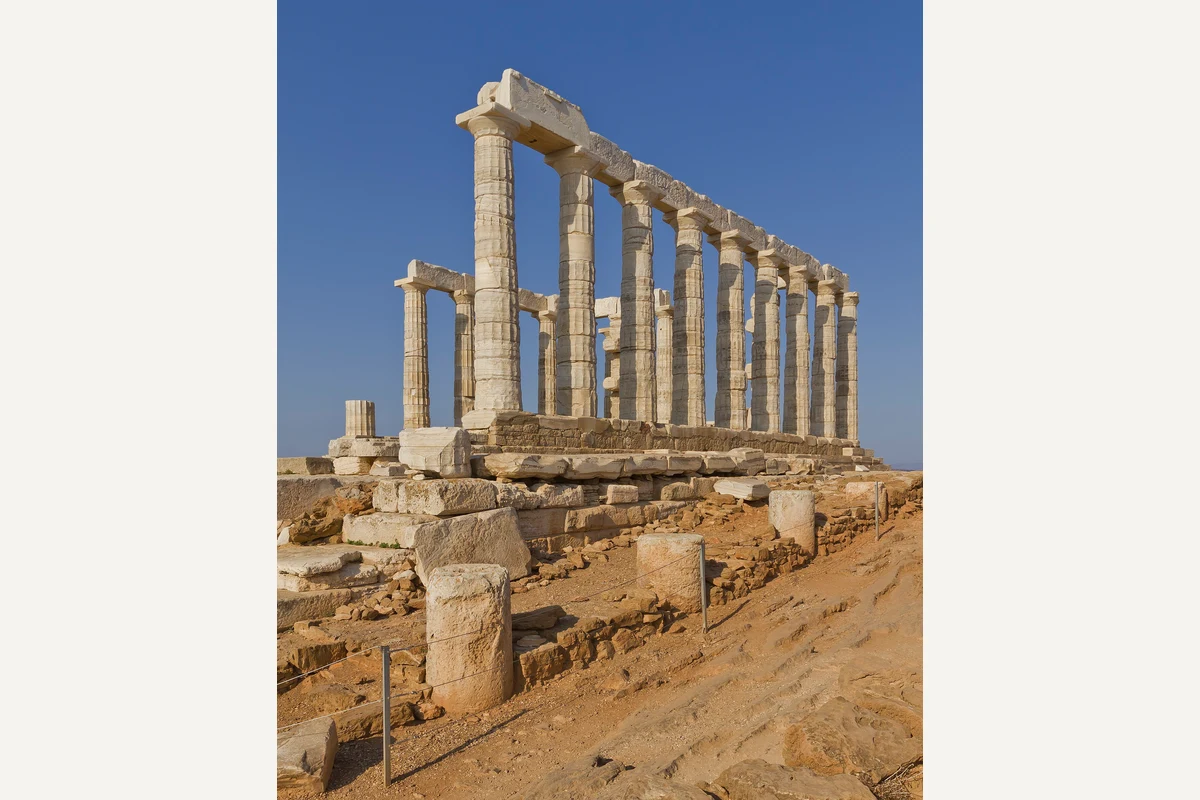
The report also discusses the Temple of Poseidon at Cape Sounion among historic routes and Jaisalmer among its value destinations. A published list is an invitation to check a place, not proof of a future price.
For history, Skyscanner’s Grand Odysseys theme draws on interest in historic events and ancient stories. Keep the distinction between an archaeological site, a later interpretation and a myth clear. A guide or museum can explain that distinction more usefully than a social-media caption.
The separate Jaipur travel report for 2027 illustrates why dates and actual programmes need checking. Recognition in a travel list does not create a confirmed festival itinerary. Readers can find other destination reporting in the travel section.
How should value influence the final choice?
Compare the cost of the whole journey in the currency you will use to pay, rather than selecting a country because one exchange-rate comparison looks attractive.
The report’s currency theme describes travellers changing their destination choices to make money go further. Its practical lesson is to compare like with like: travel dates, luggage, accommodation, meals, local transport and the activities that motivated the trip.
For a family booking from different countries, a destination can be affordable for one household and expensive for another. Put each person’s travel cost into the discussion before dividing a shared hotel bill. A favourable rate does not compensate automatically for a more expensive flight or a second connection.
A useful shortlist has a total expected cost and a clearly identified experience for each option. It should also show what can be cancelled, what must be paid in advance and what remains uncertain. That comparison makes a spending decision clearer without pretending to predict next year’s prices.
What happens next for 2027 planning?
The next test is whether a particular trip can be booked on terms that fit the people taking it. Survey themes can generate ideas, but confirmed schedules and current entry rules must shape the final itinerary.
As dates approach, check the organiser’s programme, the destination’s official immigration instructions and the conditions attached to transport and accommodation. Treat an AI-generated itinerary or a travel-platform recommendation as a lead to verify, especially where it gives prices, opening times or permission requirements.
The strongest use of the report is to decide what the holiday is for, then test whether the proposed journey delivers it within an agreed budget. The answer need not include every trend, or a destination that happens to be fashionable.