A passport records a border crossing; it rarely records who met the traveller, what the first room felt like or which familiar sound was missing. An oral history can preserve those experiences in the person’s own voice, provided the family agrees how the recording will be used.
For Indian families spread across countries and languages, the useful starting point is one person, one conversation and a clear purpose. It might be an account of the first journey, the work that followed, or the relatives who stayed behind. It does not need to become a public project.
The South Asian American Digital Archive’s First Days Project, launched in 2013, offers a real precedent for recording arrival stories. Your family can borrow the question of what an arrival meant without copying somebody else’s story or assuming a public archive must accept the result.
What should an oral history preserve?
Preserve the narrator’s account and the context needed to understand it, rather than trying to produce a perfect family legend.
Choose a manageable subject with the person you will interview. Ask what they would like younger relatives to understand and which topics they would prefer to leave alone. A discussion about the first rented room may produce more detail than a demand to explain an entire life at once.
Write down the person’s name, preferred language, interview date, broad location and the proposed topic. Keep private addresses out of a recording intended for wider use. Note your relationship to the narrator, because a grandchild’s questions and a researcher’s questions come from different positions.
The Oral History Association’s best practices organise the work around preparation, interviewing, preservation and access. Plan all four before pressing record. Deciding later who may hear a sensitive story can create a conflict that an early conversation would have avoided.
What permission should you agree before recording?
Agree separately to the interview, the recording and each intended use.
Explain whether the recording will stay within the household, go to named relatives, be used in a school project or be offered to an archive. Ask about transcripts, translations, excerpts, photographs and online publication. Permission to record a family conversation should not be treated as permission to upload it publicly.
The Boston Public Library’s informed-consent guide recommends explaining the project’s purpose, possible uses and risks. Consent can be documented through an agreed recorded statement or a signed form. If an archive will receive the material, ask for its own conditions before promising what it can do.
Record who may access the file, any topics excluded from sharing and whether the narrator will review it. Explain the practical limits of control once material is publicly copied. Do not promise that an online extract can always be retrieved from everyone who has downloaded it.
For a private family project, a clear written note is still useful. It tells the next person holding the files what was agreed, instead of leaving permission to be reconstructed from memory.
What is informed consent in an oral-history interview?
It is a person’s knowing agreement after the purpose, process and intended uses have been explained. Consent should make clear what can be recorded, reviewed, stored and shared. Being related to the interviewer does not remove the need to ask.
How should you prepare without scripting the answers?
Prepare topics, names and useful prompts, while leaving the narrator free to describe events differently from your expectations.
Make a short outline of places, family members, schools, jobs and journeys you want to ask about. Check spellings and broad dates where possible. Invite the narrator to add topics. A pre-interview conversation can identify documents or photographs they want nearby.
The Smithsonian Institution Archives’ interviewing guide advises preparation, open-ended questions and attentive follow-up. It also warns against leading questions. Asking what happened after arrival is different from telling somebody that arrival must have been frightening and asking them to agree.
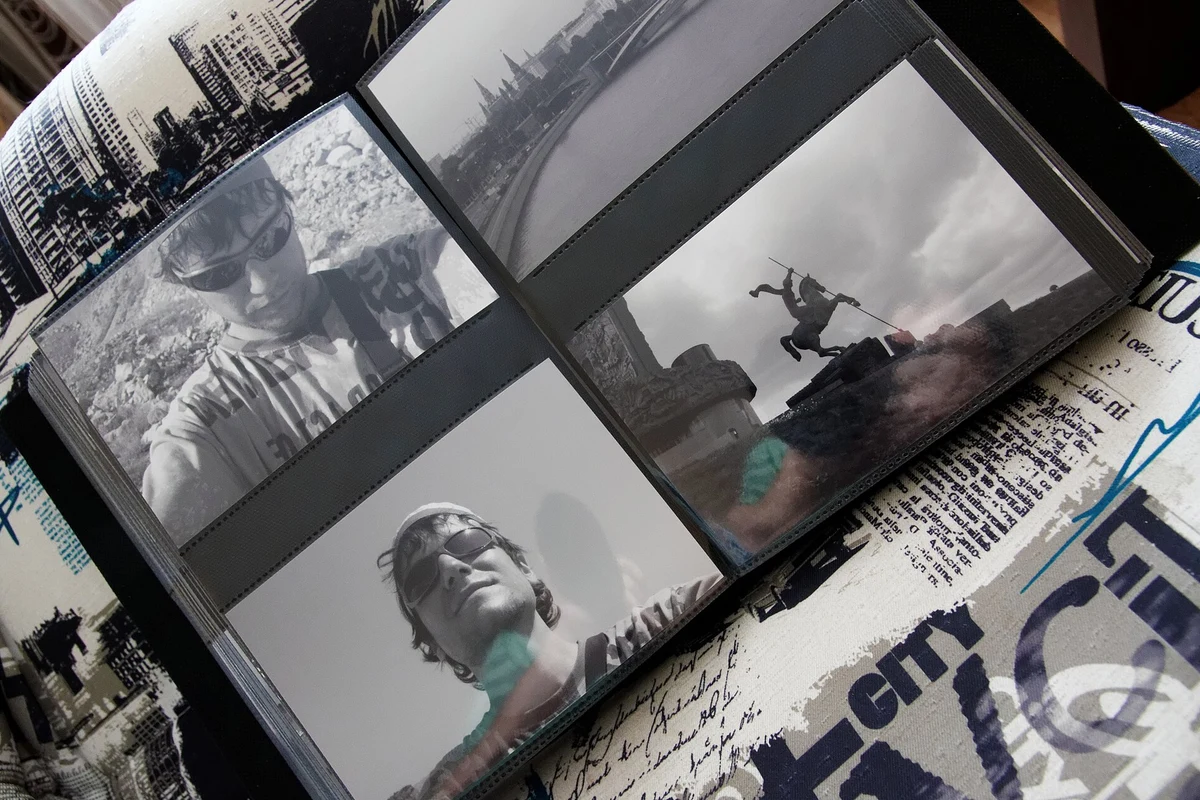
Use documents as prompts, not as a script that the narrator must follow. A ticket may establish a date while the memory concerns a conversation on the journey. Keep those different kinds of evidence distinct.
Choose a quiet place, agree an approximate length and allow breaks. A shorter, comfortable session can be followed by another. Do not turn an elder’s willingness to help into an obligation to continue when tired or distressed.
Which questions work for a migration story?
Ask concrete, open questions that invite an account of something the person experienced.
You might ask what they were doing when the decision to leave became real; who helped prepare; what they carried; who met them; and how an ordinary day changed after arrival. These are suggested prompts, not quotations from an interviewed family.
Follow a detail rather than rushing to the next question. If someone mentions a letter, ask who wrote it and how it travelled. If they describe a job, ask what the work involved and how they learned it. Ask what a word or custom meant to them at the time.
Include the experience of relatives who remained in India, where they want to participate. Ask what changed in care, work, money or family contact. Do not assume that migration has only one narrator or that the person who travelled can describe everyone else’s feelings.
Boston Public Library’s sample questions offer further prompts about names, places, family and objects. Adapt the question to your relationship and purpose. It is acceptable to leave a question unanswered.
Which language should the interview use?
Use the language in which the narrator can express the account they want to give, and preserve that original recording.
Ask their preference rather than choosing English for the convenience of later listeners. Some parts may be easier in Punjabi, others in English, or the person may switch naturally between them. Do not repeatedly interrupt to replace every unfamiliar word.
Keep a note of names, dialect terms and phrases to clarify after the main account. Ask the narrator to spell a name or explain a term. If you later translate, retain the source-language text alongside it and mark uncertain meanings instead of inventing a smooth equivalent.
A bilingual relative can help a family understand a recording, but distinguish their explanation from the narrator’s actual words. If the intended use needs professional translation, arrange that separately and obtain the necessary permission before sharing the source file.
The discussion of diaspora language recording gives context for multilingual families. A recording need not force a person’s experience into a single language label to be useful.
How do you make a usable recording?
Test the equipment, listen to a short sample and keep the original file after the interview.
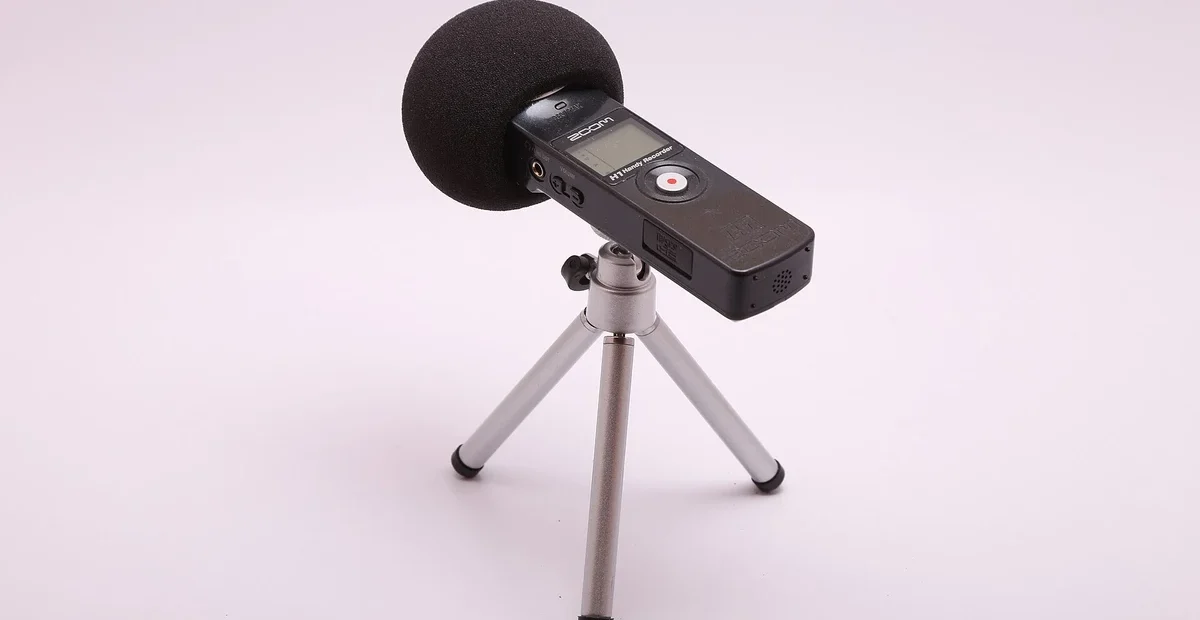
A phone or recorder can be enough for a private project if speech is clear. Put it where both voices can be heard, reduce avoidable background noise and check available storage and battery power. Make a test recording and play it back before beginning the substantive conversation.
At the start, state the agreed names, date, broad location and topic, along with the recording permission. If an interruption occurs, note it. Do not quietly splice together separate answers and present them as one continuous statement.
Audio, video and transcripts preserve different things. The following comparison can help you choose without buying equipment you do not need.
| Record | What it can preserve | What to plan for |
|---|---|---|
| Audio | Voice, pronunciation, pauses and the conversation | Clear sound, file copies and an index |
| Video | Voice alongside gestures and objects shown | Consent for appearance, larger files and background privacy |
| Transcript | Searchable words and an accessible reading copy | Checking names, marking uncertainty and linking back to the recording |
| Photographs or letters | Objects connected to the account | Ownership, permission, description and safe handling |
What if relatives remember events differently?
Keep the accounts distinct, identify uncertainty and check factual claims where records are available.
An interview records how a person remembers and interprets an experience. It is not automatic proof that every date, quotation or statement about somebody else is correct. Ask calmly for clarification rather than editing out a disagreement to create a tidy family version.
Use notes such as an approximate date or an uncertain spelling when that is what the evidence supports. If a document later establishes a different date, add a transparent note. Preserve the original recording rather than changing the narrator’s words to make the disagreement disappear.
Take particular care with allegations, health details, financial information and references to people who did not agree to participate. A private memory and a publishable claim are different editorial decisions. Discuss whether a passage should remain restricted, be anonymised or be withheld from a public extract.
Offer the agreed review opportunity. Keep a record of approved corrections and restrictions so a later family custodian does not mistake an unfinished transcript for a cleared public version.
How should you store and share the result?
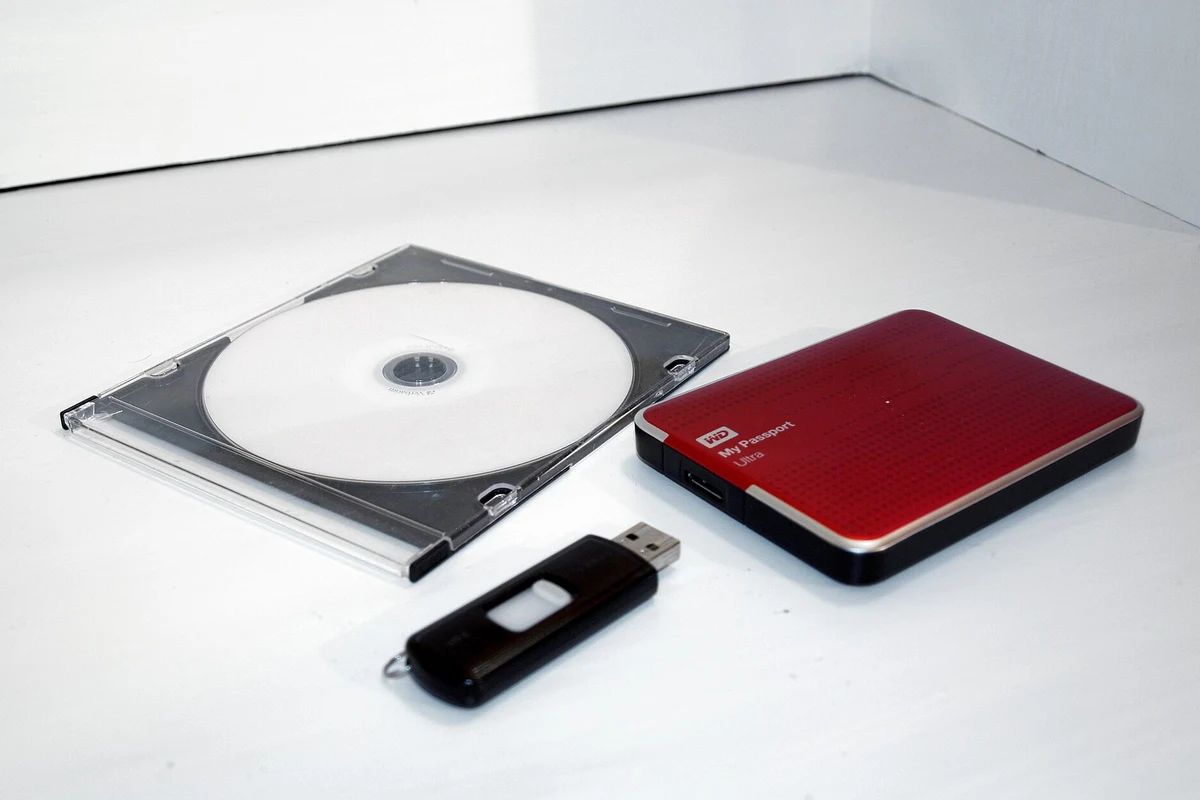
Keep multiple copies in separate places and store the permission record with a clear description of the interview.
The Library of Congress audio-preservation guidance recommends descriptive filenames, information about the recordings and copies in different locations. It also advises checking files periodically to make sure they remain readable.
Keep an untouched original and a separate working copy for transcription or editing. Use a filename that identifies the person, recording date and session. Add a short index noting topics and useful time points, so a future listener can find the account without guessing which file matters.
Store the consent note, language information and any sharing restrictions beside the recording. A private cloud folder is not necessarily a long-term archive; decide who will maintain access if the account holder becomes unavailable. Test that a permitted second custodian can locate and play the copy.
Before offering material to an institution, ask about collection scope, formats, rights and restrictions. The Oral History Association’s archive guidance treats access and permissions as part of preservation, not a decision to leave until after deposit.
What should the family do next?
Choose one interview, agree its boundaries and book a time that suits the narrator.
Prepare a short outline and one photograph or object if it would help. After recording, make the copies, write the description and arrange the agreed review before sharing extracts. Check the actual files, not just a message saying an upload succeeded.
For wider reading, Indian diaspora authors and their work provide a different route through memory and storytelling. Your own project can remain modest: a voice, a clearly described experience and a record of who is allowed to hear it.