
A receipt can decide where a dispute belongs. Dubai consumer complaints about an ordinary retail purchase, a telephone bill and a bank’s handling of a card payment do not necessarily go to the same authority, even when all three problems begin with one transaction.
For an Indian resident or visitor, the first useful step is to identify the business that actually sold the goods or service. A mall name, delivery platform or familiar brand can be different from the legal seller shown on the invoice.
The routes below were checked on 23 October 2026. They distinguish a consumer’s claim against a Dubai establishment from specialist financial or telecom complaints. Filing through the right channel does not guarantee a refund, but it avoids asking an authority to decide an issue outside its remit.
Where should Dubai consumer complaints begin?
Begin with a clear written request to the seller, supported by the purchase record and a precise description of what went wrong.
Dubai’s Department of Economy and Tourism, or DET, advises consumers to communicate with the business and provide receipts. Its consumer-rights guidance also recommends asking a manager or supervisor when front-line staff cannot resolve the problem.
Describe the product or service, purchase date, order number and fault. Distinguish a defective item from a delivery delay, an inaccurate description or a change of mind. Ask for a specific outcome, such as inspection, repair, replacement, delivery or a refund, rather than assuming all problems carry the same remedy.
For example, an account of a washing machine that stopped during its first wash should identify the model, delivery date and error, with photographs or video where useful. That is a suggested way to present evidence, not a reported customer case or a guarantee of compensation.
How do you identify the business responsible?
Use the invoice, order confirmation and contract to identify the seller and its licensing location.
Check the legal business name, contact information and licence details where available. If the shop operates under a different trading name, ask it to explain the connection. For an online order, distinguish the marketplace, the merchant and the courier. Each may have a different role in resolving the problem.
DET’s complaint overview describes its consumer route as covering residents and visitors dealing with establishments licensed by DET. Do not assume that an overseas website falls within this route simply because it accepts a Dubai delivery address.
If the seller is licensed elsewhere in the UAE, establish the competent local authority. The federal Ministry of Economy and Tourism’s consumer-complaint service explicitly directs complaints from Dubai, Abu Dhabi and Ajman to the relevant economic departments, rather than treating its own service as the universal starting point.

Which records make a complaint easier to assess?
A short chronology and the original transaction evidence are more useful than a long chain of unlabelled screenshots.
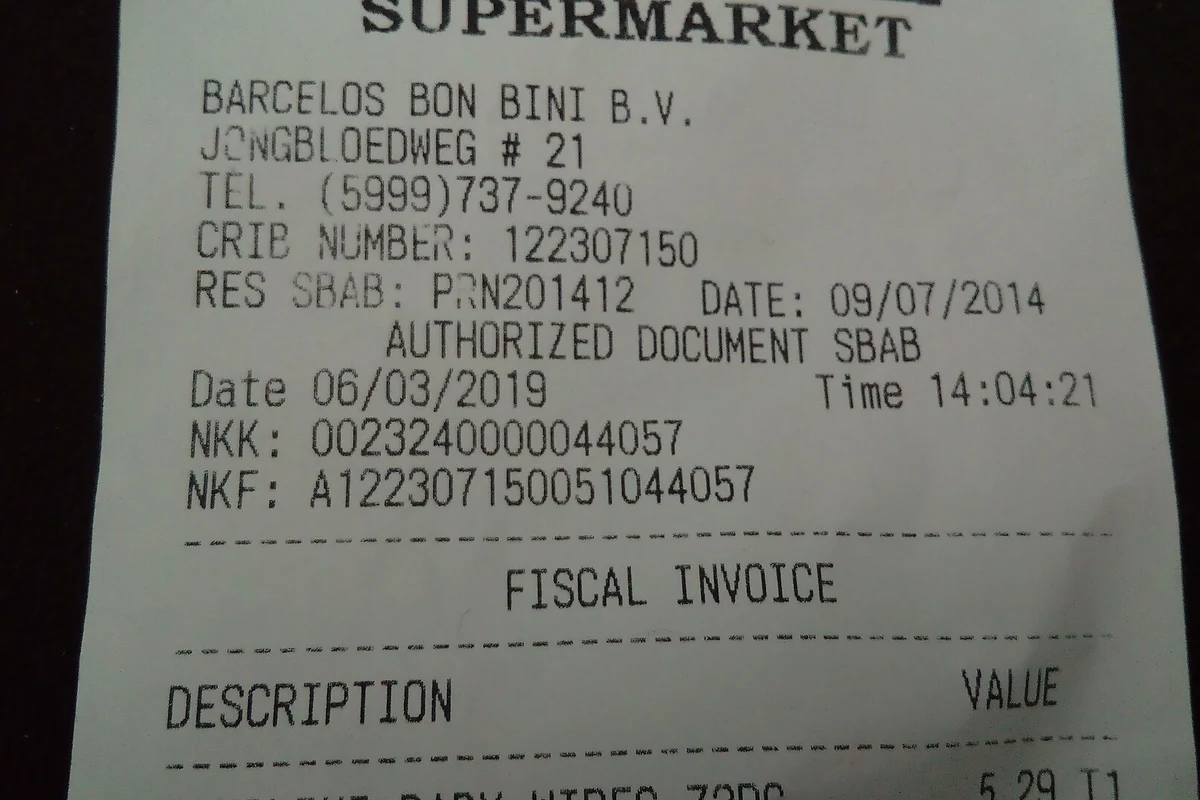
Keep the invoice or receipt, payment confirmation, order details, warranty, delivery record and the terms shown when you bought. Save the advert or product description if the complaint concerns a promise that was not met. Keep both the whole document and a clearly marked copy of the relevant passage.
Record each contact with the seller: date, channel, staff member where known, promised action and whether it happened. Preserve the complaint reference. Where you are relying on a telephone conversation, follow it with a factual written account and ask the seller to correct anything it disputes.
The UAE’s consumer-protection executive regulations, Cabinet Resolution No. 66 of 2023, provide for identifying the complainant, business, alleged violation and supporting evidence. Supply requested missing information through the official channel rather than assuming the original submission is complete.
Do not alter dates, crop away qualifications or describe a promised repair as an admitted legal breach. A factual file leaves less room for disagreement about what you are asking the authority to consider.
What is the difference between the seller and the payment provider?
The seller supplies the goods or service. A bank or payment provider handles the transaction. A complaint that a product is faulty and a complaint that a bank mishandled a disputed payment concern different conduct and may require different routes.
Which authority fits the problem?
Choose the route by the disputed service and the organisation responsible, not just by where you were standing when you paid.
| Problem | Initial contact | Possible next official route |
|---|---|---|
| Faulty goods or unmet retail promises from a DET-licensed business | Seller or service provider | DET Consumer Rights consumer-complaint service |
| Dispute with a UAE telecom operator | Telecom provider’s own complaints process | Telecommunications and Digital Government Regulatory Authority |
| Complaint about a licensed financial institution or insurance company | The institution or insurer | Sanadak, subject to its eligibility rules |
| Seller licensed outside Dubai or outside the UAE | Seller and platform, where relevant | Check jurisdiction and the competent authority before filing |
The distinction matters when one purchase creates several issues. A faulty handset bought from a shop is different from a dispute about the network subscription. A failed refund by a seller is also different from a complaint about how a bank considered your payment dispute.
Housing disputes follow their own processes. The Dubai renting guide explains tenancy checks; an ordinary retail complaint should not be used as a substitute for the route applicable to a tenancy.
How do you use DET’s consumer route?
Use the official Consumer Rights website, select the consumer service and follow its current submission instructions.
The consumer-complaint page covers issues including defective or unsafe goods, poor service, misleading advertising and warranty breaches. Its overview describes the consumer process as free. Business-to-business disputes are a separate service and can have different requirements or fees.
Enter accurate contact details and attach readable records. If you are visiting from India and will leave soon, explain how you can be reached and whether the item remains in Dubai. Ask the authority or seller what practical arrangements are possible; do not assume departure cancels the claim or that an international return is automatically covered.
Save the acknowledgement and case number. If you add evidence later, label it and attach it to the existing case where the system allows. Multiple duplicate complaints can make your own chronology harder to follow.
Two official Consumer Rights pages display different indicative resolution periods. Do not plan around a guaranteed five- or seven-day refund. Ask for the timeline applicable to your case and follow the authority’s actual instructions.
What changes for telecom, banking or insurance complaints?
Specialist routes require you to start with the provider and then meet the regulator’s or ombudsman’s conditions for escalation.
The TDRA dispute-resolution service says consumers should first complain to their telecom provider. If dissatisfied with the resolution, they can apply through TDRA’s service. Preserve the operator’s case number, relevant bills and response. This route concerns telecom providers, not every business selling electronic equipment.
For banks and insurers, use Sanadak’s eligibility checker before filing. It is a financial and insurance complaints route, not the place to decide whether a retailer’s product description was accurate. Check its current prerequisites, any waiting period and exclusions for the type of case involved.
If you ask your bank about a disputed card transaction, describe the facts and ask what deadlines and documents apply. Do not treat a chargeback enquiry as a promised refund or as a substitute for preserving your complaint against the seller. Avoid agreeing to close one route without understanding the effect on the other.
What should you do while a case is being considered?
Keep the evidence intact, follow requested steps and record any proposed settlement before accepting it.
If the business offers a repair, ask who will collect the item, what the assessment covers, whether there is a charge and when it will be returned. If it offers a replacement, record the model and warranty position. For a refund, clarify the amount, method and expected processing date.
Do not send original identity documents or banking credentials to an unsolicited person claiming to speed up the case. Use contact information reached through the official website or your existing case record. Share only the documents needed for the complaint and keep a copy of what you submit.
An insurance dispute may involve different coverage questions from the underlying treatment or purchase. The family health-insurance guide explains why policy limits need their own check. A retail receipt does not establish that a loss is insured.
If the conduct suggests deception rather than an ordinary service disagreement, ask the relevant official authority about the appropriate reporting route. Do not publicly accuse a named person of a crime based solely on an unresolved refund request.
What happens next if the proposed outcome is inadequate?
Ask for the decision or proposed settlement in writing and identify the available review or further legal route.
Explain precisely what remains unresolved: an amount, a missed delivery, a repeat defect or a disagreement about the contract. Refer to the evidence already supplied instead of starting again with a general statement that the service was poor.
Before paying for further advice, prepare a one-page case summary with the transaction, contacts, authority reference, outcome and remaining issue. That gives an adviser something concrete to assess and helps you compare the effort of continuing with the remedy actually available.
Keep the final resolution and proof that it happened. A complaint is not finished merely because someone says the payment has been authorised; check that the agreed money, replacement or service has actually arrived.