
A report card can explain what a child has studied without deciding which American class they will enter. US school enrolment requires families moving from India to separate the right to attend, local registration documents, health requirements and the school’s assessment of previous learning.
There is no single national folder that guarantees admission everywhere. States and school districts set different procedures, and the requirements for an elementary pupil can differ from those for a teenager seeking high-school credits.
Start with the receiving district’s current instructions, not a checklist forwarded by another family. New York City, Fairfax County in Virginia and New Jersey provide useful examples of the differences. Their rules should not be copied into a supposed nationwide requirement.
Where should US school enrolment begin?
Begin with the public school district responsible for the child’s actual home address, or its designated registration centre.
Check the district boundary and the relevant entry route. A school near a proposed rental is not proof that the address falls within its attendance area. Explain whether the family already lives there, is arriving shortly or has an unsettled housing situation.
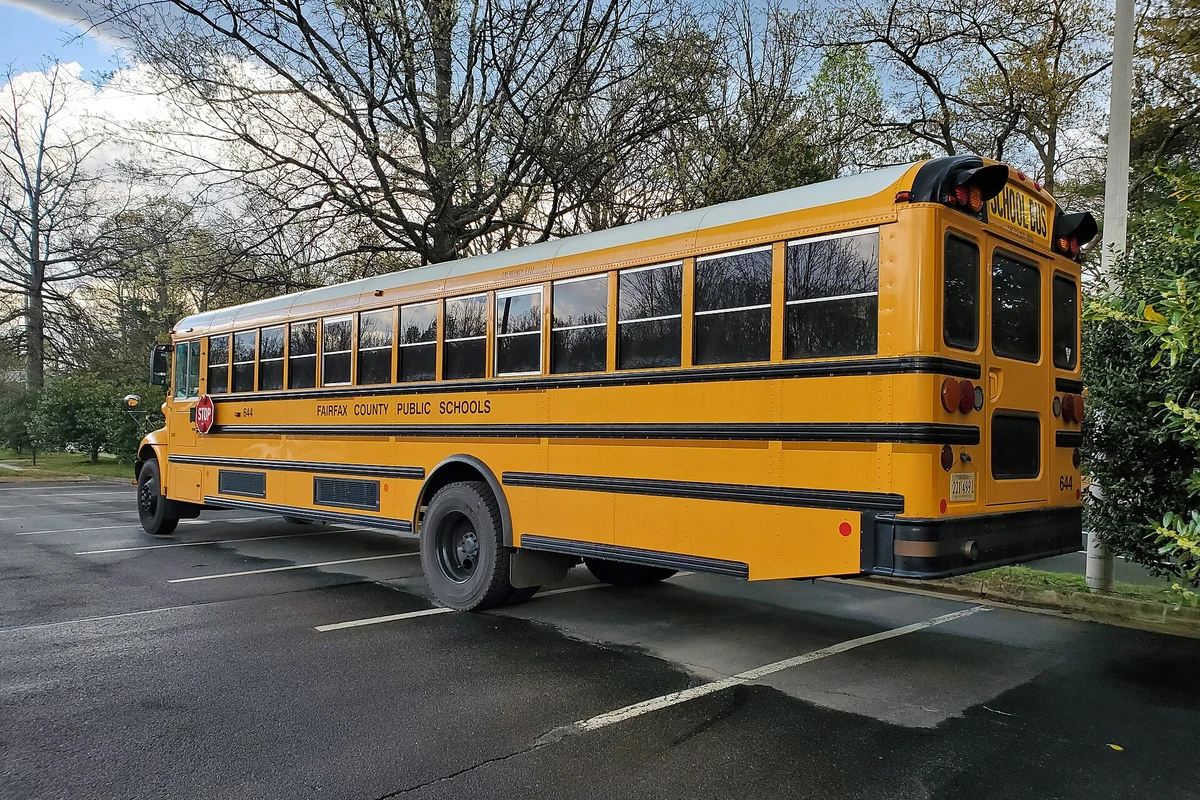
New York City’s new-student guidance directs families through different routes depending on the child’s age and school stage, including Family Welcome Centers. Fairfax County’s registration instructions distinguish local-school registration from some international-student and language-assessment arrangements.
Ask who should review foreign records before you book an appointment or pay for document services. Keep the official response with your preparation list. An online enquiry is useful preparation; do not describe it to your child as a confirmed school place unless the district has actually confirmed one.
Which Indian school records should you gather?
Gather records that show the child’s attendance, completed work and current learning needs, then ask which originals the district wants to see.
A practical folder can contain recent report cards, marksheets, any school-leaving or transfer certificate already issued, the school’s contact details and a short explanation of the curriculum followed. For older pupils, include subject names, examination records and available course descriptions. These are preparation suggestions, not a claim that every district legally requires every item.
Keep the academic year and dates clear. If a course was only partly completed, identify that rather than making a partial report look like a final result. Where a marksheet uses grades or abbreviations, retain the school’s grading explanation if one exists.
Ask the Indian school how the receiving district can obtain an official copy or confirm attendance. Preserve a working email address and the name of the relevant office. A screenshot may help an initial discussion, but it should not replace an original record when the district requests one.
Do documents need translation or apostille?
Ask the receiving district before buying a translation, notarisation, apostille or private credential assessment.
An English-language Indian report card does not need translating merely because it was issued in India. Where a document uses another language, ask who will translate it and what format is accepted. Do not assume a paid private assessment is required for ordinary school registration.
Fairfax County’s document guidance says secondary students need school records or original transcripts, while they are recommended for elementary students. If a translated document is submitted, it says to supply the original-language document as well.
New Jersey’s guidance for families states that districts must accept foreign transcripts for enrolment and are responsible for translating them without charging parents. This is a specific state example, not a promise about every district’s handling of every document.
Keep names consistent across records and explain differences in spelling, surname order or name changes. Do not edit an original marksheet to make it match another document. Ask which supporting record will resolve the discrepancy.
What is a transcript, and what can it establish?
A transcript records courses and results. It helps a receiving school assess previous learning. It does not, by itself, determine the child’s American grade placement, award every requested credit or prove that graduation requirements have been met.
How are grade placement and high-school credits decided?
The receiving school or district decides under its rules after reviewing the child’s age, records and relevant assessments.
For a younger child, ask how the school considers age and previous schooling. For a teenager, request a separate discussion about recognised credits, outstanding subjects, graduation requirements and the likely timetable. A year number in India is not enough to settle all of those questions.
Prepare a subject-by-subject record rather than relying on a single overall percentage. If a subject covers several areas, supply the available syllabus or course description. Ask what the district needs to distinguish course content, teaching time and the examination result.
Do not convert marks into American grades yourself and present the conversion as an official decision. Keep any informal comparison separate from the original record. Ask the counsellor to explain the actual credit evaluation in writing and identify any review process.
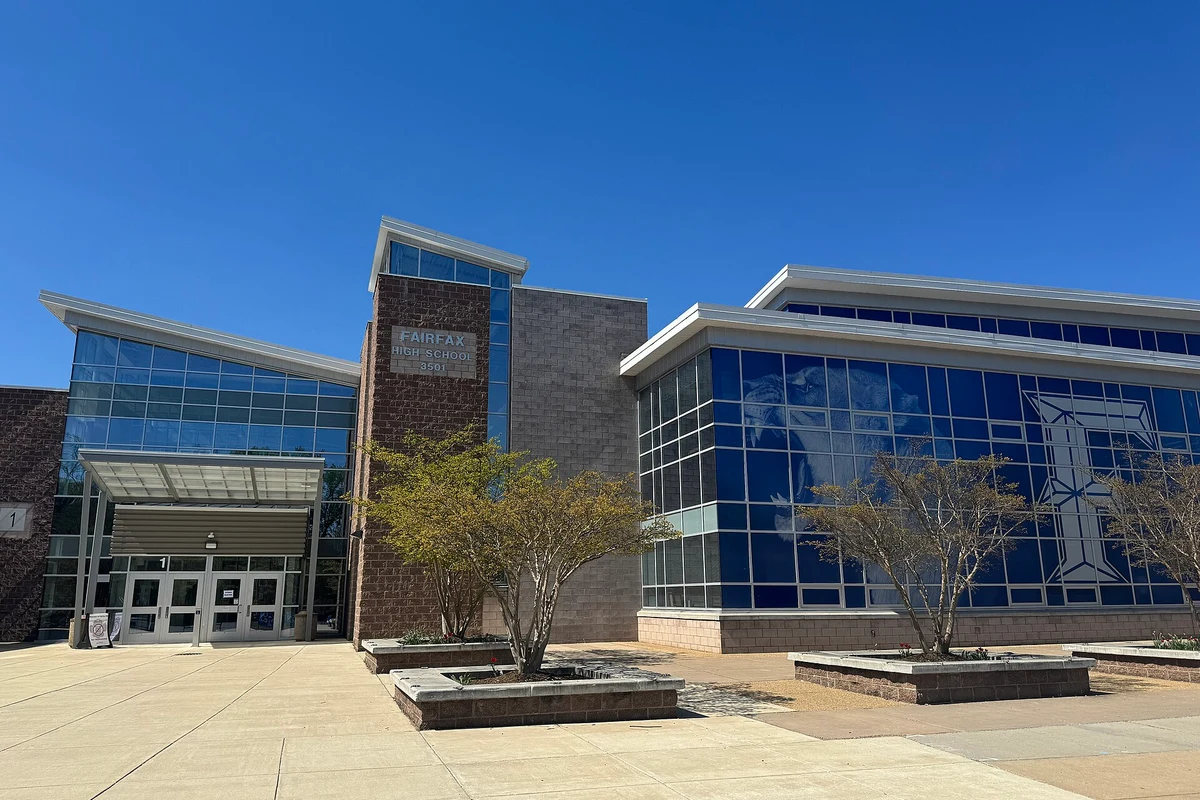
Fairfax’s registration guidance describes assessments that can help determine educational level and instructional needs. An assessment should be understood in that local context, not treated as a universal American entrance examination.
Which identity, address and health records matter?
The exact list is local, so check each category separately rather than assuming a passport and marksheet are sufficient.
| Record category | What to prepare | What to ask the district |
|---|---|---|
| Age and identity | Birth record and available supporting documents | Which alternatives are accepted if an original is unavailable? |
| Residence | Current address evidence and the family’s housing circumstances | Which documents establish residence, including shared or temporary housing? |
| Previous learning | Report cards, transcripts and curriculum information | Who reviews records and decides placement or credits? |
| Health | Vaccination history and relevant medical records | Which local forms, examinations and vaccination checks apply? |
New York City’s registration document list includes proof of age, available immunisation and school records, and specified address evidence. Fairfax’s requirements differ in detail. Use those examples to see why the receiving district’s list matters.
Bring the vaccination record with vaccine names and dates, rather than relying on a statement that a child is fully vaccinated. Ask the receiving health professional or school health office to assess it against local requirements. Do not decide independently that an Indian schedule is automatically identical to the relevant state schedule.
Can missing papers or immigration status stop enrolment?
Public-school access has legal protections, and a missing document should prompt a discussion of accepted alternatives and applicable exceptions.
Virginia’s state enrolment guidance explains that schools cannot deny public education to eligible resident children because of undocumented immigration status or a foreign birthplace. It also describes alternatives when a certified birth record cannot be obtained.
Massachusetts’ guidance on student information similarly warns against unnecessarily collecting immigration-related information. These protections should not be confused with separate immigration conditions governing a particular visa or attendance route.
Families in temporary housing may have additional protections. NYC’s new-student guidance says students covered by the McKinney-Vento definition can enrol without the usual documentation. Tell the district about the actual housing situation and ask for its relevant liaison, rather than assuming the absence of a conventional lease ends the discussion.
Health and vaccination rules have their own state-specific procedures and exceptions. Ask how any missing health record will be handled; do not promise that all attendance requirements are waived everywhere.
What should parents explain about language and learning support?
Give an accurate account of the languages the child uses and any existing support, rather than trying to present a simpler school history.
Explain which languages are spoken, read or written, where English was used in the previous school, and what the child finds easy or difficult. Speaking comfortably with friends does not tell a school everything about reading, subject vocabulary or written work.
Bring available support plans, assessments and descriptions of accommodations. Ask how the new school evaluates support needs and what happens while records are being reviewed. Do not assume an Indian assessment automatically creates a particular American plan, or that it has no value at all.
Parents can ask the registration office for language assistance themselves. Legal Services NYC’s enrolment guidance describes access to translation and interpretation in that city. Explain the adult’s preferred language separately from the child’s language profile.
Families comparing destinations can read the England school-admissions guide, while keeping its rules separate. The diaspora language discussion offers context for recording a multilingual household accurately.

What should happen before the first school day?
Obtain a clear registration outcome and a written list of any remaining actions.
Confirm the start date, school, year or grade, transport arrangements and the person handling records. For secondary students, ask when the credit decision will be available and how course choices will be settled. Keep unresolved questions separate from information already confirmed.
Give the school current emergency contacts and any agreed health instructions through its official process. Make a child-friendly plan for the first morning, including who to ask for help and how the family will communicate if arrangements change.
Finally, keep copies of everything submitted and the district’s responses. A useful records folder is not simply a stack of certificates. It is an organised explanation of the child’s learning, with a named school contact responsible for the next decision.