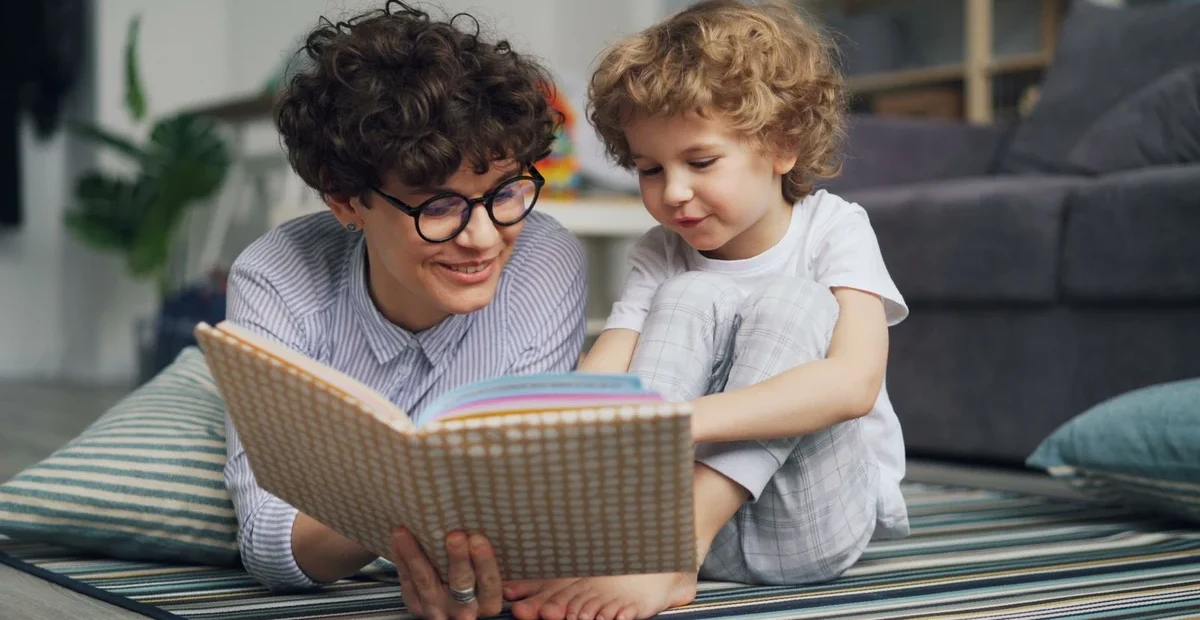
A child may understand a grandparent’s story and answer in English. That does not mean the conversation has failed. A home language grows through opportunities to listen, speak, read and connect, and those abilities do not always develop at the same pace.
For an Indian family abroad, the starting point is the actual language or languages used at home, not an assumption that every household speaks Hindi. Tamil, Punjabi, Bengali, Gujarati, Malayalam, Marathi and many other languages have different family histories, scripts and opportunities for use.
The practical question is not how to reproduce an imagined perfect bilingual childhood. It is how to make your family’s languages useful and welcome in ordinary life, while responding sensibly if a child has communication difficulties.
What should a home language plan aim to achieve?
Choose an achievable communication goal before deciding on lessons, books or rules.
One family may want a child to talk with grandparents. Another may want reading and writing as well as conversation. A third may be making room for two Indian languages alongside English. Those are different starting points, and a single test of fluency would not describe them well.
Write down who uses each language with the child, in which situations and how often meaningful conversation happens. Include what the child enjoys, not just what adults think should be preserved. A favourite game, family recipe or familiar story can provide a reason to speak that a vocabulary drill does not.
The American Speech-Language-Hearing Association’s multilingual guidance, reviewed on 1 May 2026, advises adults to communicate in the languages they are comfortable using. It recognises that language use can change across settings and over time.
Must each parent use only one language?
No single arrangement is required for every multilingual family.
The Hanen Centre’s explanation of bilingual development rejects the idea that one parent, one language is the only or best method. Families can choose an arrangement that fits who is available and how they naturally communicate.
For example, a parent might use Telugu while cooking and playing, while both parents use English during a school conversation. Another household might use Bengali at home and English in many community settings. These are possible routines, not prescriptions or accounts of interviewed families.
Raising Children Network’s practical guidance describes models organised by speaker or environment. It also recognises that children may become less willing to answer in a heritage language as they grow older.
Choose a plan adults can sustain without excluding somebody from family life. If a partner does not understand a conversation, help them participate rather than treating language learning as a reason to leave them outside it. Reconsider the arrangement when work, schooling or caring responsibilities change.
What if a child mixes languages or answers in English?
Language mixing is a normal part of multilingual communication and is not, by itself, evidence of confusion or a disorder.
The American Academy of Pediatrics’ parent guidance explains that children can combine words or grammar from different languages. It also states that learning multiple languages does not cause a speech or language disorder.
Respond to what the child is trying to say. If they use an English word in a Tamil sentence, you can answer naturally with the Tamil word in context, without stopping the whole conversation for a correction. That is a suggested interaction, not a guaranteed teaching technique or a clinical assessment.
Ask whether the child has a reason to use the less dominant language. Can the person they are talking to understand it? Is the topic familiar? Is the conversation enjoyable? These questions are more useful than assuming that an English answer shows rejection of the family.
Avoid making one difficult conversation into a verdict on identity. Understanding, speaking, reading and writing are distinct abilities. A child may need different kinds of opportunity for each.
What does multilingual mean in a family?
It means using or developing more than one language. It does not require identical vocabulary, literacy or confidence in every language, in every setting. A family can support several languages without expecting every member to use them in the same way.
How can daily routines create real conversation?
Build language into activities where the child has something they want to say.
Use mealtimes to discuss choices, shopping to name ingredients, a game to explain rules or a walk to talk about what you notice. Keep the exchange responsive: ask a question, listen to the answer and follow the child’s interest. A routine does not need a formal lesson label to create useful practice.
Choose one regular opportunity first. If a household cannot maintain an ambitious timetable, scale it back to something it can repeat. A short conversation that everyone welcomes is a better starting point than a complicated plan that generates arguments and is abandoned.
The Colorín Colorado family-reading tips encourage home-language conversation, family stories, recipes and everyday writing. Adapt the activity to your child’s age and interests rather than copying every suggestion.
For a younger child, a pretend shop might give words a purpose. For an older child, planning a meal or explaining a sport may feel less artificial. These are options to try and observe, not milestones the child must pass.
What role should books, songs and screens play?
Use them as prompts for interaction and choose material the child can enjoy, rather than treating exposure alone as the whole plan.
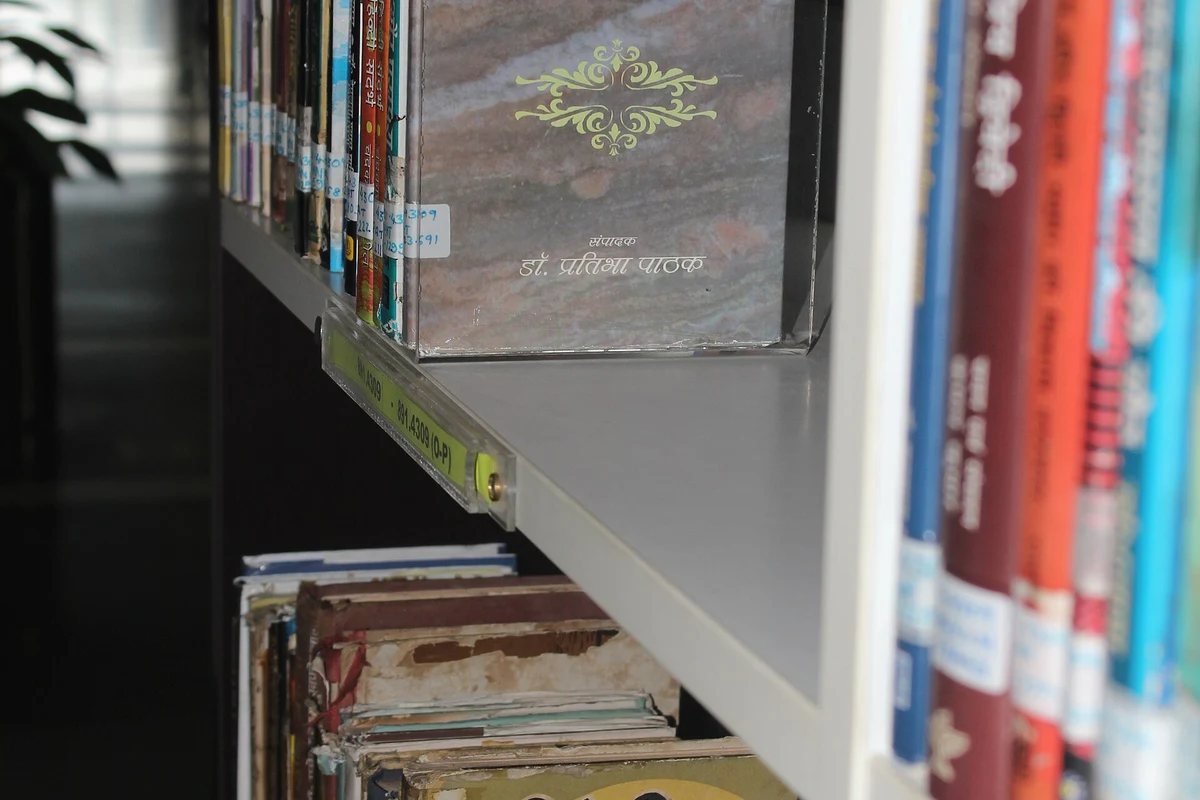
Look for picture books, familiar tales, songs and age-appropriate reading in the language you want to support. With a picture book, talk about the images even if neither adult nor child can read every line. With a song, discuss a favourite phrase or sing it together.
For older children, ask what they would actually like to read or watch. A comic, sports interview or recipe can be more inviting than a book selected only because it is labelled educational. Check the language, script and difficulty before buying a large set.
ASHA’s guidance includes shared books, music and language programmes among possible supports. It does not promise that a particular app or subscription will make a child fluent. Avoid presenting a product’s marketing claim as a developmental fact.
Keep reading and writing goals distinct from conversation. A child who chats comfortably may still be starting to learn the script. Offer a separate, manageable opportunity to practise rather than treating imperfect handwriting as proof that spoken learning has failed.
How can grandparents and community groups help?
They can give the language an audience and a relationship beyond the parent-child teaching dynamic.
Arrange a conversation around something shared: a photograph, an object, a family memory or a task. Tell relatives what the child currently understands and ask them to leave space for a response. Avoid turning every call into a public examination of vocabulary.
If a grandparent and child do not share enough language for a long call, start with a simple activity they can both follow. An adult can help without answering every question on the child’s behalf. Let the relationship develop at a pace that suits both people.
Community classes, playgroups and libraries may provide other opportunities. Check the actual language, age range, safeguarding arrangements, accessibility and style of teaching. Do not assume a group advertised as Indian will use your family’s language or offer the literacy level your child needs.
The discussion of diaspora language and census questions shows why household language can be more complicated than a single label. The coverage of Hindi literature reaching readers abroad offers a separate cultural reading route, rather than a child-development prescription.
What could a workable family routine look like?
Choose activities around the goal you have agreed and review whether they are working for the people involved.
| Family goal | Activity to try | What to notice |
|---|---|---|
| Talk with relatives | A regular call about a shared photograph or activity | Is the child participating without feeling tested? |
| Understand everyday conversation | Use the language during a familiar household task | Can the child follow and contribute more comfortably? |
| Begin reading a script | Short shared reading with suitable material | Is the difficulty manageable and the story interesting? |
| Keep two Indian languages in use | Agree opportunities with different speakers or activities | Does each language have a real audience? |
These are planning examples, not a validated assessment tool. Adjust them for the child’s age, disabilities, attention, preferences and the adults available. Avoid comparing siblings as though an identical household produces identical language use.

When should parents ask for professional help?
Seek a qualified speech-language professional if you are concerned about the child’s communication, rather than attributing every difficulty to bilingualism.
ASHA and the American Academy of Pediatrics advise that multilingualism does not cause communication disorders. Concerns should be assessed in the context of the child’s languages, not through an English-only impression of everything the child can do.
Tell the professional which languages the child hears and uses, with whom and in what settings. Provide examples of communication that concern you and examples of strengths. Ask how the assessment will consider languages the professional does not speak and whether an interpreter is needed.
Do not abandon a family language on the strength of an unqualified suggestion that two languages are automatically too much. Equally, do not dismiss a concern because relatives say every multilingual child is late. Ask for an individual assessment through the health or educational service available where you live.
What should the family do next?
Agree one realistic change, involve the child and set a point to reconsider the plan.
Ask what they would enjoy doing in the language and offer a choice that fits family life. Keep a note of activities that lead to conversation and those that feel forced. The useful measure is participation and understanding in the situations you value, not a performance for visitors.
As the child grows, update the plan with them. A family language can carry affection, humour and memory as well as vocabulary. Give it room to be part of an ordinary relationship, with support when needed and without making fluency a condition of belonging.