The 3 November congressional vote will not put a new departure date on an Indian student’s immigration record. US student status depends on the rules and decisions applying to the individual, not on which party wins an election night majority. A separate court case has already interrupted the administration’s attempt to replace duration of status with fixed admission periods.
That distinction matters for families deciding whether to pay another term’s fees, for doctoral researchers whose work takes several years, and for graduates considering employment. An election can alter the political conditions for immigration decisions. It does not itself approve Optional Practical Training, extend a course or cancel permission to remain.
As of 1 November 2026, the central documents to watch are a September court order, subsequent judicial developments and current government instructions. Predictions about the next Congress belong alongside those documents, rather than taking their place.
What can the midterms change about US student status?
The elections can change who controls Congress and its legislative priorities, but the results do not automatically amend a student’s conditions of admission.
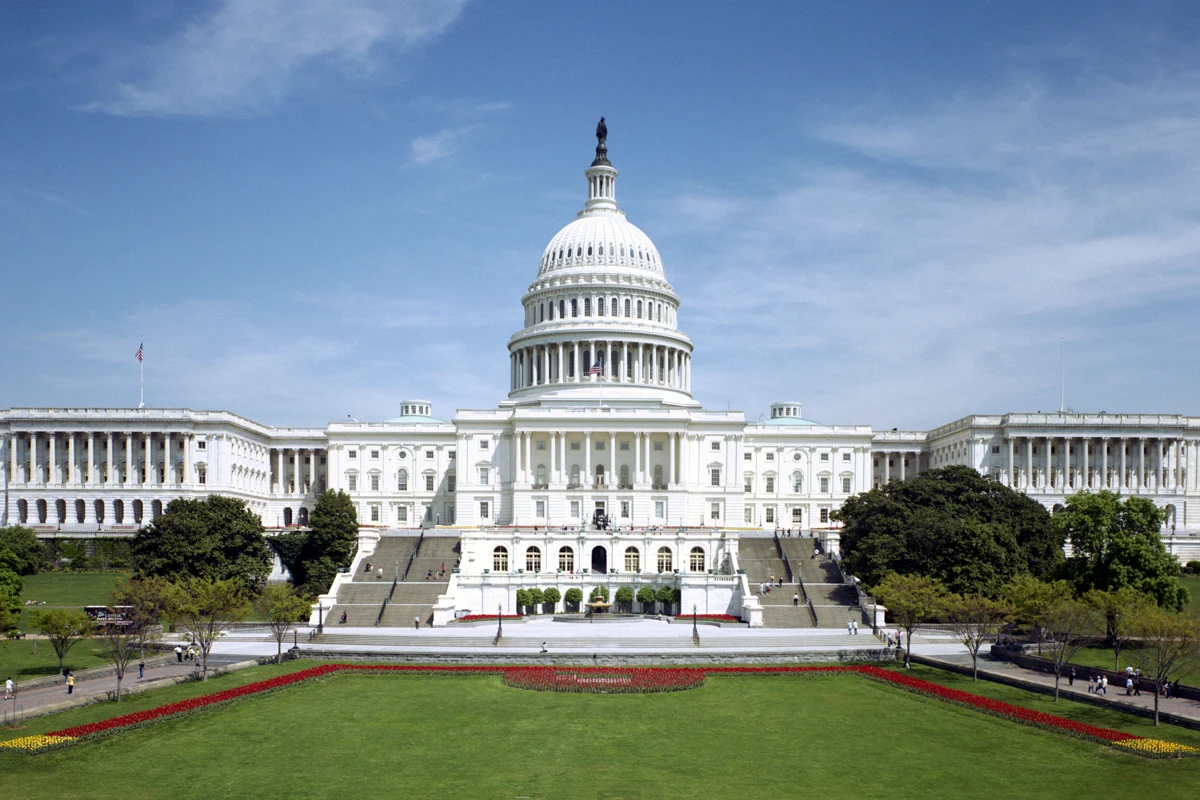
The Federal Election Commission’s election information identifies Tuesday, 3 November 2026 as the next regularly scheduled federal general election. USAGov’s explanation of congressional elections says all House seats and approximately one-third of Senate seats are contested in the regular cycle. This is not a presidential election.
A different congressional majority could change which immigration bills receive hearings, which proposals advance and how agencies face questioning. Whether that produces a legal change depends on the action actually taken. A party’s campaign promise, an introduced bill and a measure that becomes law are different stages.
For a student reading the results from India or a US campus, the useful question is therefore specific: what document has changed, when does it take effect, and does it apply to this case? A map showing seats won cannot answer those questions.
What happened to the fixed-duration student rule?
A federal judge postponed the rule’s effective date on 14 September, before its planned commencement the following day.
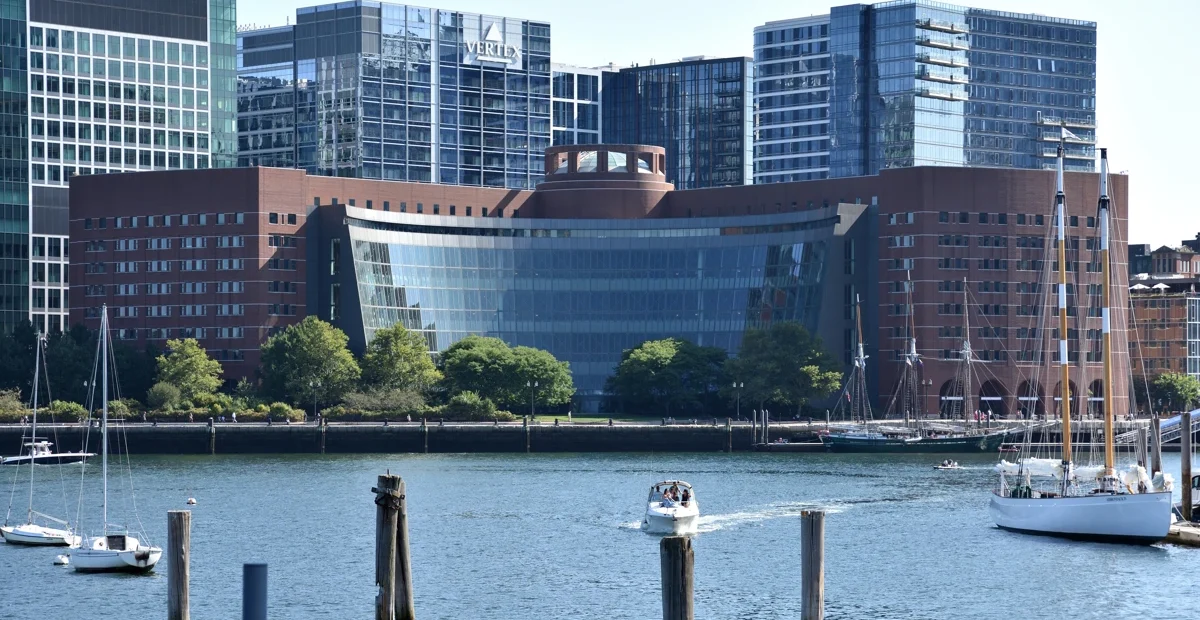
The Massachusetts court’s memorandum and order concerns Presidents’ Alliance on Higher Education and Immigration v. Department of Homeland Security. Judge F. Dennis Saylor IV granted relief postponing the effective date under the Administrative Procedure Act. He did not permanently erase the regulation through a final judgment on every issue.
The University of Southern California’s dated notice explains the immediate consequence: the fixed admission periods and associated procedures were not operative while the postponement applied. Current university guidance continues to describe the rule as paused.
The order is important because older material prepared for the September implementation remains online. A page explaining what a four-year limit would require may describe a blocked framework rather than an instruction currently applying to a student. The date and any court-update banner must be read with the underlying explanation.
What did the administration want to introduce?
The Department of Homeland Security sought fixed admission periods and a formal extension process in place of the existing duration-of-status framework.
Its 17 July final rule covered F, J and I classifications. For F and J admissions, the framework generally linked the period to the programme’s end date, subject to a four-year ceiling, with further time requiring an extension procedure. Related provisions addressed academic changes and departure periods.
DHS argued that periodic review would improve oversight and its ability to assess whether temporary entrants were maintaining their status. The higher-education organisations challenging the rule argued that additional discretionary applications would disrupt courses, research and institutional planning.
Those are competing positions in an actual legal dispute. The four-year provision should not be presented as either an automatic deportation order after four years or a guaranteed four-year entitlement for everyone. More importantly, its publication must not be confused with permission to implement a rule whose effective date a court has postponed.
What does duration of status mean? Duration of status, often recorded as D/S, links an authorised stay to maintaining the relevant student or exchange status. It does not mean permanent residence or unlimited permission to remain regardless of enrolment, employment or other conditions.
How do a visa, an I-20 and an I-94 differ?
They serve different purposes, and a date on one should not be substituted for the requirements attached to another.
The State Department’s explanation of visa expiration distinguishes a visa’s validity for seeking entry from the period of stay authorised after admission. Customs and Border Protection determines admission at the border; the arrival record documents it.
For academic students, Form I-20 records the school and programme information used in the immigration process. The State Department’s student visa guide describes the separate requirements for obtaining an appropriate student visa and presenting the necessary documents.
| Document or event | Main question it answers | What it does not establish alone |
|---|---|---|
| Student visa in a passport | Can the traveller seek entry in the stated category during its validity? | How long every admitted student may remain |
| Form I-20 | What school and programme information supports F-1 status? | An unrestricted right to work |
| Form I-94 | What admission was recorded at entry? | That every later status condition has been met |
| Congressional election result | Who won legislative seats? | A new individual visa or departure deadline |
A family reviewing documents should keep these records together. If dates, names or programme details appear inconsistent, the appropriate next step is a case-specific check with the school’s international office, rather than selecting whichever date gives the longest possible stay.
Does a paused rule remove students’ existing obligations?
No. Students must continue to maintain their existing status while the litigation proceeds.
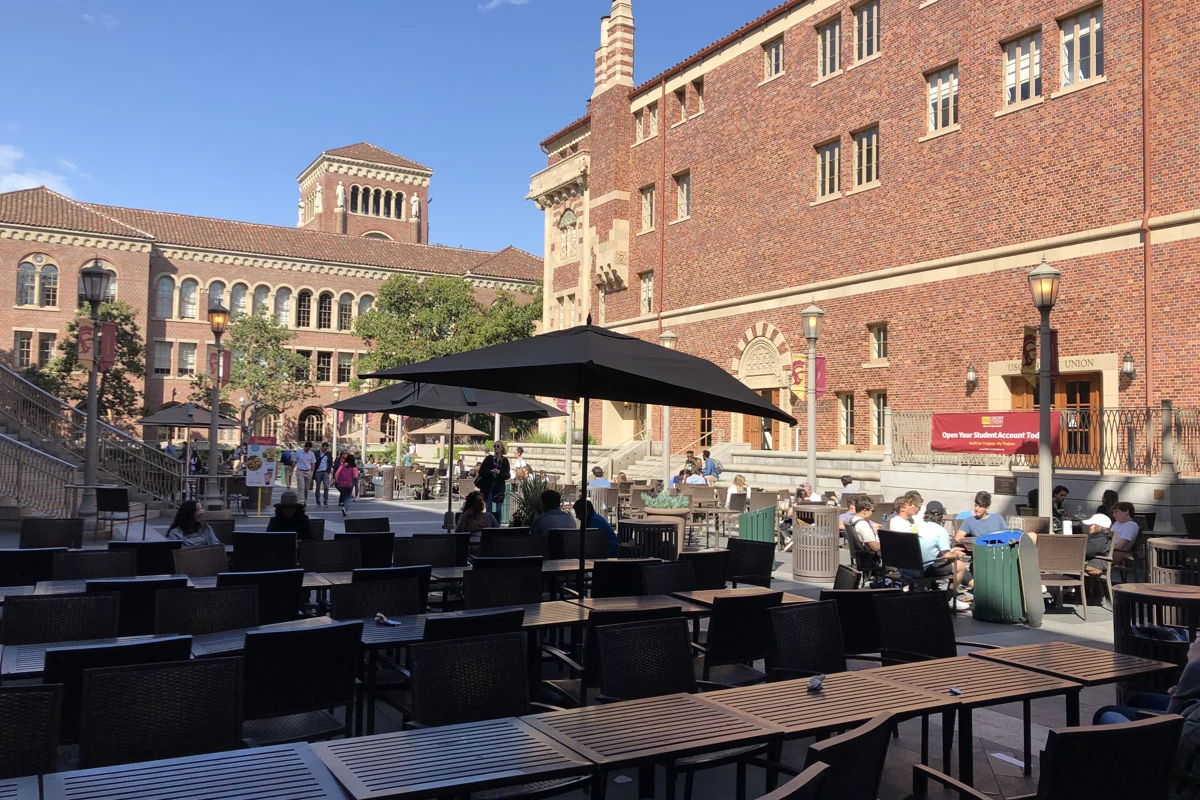
USC’s guidelines for maintaining status explain responsibilities involving enrolment, immigration documents, authorised employment and communication with the international office. The court pause is not permission to abandon a course, take unauthorised work or ignore a required programme update.
A student whose research needs more time should raise that issue before the relevant programme deadline. A student considering a transfer should check the school and immigration processes before acting. The practical risk is not confined to a headline about Congress: an ordinary missed requirement can have consequences even when no election-related policy changes.
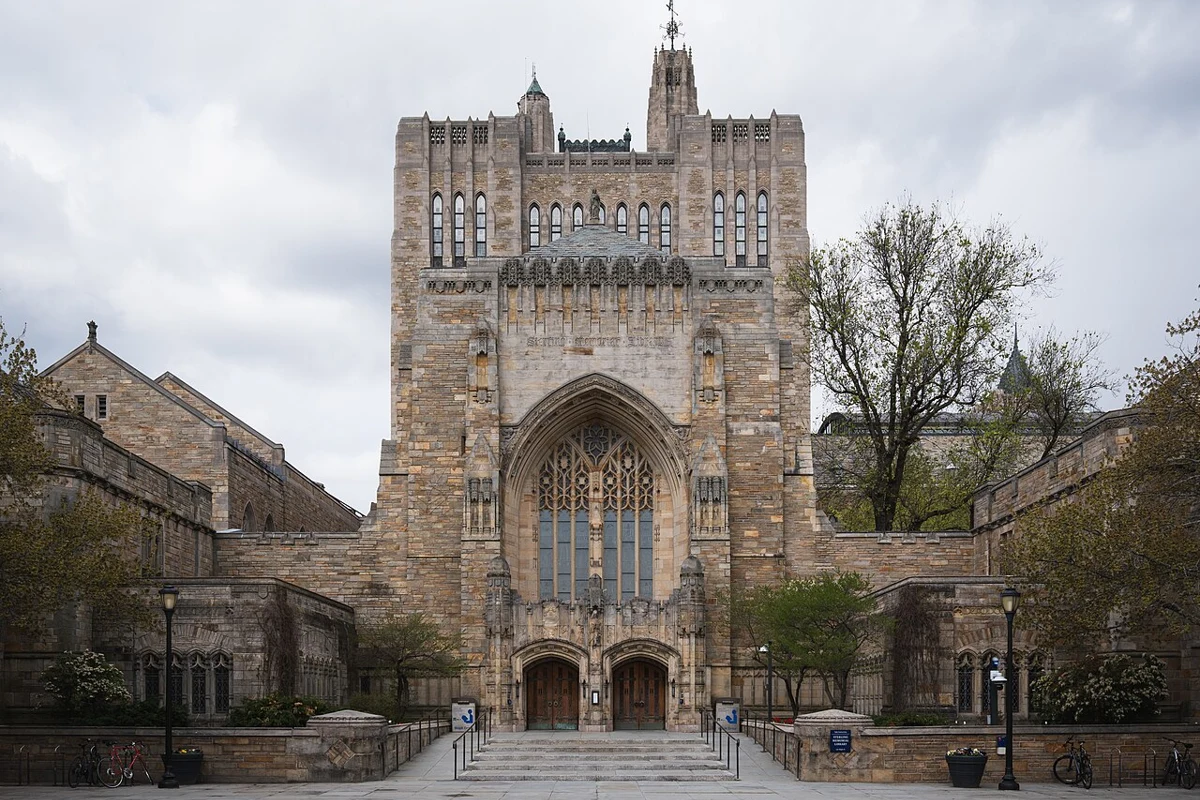
Yale University’s international office also says its existing duration-of-status framework continues during the court pause.
The older report on fixed-period student admissions provides background to the dispute. Current court developments must be read alongside that earlier reporting.
Would an election result give graduates more work permission?
No. Practical training and a subsequent work-visa route still require their own eligibility and authorisation.
USC’s Optional Practical Training guidance sets out the school’s role and the separate application process. An employer’s willingness to recruit a graduate does not, by itself, approve that graduate’s employment authorisation.
This is particularly relevant when a student plans several steps at once: course completion, a practical-training application, a proposed start date and possible later sponsorship. Those steps should be checked in sequence. A political forecast should not be inserted as though it were an approval between them.
Readers comparing destinations can use the study-abroad comparison to frame questions about courses and post-study routes. Its comparison does not replace US requirements for a particular graduate.
How would a congressional proposal become a legal change?
It would need to complete the applicable legislative process, rather than merely attract support after an election.
USAGov’s lawmaking guide describes committee consideration, votes in the chambers and the president’s role. Legislation may change during that process, fail to advance or take effect later than its announcement. Agency regulations follow a different process and can face judicial review, as the student-status litigation demonstrates.
That leaves three separate things to follow: what Congress proposes, what the executive branch formally does and what courts permit. Treating all three as a single promise of a longer or shorter stay conceals the decisions that actually matter to students.
What is the next step in the student-status appeal?
The government’s appeal has a briefing schedule, and filing it did not itself put the rule into force.
NAFSA: Association of International Educators, a plaintiff in the case, says in its litigation update dated 2 October that the government appealed on 30 September. It lists 9 November for the government’s brief, 9 December for the plaintiffs’ response and 19 December for a possible government reply. Those are litigation deadlines, not dates when students must leave the country.
The association says the district court’s postponement remains effective during the litigation. Students should distinguish a court filing from an order changing their obligations, and check their university’s current instructions before acting on an older implementation guide.
How should Indian students use this information?
Use the election as a reason to follow verified developments, while making immediate decisions from current documents and professional guidance.
Keep the latest I-20, admission record and any employment authorisation together. Ask the designated school official which rule applies before changing study plans, travel or work. If an individual status question is complicated, obtain advice from a qualified US immigration lawyer.
This account was checked on 1 November 2026. The next substantive developments are the election outcome, any actual legislative or agency action and further orders in the student-status case. Each should be assessed when it occurs, without assuming that a change in congressional control has already rewritten a student’s permission.