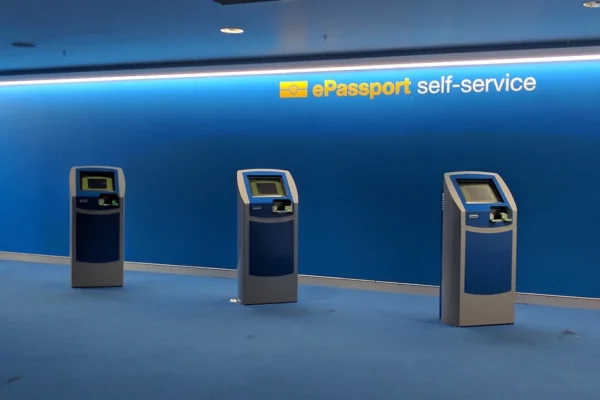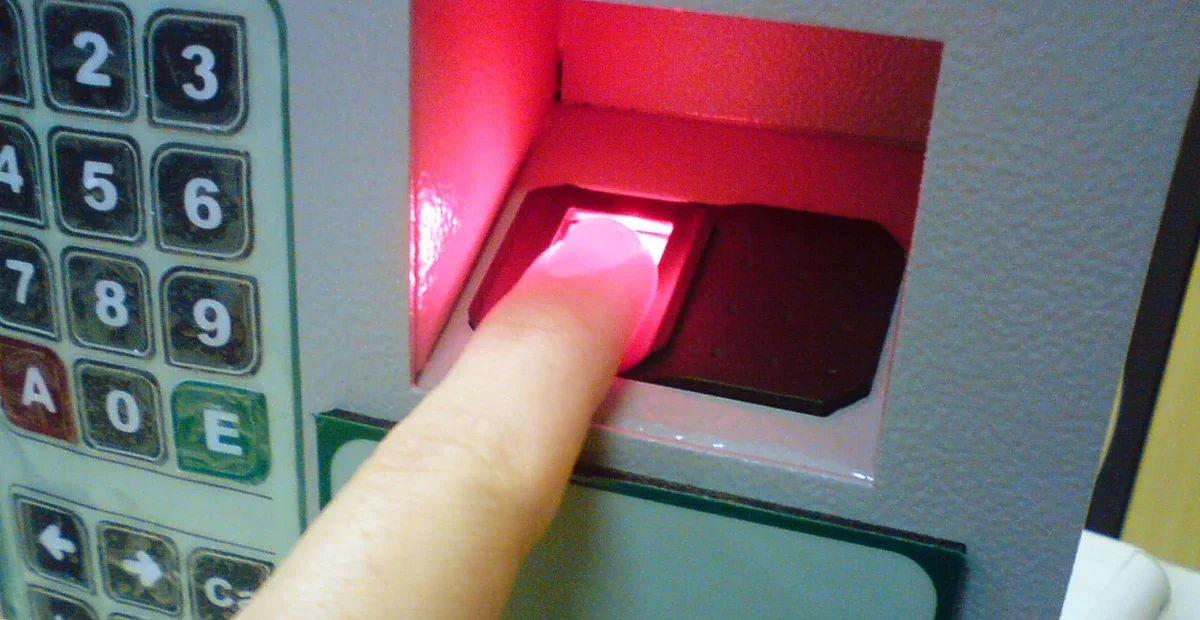
A letter from the Department of Home Affairs, rather than a visa category alone, determines an applicant’s next step under the Australia visa biometrics expansion in India. New applications lodged from 26 October 2026 may require fingerprints and a facial image.
The Australian High Commission in New Delhi says the expansion does not affect applications already submitted before that date. It has not announced that every Indian passport holder, wherever they live, must attend a collection centre.
For a family arranging a visit, a student preparing to start a course or a worker planning a move, the immediate task is to monitor official communications after lodging. Booking an appointment before receiving instructions can mean following a route which does not apply to the case.
Who is covered by the Australia visa biometrics expansion?
The expansion concerns new Australian visa applications lodged in India from 26 October 2026, with Home Affairs telling individual applicants whether biometrics are required.
The High Commission’s dated announcement uses conditional language. It describes an in-person collection-centre route and a digital route for eligible applicants. It does not provide a universal instruction for every applicant to arrange both.
Applications lodged before 26 October are outside this expansion. A visa already granted is not converted into a new application by the announcement. Someone with a separate, existing request from Home Affairs should follow that request rather than infer that the announcement cancels it.
The location of application matters. A report about applicants in India is not a complete statement of the requirements for an Indian citizen applying in another country. The department’s instructions for that application remain the relevant starting point.
What are biometrics used for?
Biometrics are identifying physical features, including fingerprints and a facial image, used to help establish identity.
Home Affairs’ biometrics guidance says the department will tell an applicant which identifiers are required. It describes identity-fraud protection and border security as reasons for collecting them.
The guidance also explains that information may be checked with Australian or international agencies to verify identity, criminal history or immigration history. That is an official description of the purpose and handling of the information, not evidence that an individual applicant is suspected of wrongdoing.
Is a biometrics request a visa decision?
No. It is a request to complete an identity-related requirement. Providing the requested information does not itself grant a visa, guarantee a decision date or establish that every other requirement has been satisfied.
The High Commission says processing times are not expected to be affected if applicants complete the requirement promptly. That expectation is not a guarantee for a particular application. A missing response, another outstanding document or a separate assessment can still matter to the case.
When can an applicant use the Australian Immi App?
The app route depends on eligibility and the instructions in the requirement letter.
The department’s Australian Immi App page requires a valid passport and a biometrics letter with a Visa Lodgement Number, or VLN, beginning with AUI. If the number does not begin with AUI, the page directs the applicant to an Australian Biometrics Collection Centre.
India is included in the app’s supported-country list. The High Commission says eligible people who previously provided biometrics at a collection centre and hold a valid passport may be able to use the app without charge. A previous visa application alone is not the same as confirmed app eligibility.
The app sends passport information and a live facial image. It does not turn a phone into a fingerprint scanner. People should therefore not assume that taking a selfie in an unrelated application completes a request for fingerprints.
| Situation | Appropriate next check |
|---|---|
| No requirement letter received | Monitor official communications; do not assume an appointment is required |
| Letter has a VLN beginning AUI | Check the app eligibility and instructions against the current official page |
| VLN does not begin AUI | Follow the direction to attend a collection centre |
| Several family members applying | Check each person’s letter and VLN separately |
| Information successfully submitted through the authorised app | Retain confirmation and follow any further Home Affairs instructions |
How does the app identity check work?
The published process moves from the requirement letter to passport capture, confirmation, a live photo and submission.
Home Affairs lists five stages: provide the VLN, scan the passport data page and chip where present, confirm the passport information, take the applicant photo and submit the identity check. Each family member has a separate VLN, so one person’s code should not be used for another.
The official instructions address glare, shadows and keeping the face unobstructed. They also explain that passports without a chip do not require the chip-reading step. A person should follow the app’s prompts and the current guidance rather than assume that every passport has identical technical features.
After a successful submission, the app provides confirmation. Home Affairs says ImmiAccount will be updated within 24 hours. That is an update to the identity-check record, not a promise that a visa will be granted within a day.
If the process cannot be completed, the requirement letter explains the collection-centre alternative. An applicant should not keep submitting inconsistent identity details in an attempt to overcome a technical problem.
What should someone attending a collection centre prepare?
Use the department’s request and the authorised provider’s booking instructions, including the deadline in the individual letter.
The department says collection centres charge a service fee. The amount and payment arrangements should be checked through the authorised booking channel. A social-media price, a general visa fee or an optional courier charge is not automatically the biometrics service fee.
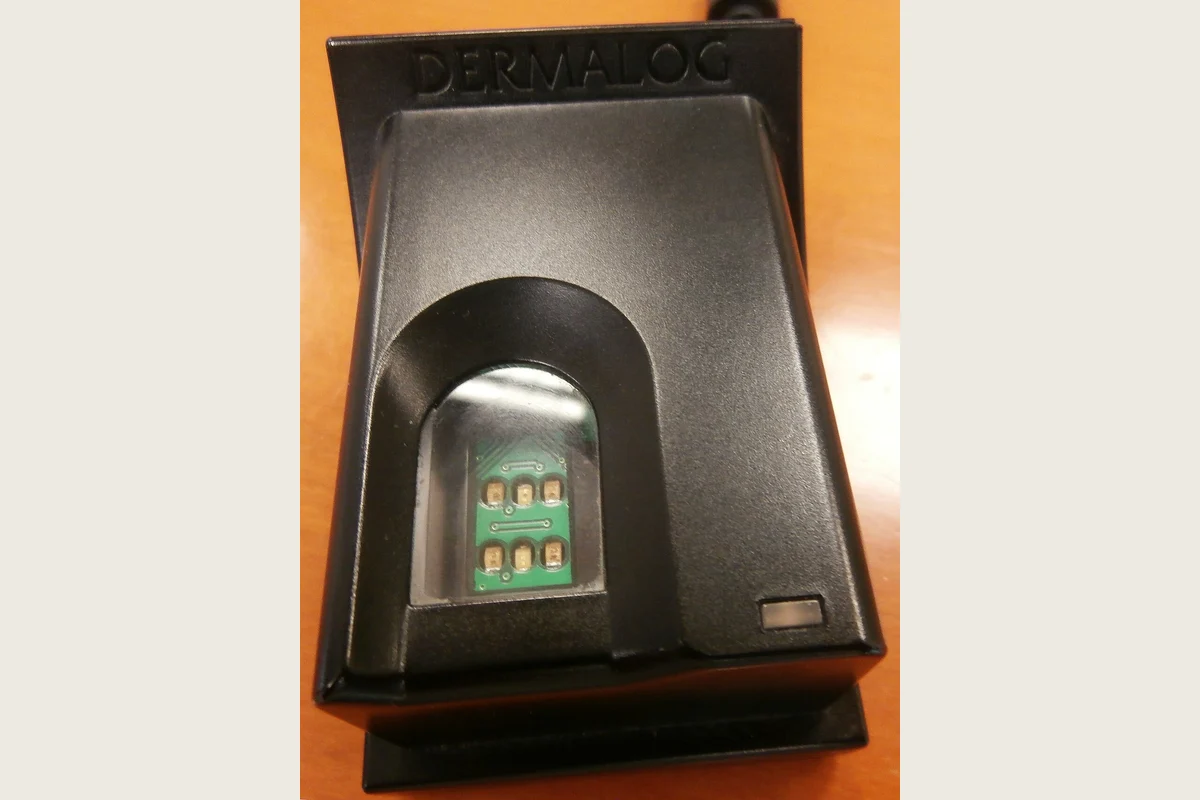
Bring the valid travel document linked to the application and the documents required by the request. The department’s guidance says centre staff take a facial image and scan fingertips, subject to the relevant circumstances. Its instructions cover people with missing fingers, temporary injuries and hand decoration such as mehndi.
The guidance also provides for a parent or guardian to accompany a minor under the law of the collection country or a person unable to understand the purpose of the process. Families should check these arrangements before travelling to an appointment, rather than assume that an adult’s instructions apply unchanged to a child.
The published general guidance does not justify inventing one deadline for every Indian applicant. The date in the request letter is the operative instruction for that case. If there is a genuine obstacle, check the department’s directions for explaining it and seeking more time.
What happens to the information after submission?
The app’s handling of information and the department’s retention of biometrics are different questions.
The app page says it sends passport details and facial images to Home Affairs and does not store the data after submission. The general biometrics page says the department stores images and fingerprints in a secure database accessible to authorised departmental officers.
A statement that the app does not retain data should therefore not be rewritten as a promise that the Australian Government deletes the biometrics immediately. The department also says previously stored identifiers may be compared when a person enters Australia or applies for another visa.
Applicants can consult the department’s privacy information and the notices linked from its biometrics guidance. They should not send passport details, a VLN or facial images to an account simply because it claims to offer an appointment or a faster decision.
What should Indian applicants check before booking?
Check five things: the application date and location, the genuine request letter, the individual VLN, the authorised submission route and the stated completion deadline.
Keep those checks together with the passport details used in the application. If an authorised agent receives correspondence, arrange to receive the full letter, not only a cropped screenshot or a message saying that a fee is due.
The Guwahati visa-centre report concerns a different centre announcement. A provider’s presence in a city does not establish that every country’s biometrics service is available there. Check the Australian service specifically.
The passport-renewal guide for Australia also deals with a different process. Renewing an Indian passport and supplying identity information for an Australian visa should not be treated as interchangeable appointments.
How should families use this guidance?
Use the dated announcement to understand the expansion, then use Home Affairs’ current instructions for each application.
The position described here was checked on 29 October 2026. Recheck the department’s biometrics and Immi App pages before acting, particularly if a letter arrives later or circumstances change. For a case-specific question, use Home Affairs or a registered migration agent rather than relying on a general headline.
The next step is the one the department requests. A family should retain the submission confirmation, monitor the application for further requirements and wait for the separate visa decision before treating the identity check as permission to travel.