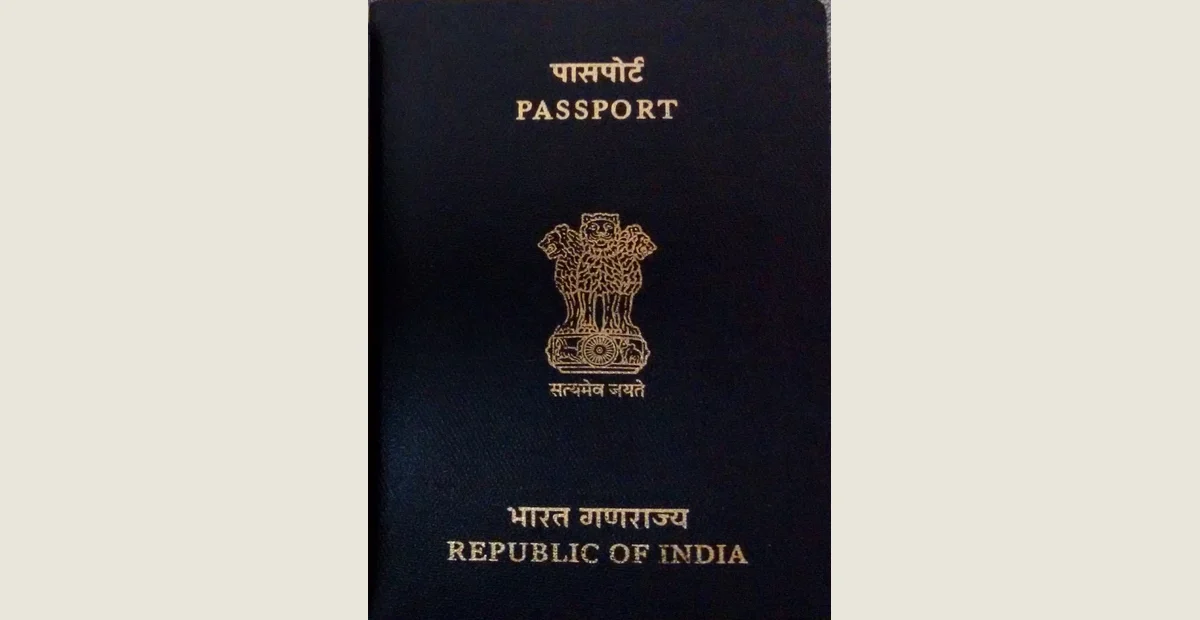
An ordinary 36-page adult passport carries a normal government fee of US$125 for an application abroad, compared with ₹2,500 in India under the revised official schedule. The passport fee hike remained in place after the Delhi High Court dismissed a challenge on 28 October 2026.
Pravasi Legal Cell had challenged the burden on overseas Indians, particularly lower-paid workers in Gulf countries. The court declined to interfere, treating the fixing of passport-processing and renewal charges as a matter of government policy and finding no basis for the relief sought.
The ruling does not introduce a new increase on 28 October. The Passports (Amendment) Rules, 2026 took effect on 1 July. The court proceedings concern that existing revision and the government’s response to representations against it.
What did the court decide about the passport fee hike?
The court dismissed the public interest litigation rather than ordering a reduction or a separate concession for the workers covered by the plea.
The bench comprised Acting Chief Justice Nitin Wasudeo Sambre and Justice Sanjay Sharma. It considered the argument that an increase of around 67 per cent after 14 years was unreasonable, and declined to interfere with the government’s decision.
The petitioner sought relief for overseas applicants on grounds including the disparity with domestic charges and the impact on people earning modest wages. The bench questioned the legal basis for directing a different arrangement and the practical means of certifying a worker’s economic circumstances abroad.
The distinction is between rejecting this challenge and declaring that every overseas household can easily afford the fee. The court’s refusal to order relief does not answer a family’s individual budgeting problem. It means the existing charges were not displaced by this petition.
No reduction or new concession emerged from the outcome reported at the hearing. Applicants should therefore check the fee applicable to their service rather than defer payment on the assumption that the proceedings have changed it.
What did the petitioner say about migrant workers?
Pravasi Legal Cell argued that the higher overseas charge falls heavily on lower-income Indian workers, especially in Gulf countries.
The examples discussed in court included mechanics, plumbers and construction workers. The petitioner contrasted an overseas cost of roughly ₹11,900 with the ₹2,500 domestic fee, and said renewals and applications involving family members could increase the household burden.
That rupee figure was an argument presented in the proceedings. It should not be displayed as a fixed official charge payable by every Indian applicant overseas. The statutory schedule gives the overseas fee in dollars, while individual missions publish the amount and payment arrangements applicable locally.
The petitioner also questioned whether the Ministry of External Affairs’ Office Memorandum of 10 August 2026 adequately addressed the disparity. The dispute followed an earlier approach to the court, which had directed the ministry to consider the organisation’s representation.
The court’s response concerned both policy-making and the proposed relief. It asked how economic status would be established and whether certification from another country could bind the Indian authorities. These questions concerned the mechanism sought, rather than a finding that the occupations named by the petitioner were well paid.
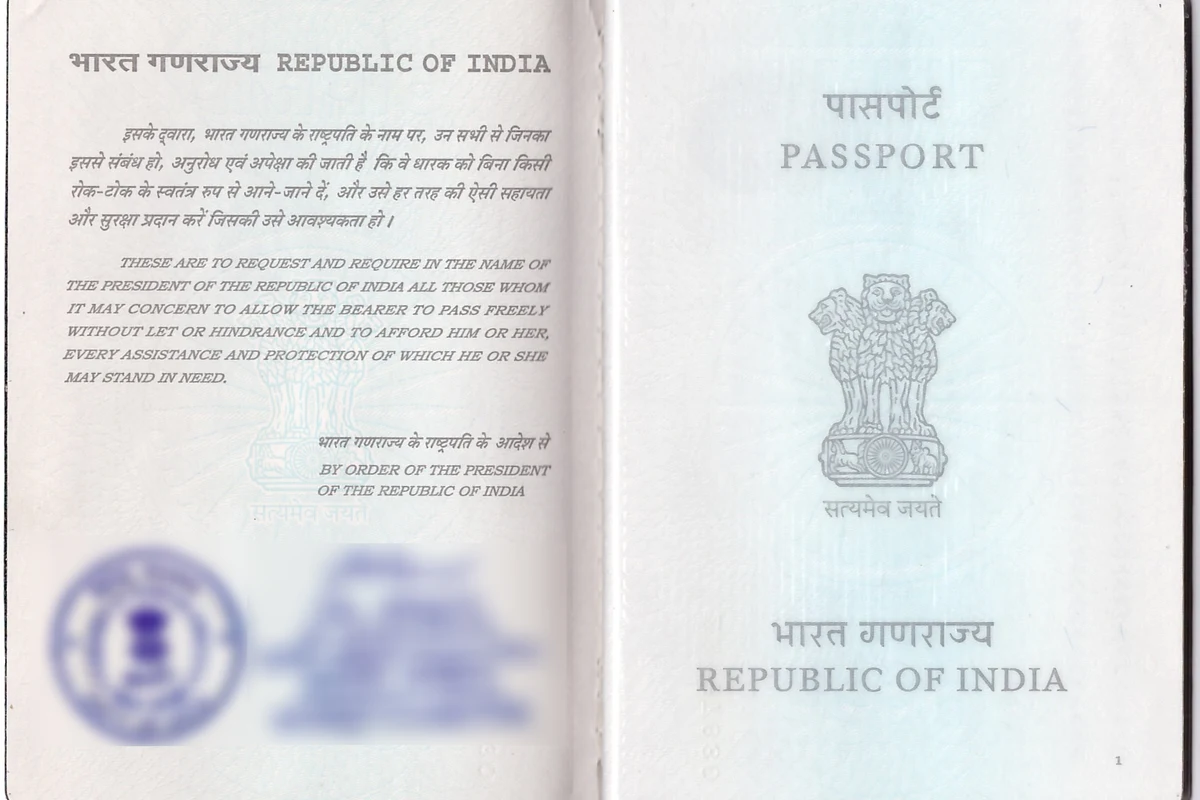
What does the official fee schedule actually show?
The schedule separates the service, the applicant’s category, the place of application and the normal or Tatkaal route.
G.S.R. 516(E), dated 20 June 2026 and published in the Gazette on 25 June, replaced Schedule IV of the Passport Rules, 1980. It expressly set 1 July 2026 as the commencement date. The Passport Seva notifications page links the revision and advises applicants to check the new charges before paying.
The following are selected statutory government fees. They are not a complete list of every passport or travel-document service, and they do not represent a local mission’s final bill with all other applicable items included.
| Application category | Normal fee in India | Normal fee abroad | Tatkaal abroad, including normal fee |
|---|---|---|---|
| Ordinary adult-category fresh or reissued passport, 36 pages | ₹2,500 | US$125 | US$250 |
| Ordinary adult-category fresh or reissued passport, 60 pages | ₹3,500 | US$175 | US$300 |
| Minor-category ordinary fresh or reissued passport, 36 pages | ₹1,750 | US$90 | US$215 |
| Adult-category replacement for a lost or damaged passport, 36 pages | ₹5,000 | US$250 | US$375 |
The adult category also covers minors aged 15 to 18 applying under that category, as the schedule specifies. The minor-category row should therefore not be used without checking the validity and category selected in the application.
The Tatkaal column is inclusive of the normal government fee. It is not an amount to add again to that normal fee. Whether a particular applicant can use Tatkaal and what the local provider requires are separate checks.
For a household comparing two ordinary adult 36-page applications abroad, the normal statutory component is US$250 in total: two applications at US$125 each. That does not include any separately payable local charges. If both applications instead use the listed Tatkaal category, the statutory total is US$500, not US$750. The inclusive Tatkaal figure must not be added to the normal charge a second time.
These examples use matching application categories, not an exchange-rate conversion or an estimate of a particular mission’s bill. A lost or damaged passport belongs to a different row. Before combining family costs, identify the service for each person rather than multiplying one adult fee across every application.
What is the statutory passport fee?
It is the government charge for the application category listed in Schedule IV of the Passport Rules. An overseas applicant’s total payment may also contain separately identified welfare-fund, service-provider or delivery charges. The government-fee row and the final payment total therefore need to be compared separately.
Why is the rupee comparison not a universal overseas bill?
Because the schedule specifies the overseas amount in dollars, while local collection and additional charges depend on the mission and service arrangement.
Converting US$125 into rupees produces a different number when the exchange rate changes. A rupee estimate used in a court argument should not become a permanent fee quoted to a reader in Australia, the United States, the UAE or the United Kingdom.
The useful comparison is between matching categories. An ordinary 36-page normal application should be compared with the equivalent service, rather than with a lost-passport replacement, a 60-page booklet or an urgent application. The table makes those differences visible without suggesting that the domestic and overseas processing arrangements are identical.
The Consulate General of India in San Francisco’s general passport information separately describes government fees, a VFS service charge and an Indian Community Welfare Fund contribution. That is a mission-specific example of the components, not a price list for all countries.
An applicant should obtain the current local fee table and identify each component before paying. Optional courier or other services also need to be distinguished from mandatory government charges. A larger final total does not necessarily mean the statutory passport-fee row itself has changed again.
Are any discounts listed in the revised rules?
Yes, the schedule provides a 10 per cent passport-fee discount for specified fresh applications, rather than a general discount on every renewal.
The provision covers fresh applications for minors up to eight years of age and senior citizens above 60. It expressly excludes reissue. That distinction matters for an overseas family renewing an existing passport: the applicant’s age alone does not convert a reissue into a fresh application eligible for this discount.
This existing provision should also be distinguished from the separate relief sought for economically weaker overseas workers. The court did not announce a new means-tested discount in the proceedings. Readers should not infer such a scheme from a discussion about how it might be certified.
Anyone unsure which service category applies should resolve it through the mission’s current instructions before selecting a payment amount. The terminology in the application, including fresh issue, reissue and replacement for loss or damage, affects the fee.
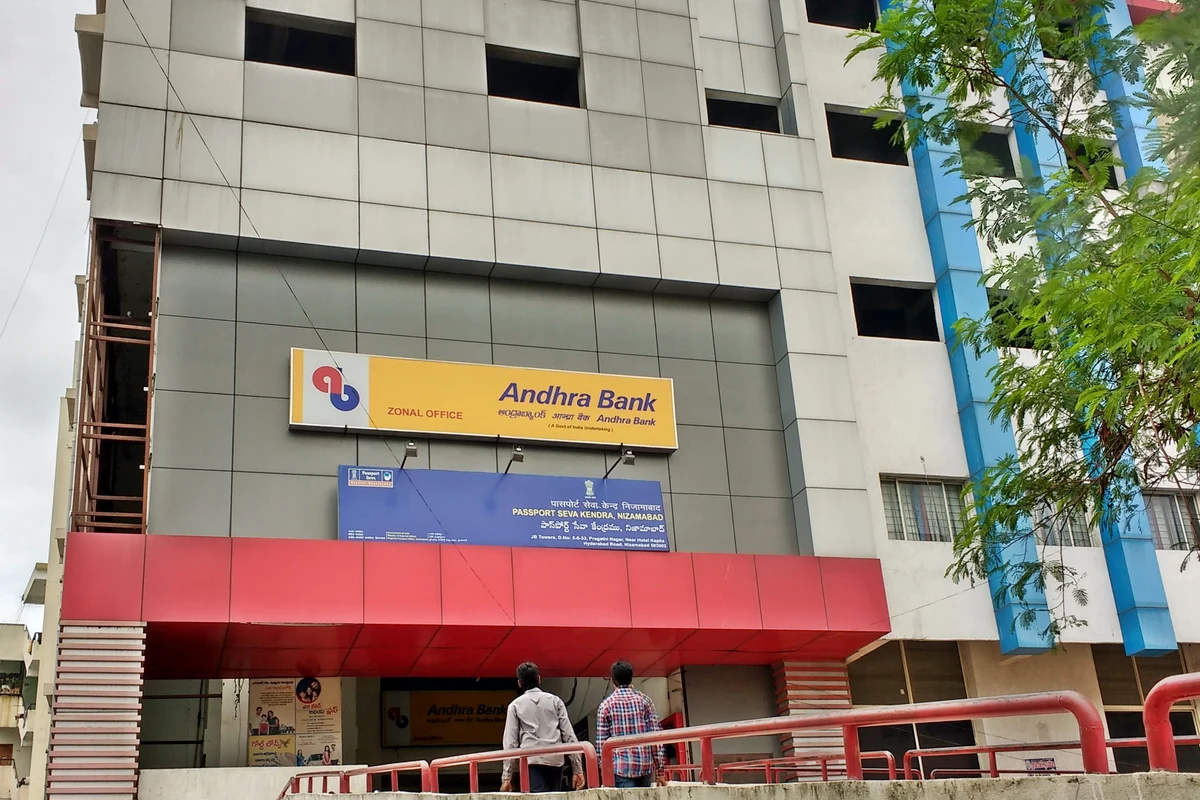
What should an overseas applicant check before paying?
Check the current mission-specific instructions, the application category and the separate components of the total payment.
First, confirm that the application is being made through the correct Indian mission and its authorised service arrangement. Use its official links to reach the application portal or provider, rather than a search advertisement promising a cheaper or faster government service.
Second, match the booklet size, normal or urgent route, age and validity category to the correct row. Record whether the application is for a fresh passport, reissue or a lost or damaged document. Keep a copy of the fee information and payment receipt relevant to that transaction.
Third, read the local instructions for the payment instrument, welfare-fund contribution, service-provider charge and delivery arrangements. Do not use a statutory dollar figure as though it were automatically the exact amount to write on a local payment instrument.
The Australia passport-renewal guide covers the wider sequence for applicants there. The guide to giving power of attorney in India from abroad concerns a different consular-document process; passport and attestation fees should not be mixed together when planning several services.

What happens next after the dismissal?
The revised schedule continues to apply unless it is changed through a subsequent official decision or legal order.
The immediate practical step is to use the current official charges, not the relief requested in the unsuccessful petition. A future challenge, concession or fee revision would need its own identifiable announcement or order before applicants could rely on it.
The distinction between the court outcome, the statutory schedule and the mission’s collection instructions will remain useful. They answer three different questions: what happened to the challenge, what government fee is prescribed, and what the applicant must actually pay through the authorised local process.