Seven weeks is the study-permit estimate displayed for applications from India in the Canadian immigration department’s 14 October 2026 update. For families planning around Canada study permit decisions, the date matters: the figure is an estimate from that update, not a promise of approval seven weeks after submission.
Immigration, Refugees and Citizenship Canada’s live tool, checked on 21 October, also displayed an 11-week estimate for work permit applications made from India. Both figures were labelled as last updated on 14 October. They concern applications made outside Canada, rather than every Indian citizen applying from anywhere in the world.
The immediate consequence is a planning gap between an immigration estimate and a university’s actual arrival deadline. Students need to check both before committing to travel. Workers need the matching application category rather than a student’s timetable, and people already in Canada need the separate in-country or extension guidance.
What does the Canada study permit estimate cover?
The seven-week figure covers the outside-Canada study-permit category with India selected as the place of application. The IRCC processing-time tool warns that published times are neither a maximum nor a guarantee. A processing estimate is not an eligibility decision.
| Application category | Country selected | Displayed estimate | Update date |
|---|---|---|---|
| Study permit, outside Canada | India | 7 weeks | 14 October 2026 |
| Work permit, outside Canada | India | 11 weeks | 14 October 2026 |
These categories should not be substituted for study-permit extensions or work-permit extensions from within Canada. Selecting the right route is the first useful check, particularly for families sharing figures in messages without the original category or date attached.
What is a processing-time estimate?
It is the department’s indication of how long an application category takes to process. It does not reserve a decision date for an individual applicant, establish approval chances or replace the instructions in that person’s account.
What should you check before submitting an application?
Check the current document checklist for the application you are making, including any instructions specific to your place of application. IRCC’s study-permit document guidance identifies acceptance, identity and financial evidence, with further requirements depending on the applicant.
A university offer alone is not the complete immigration file. Where a provincial or territorial attestation letter is required, that is a separate document. Applicants studying in Quebec need to check the Quebec Acceptance Certificate requirements. Exemptions and conditions should be checked against the current official instructions rather than a checklist passed on by a previous student.
The school also has a role in confirming a post-secondary letter of acceptance. Keep the information on the application consistent with the actual course and institution. If the school asks for an action connected to verification, deal with it promptly rather than assuming that the immigration estimate means the file is already ready for a decision.
Uploading extra material into the wrong document field is not necessarily helpful. IRCC says the acceptance-letter space is for the letter itself; additional documents placed there may be disclosed to the school. Use the appropriate spaces for other evidence and retain a copy of what was submitted.
How can biometrics and document requests affect your plans?
The instructions issued for your own application determine what you need to provide and by when. IRCC’s after-application guidance advises booking biometrics promptly and explains that an incomplete application can be returned or require further documents.
For the outside-Canada study category selected in the tool, IRCC expressly excludes the time needed to give biometrics and the transit time between a visa application centre and its office. The seven-week display should therefore not be read as an all-inclusive travel timetable.
The department may request an interview, more information, a medical examination or a police certificate where applicable. These are separate steps in assessing the file. A public processing figure should not be used to disregard a request in the online account or a deadline in an official letter.
Keep access to the account even if an adviser helped prepare the application. Record the application number, keep copies of requests and check which action has actually been completed. A booking confirmation, a document upload and an approval letter show different things; one should not be described as another.
What if the decision is too late for your course?
Ask the institution about a deferral before assuming you can arrive after the permitted start date. For a pending application, IRCC says a student who defers enrolment needs the designated learning institution’s approval and an updated letter of acceptance. The updated letter must be submitted through the online account or web form.
That creates two separate conversations: one with the school about the course, and one with IRCC about the application. Keep the agreed new start date in writing. A change discussed with the school is not automatically an update to the immigration file.
The same distinction applies to practical commitments such as accommodation. Check the actual cancellation or date-change terms before paying for arrangements tied to an assumed decision day. An immigration estimate does not establish the refund policy of a landlord, airline or institution.
Do doctoral students have a different processing route?
Some doctoral students applying online from outside Canada may qualify for faster processing, but the conditions are narrower than the general study-permit category. IRCC’s doctoral processing guidance excludes undergraduate, master’s, graduate-diploma and certificate programmes from that particular route.
Eligible applicants must submit a complete file and follow the biometrics requirements. The institution must verify the acceptance letter. IRCC says it aims to process the application within two weeks after that verification, rather than promising every doctoral applicant a decision within two weeks of first opening an application.
Accompanying eligible family members must meet the stated conditions and apply together with the doctoral applicant to use the faster process. The route should not be promoted as a general priority option for all students or as a paid shortcut.
Does the 11-week work permit figure apply to everyone?
No. It is the outside-Canada work-permit estimate with India selected in the tool. It does not decide whether a particular person qualifies for an employer-specific or open permit, nor does it give someone permission to begin work while waiting.
Work permission and permanent-residence selection are also different processes. The Express Entry job-offer points changes concern a separate system. A person comparing those rules with a work-permit estimate should not treat an advantage in one process as approval in the other.
For people already in Canada, an application to extend or change status needs its own category and instructions. Do not infer continuing work or study rights from an overseas wait-time headline. Check the conditions attached to the existing permit and the rules for the application actually submitted.
What does this mean for Indian students and their families?
Use the estimate as one item in a documented plan. Keep the application route, country selection and update date together. Then compare the application stage with the school’s latest permitted arrival date, any document requests and the family’s practical commitments.
A useful planning record can be short: application submitted; account checked; requested evidence supplied; school deadline confirmed; deferral procedure understood. It should describe completed actions rather than assumptions about what a consultant, friend or institution has done.
If Canada is one option among several, compare the course, total costs and immigration conditions separately. The Australia, UK and Canada study comparison provides wider context; a shorter processing estimate alone cannot establish which destination fits a student’s plans.
What changes after the application is approved?
Approval from outside Canada normally comes with a port-of-entry letter of introduction, rather than the physical study permit itself. Keep the distinction clear when discussing what has arrived in the account. The acceptance letter comes from the institution; the introduction letter comes from the immigration process.
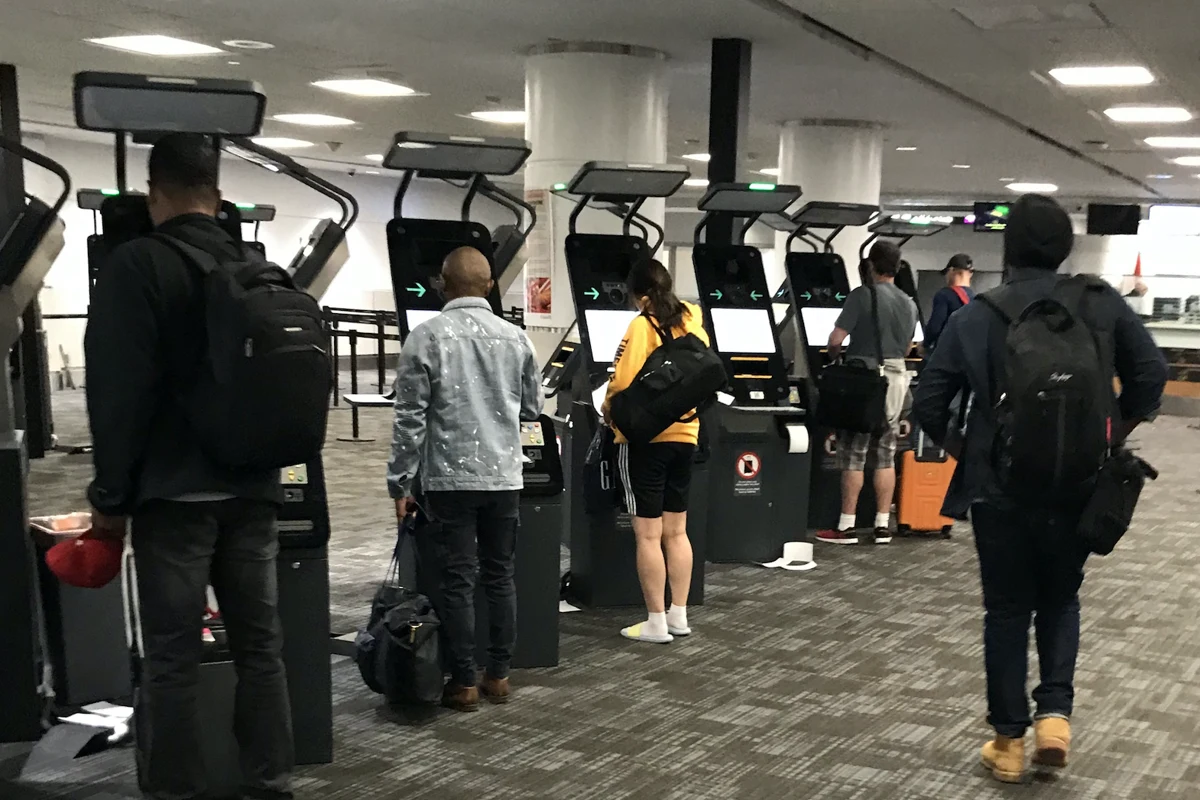
IRCC’s arrival instructions set out the documents to carry, including a valid passport, introduction letter, acceptance letter and the appropriate travel document. A border services officer checks the entry requirements. The public processing estimate does not replace that examination.
The department says there is no fixed arrival window before studies begin, but students should allow a reasonable time to prepare. They cannot begin on-campus or off-campus work before their studies start. Arriving early is therefore a separate decision from being able to earn money immediately.
If an approved student defers the same course before arrival, the institution must approve the deferral and issue an updated acceptance letter. The student also needs a valid introduction letter and must present the relevant documents on arrival. Do not confuse that process with updating a still-pending application.
What if you change institutions while waiting?
A school change can require a different immigration step from a deferral at the same institution. IRCC’s school-change guidance says applicants with a file still in progress must provide the new acceptance letter through the web form. A provincial or territorial attestation letter may also be needed.
For someone outside Canada whose application has already been approved, changing the designated learning institution requires a new study-permit application and payment of the applicable fees. That is why a student should check the immigration consequence before accepting a replacement place as a quick solution to a missed intake.
A faster admission offer and a faster immigration decision are not interchangeable. Ask the new institution for the documents it can actually provide, then follow the official process for the stage reached by your existing application. Keep both schools’ records and the immigration correspondence organised.
What should applicants watch next?
Watch the date on IRCC’s next displayed estimate and the messages in the individual application account. A later update can change the public figure without deciding a pending case. It should be checked again before publication, before submitting a new application and before making travel commitments.
For an applicant who has already filed, the department’s tool explicitly advises against sending another application simply because of the wait. Follow requests on the existing file and use the official status-checking route. A replacement application should not be treated as a queue-jumping technique.
How to use this
These figures were checked on 21 October 2026 against IRCC’s tool and were labelled 14 October 2026. Use this guide to identify the right official category and planning questions, then recheck IRCC’s current instructions and your institution’s requirements. For case-specific assistance, use IRCC or an appropriately authorised immigration representative.