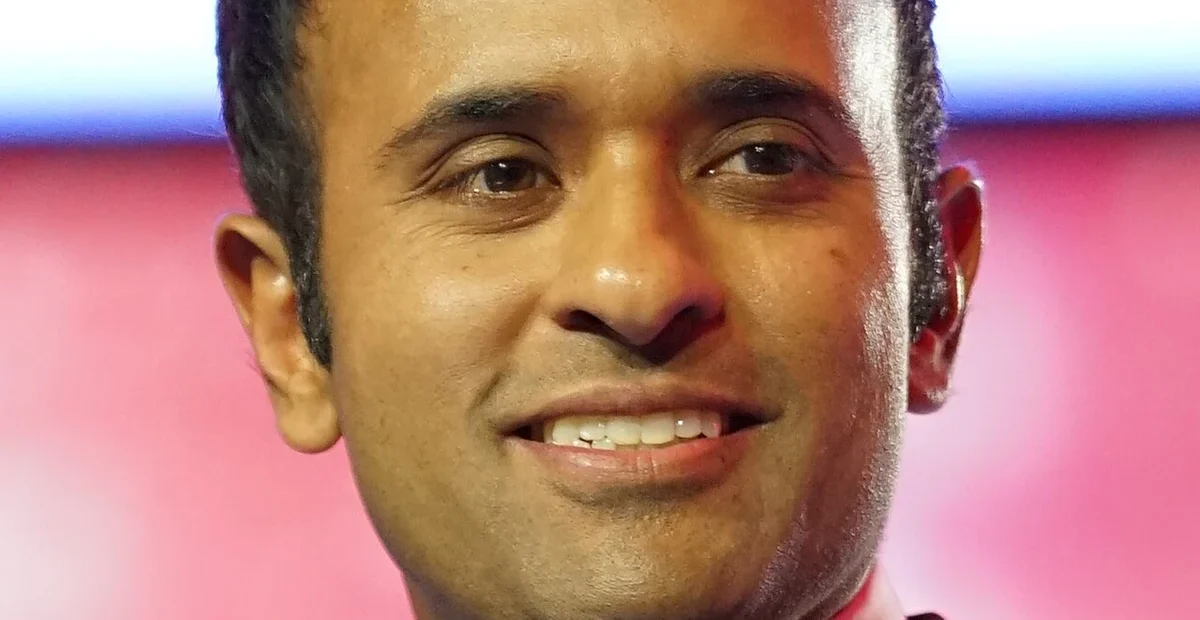
Seven percentage points separated Amy Acton and Vivek Ramaswamy among likely voters in a Marist survey released on 20 October. That finding puts a different emphasis on the Ohio governor race from an earlier report describing a narrow lead for the Indian-American Republican in another survey. Neither is a result: Ohio votes on 3 November 2026.
The Marist interviews were conducted from 15 to 18 October. Acton, the Democratic former Ohio health director, had 50 per cent support against Ramaswamy’s 43 per cent among likely voters. The likely-voter margin of sampling error was 4.5 percentage points. The poll is a dated estimate of opinion, not a prediction that Acton will win by seven points.
For readers following the prospect of another Indian-origin state governor, the distinction matters. A candidate’s heritage explains the diaspora interest in this contest; it cannot establish how Indian-American voters will vote, how many will turn out or whether identity will determine the outcome.
What does the Ohio governor race poll actually show?
The Marist poll shows Acton ahead among the likely voters interviewed, with significant uncertainty still attached to any survey of an electorate. The overall study interviewed 1,176 registered Ohio voters by live telephone, text or online contact. Its registered-voter and likely-voter estimates have different error margins and should not be confused.
| Marist measure | Acton | Ramaswamy | What it measures |
|---|---|---|---|
| Likely-voter candidate support | 50% | 43% | Stated voting preference |
| Likely voters’ expectation of who will win | 45% | 49% | Expected winner, not personal support |
That second question is a useful warning against reading every percentage as a vote intention. More respondents expected Ramaswamy to win than Acton, even though more supported Acton. The two answers describe different judgements, rather than a contradiction in the vote count.
What is a likely-voter poll?
It estimates opinion among respondents the pollster classifies as likely to vote, using its own screening and modelling. It is not a record of votes already cast, and its sample and method matter when comparing results.
Why do different polls give different answers?
Different interview periods, samples, turnout assumptions and question designs can produce different estimates. The earlier account relied on an ActiVote survey with a field period starting in September and ending in October. Its field period is not interchangeable with Marist’s four-day mid-October survey. The newer Marist result is the numerical finding used here.
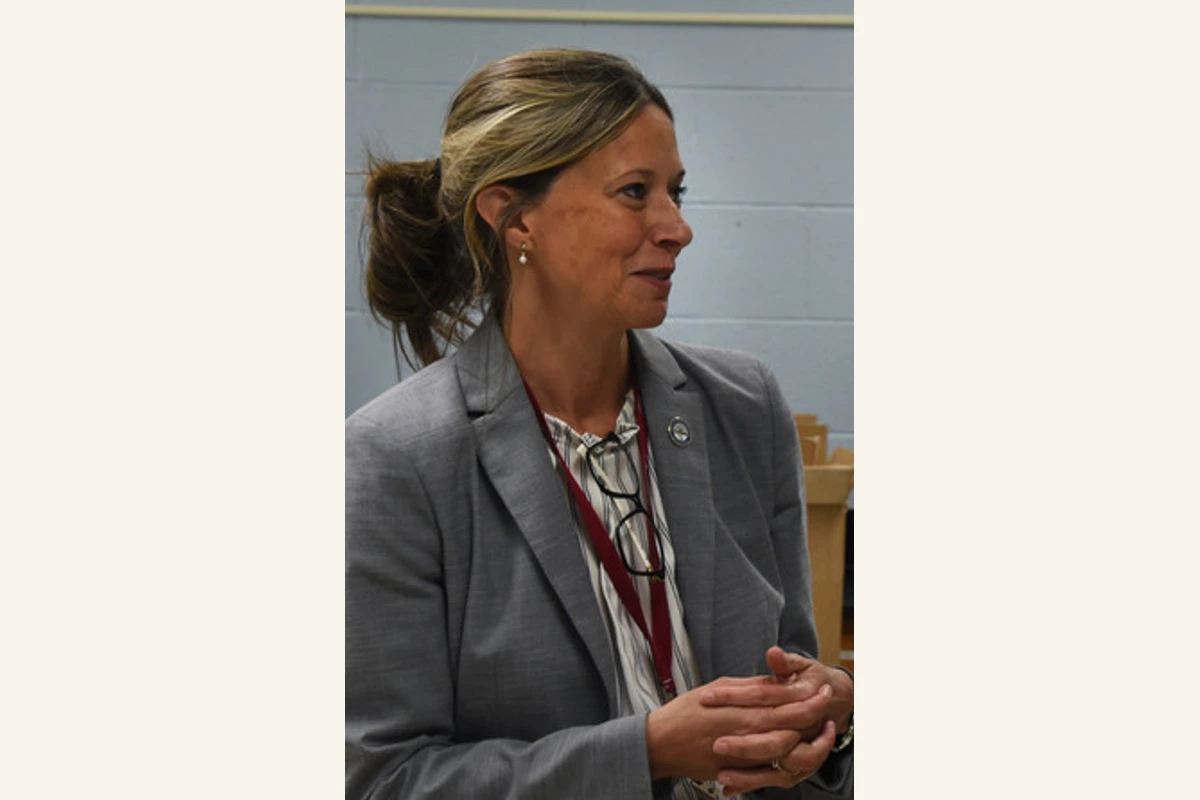
The sensible comparison starts with the original methodology and dates, rather than choosing whichever headline favours a preferred candidate. A newer publication date does not necessarily mean every respondent was interviewed more recently. Nor should a poll of registered voters be silently relabelled as a poll of likely voters.
A margin of error also does not describe every source of uncertainty. Turnout modelling, responses from people who choose to participate and changes after interviewing can affect the final comparison with an election result. Small differences between surveys are therefore not proof that a large bloc switched sides overnight.
What is Ramaswamy asking Ohio voters to support?
Ramaswamy’s published campaign plan puts tax reductions, wages and household costs at the centre of his case. His proposals include reducing property taxes and phasing out the state income tax, beginning with capital gains taxes. These are campaign commitments, not measures already enacted by virtue of his candidacy.
He also proposes changing how data-centre development benefits neighbouring households, including electricity and property-tax arrangements. Those proposals should be assessed as proposed state policy, with their implementation and funding still to be tested through the political and legislative process.
The candidate is a former biotechnology entrepreneur who sought the Republican presidential nomination before backing Donald Trump. His earlier interventions in the H-1B debate provide background to his national profile, but an Ohio governorship is a state office, distinct from federal immigration administration.
What is Acton’s case to voters?
Acton presents her candidacy around affordability and her record as a physician and former state health director. Her campaign’s issues page is the appropriate starting point for checking the Democratic candidate’s own proposals rather than relying on an opponent’s description of them.
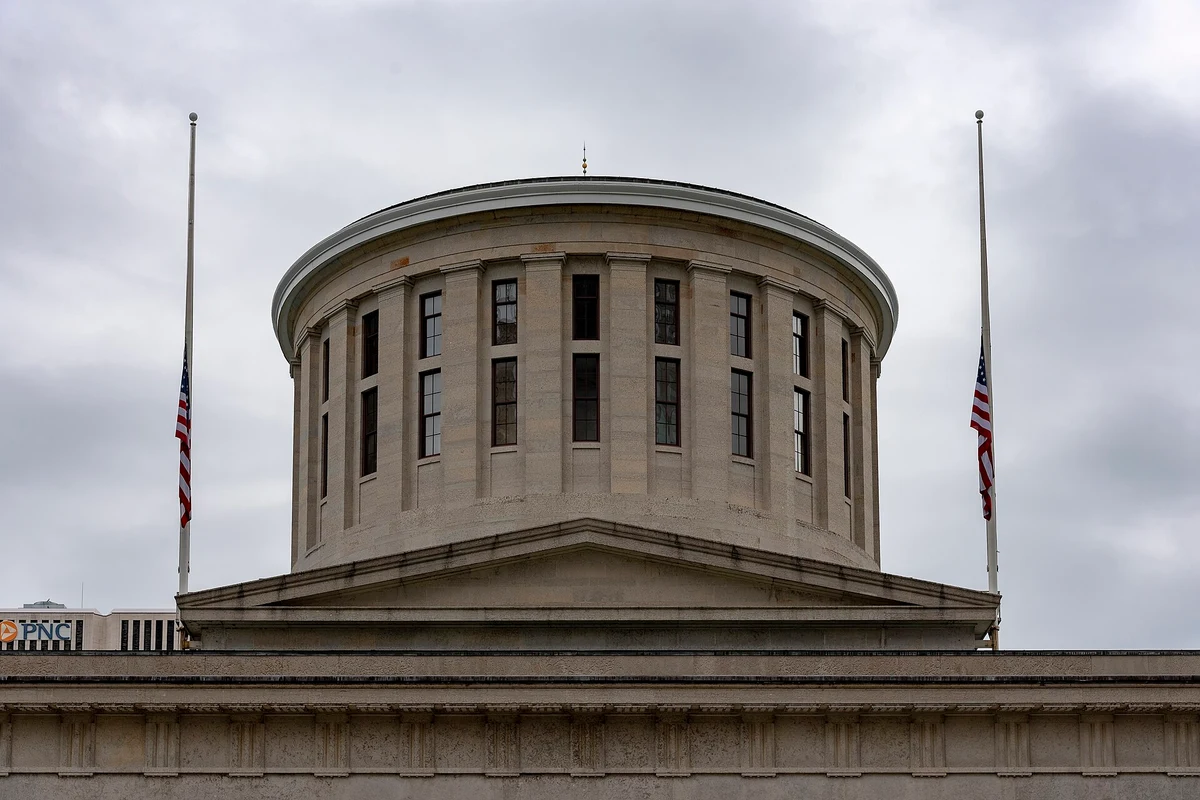
Household costs are more than a campaign slogan in the survey findings. Marist reported that 44 per cent of likely voters said their family finances had worsened over the previous year. That is a measure of respondents’ perceptions, not an official finding that every household’s real income fell by the same amount.
The two campaigns’ promises need the same scrutiny: what a governor can do, what requires lawmakers’ approval and how proposals would be paid for. A favourable poll does not validate a policy’s claimed savings, just as a weak poll does not by itself disprove them.
What should Indian-American readers avoid assuming?
Do not treat a candidate’s Indian ancestry as evidence of a single diaspora political position. Indian-American residents, citizens and voters are overlapping but different groups. Eligibility to vote depends on citizenship and the applicable election rules, not on cultural identification or interest in the candidate.
The contest also should not be turned into a referendum on an entire community. Ramaswamy is seeking an office held accountable to Ohio’s electorate. His opponents and supporters can be assessed through their stated arguments without claiming that either side speaks for all Indians abroad.
For wider reporting on the community, the Indian diaspora coverage provides context beyond one election. That broader perspective is useful when a national political figure’s campaign attracts attention out of proportion to the daily concerns of families, students and workers.
What should eligible voters check now?
Eligible voters should check their own county election board’s voting information and their registration details. The Franklin County Board of Elections lists early voting for the 3 November election, with the final early-voting day on 1 November and 27 October as the last day to request an absentee ballot.
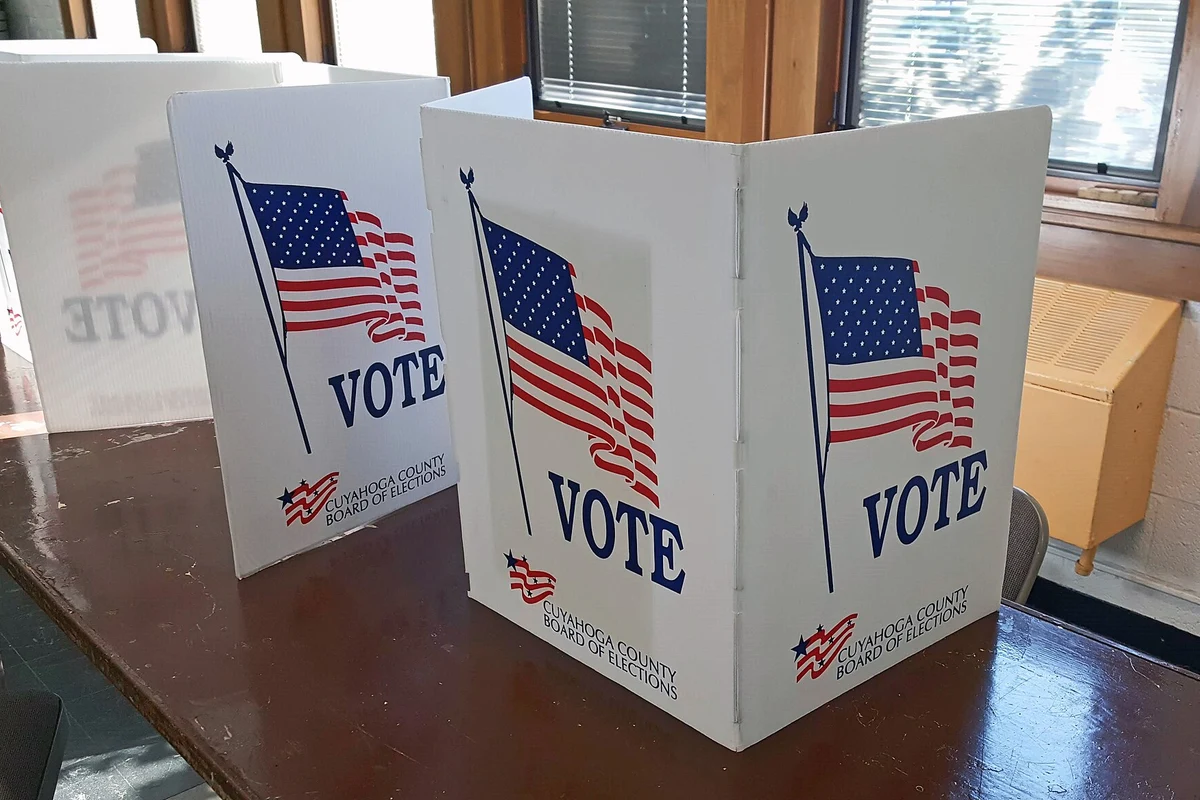
The board says absentee ballots must be received by 7.30pm on election day. Voters should check the official rules for their own circumstances, especially military or overseas arrangements, rather than assuming a social-media post covers every category.
What identification do voters need at the polls?
Ohio’s election authority requires a valid, unexpired form of accepted photo identification for in-person voting. Its voter identification guidance lists Ohio driving licences and state identification, US passports or passport cards, and specified military and veterans’ identification. A utility bill or bank statement does not become an accepted photo ID merely because it carries a current address.
The guidance also excludes a driving licence or photo ID issued by another state and Ohio Mobile ID. Someone who has moved, changed their name or relies on a digital document should check the precise requirements before attending. For a voter without accepted identification, the authority describes a provisional-ballot process and a four-day period after election day to present acceptable ID to the board office.
A provisional ballot is not an assurance that every unresolved identification issue can be ignored. It is a procedure requiring follow-up under the applicable rules. An eligible voter should ask election staff what must be supplied and by when, rather than leave assuming that casting any paper automatically completes the process.
Can an Ohio voter living abroad take part?
Military and overseas citizens have a separate absentee-voting framework. The Ohio Secretary of State’s election guidance explains the Federal Post Card Application and the arrangements for obtaining an absentee ballot from abroad. This is particularly relevant to US citizens following the contest while temporarily living or working outside the country.
The application, receipt of a blank ballot and return of a completed ballot are separate steps. A voter needs the official instructions for their category and county, including how the ballot must be returned. The ordinary domestic deadline should not be copied into an overseas voter’s plan without checking the rules that apply to that ballot.
These arrangements concern eligible US citizens with an Ohio voting connection. They do not give an Indian citizen studying or working in Ohio the right to vote in a US election. Conversely, an eligible US citizen does not lose interest in state decisions merely because a job or family commitment currently takes them abroad.
How should readers distinguish policy from campaign claims?
Both candidates’ proposals describe what they want to achieve, while implementation depends on the powers of the office and the state’s institutions. A promise to change a tax is different from an enacted tax change with an operative date. Readers assessing household costs should look for the mechanism, who qualifies and what must happen before any promised saving reaches a bill.
Ramaswamy’s income-tax and property-tax proposals and Acton’s affordability programme therefore need to be read as competing plans. Neither candidate’s website is an independent audit of the other’s record. The same standard applies to an advertisement, a campaign interview and a supporters’ social-media post: distinguish the proposal itself from claims about its likely consequences.
For the polling, keep the sample population and question attached to each number. Candidate preference, expected winner and assessment of family finances answer different questions. Combining them into a single narrative of certainty would conceal the very uncertainty that voters and campaigns are still confronting before 3 November.
What happens next?
Campaigning continues towards 3 November, and later surveys may change the picture. The next meaningful polling update should identify its field dates and population before being described as a swing. The outcome will be determined through voting and the official count, not a prediction-market price or a candidate’s share in a single survey.