
You can manage an everyday conversation in English and still need help discussing a diagnosis, a benefit decision or a legal document. Interpreter services in New Zealand are intended to make communication possible at the point a public service is delivered, not to test whether someone speaks any English at all.
For a family using Hindi, Punjabi, Tamil, Gujarati or another language, the useful first step is to name the language needed for the actual conversation. Do not assume that Indian nationality identifies a language, or that a relative’s preferred language is the same as yours.
The Ministry for Ethnic Communities’ instructions say callers to government agencies can request a professional interpreter free of charge. Health appointments have additional questions about the service, eligibility and booking arrangements. The guidance below was checked on 23 October 2026.
How do you ask for interpreter services?
Tell the agency that you need an interpreter and state the English name of the language you want to use.
For a telephone call, prepare a short request such as: ‘I need an interpreter in Punjabi.’ This is suggested wording for your own call, not a quotation from a patient. If you use a particular dialect or need a different language for written information, explain that as well.
The ministry says to remain on the line while the agency arranges support. Some languages may require advance booking. A wait does not necessarily mean that the request has been refused. Ask what happens if nobody is available immediately, including whether the agency will arrange a return call.
Have the agency name, your reference number and the reason for contacting it ready. You do not need to begin explaining a complicated case before the interpreter joins. Ask staff to repeat important information once language support is in place.
Should an interpreter be booked before an appointment?
Yes, request one as soon as you know about a face-to-face or video appointment.
Tell the booking team the appointment date, service, language and any access needs. Ask whether interpreting will be in person, by telephone or on video. Give a safe contact method for confirmation and ask staff to record the requirement for later appointments where appropriate.
The ministry’s language-support factsheet specifically advises contacting the agency beforehand for face-to-face or video meetings. Do not assume a request made to one office automatically reaches a specialist clinic, a different agency or a later booking.
Before the day, confirm that an interpreter has actually been arranged. If a letter says only that your appointment is confirmed, ask separately about language support. If the time changes, ask whether the interpreter booking has changed too.
For a remote appointment, check how you will join and what to do if the call drops. Test your own device where possible, but avoid sending private case documents through an unfamiliar link merely because it arrives shortly before the meeting.

Is language support always free?
Free government interpreting and healthcare interpreting should be checked through the particular service; a private interpreter is a different arrangement.
The Ministry for Ethnic Communities describes free professional interpreting for access to government agencies. Immigration New Zealand’s settlement guidance also points newcomers to Language Assistance Services for participating agencies.
For health appointments, ask the practice or hospital to explain the applicable service and funding. Do not assume that a GP consultation, a private specialist appointment, document translation and a government telephone call share the same charging rules.
Healthify’s interpreter guide distinguishes publicly funded health interpreting from private services. It says most public health services provide free interpreting where the person is eligible for publicly funded healthcare. Check with the provider rather than treating a language-support request as proof that the underlying treatment is free.
If somebody proposes a fee, ask what service it covers, who is charging and whether a funded option is available. Clarify this before booking a private professional, especially if you expect an agency to reimburse you.
What is the difference between interpreting and translation?
Interpreting supports a conversation across languages, including spoken or signed communication. Translation deals with written material. Booking somebody to interpret an appointment does not automatically provide a translated letter, certified document or written version of everything discussed.
What rights apply in a health appointment?
New Zealand’s health Code protects effective communication and, where necessary and reasonably practicable, access to a competent interpreter.
The Health and Disability Commissioner’s Code sets this out in Right 5. The wording matters: it is not an unconditional promise that an in-person interpreter in every language will be immediately available in every setting.
The Code also supports informed choices about care and the ability to ask questions. If you do not understand a proposed procedure, medicine or follow-up plan, say so before agreeing. Ask the professional to explain again through the interpreter and to distinguish the available options.
Ask for a written summary when it will help, and explain whether you can read it in English. A summary is useful evidence of the plan, but it does not replace an explanation you can understand. Check who to contact if you later realise that an instruction is unclear.
If the service cannot arrange the requested format, ask what alternative will enable communication safely. This may involve a different appointment format or timing. Urgent medical decisions need the clinical team’s judgement; do not delay seeking necessary help while trying to organise your own interpreter.

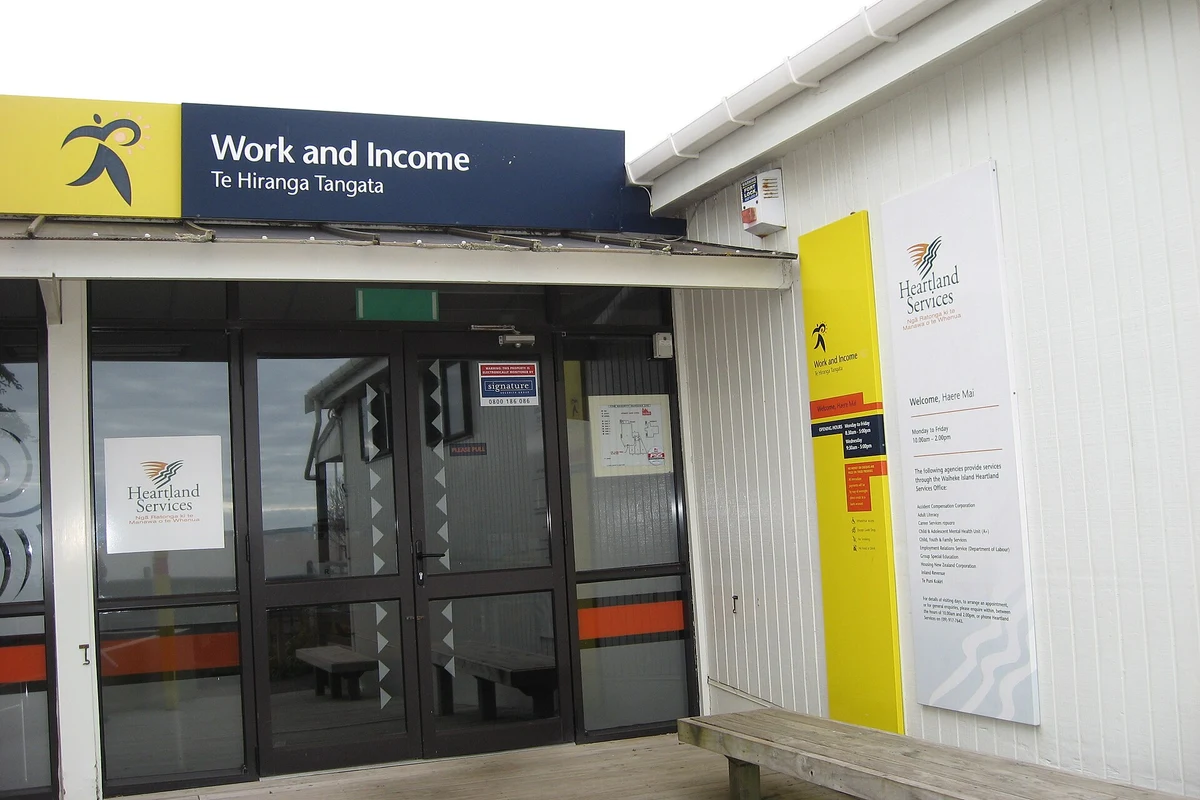
(Original text: Uploader.) / Wikimedia Commons, Public domain. Cropped and converted to WebP.
Can a relative interpret instead?
A relative can be a support person, but that is a different role from a competent professional interpreter.
Healthify advises against relying on someone you know to interpret health conversations. A confident English speaker may still misunderstand medical terminology, leave out embarrassing information or find it difficult to relay distressing news to a family member.
Explain whether you want your relative present for support while an interpreter handles the conversation. Ask for privacy if a topic is sensitive. A family member’s wish to help should not prevent you from speaking directly to the professional or asking questions independently.
For children, avoid making a child responsible for conveying a parent’s complicated health or official information. Ask the service for professional support. The child’s familiarity with school English is not a substitute for the adult roles involved in the appointment.
If you have concerns about confidentiality or know the proposed interpreter socially, tell the provider before the discussion begins. Ask whether another interpreter or a remote arrangement is possible. Do not assume a request for a particular gender or dialect can always be met, but make the need clear early.
What should you check for each kind of meeting?
Confirm the booking, the service being provided and any separate written-language needs.
| Situation | What to ask for | What to confirm |
|---|---|---|
| Calling a government agency | Professional interpreter in the named language | Stay on the line; ask about a booked return call if unavailable |
| Hospital or GP appointment | Provider-arranged language support | Eligibility, funding, format and confirmation of the booking |
| Private consultation | Available interpreting arrangements | Who pays and whether an alternative funded service applies |
| A letter or official document | Translation or an explanation, as appropriate | Whether certification or a separate translation booking is needed |
Write these details next to the appointment in your own records. If you are helping a parent, ask them which language makes detailed discussion easiest rather than choosing from the languages you speak yourself.
Indian ethnicity does not establish a person’s interpreting needs. Stats NZ’s Indian ethnic-group summary records substantial multilingualism in the 2023 Census. Those historical census results describe a population, not an individual’s ability to understand a particular medical conversation.
What does this mean for your next conversation?
Prepare the questions you need answered and let the interpreter help you communicate them directly to the person providing the service.
List the decision, deadline or treatment instruction that matters. Bring the relevant appointment letter and reference numbers. Tell the professional if the interpreter uses an unfamiliar dialect, if the sound is poor or if answers do not seem to cover what you asked.
Speak in manageable sections and leave time for interpretation. Ask the professional to explain specialist words. Before the meeting ends, confirm the next action, who is responsible and how you will receive any further information.
For families helping children keep their languages, language preference should be treated as useful information rather than a problem to conceal. The discussion of how diaspora languages are recorded provides wider context. Healthcare systems differ by country; the England GP-registration guide should not be used as a substitute for New Zealand rules.
What happens if suitable support is not provided?
Raise the communication difficulty with the service first, record the response and ask for its complaints process.
For a health or disability service, the Health and Disability Commissioner’s rights and concerns guidance explains that you can complain and seek help. Describe the language requested, when you asked, what was offered and how the difficulty affected your understanding.
For another government agency, use its own complaints channel and ask how the unresolved language need will be addressed. Keep the appointment date and request history. The next useful result is a workable communication plan for your case, not simply a note saying an interpreter was requested.