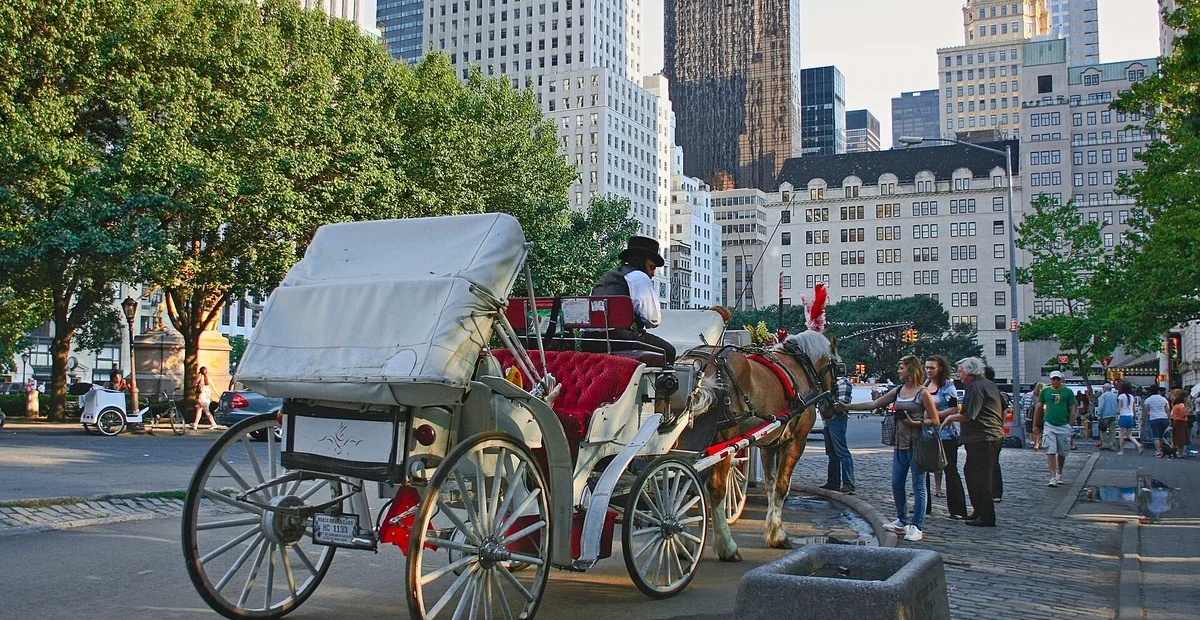
Forty New York City Council members voted on 22 October to phase out horse-drawn carriages by 1 June 2028, passing the carriage ban named Romanch’s Law after years of failed attempts to end the industry. The bill is named for Romanch Mahajan, an 18-year-old visitor from India who died following a runaway-carriage incident in Central Park in June.
The Council vote is a decisive legislative step, but it should not be confused with rides ending immediately. Mayor Zohran Mamdani’s office has said he will sign the bill. Confirmation that he had completed that step was not available in the records checked for this report on 23 October.
The measure pairs a phase-out with worker-transition and horse-welfare provisions. Drivers and their union argue that the promises do not amount to guaranteed replacement income or compensation for businesses. That disagreement will shape the implementation as well as any legal challenge.
What did the Council approve in Romanch’s Law?
The Council approved a timetable for ending the horse-drawn carriage industry, with operations to cease by June 2028 and measures intended to support workers and protect the animals during the transition.
The Council’s announcement names Christopher Marte as the bill’s sponsor and records 40 votes in favour. Speaker Julie Menin supported the measure, becoming the first sitting speaker to back a ban, according to the Council.
The vote follows an extended argument about whether an attraction associated with the city’s history can operate safely in a busy modern park and street network. Supporters frame the phase-out as a response to risks to passengers, horses and other park users. Opponents see the loss of a livelihood and an established business under a plan they say is insufficiently concrete.
Those are different claims, both of which matter. A vote can settle whether a council supports a bill without settling whether the transition will be fair, adequately funded or legally unchallenged.
What does a phase-out mean?
It sets a future end point for an activity rather than stopping it on the day of a vote. The dates, licensing rules and transition duties in the final measure determine what changes before that end point.
Why is the bill named for Romanch Mahajan?
It commemorates the Indian teenager whose death renewed the campaign to end the rides. His family has publicly supported a ban and appeared before city lawmakers during the debate.
The Council describes Mahajan as having been thrown from a runaway carriage. Accounts of the incident differ in how they describe his movement from the vehicle, so the precise sequence is not asserted here. The established fact for this legislative report is that he died after the June incident and his death became central to the renewed push.
The family’s position gives the story a direct Indian connection. It does not justify treating every Indian resident or visitor as supporting the same policy. The report concerns a named young visitor, his relatives’ advocacy and the response of a city government.
The earlier report on Romanch’s Law covered the proposal before this vote. The development now is that the full Council has approved the phase-out, rather than merely discussed whether to pursue one.
When would the rides end?
The stated end date is 1 June 2028. Other steps in the transition have earlier deadlines, and the legal status of the bill must be kept separate from the operating deadline.
| Stage | Date or status checked on 23 October 2026 | Meaning |
|---|---|---|
| Full Council vote | Passed on 22 October 2026 | Council approval completed |
| Mayoral consideration | Signature expected; not independently confirmed | Adoption process still needs checking |
| Horse-owner certification | No later than 1 June 2027 in the Council’s account | Owners must certify restrictions on inhumane disposal and specified transfers |
| End of carriage operations | 1 June 2028 | Future phase-out date, not an immediate closure |
The Council’s explanation of its legislative process says a mayor has 30 days after presentation to sign, veto or take no action on a bill. It also explains how a bill can become law without a signature and how a veto can be overridden.
Those general rules do not establish that a particular event has already happened. A reader planning a visit should look for the final enactment record and any subsequent official implementation notice, rather than infer them from the word “passes” in a headline.
What support is promised to drivers and business owners?
The bill requires a workforce transition programme, while the Council says the administration will also consider compensation. Considering compensation is different from guaranteeing an amount to every affected person.
The Council lists employment referrals, career counselling, hiring fairs and educational opportunities among the intended forms of support. It also describes a working group involving the speaker’s office, the administration and labour representatives to address the transition.
For a driver, the practical question is what a programme will offer and when it will be available. For an owner, there is also the question of equipment, licences and the business built around them. A referral can be useful without replacing the value of a business or ensuring a job with equivalent earnings.
The distinction explains why descriptions of the measure can sound so far apart. Supporters point to a binding requirement for the city to act. Opponents ask whether the actual provision gives a worker enough certainty to plan for rent, household expenses and the ongoing care of a horse.
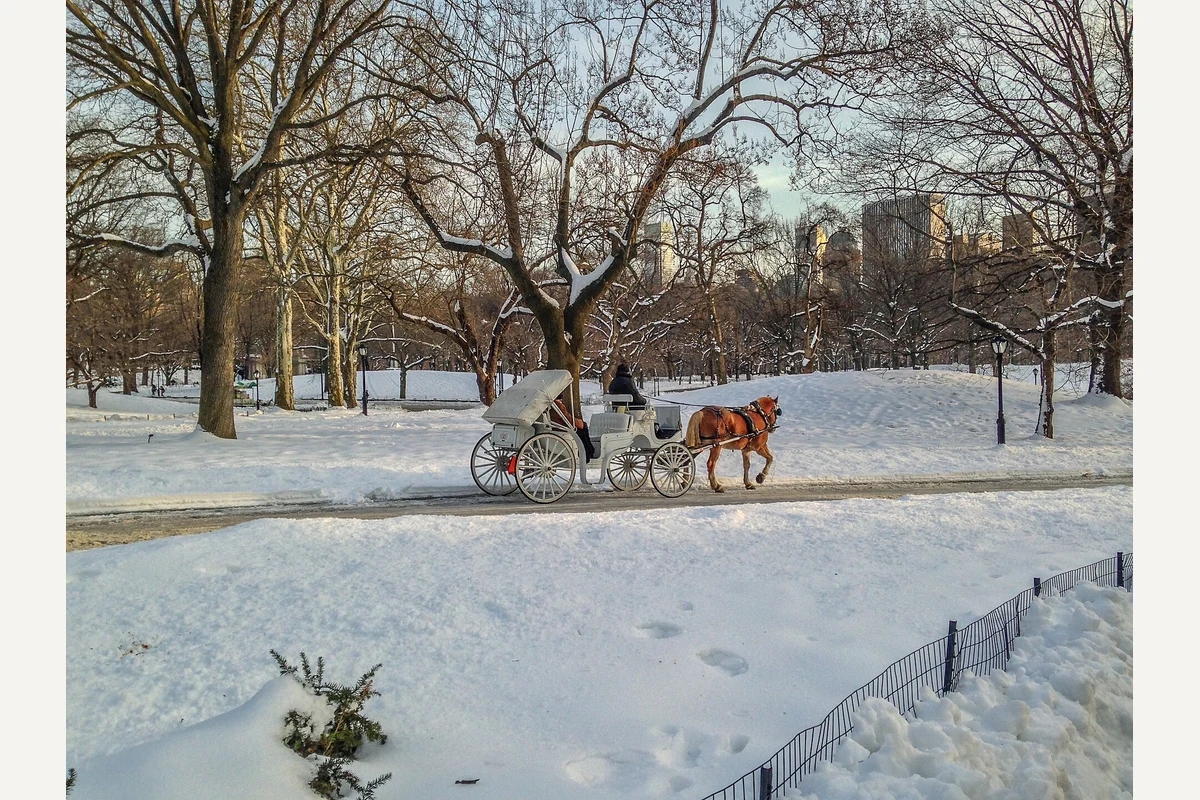
Why does the drivers’ union oppose the carriage ban?
Transport Workers Union Local 100 says the bill fails to guarantee jobs or financial compensation and threatens the property and livelihoods of carriage owners and drivers.
In an official statement dated 21 October, the union said it had informed the city’s corporation counsel that it would challenge the measure in federal court if it passed. It argued that the proposed treatment of medallions and other property raised constitutional and due-process issues.
Those are the union’s legal arguments, not findings by a court. A threat to seek a temporary restraining order is also different from an order being issued. No claim is made here that a court has blocked the Council’s measure.
The city’s Law Department has said it regards the legislation as grounded in law and would defend it. The dispute therefore extends beyond whether the public prefers carriages: it concerns the authority to end the industry and the obligations owed to the people whose businesses would be affected.
What happens to the horses?
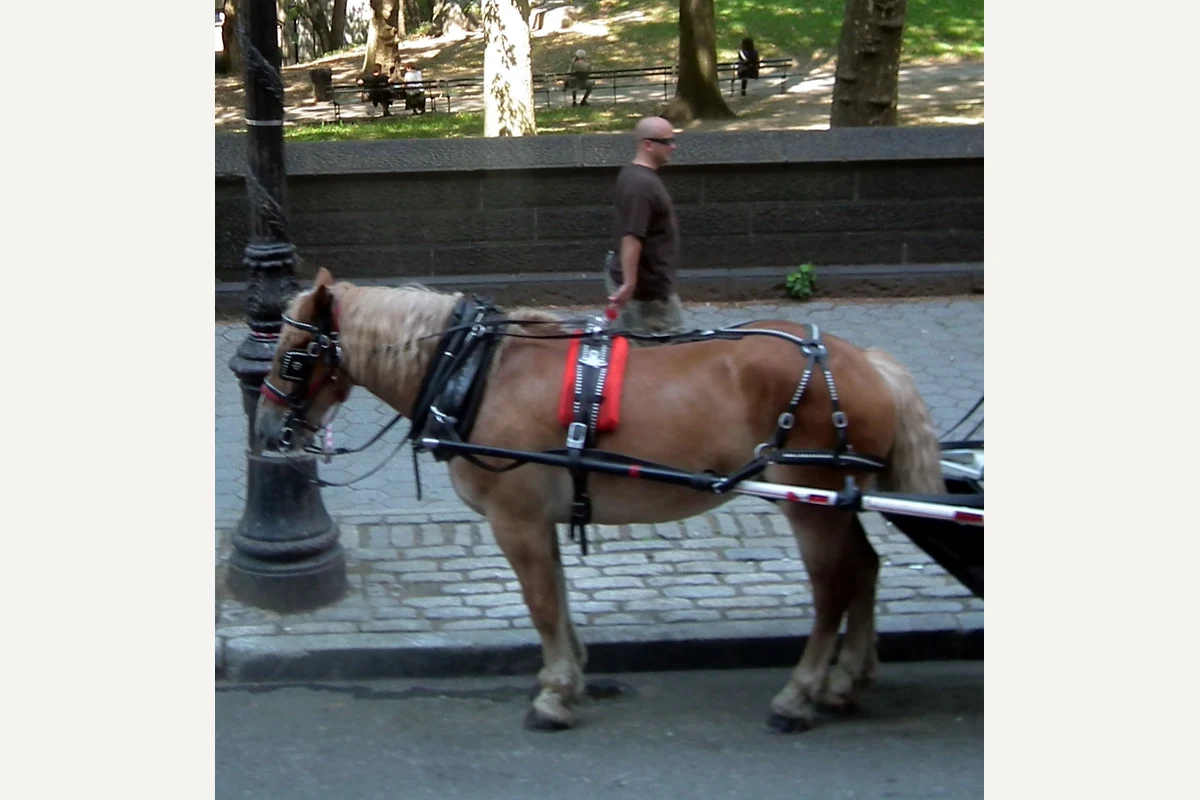
The Council says the measure requires humane arrangements and restricts transfers for slaughter, further carriage work and other inhumane purposes. Owners may also keep their animals.
That provision should not be translated into a claim that every horse already has a sanctuary place. The work of identifying suitable arrangements and ensuring continuing care belongs to implementation, not to the vote itself.
The continuing responsibility is especially important during a long phase-out. Horses require care before the operating deadline as well as after it. The future of a driver’s work and the future of an animal can be closely connected without being the same problem.
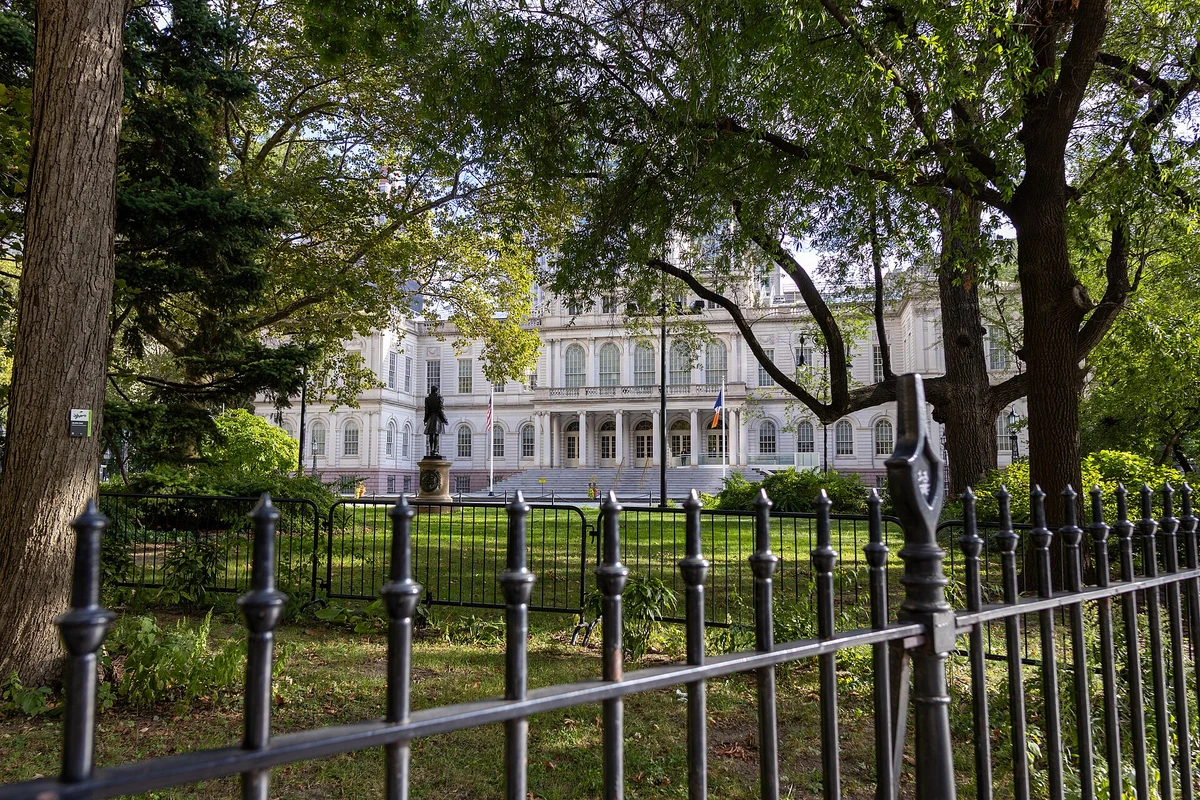
Why did earlier attempts fail?
Previous efforts encountered disagreements over the future of the industry, workers’ livelihoods and the feasibility of proposed alternatives. The Council dates its first ban proposal to 2007, making the new vote part of a much longer debate.
A proposal associated with former Mayor Bill de Blasio did not succeed. A later effort to replace horse-drawn carriages with electric vehicles also failed to produce an agreed solution. In November 2025, another proposed ban failed to advance through a Council committee.
That history matters because a new proposal cannot be assessed simply by counting the years for which a ban has been discussed. The questions have included what replaces the work, who bears the costs and what becomes of the horses. Changing the deadline does not by itself answer them.
The Council now argues that a delayed end date and required transition programme address those concerns. The union’s continued opposition shows that the existence of a programme and confidence in its adequacy remain separate issues.
What does this mean for visitors planning a New York trip?
It means that a future phase-out has been approved by the Council, not that Central Park has closed or all carriage rides have stopped on the day of the vote. Check current city guidance and any booking conditions before making plans.
For families arranging activities well ahead, the June 2028 date is a reason to avoid assuming that a familiar attraction will be available indefinitely. A seller’s current listing cannot guarantee what will be permitted after a legal deadline.
If an existing booking is affected by a later change, keep the confirmation and the seller’s written terms. Ask the provider what service it can lawfully supply on the booked date and what cancellation arrangement applies. The Council vote does not itself establish a uniform refund policy for every booking.
The wider diaspora section follows developments involving Indian communities and individuals abroad. In this case, the immediate reader value is understanding what has been approved, what remains contested and when any change would take effect.
What happens next?
The next steps are to verify the bill’s final legal status, track the administration’s transition arrangements and establish whether the union files its promised challenge. Each is a distinct development requiring its own record.
The mayor’s stated support makes a signature expected, but an expectation is not a completed act. Likewise, a filed lawsuit would not automatically suspend the phase-out. Any court order would need to be checked for its terms and effect.
For the Mahajan family, the Council vote advances the change they sought after a fatal visit to the city. For carriage workers, the practical test will be whether the transition produces support they can actually use before the industry’s planned end in June 2028.