FBI Director Kash Patel has been asked to respond by 29 October to a congressional letter seeking a federal hate-crime investigation of the alleged Illinois temple plot. The request, dated 20 October 2026, concerns the Sri Venkateswara Swami (Balaji) temple in Aurora and threats directed at Indian and Hindu Americans.
Representative Raja Krishnamoorthi’s office announced that 105 members of Congress joined the appeal. The original letter asks whether investigators are examining racial, ethnic and religious bias, whether online activity helped facilitate the alleged plot, and what protection and threat-sharing arrangements are available to affected communities.
The letter is a request for investigation and accountability. It does not establish that federal hate-crime charges have been filed or that a court has found the accused guilty. Alexandros Paporakis, a 19-year-old Palatine resident charged in the state case, is presumed innocent.
What are lawmakers asking about the Illinois temple plot?
They want the FBI to examine possible federal hate-crime violations and explain its response to credible threats. The 20 October congressional letter asks for answers consistent with the requirements of an ongoing investigation, rather than demanding disclosure of every item of evidence.
The questions cover cooperation with the Justice Department’s Civil Rights Division and the relevant US attorney’s office. They also ask whether investigators are examining online communications, possible assistance from others and the sharing of actionable information with local police and potentially targeted places of worship.
Another question concerns capacity: whether the bureau has sufficient personnel, language expertise and analytical resources to assess anti-Indian, anti-Hindu and broader anti-South Asian threats. That is a question posed by the signatories, not a finding that a particular resource shortage caused this case.
The appeal expressly recognises that communities include people of different faiths. Its request for safety is not limited to the temple’s congregation. It refers to Indian Americans, Hindu Americans and other South Asian communities while asking how authorities distinguish protected expression from conduct warranting investigation.
Who signed the congressional request?
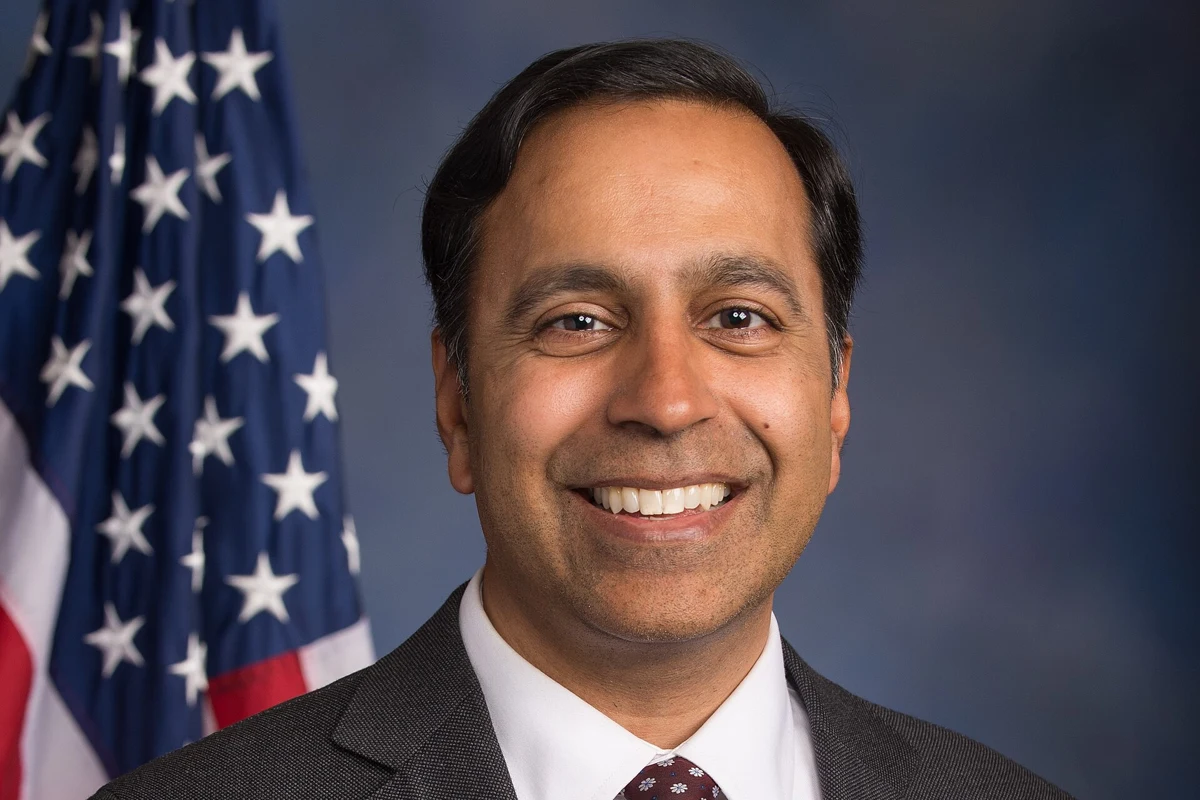
The signatories include House members and senators, rather than 105 members of the House alone. Krishnamoorthi’s office identifies all Indian American members of Congress among them, including Pramila Jayapal, Ami Bera, Ro Khanna, Shri Thanedar and Suhas Subramanyam.
Senators Dick Durbin, Tammy Duckworth, Andy Kim and Chris Van Hollen are also listed. Their involvement gives the request a congressional audience across the two chambers. The letter is not a resolution adopted by Congress, and it should not be described as a legislative finding or a court order.
Krishnamoorthi has said he and his family were worshipping at the Aurora temple on 11 October. His office’s account connects the request to a place of worship used by his own family, while the police and prosecutors’ allegations concern the accused’s actions and intentions. Those are different sources of information.
What is alleged to have happened on 11 October?
Prosecutors allege that Paporakis travelled to the Aurora temple intending to carry out a shooting and that his rifle malfunctioned. Police arrested him later that day after information from a co-worker led authorities to the alleged threat. The state charges include making a terrorist threat and unlawful possession of weapons.
Investigators have described material expressing white supremacist views and hostility towards people of Indian descent. Those descriptions are allegations attributed to the authorities, not an independent determination of guilt. The congressional letter relies on the reported evidence when asking for a bias investigation.
The Cook County public defender’s office has cautioned that the case is at an early stage and that police and prosecution statements are allegations. The defence position matters alongside the seriousness of the accusation. Pretrial detention does not establish a conviction or settle the eventual charges.
The temple has said it introduced additional security measures following the threat. The account of the alleged plot and the later security response should not be confused with evidence that a shooting caused casualties. The new development is the congressional request, not a newly reported attack on 20 October.
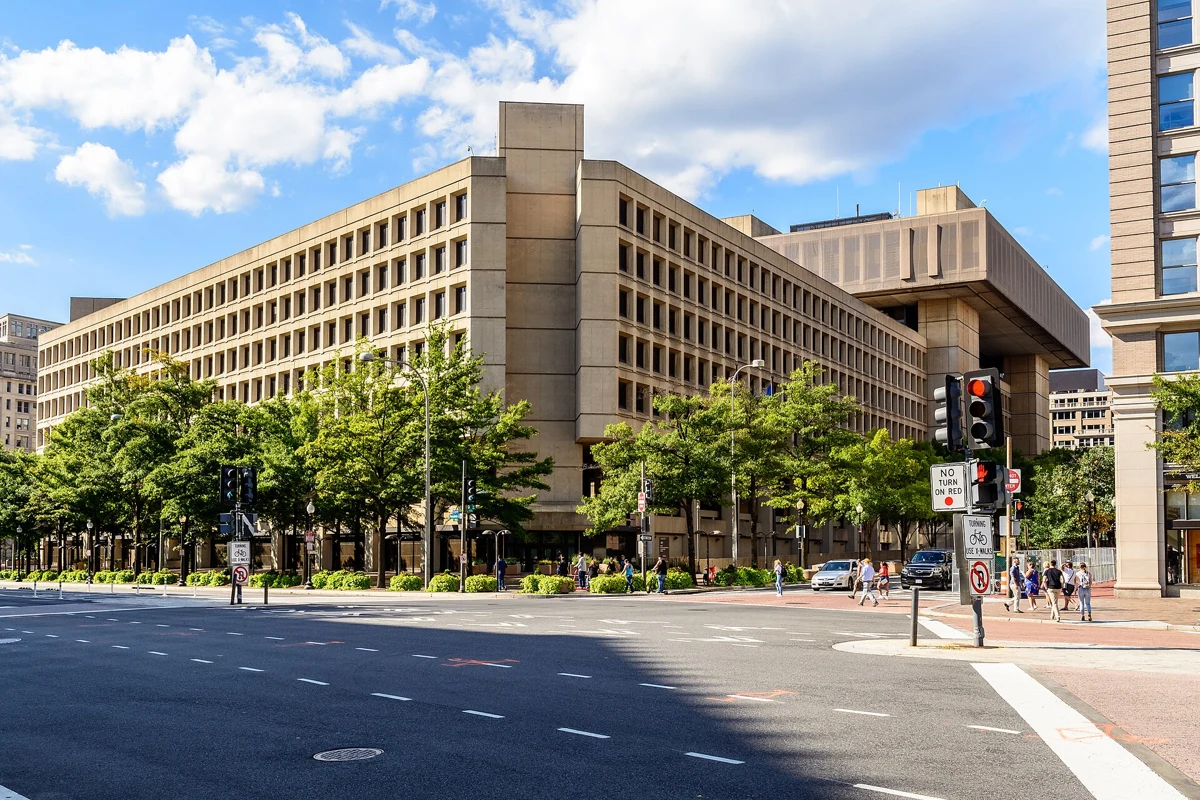
What does a potential hate-crime investigation mean?
It means investigators would examine whether a criminal offence was motivated, at least in part, by a legally recognised bias. The Justice Department’s explanation distinguishes bias-motivated criminal conduct from offensive beliefs or speech alone.
What is a hate crime?
A hate crime combines a criminal offence with bias relating to a characteristic protected by the applicable law. An offensive opinion alone is not automatically a crime. Whether a specific case meets a criminal statute depends on evidence and the legal requirements.
Federal protections include actual or perceived race, religion and national origin, among other characteristics. The distinction between actual and perceived identity matters: the legal question is not simply whether an offender correctly identified someone’s background, but whether the charged conduct and alleged bias satisfy the law.
The same guidance recognises that threats and other criminal conduct may be relevant even when a planned violent act was not completed. That does not mean every disturbing message is automatically prosecutable. Investigators and prosecutors must assess the conduct and the particular offence, including any required intent.
How do the state case and a federal review differ?
The existing state prosecution and the requested federal bias review are distinct legal processes. The Justice Department’s laws and policies guidance explains that state and federal hate-crime laws have different scopes and are enforced through their respective authorities and courts.
| Process | What is established | What should not be assumed |
|---|---|---|
| State criminal case | Charges have been brought; allegations are contested | A charge is not a conviction |
| Congressional request | A letter seeks a federal bias investigation and answers | The letter does not establish federal charges |
| FBI response | Lawmakers request a written response by 29 October | The deadline is not a trial or verdict date |
Federal law includes provisions addressing certain bias-motivated bodily injury or attempted injury using a dangerous weapon. The department also describes protections against obstruction of religious exercise. Which provision, if any, applies to this case is for the authorities and courts to determine from the evidence.
A congressional letter cannot replace that assessment. Nor should the absence of an announced additional charge be used to conclude that no investigative work is happening. Public reporting may describe only part of an ongoing investigation. An announcement of assistance and confirmation of a particular charge are different things.
Why are online threats part of the request?
The lawmakers ask whether online platforms were used to communicate threats, select targets or obtain assistance. They also ask whether anyone encouraged or materially assisted the alleged plot. These are lines of inquiry proposed in the letter; they do not establish that a wider network participated.
The letter also raises concerns about government messaging that the signatories believe can stigmatise communities. That criticism is their position, not a finding that a government communication caused the alleged Aurora plot. A connection between rhetoric, a specific threat and criminal liability requires evidence rather than proximity in time.
The letter itself records that the Department of Homeland Security said one disputed social-media image concerned an individual accused in a fatal crash. The signatories argue that such messaging risks wider stereotyping. Their criticism and the department’s stated explanation are separate from evidence about the alleged temple plot.
The distinction matters for readers following wider Indian diaspora debates. A community-wide concern can be real without making every individual incident part of the same conspiracy. A careful account keeps the specific criminal case, political criticism and general concern about safety separate.
What does this mean for worshippers and community organisations?
The immediate official advice is to report a possible crime through law enforcement, with emergency danger requiring an emergency response. The Justice Department’s reporting guidance says victims and witnesses should contact state or local police, then promptly report a suspected hate crime to the FBI.
In an emergency in the United States, call 911. The department lists tips.fbi.gov, 1-800-CALL-FBI and local FBI field offices as reporting routes for suspected hate crimes. An online tip should not be used as a substitute for immediate emergency assistance.
Not every bias incident involves a criminal offence. The department also provides a Civil Rights Division route for incidents that may require assessment or referral. A report can lead to requests for more information or referral elsewhere; submitting one is not itself confirmation that an offence has been established.
For readers in the United States, that means separating an immediate threat from a request for information, support or a policy response. The lawmakers’ letter asks for better arrangements to share threat information with places of worship. It is not an instruction for volunteers to investigate suspects themselves.
What happens next?
The next stated milestone in the letter is the requested FBI response by 29 October. The lawmakers acknowledge that answers must be consistent with an ongoing investigation. The response, if made public, may clarify whether bias-related offences are under examination and what outreach or protection is being offered.
The state case continues separately, with any subsequent charge, plea or ruling requiring its own official confirmation. The letter’s requested response date is neither a trial date nor a deadline for a conviction. The next development to watch is what the FBI says in response and what the courts establish through the criminal process.