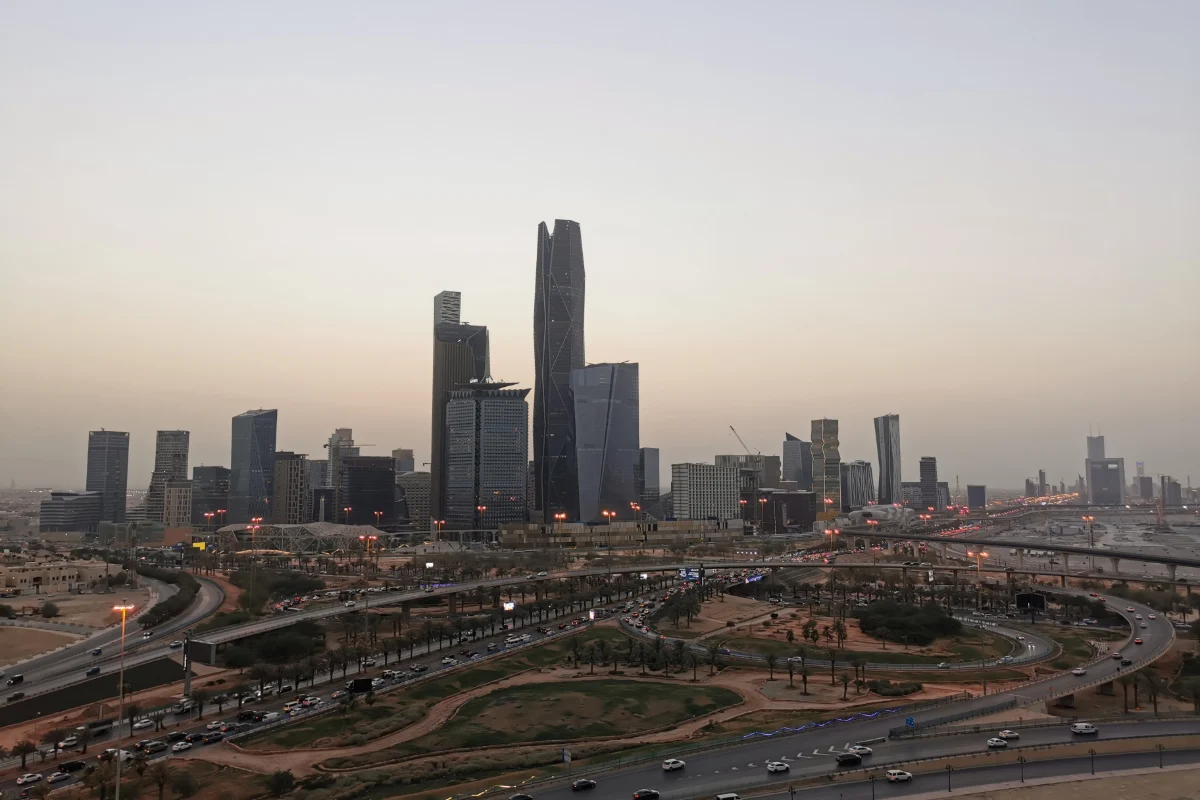
Two Indian residents were among 11 people injured on Tuesday, 24 November, when a tower in Riyadh’s King Abdullah Financial District was struck in what Saudi Arabia’s General Directorate of Civil Defence called a “terrorist attack” by the Houthi militia. The Riyadh Houthi attack also injured two Saudi citizens, three Nepalese residents and four Egyptian residents, according to the Civil Defence statement.
The statement did not describe the nature or severity of the injuries. It said the authorities responded immediately, put approved emergency procedures into effect and took the steps needed to protect lives and property. The names of the injured were not released.
For Indian families, the attack is the latest in a series of strikes on civilian sites in the kingdom since October in which Indian nationals have been killed or injured. India’s Ministry of External Affairs told Parliament that 27.48 lakh Indian nationals were living in Saudi Arabia in 2025–26, on figures up to March 2026. That is the second-largest Indian community in the Gulf after the UAE.
What happened in the Riyadh Houthi attack?
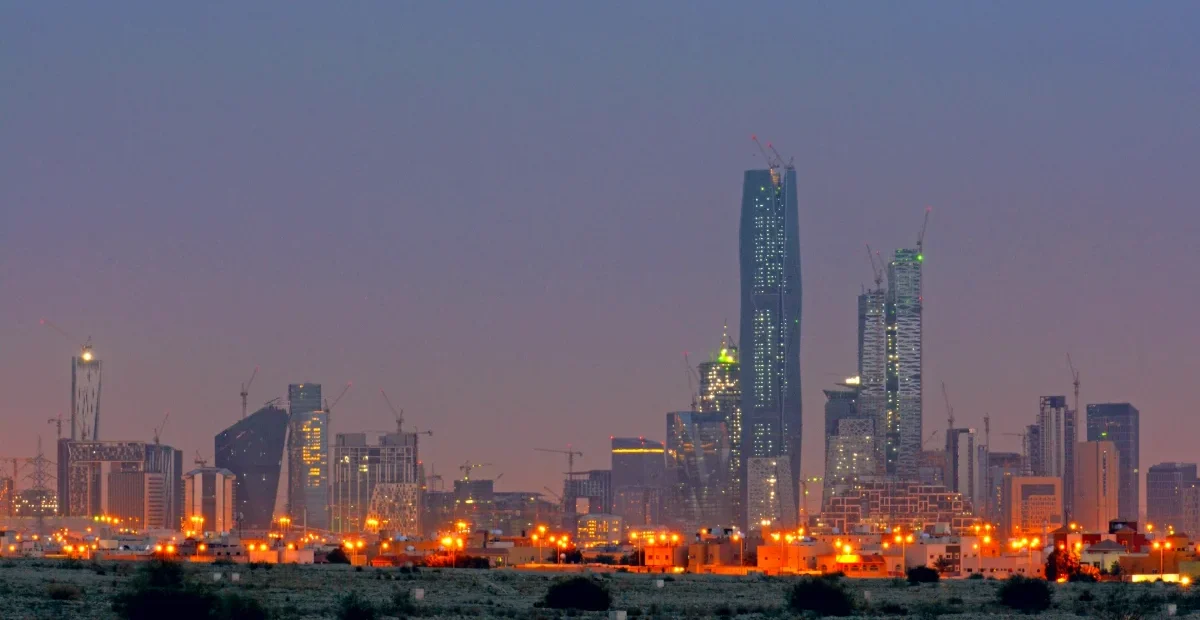
The Saudi-led coalition fighting the Houthis in Yemen said on Tuesday that one of the towers in the financial district had been targeted and that the competent authorities were responding at the site. Coalition spokesperson Major General Turki al-Maliki gave that account before the Civil Defence published its casualty figures.
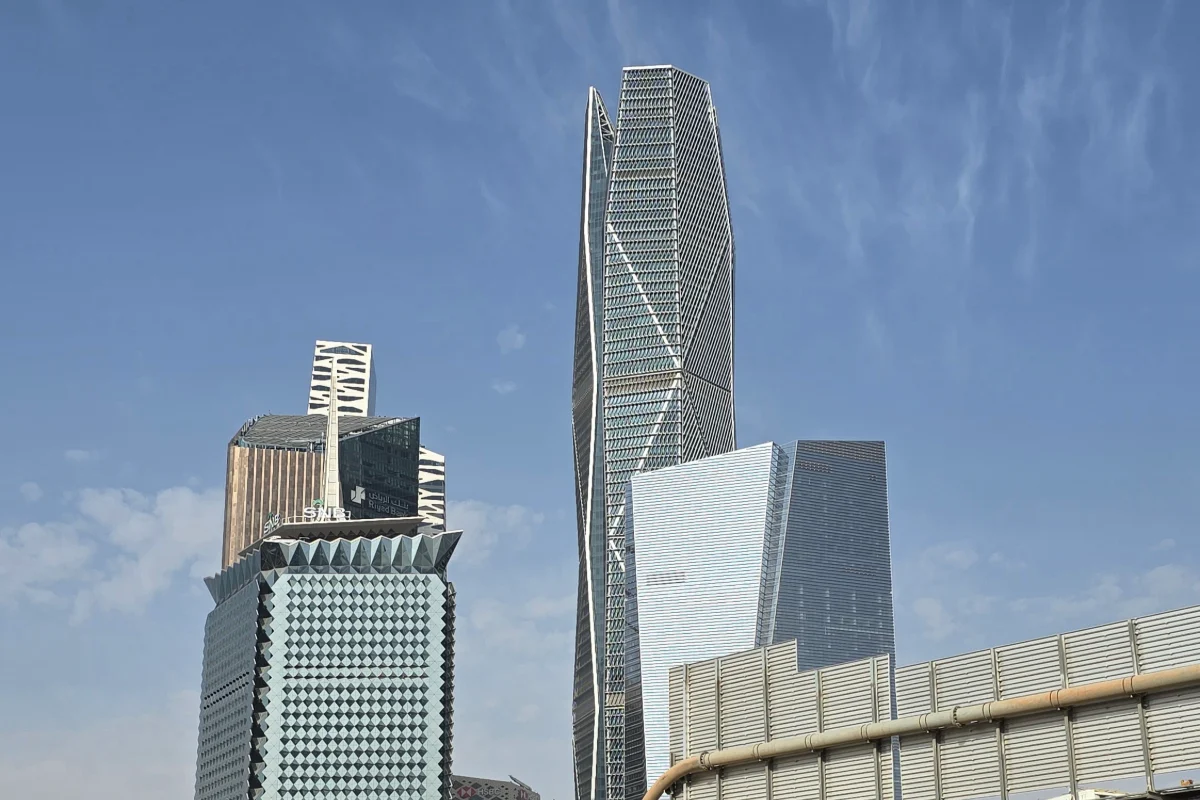
Saudi officials did not name the building in their initial statements. Several international reports identified it as the district’s tallest tower, which houses the Public Investment Fund, Saudi Arabia’s sovereign wealth fund.
Initial reports did not carry a statement from the Houthis about Tuesday’s strike, although the group has claimed earlier attacks on the Saudi capital. Saudi authorities attributed this one to the Houthi militia.
It was not the first strike on the district this month. On Thursday, 19 November, Saudi authorities said a Houthi attack had targeted a tower in the same financial district.
Who was injured in Riyadh?
The Civil Defence statement listed 11 injured people by nationality: two Saudi citizens, two Indian residents, three Nepalese residents and four Egyptian residents. Nine of the 11 were foreign residents.
The Indian Embassy in Riyadh asked Indian nationals in the kingdom to follow local rules and regulations. The embassy did not publicly identify the two injured Indians, and their condition had not been officially disclosed by the morning of 25 November in India.
Families seeking information should use the embassy’s official helpline, listed below, rather than forwarded messages. In earlier incidents this year, Saudi and Indian officials have both warned residents against circulating unverified videos and claims.
Who are the Houthis, and why are they striking Saudi Arabia?
The Houthis are an Iran-backed armed movement in Yemen. A Saudi-led military coalition has fought them since 2015, and the group has carried out repeated cross-border drone and missile attacks on Saudi territory during that conflict.
Those attacks have intensified in recent months. Since September, strikes attributed to the Houthis have targeted airports in Abha and Riyadh, energy facilities operated by Saudi Aramco and, in September, an area near Makkah. The coalition has described the attacks as terrorism and said it was responding.
India has responded to each phase with formal statements. In September, the Ministry of External Affairs said attacks that threatened regional stability and freedom of navigation in the Bab-el-Mandeb strait were unacceptable. In October, after the attack on the Aramco headquarters, spokesperson Randhir Jaiswal called the targeting of civilian infrastructure “totally unacceptable” and said India hoped peace and normalcy would return to the region.
What is the King Abdullah Financial District?
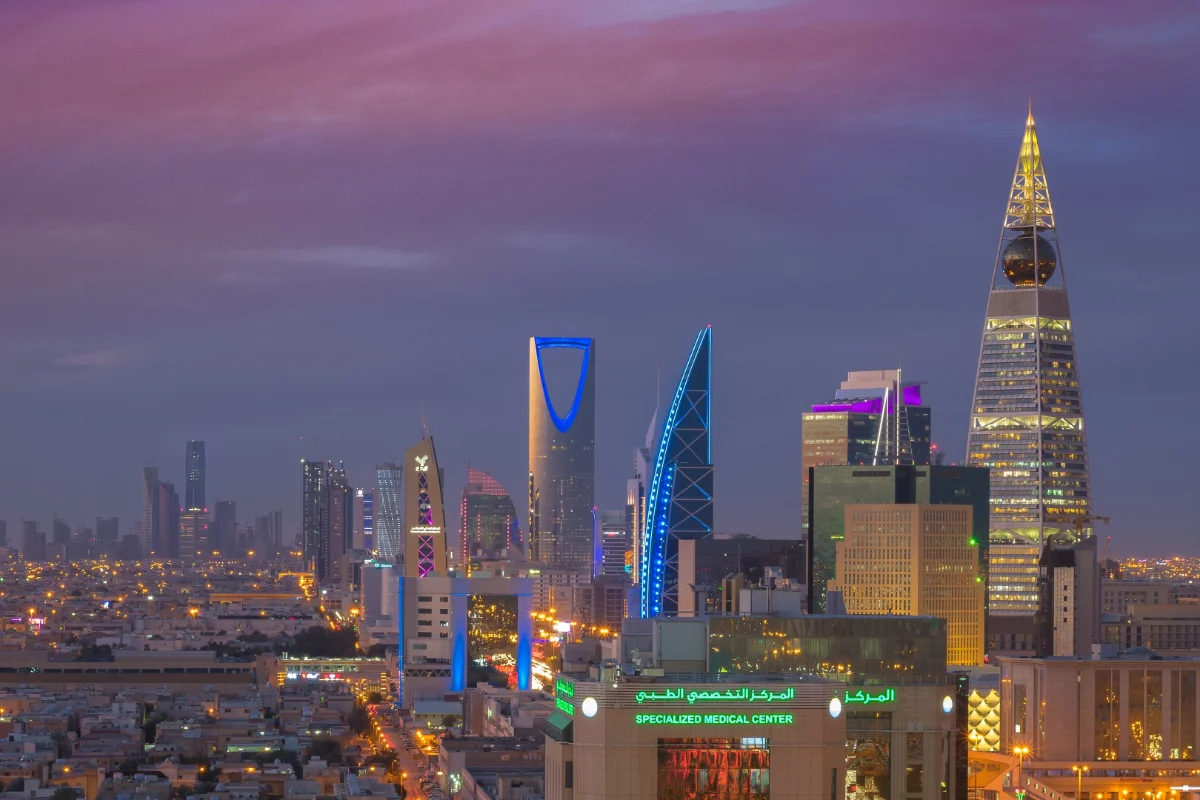
Often called KAFD, it is the Saudi capital’s main financial and business district. Its high-rise towers house banks and major institutions, including the Public Investment Fund, the kingdom’s sovereign wealth fund. The district has been targeted at least twice in less than a week, on 19 and 24 November.
Why do these attacks matter to Indians in Saudi Arabia?
With almost 2.75 million Indian nationals in the kingdom on the government’s latest figures, attacks on Saudi cities carry a direct risk for Indian residents and a source of anxiety for their families in India.
Indians have been among the casualties in several of the recent attacks. On 10 October, an attack on Riyadh’s King Khalid International Airport killed 12 people and injured more than 300. The Indian Embassy said 11 Indians were among the injured, and one of them later died. The embassy’s advisory and the flight suspensions that followed are set out in an earlier report on the Riyadh airport attack.
Later in October, the Ministry of External Affairs said one Indian national was killed and two were injured in an attack on King Fahd International Airport in Dammam, while another Indian was hurt in an attack on the Shaybah oilfield. That incident is covered in our report on the drone interception at Shaybah.
The risk to Indian residents predates the current Houthi campaign. In March, the Ministry of External Affairs said an Indian national had died in an attack on Riyadh on 18 March, during the wider regional conflict earlier in the year.
The embassy has issued a series of advisories since then. Its advisory of 8 March asked Indian nationals to follow the guidance of local authorities and noted that several airlines were still operating between Saudi cities and India. After the 10 October airport attack, it opened a 24-hour control room and asked Indians in the kingdom to stay calm and vigilant.
| Date | Location | Indian casualties reported by Indian officials |
|---|---|---|
| 10 October 2026 | King Khalid International Airport, Riyadh | 11 injured, one of whom later died |
| 21 October 2026 | King Fahd International Airport, Dammam | One killed, two injured |
| October 2026 | Shaybah oilfield, Eastern Province | One injured |
| 24 November 2026 | King Abdullah Financial District tower, Riyadh | Two injured, according to Saudi Civil Defence |
What support have injured Indians received after earlier attacks?
The response to the October airport attack shows what families can expect from Indian officials. The embassy said it was in touch with Saudi authorities to check on the injured and that its officials had contacted and visited the hospitals treating them. A few days later, Ministry of External Affairs spokesperson Randhir Jaiswal said three of the 11 injured Indians had been discharged and eight remained under medical care, four of them in intensive care.
When one of those injured died, his last rites were performed in Riyadh in line with his family’s wishes, with the embassy’s assistance, Jaiswal said. The ministry also said at the time that the embassy remained in regular contact with the community and that advisories had been issued as flight schedules were disrupted.
What should Indians in Saudi Arabia do now?
Follow the instructions of Saudi authorities and the Indian Embassy. During the October attacks, the embassy advised Indian nationals to stay alert and vigilant, remain indoors when necessary and avoid circulating videos of incidents. Those advisories remain the best guide to what officials expect from residents during an alert.
Keep the emergency contacts to hand. The embassy’s 24-hour helpline for Indian nationals in distress is +966 11 4884697. It also takes WhatsApp messages on +966 542126748 and runs a toll-free number, 800 247 1234, for calls within Saudi Arabia. The email address is cw.riyadh@mea.gov.in. The embassy says the line is for emergencies, not routine passport or consular queries.
Follow the embassy’s official accounts for updates. Its advisories list its X account, @IndianEmbRiyadh, along with its Facebook, Instagram and LinkedIn pages, as the channels for the latest guidance. The Consulate General of India in Jeddah runs its own 24-hour helpline for residents in the western region.
Check flights directly with the airline before travelling. After the October airport attacks, Indian airlines suspended services to several Saudi cities for days. Schedules can change quickly after an incident, so the airline’s own notice is the reliable source.
Use official channels for news about individuals. The Ministry of External Affairs and the embassy are the sources that will confirm the identity or condition of any Indian national affected. Unverified posts can cause distress to families, and the embassy has asked residents not to share footage of incidents.
What happens next?
Saudi authorities had not published the findings of any investigation into Tuesday’s strike, and the identities of the injured had not been released. The Indian Embassy in Riyadh is the official point of contact for news about the two Indian residents.
The larger question is whether the strikes on Riyadh’s commercial heart continue. The financial district was hit twice in less than a week, after weeks of attacks on airports and energy sites. Any fresh advisory from the embassy, or further changes to flight schedules, will be the clearest signal of how officials assess the risk to the Indian community.