A request that India and Nepal agreed to address within six months in 2014 is returning to the leaders’ agenda more than 12 years later. Nepal air routes through Indian airspace are again a priority as Prime Minister Balendra Shah prepares to visit New Delhi on 22–23 November 2026, with the commercial prospects of airports outside Kathmandu part of the discussion.
Kathmandu wants additional entry options for international aircraft, particularly a two-way corridor through Mahendranagar in western Nepal. The issue involves airspace access, altitude and coordination between authorities, alongside the separate question of whether airlines can attract enough passengers to sustain services.
India’s Ministry of External Affairs has confirmed Shah’s state visit and identified connectivity among the subjects for discussion. That confirmation does not establish that an air-route agreement has been reached or that an airline can begin using a new corridor immediately.
Why are Nepal air routes back on the agenda?
Nepal wants more direct entry options for international flights approaching airports in the west of the country.
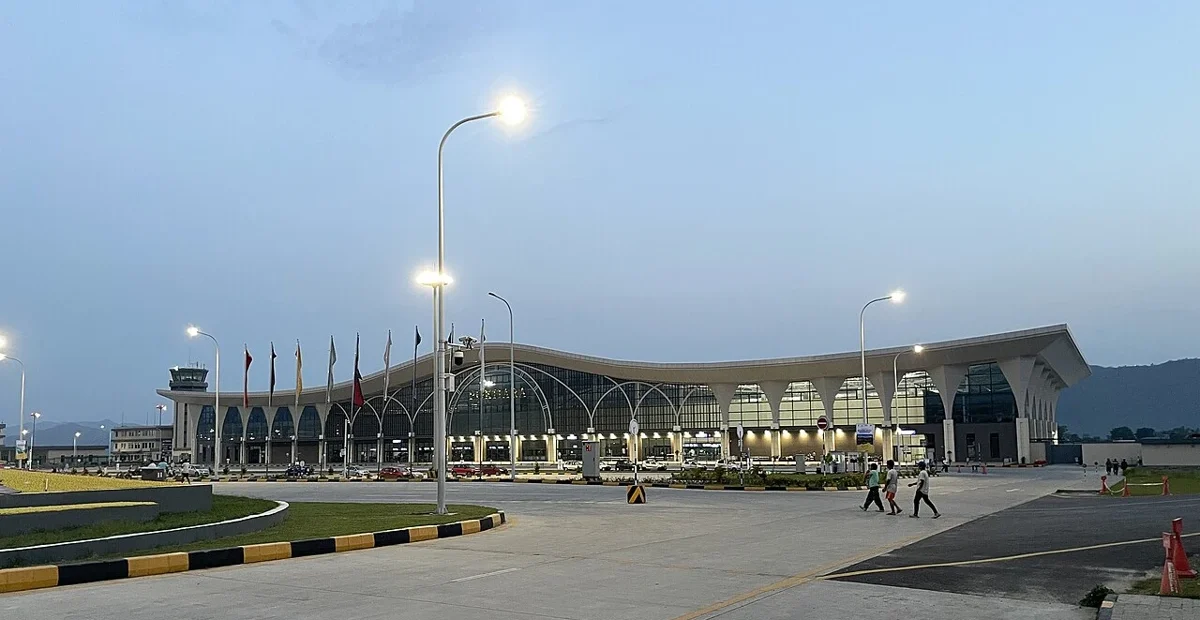
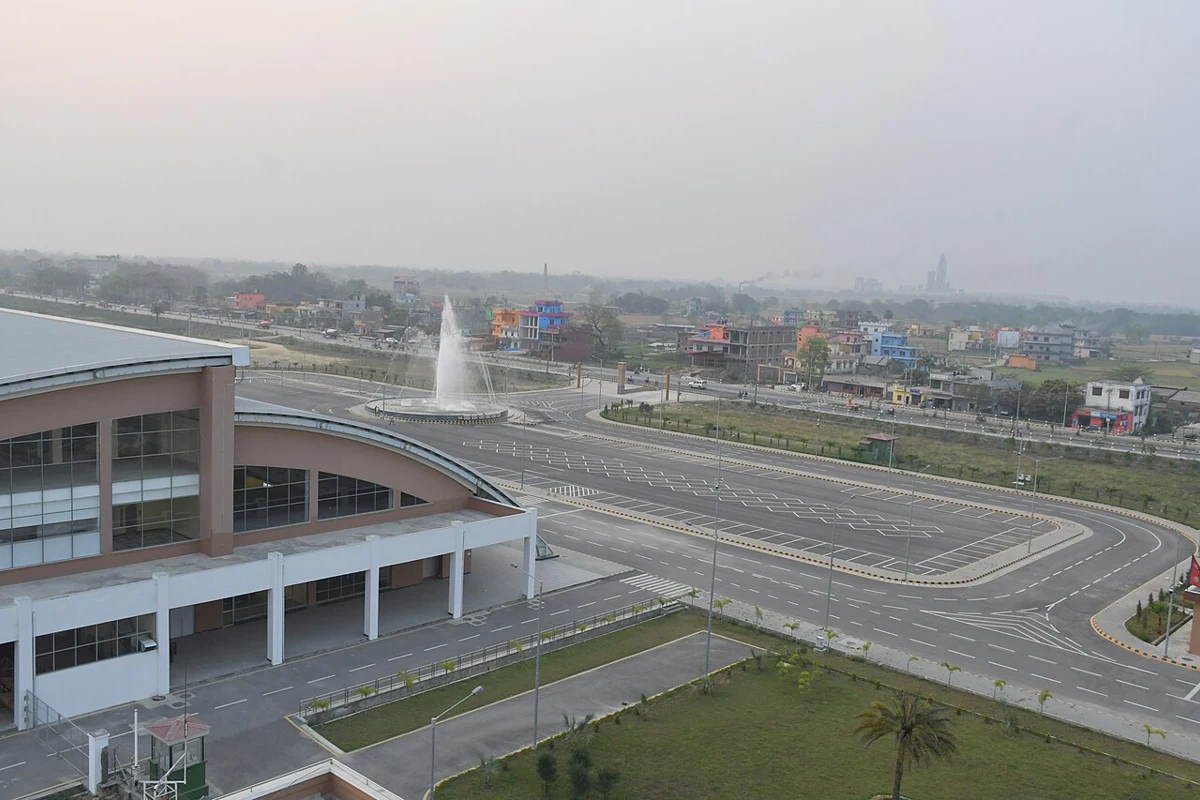
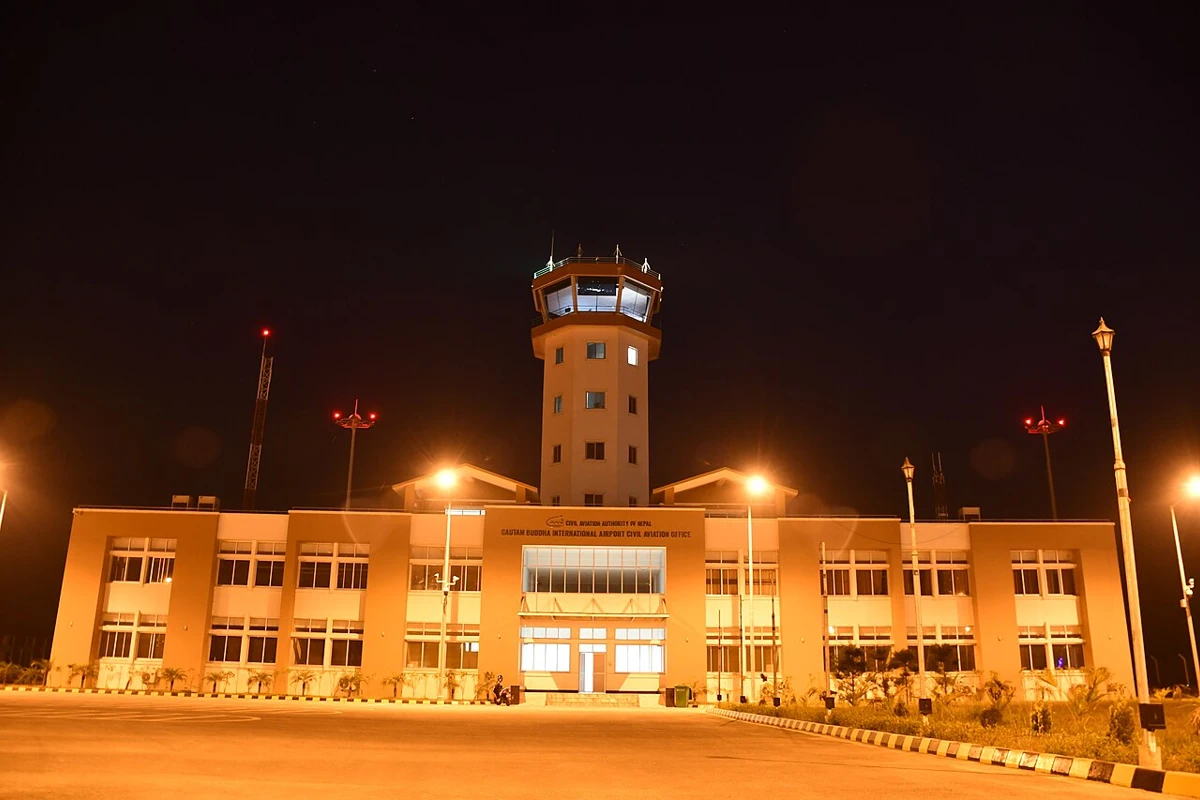
The dispute is closely associated with Gautam Buddha International Airport at Bhairahawa and Pokhara International Airport. Nepal has invested in these gateways to provide alternatives to Kathmandu, but the availability of an airport and the availability of a commercially useful approach route are different requirements.
The official announcement of Shah’s visit sets the talks for 22 and 23 November. At his 20 November briefing, Indian spokesperson Randhir Jaiswal described a broad agenda covering development, energy, economic cooperation, connectivity and exchanges between people.
That agenda leaves room for aviation discussions without predetermining their outcome. An expectation in Kathmandu is not the same as a published Indian clearance or a jointly announced route.
The immediate news is therefore the renewed negotiation ahead of the visit. The operational question will be what, if anything, the relevant authorities approve afterwards.
What is an air-entry route?
It is an authorised route by which an aircraft enters another country’s airspace. Its direction, altitude and operating conditions matter. Permission to depart along a corridor does not automatically mean aircraft may enter through the same corridor under the same conditions.
What is the problem with the existing arrangements?
Most incoming international flights use the Simara entry point, while Nepal is seeking a more useful western approach for its newer airports.
The L626 corridor through Mahendranagar has operated as an exit route. Nepal wants it available for incoming aircraft as well. That is a request to change the direction in which a particular corridor can be used, not a claim that Nepal has no international air links.
An aircraft approaching from the west may otherwise have to continue towards the established entry point before turning back towards a western destination. The effect depends on the origin, destination, aircraft and authorised flight plan.
Precise detour and time-saving estimates should not be treated as universal promises. A route that is shorter on a map still needs an approved operating procedure, and a change in airspace access does not determine an airline’s entire schedule or fare.
For travellers, the relevant evidence will be an operating service to the intended airport, not simply an announcement that officials have discussed a corridor.
How long have the governments been discussing this?
The official record shows that additional entry points were a leaders’ issue in August 2014 and remained an unresolved request in June 2023.
The 4 August 2014 joint press statement records Nepal’s request for entry points at Janakpur, Bhairahawa and Nepalgunj, alongside direct cross-border routes connecting regional airports with Lucknow. The prime ministers directed authorities to meet within six months and resolve the issue and related air-services matters.
The point is the dated commitment, rather than an assumption that the six-month period created an automatic right to use those routes. The request has continued to appear in subsequent discussions.
In a 1 June 2023 statement, then Nepali prime minister Pushpa Kamal Dahal welcomed India’s positive indication concerning an entry route operationally feasible for ATR aircraft. He separately requested approval for an additional high-altitude route through Mahendranagar.
Those two statements show why the distinction between limited operational feasibility and the broader request matters. Reporting them as one completed agreement would erase the issue that Nepal is still pursuing.
| Official record | What it says | What it does not establish |
|---|---|---|
| 4 August 2014 joint statement | Additional entry points and cross-border routes should be addressed within six months | That every requested route became operational |
| 1 June 2023 Nepali statement | A positive indication for a route suitable for ATR aircraft; a further request for high-altitude access | Unrestricted access for all international jets |
| 20 November 2026 Indian briefing | Connectivity is among the subjects for Shah’s 22–23 November visit | That a new route has already been approved |
Why does altitude matter as well as the entry point?
Aircraft operations depend on the usable altitude and procedures, not just the geographical location of a border crossing.
The 2023 Nepali statement itself distinguishes a route suitable for ATR aircraft from the additional high-altitude access Kathmandu sought. That distinction helps explain why a positive announcement can fall short of what Nepal considers necessary for wider international operations.
Airspace proposals also require coordination between the countries responsible for the adjoining areas. Safety and security considerations cannot be settled simply by drawing a straighter line between two airports.
The published historical records do not provide a fresh 2026 clearance for every aircraft type. Nor do they justify assuming that one airline’s use of an airport proves that all requested western entry conditions have been accepted.
The question for the coming talks is whether the authorities can agree workable terms and then publish or implement them. Until that happens, claims about a newly available corridor need to be checked against the operating record.
Would new entry routes solve the airports’ commercial problems?
They could address one constraint, but a usable route alone does not establish that an airline can sustain a service.
An international airport also needs sufficient demand, workable schedules, airline distribution and the ground services passengers require. The issue is particularly practical for people who would prefer to depart near home but still need to complete other travel-related processes elsewhere.
The reporting around the talks identifies a genuine disagreement about the relative importance of airspace access and those domestic commercial conditions. Nepal’s case emphasises the burden of circuitous approaches; the counterargument is that better access cannot substitute for a viable passenger market.
The official 2023 statement also separates its air-entry request from the desire for regular flights between the new airports and Indian cities. That separation remains useful: a corridor approval and an airline’s decision to sell seats are connected, but neither is a substitute for the other.
A breakthrough would therefore be meaningful without guaranteeing immediate commercial success. The practical measure would be whether airlines subsequently publish and operate services passengers can use.
What is the direct connection with India?
India is both the counterpart in the airspace negotiations and a potential market for flights serving Nepal’s regional airports.
The 2014 joint statement explicitly linked the requested routes with travel time, cost and connectivity between the two countries. It also referred separately to developing Lumbini’s links with the Buddhist circuit in India, on the basis of specific proposals from Nepal.
These are documented bilateral connections. They do not establish a special entitlement for overseas Indian passport holders, or prove that the proposed changes would affect every journey from Australia, Britain or the Gulf.
For an Indian traveller planning a multi-stop trip, the airport and actual flight matter. Bhairahawa, Pokhara and Kathmandu are not interchangeable destinations merely because they are in the same country. The route used by the airline is also separate from the traveller’s own entry-document requirements.
The wider setting includes regional travel coverage and the News section’s regional coverage. International airline access should not be confused with the separate operation of domestic mountain flights.
What should passengers check before changing a booking?
Passengers should rely on their airline’s published itinerary and the authorities’ operational announcements rather than treating the visit as a timetable change.
Check the arrival airport by name and code, the date the service is operating, and the ground journey needed after landing. A discussion about western entry routes does not by itself move a booking from Kathmandu to Bhairahawa or Pokhara.
If a carrier advertises a new service after the talks, check its actual start date and conditions. An airport-opening announcement, an airspace agreement and a ticket available for purchase describe different stages of development.
The same care applies to connecting journeys. A proposed shorter approach does not settle whether two flights connect on one ticket, how baggage is handled or what happens if the first flight is delayed. Those details belong in the itinerary and carrier’s terms.
The official visit announcement is a source for the diplomatic timetable. It is not a substitute for confirmation from the airline responsible for an individual journey.
What happens next?
Shah’s meetings in New Delhi on 22–23 November are the next scheduled political stage, followed by any joint statements and technical decisions.
The history gives readers a clear test: does the outcome specify what route is permitted, in which direction, under what operating conditions and from when? A general commitment to improve connectivity would be a further political statement, but would leave those practical questions open.
The corresponding test for the airports will come later, in the services airlines actually operate. Separating those stages makes it possible to recognise diplomatic progress without announcing a flight option before it exists.