India has declined to comment on Bangladesh’s internal affairs after Prime Minister Tarique Rahman accused Awami League figures of fomenting unrest to satisfy their backers across the border. The response to Bangladesh unrest came on 20 November 2026, with New Delhi reiterating that it wants a positive and constructive relationship with Dhaka.
Rahman’s remarks followed protests and violence associated with a campaign by supporters of former prime minister Sheikh Hasina, who remains in India. Her presence there and Bangladesh’s demand for her return continue to place the relationship under strain.
The exchange is a diplomatic dispute over responsibility and political shelter. It is not evidence that the Indian government directed individual incidents of violence. Neither should India’s response be read as a new agreement resolving the questions over Hasina, border management or the countries’ shared rivers.
What did India say about Bangladesh unrest?
India said its approach to the relationship remained unchanged and declined to engage with the remarks about Bangladesh’s domestic politics.
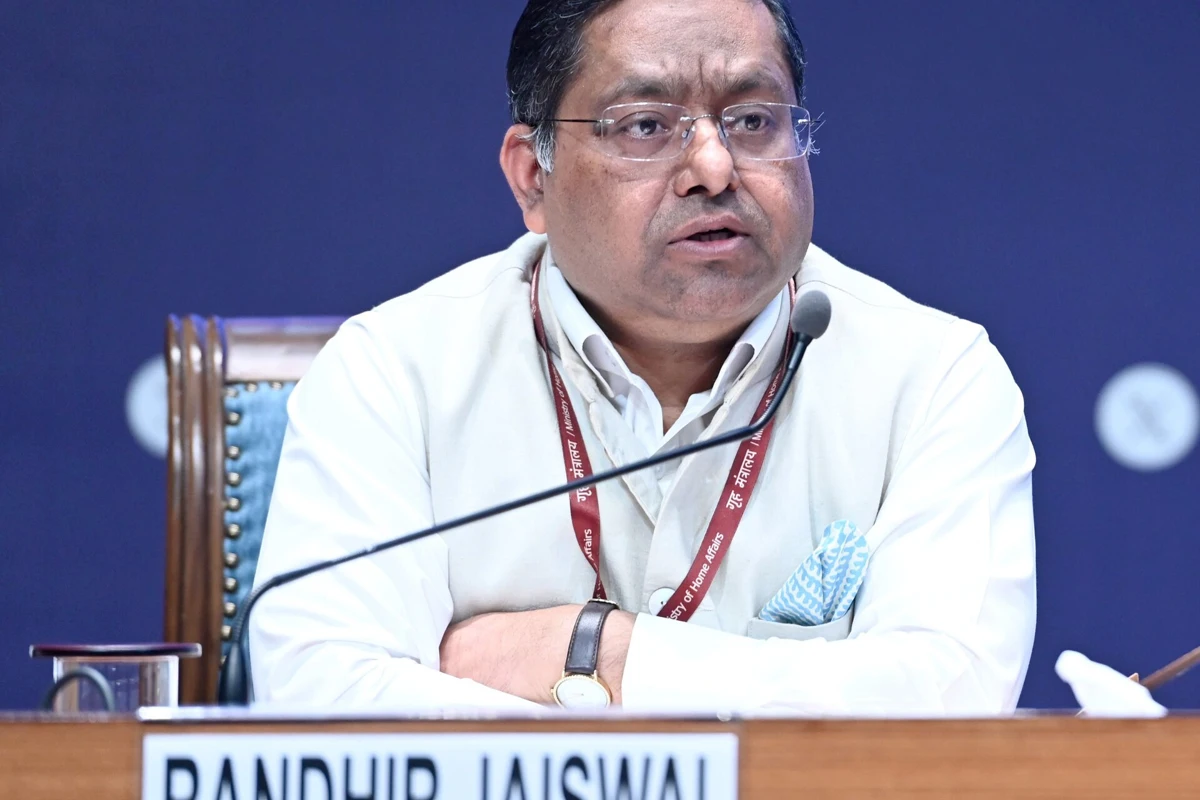
At the 20 November Ministry of External Affairs briefing, spokesperson Randhir Jaiswal said India wanted relations grounded in the countries’ shared history, sacrifices and cultural values.
He added that India did not wish to comment on Bangladesh’s internal affairs. The answer came in response to a question about Rahman’s suggestion that political figures in India were behind the unrest.
The wording matters. Jaiswal set out India’s preferred direction for the relationship and declined the domestic-political argument. He did not announce a new bilateral settlement or provide an account of who carried out particular attacks.
The response is also later than the initial reports of Rahman’s remarks. A description that India had not immediately responded on 19 November should not be carried forward as though there had been no public response on 20 November.
What is the difference between a diplomatic position and a finding of responsibility?
A diplomatic position states what a government says or seeks. A finding about responsibility for a specific attack requires evidence and the relevant investigative or judicial process. An allegation in a political speech does not, by itself, establish that another state organised the violence.
What did Tarique Rahman allege?
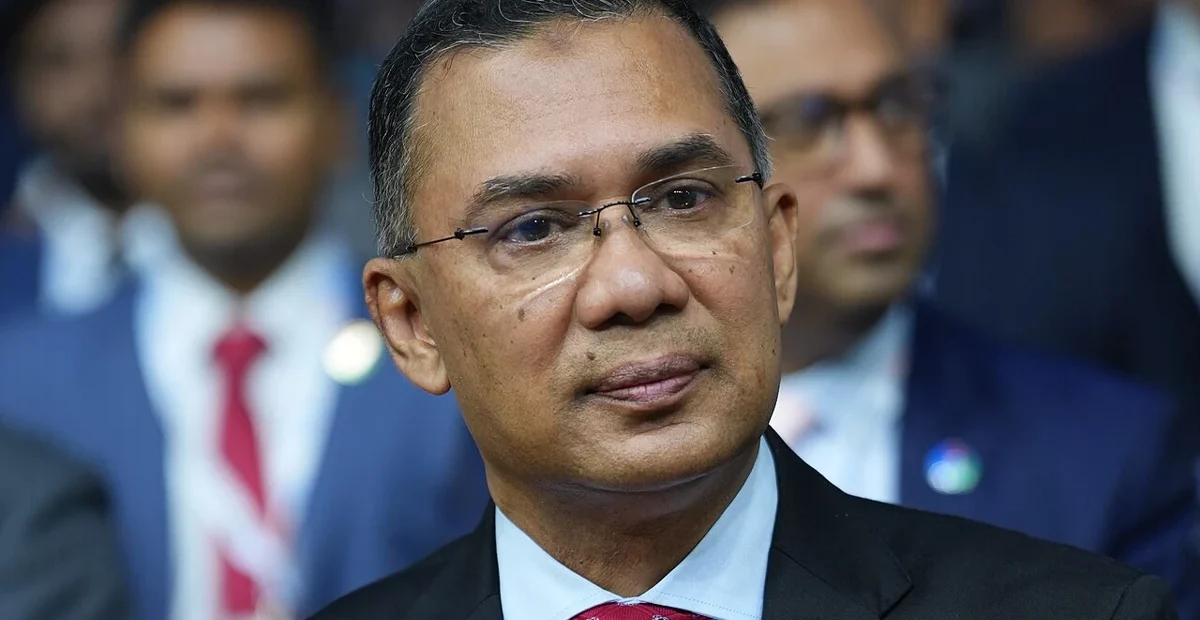
Rahman accused the ousted party of pursuing a conspiracy to satisfy backers in the country across the border where its leaders had taken shelter.
He made the remarks at a public event in Lalmonirhat on 19 November. His reference was widely understood as directed at India, where Hasina has lived since leaving Bangladesh in August 2024. In the quoted passage, however, he referred to the neighbouring country without naming it directly.
That distinction should survive the headline. Reporting an apparent reference as though it were a formally documented Indian operation would go beyond what the remarks establish.
Rahman’s government has accused Awami League leaders outside Bangladesh of encouraging the violence. Those accusations form part of the government’s account and must remain attributed. Individual incidents still need to be examined on their own evidence.
The public positions are therefore in tension: Dhaka links the unrest to political figures sheltered abroad, while New Delhi says it wants constructive relations and will not comment on the internal political dispute. Neither statement resolves the factual responsibility for each attack.
Why has Hasina’s presence in India become central again?
The renewed protests are connected with the dispute over her proposed return to Bangladesh and the government’s refusal to issue her a new passport.
Hasina left Bangladesh for India after the August 2024 uprising against her government. Her continued presence in India has become an issue for both the former interim administration in Dhaka and the elected government led by Rahman.
The Awami League called a nationwide shutdown on 19 November following a week of protests against the passport refusal. A call for a shutdown and its actual effect are different things: disruption varied, and it should not be reported as though every part of Bangladesh had stopped operating in the same way.
Dhaka has sought Hasina’s return through extradition. The existence of that demand is separate from a passport application and separate again from whether a transfer has been agreed or carried out.
The current Indian briefing did not announce a new outcome on extradition. That limits what can responsibly be claimed about the next stage of her stay in India or any journey back to Bangladesh.
What can be established about the violence?
The current reporting records arson, attacks and disruption, but political blame must be kept distinct from findings about particular perpetrators.
Police accounts describe attacks on vehicles, property and other targets during the unrest. The events have also affected businesses and transport. Precise totals depend on the reporting period and the category being counted, so figures for explosions, burned vehicles, arrests and deaths should not be combined as though they measure one thing.
The record also distinguishes the Awami League campaign from separate garment-worker protests over wages. Treating all disruption as one party-directed movement would erase that difference and make the political allegation appear more comprehensive than the evidence supports.
The Awami League’s protest demand concerned Hasina’s travel documents and return. That explains the campaign’s stated purpose; it does not establish who was responsible for every act committed around it. Equally, the seriousness of the violence should not be minimised because the political dispute is contested.
For families trying to establish conditions in a particular place, location and time matter more than a broad national label. A report about one district does not establish the condition of every road, border crossing or neighbourhood.
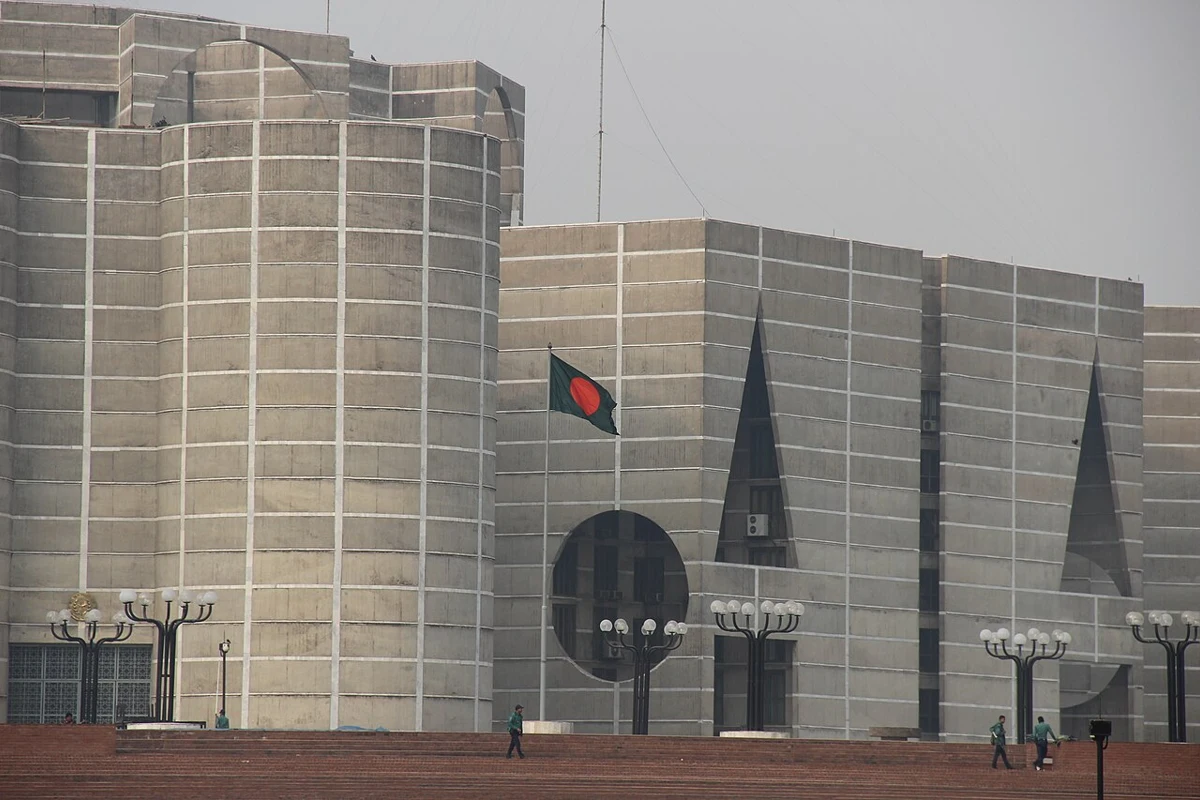
What else is at stake in India–Bangladesh relations?
The relationship includes continuing work on shared rivers, trade, transport and consular matters, beyond the argument over Hasina.
The earlier report on the BNP’s election victory provides the political background to Rahman’s administration. The current exchange concerns how the two governments deal with tensions after that transition, rather than a new election result.
Shared-river arrangements illustrate why working channels matter even during political disagreement. At the same 20 November briefing, Jaiswal identified the India–Bangladesh Joint Rivers Commission as the established mechanism for discussing cross-border water issues, including the Ganga.
He reiterated India’s commitment to a constructive relationship while safeguarding its interests. He did not announce a completed renewal of the Ganges water-sharing treaty.
The 1996 treaty text, reproduced in the Asian Development Bank’s legal collection, gives the timing a concrete basis. It was signed on 12 December 1996 and provides for a 30-year term, renewable by mutual consent.
| Issue | Position or record now available | Question still requiring a separate outcome |
|---|---|---|
| Rahman’s allegations | India has stated its preferred relationship and declined comment on internal affairs | Responsibility for specific incidents of violence |
| Hasina’s return | Bangladesh has demanded extradition; her presence in India remains disputed | Whether a transfer is agreed and implemented |
| Ganges water sharing | A 1996 treaty provides a 30-year term and renewal by consent | The terms and status of any renewal |
| Travel and consular services | Official agencies remain the sources for current operational notices | Conditions for a particular journey or service |
What does the water treaty actually cover?
It sets arrangements for sharing Ganga/Ganges waters at Farakka during the annual January-to-May period.
The treaty is not a settlement of every water issue between India and Bangladesh. Its text addresses the specified location and sharing arrangement, while recognising a wider need for cooperation on common rivers.
It also provides mechanisms for handling implementation difficulties. Under Article VII, unresolved questions can move from the Joint Committee to the Joint Rivers Commission and, if necessary, to the two governments. That is a defined institutional process, distinct from a political speech about the bilateral relationship.
Article XII states the 30-year duration and renewal by mutual consent. Counting from the signature date identifies 12 December 2026 as the approaching end of that term. It does not establish that renewal has already been agreed, or what any future arrangement would contain.
The joint letter transmitting the treaty to the United Nations also records the 12 December 1996 signing. The historical date is relevant here because the term is a live question in November 2026, not because the treaty itself is a new development.
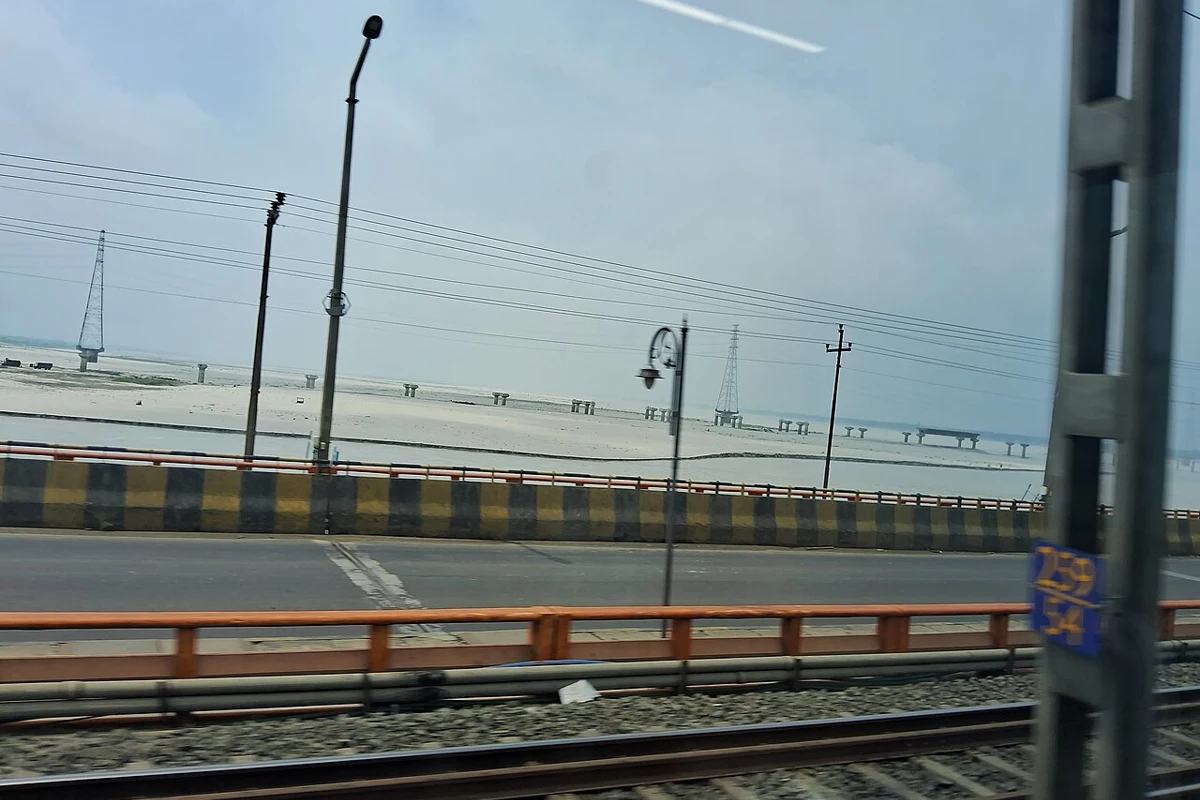
What should Indian families and travellers check?
They should distinguish the diplomatic exchange from the operational information relevant to their location or journey.
The High Commission of India in Dhaka is an official source for Indian consular information and notices. A family should check the relevant current notice and service details rather than infer a new travel restriction from a political statement.
For a booked journey, confirm the operating service and local transport arrangements with the provider. The fact that violence has been reported does not establish that every service is suspended; the absence of a broad national announcement does not establish that every local route is unaffected.
The same discipline applies when sharing information. Keep the location, date and original source with a report. An old incident recirculated without its date can create a false impression about present conditions, while an unverified claim about responsibility can deepen the political dispute without helping people assess a practical risk.
The News section provides the wider regional context. The relevant practical question for a family is the status of the service or journey it needs, rather than whether a diplomatic statement sounds conciliatory or confrontational.
What happens next?
The next substantive developments would be an official bilateral announcement, a documented legal step concerning Hasina or a published outcome on the water-sharing negotiations.
On responsibility for the violence, the relevant evidence will come from the investigations and proceedings concerning individual incidents. A further political accusation should be identified as such, rather than described as a completed investigation.
For the wider relationship, the approaching water-treaty deadline gives the governments a specific issue to address. Whether they can sustain practical cooperation through the political disagreement will be shown by those outcomes, not by a single statement of goodwill.