An Australian regulator could judge online services on how they anticipate and reduce harm under a bill before the Senate. The proposed digital duty of care would put the way a service is designed and operated under closer scrutiny. That could make questions about reporting tools or the way a service steers users towards material as important to the regulator as an individual complaint about a post.
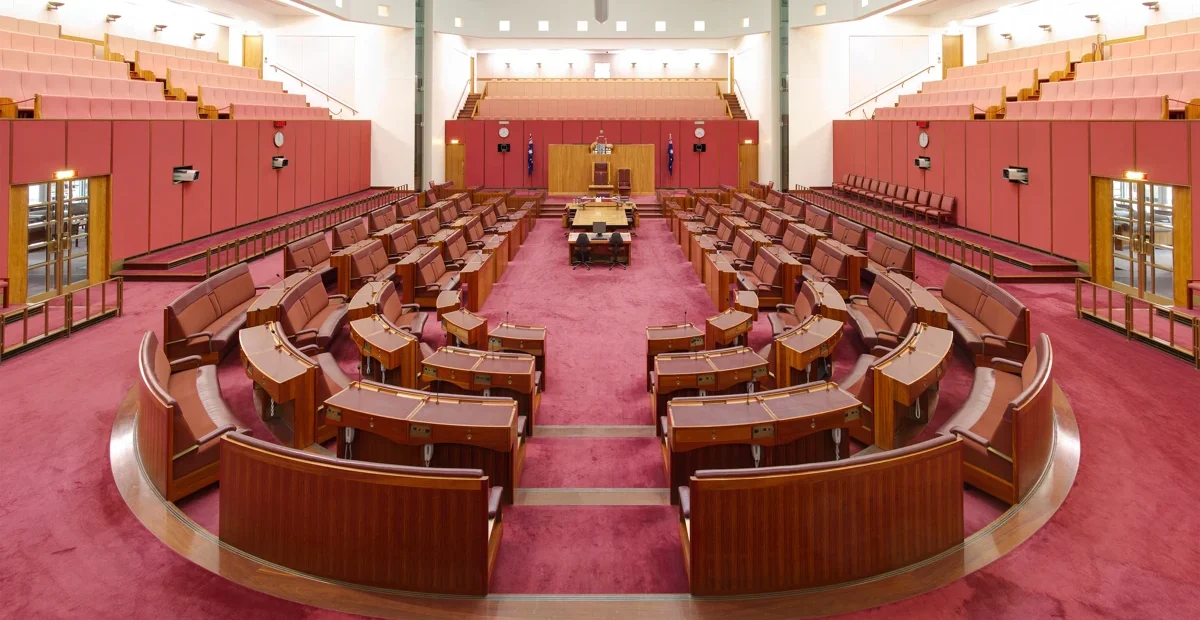
The Senate agreed to the second reading of the Online Safety Amendment (Digital Duty of Care) Bill 2026 at its 24 November sitting. That vote advanced the bill for further consideration. The reach of the proposed duties will depend on the final text and when any new provisions begin.
What would a digital duty of care require of platforms?
The bill would require covered services to take steps to address reasonably foreseeable risks connected to how their services work. In its submission to the Senate inquiry, the eSafety Commissioner supports the risk-assessment framework and says it would provide a record against which the regulator can assess compliance.
The regulator has asked for stronger tools to test what companies put in those assessments, including powers to require a reassessment or an independent audit in specified circumstances. A written assessment can describe a safeguard. An audit or a demonstration can test whether that safeguard works the way the provider says it does. Those are recommendations put to Parliament during scrutiny of the bill.
A service interface illustrates what the regulator might examine. A setting can be advertised as easy to find, but the people who need it may have to work through several screens to reach it. The question for a system-level assessment would concern how the feature works in practice for users and what the provider measures to check that it reduces a risk. That kind of assessment is different from counting the number of reports received.
What is a reasonably foreseeable risk?
In this context it is a risk a covered service can reasonably anticipate from the way it is designed or used. The regulatory question is what the service knew or could reasonably identify and what steps it took in response.
Why are senators arguing over the scope of the bill?
The dispute includes whether individuals should be able to seek a civil remedy and whether the text gives businesses enough certainty about who is covered. Communications Minister Anika Wells said on 23 November that small businesses would be exempt. Business groups asked for the protection to be set out clearly in the law, arguing that a small operator should be able to tell whether its ordinary website falls within the scheme.

Liberal senator Sarah Henderson set out the Coalition’s opposition in the second-reading debate. The Greens pressed for stronger rights for people harmed, including a way to bring a civil action. A committee recommendation or announced exemption can shape the final text, but readers will need to see the actual amendments before relying on either.
The civil remedy question matters because a regulator’s action and an individual’s claim serve different purposes. The regulator can investigate whether a provider complied with its obligations across the service. A civil claim would concern a person’s ability to seek relief for harm or loss in their own case. The two questions also involve different practical details, including which conduct counts, who can bring a claim and what they have to show. Those details cannot be inferred from the title of the bill or from the announcement that services would have a duty.
Henderson also raised the future of existing online safety codes and standards in the Senate debate. That makes the transition provisions worth reading alongside the headline duty. An existing rule can continue to apply during a transition even when Parliament has already agreed to its replacement.

How does this fit with the rules families already know?
The social media minimum-age rules concern account access for under-16s on designated platforms. The duty of care proposal tackles how covered services handle identifiable risks. A discussion about age checks alone therefore tells a family little about whether a provider must improve its reporting process or how its regulator would examine the provider’s response.
Australia also has specific reporting and regulatory routes already in place. The existing industry codes and standards describe present obligations across types of digital service, and the separate debate over under-16 account restrictions and India gives context for the age measure. The November bill raises a different question about a provider’s responsibility for the systems it operates.
What can families do about an incident today?
Use the platform’s reporting tools and check the eSafety Commissioner’s reporting guidance for the type of harm involved. Keep the account name, web address, time and any relevant reference numbers. Where it is safe and appropriate, keep the correspondence showing how the platform responded. The regulator explains the applicable process and whether the platform should receive the complaint first.
If a family wants to know whether a service responds reliably, it can also check where to find the platform’s rules, how to restrict who can send messages and whether a report yields a case number. Those are practical checks available now. The proposed system-level duty is a separate question for Parliament.
Use the specific complaint form eSafety lists for the issue. Its website gives separate reporting routes for child cyberbullying, serious adult cyber abuse and other categories of online harm. Read the relevant route before sending evidence, because the steps and information needed can differ. A plain record of when an account was contacted, which service handled the report and what happened afterwards is more useful than a general description of a platform’s behaviour.
How does a family make a child cyberbullying report now?
The eSafety Commissioner’s child cyberbullying guidance says the scheme can investigate harmful material that targets a specific child under 18 living in Australia, where the scheme’s requirements are met. A parent or guardian can report on a child’s behalf. The first step in that process is generally to complain to the platform and record whether it helped.
Keep any complaint reference number and note the date and time. eSafety’s guidance for people supporting a child explains that such records can show a platform was notified. If the child is distressed by seeing the messages again, a trusted adult can help with the report and the evidence. Follow the reporting instructions for the type of material rather than sharing it again to draw attention to the incident.
An adult who experiences seriously harmful online abuse can check the conditions for the separate adult cyber abuse route. These individual complaint processes address specified categories of harm. The bill’s proposed risk assessment would give the regulator a different question to consider, including whether a service had taken steps to address a foreseeable risk that could affect more than one user.
Which details in the final bill would affect the way it works?
Check the scope, the duty, the enforcement route and the start date. The scope determines which services are covered. The wording of the duty sets out what a provider must do. The enforcement provisions determine whether the regulator, an individual, or both can take a particular action. The start date then determines when a new requirement begins to apply.
Those distinctions also help interpret the debate on a civil remedy. A promise to strengthen accountability does not specify which people could bring a claim or what they would need to prove. Any new right to seek a remedy would need to be read with the agreed text before someone could decide whether it applied to a particular incident.
What did the Senate’s second-reading vote settle?
The vote allowed the bill to proceed beyond the second-reading stage. In proceedings on 24 November, the Senate defeated separate second-reading amendments before agreeing to the second reading itself. A second-reading amendment and an amendment to the text of a bill are different procedural steps. Neither the vote to advance the bill nor the defeat of a second-reading amendment settles the wording of any exemption or civil remedy.
The eSafety Commissioner’s inquiry submission points to another issue Parliament can consider. A regulator needs enough evidence to tell whether risk controls work across a service. The submission asks for resources and tools to review providers’ decisions and test their assessments. That matters for families because even a clear reporting route on paper has to work when someone tries to use it. The eventual legislation and its implementation will show which powers the regulator can use to test that.
What will determine whether the bill changes anything for users?
Watch the final text for how it defines covered services, any small-business exemption, the regulator’s enforcement powers and whether it creates a civil route for people affected. Then check the commencement and any transition provisions. Those details will show what duties a family can expect a platform to have and when any new route would become available.