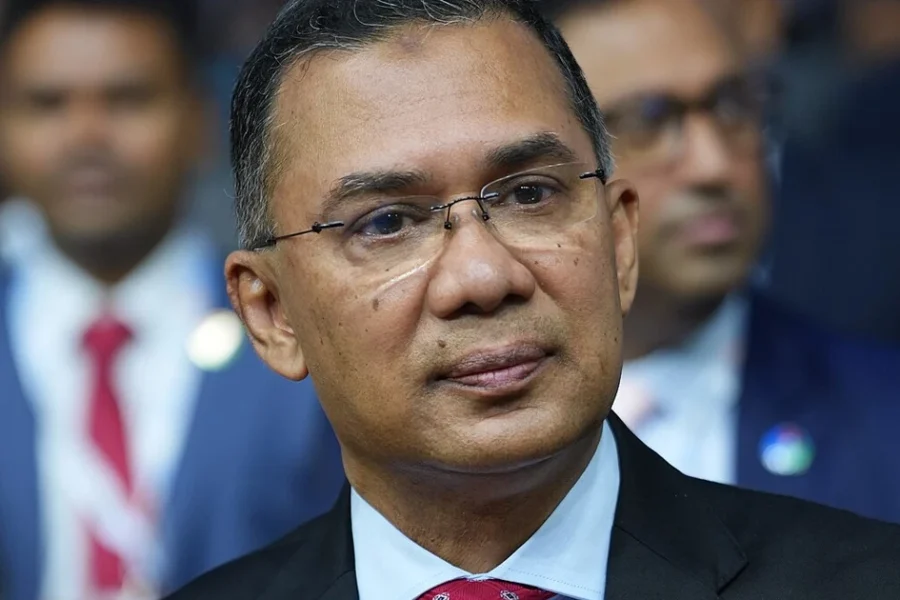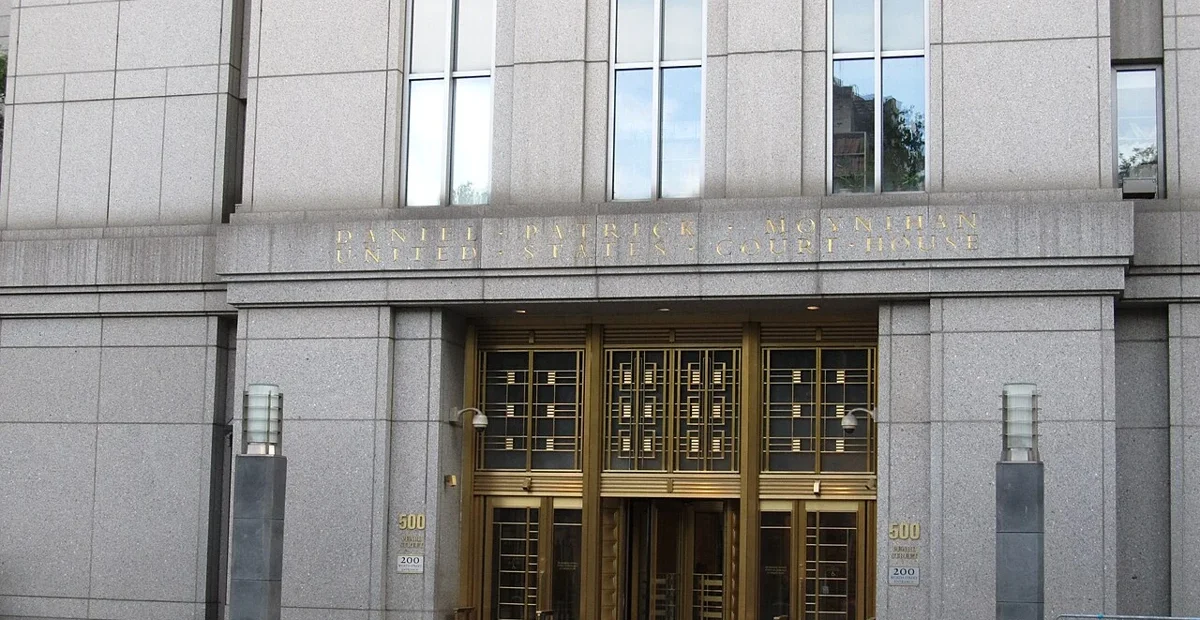
India has maintained its rejection of the Pannun civil lawsuit while a New York federal court seeks assistance from three Delhi district courts to serve documents on national security adviser Ajit Doval and former intelligence chief Samant Goel. The dispute concerns how the case reaches the defendants, not a judgment establishing the allegations against them.
Ministry of External Affairs spokesperson Randhir Jaiswal reiterated India’s position on 20 November 2026. The court’s earlier orders authorise a route through the Indian judiciary after previous attempts to serve the documents had failed. India has said requests for service must pass through its designated central authority.
A separate criminal prosecution has meanwhile reached a different stage: Nikhil Gupta was sentenced on 20 November to 235 months in prison after pleading guilty. That conviction must not be presented as a civil finding against Doval, Goel or every other person named in the lawsuit.
What has changed in the Pannun civil lawsuit?
The US court has authorised service on Doval and Goel through the appropriate district courts in Delhi and requested those courts’ assistance.
In her 9 November order, US District Judge Katherine Polk Failla granted the plaintiff’s motion to pursue that method. The order required a packet of summonses, legal materials and records of the unsuccessful earlier service attempt for the court’s approval.
A subsequent order in the public docket directs the clerk to transmit the materials to the Patiala House, Dwarka and Tis Hazari district courts. It requests service under the procedures applicable to the receiving courts and asks them to return a written record of what they do.
The document bears the printed date 13 November; the docket records it as signed on 17 November. Keeping those dates distinct avoids presenting the transmission order as a new ruling issued on the day India responded publicly.
Neither the authorisation nor the request establishes that service has been completed. The next relevant record would concern what happened to the documents and whether service was effected.
What does service of a summons establish?
Service is the formal process of providing a defendant with the summons and relevant case documents. It concerns notice and procedure. It does not, by itself, establish liability, prove an allegation or determine the final outcome of a lawsuit.
What is India’s stated objection?
India rejects the lawsuit and maintains that requests to serve judicial documents in India must be routed through its designated central authority.
At the 20 November media briefing, Jaiswal referred back to the government’s rejection of what it calls baseless lawsuits and said that remained its position.
The position described in the earlier official response identifies the Ministry of Law and Justice as India’s designated central authority for service requests. The US court, by contrast, has relied on a provision of the Hague Service Convention that preserves certain additional methods permitted by a contracting state’s internal law.
These are different legal positions about the available route. A diplomatic statement should not be treated as an Indian judicial ruling on the particular request, just as the American order should not be described as proof that an Indian court has already accepted or executed it.
The dispute therefore has both a governmental and a procedural dimension. The fact that India rejects the underlying allegations does not erase the existence of the US proceedings; the existence of those proceedings does not establish that the allegations are true.

Why does the Hague Service Convention matter?
The convention supplies the international framework relevant to the attempt to serve civil documents across borders.
The official convention text addresses service abroad of judicial and extrajudicial documents in civil or commercial matters. Article 5 describes service through a designated central authority. Article 19 preserves internal-law provisions allowing certain other methods of transmitting documents from abroad for service within a contracting state.
Judge Failla’s reasoning relies on Article 19 together with Indian procedural law. That is more specific than a claim that a US judge can disregard every Indian requirement or order any foreign official to appear by sending an ordinary letter.
The distinction also limits the conclusions that can be drawn from the order. It authorises a proposed means of service in this case. It does not make a general ruling that all foreign lawsuits against Indian officials must succeed, or that every method of delivery is valid.
For readers following cross-border litigation, the important questions are which legal provision is invoked, what the receiving legal system permits and what evidence of service ultimately appears in the case record.
What Indian law did the judge rely on?
The court relied on section 29(c) and Order V, rule 21 of India’s Code of Civil Procedure, alongside a 2009 government notification.
Section 29 concerns summonses from specified courts outside India. In the US court’s account, the notification extends the provision to civil courts in countries that are parties to the Hague Service Convention. The later order cites that legal basis in requesting help from the Delhi courts.
Order V, rule 21 addresses transmission to a court with jurisdiction where a defendant resides. The receiving court is therefore part of the proposed procedure, rather than a courier destination with no further role.
The published Code of Civil Procedure and the US orders are the documents to consult when examining the argument. The civil procedure being discussed is not an extradition request and does not itself authorise an arrest.
The legal question should also be kept separate from the substantive dispute. A court may consider service before it reaches other objections or the merits. Successful delivery of documents would not settle every question about jurisdiction, immunity or liability.
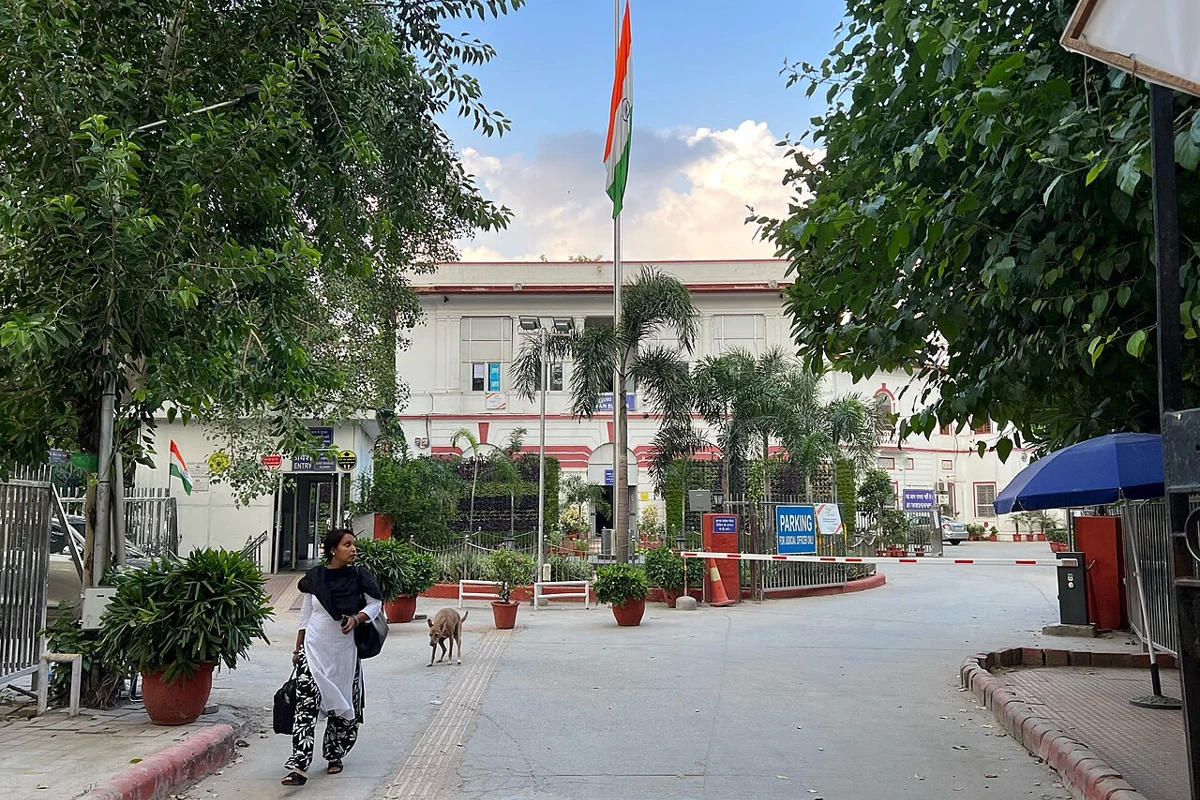
Who is bringing the case, and what is alleged?
Gurpatwant Singh Pannun brought the civil action in 2024, alleging a conspiracy against him in connection with his advocacy for an independent Sikh state.
The court record identifies the Government of India, Doval, Goel, Vikram Yadav, Gupta and unnamed defendants. Pannun is an American and Canadian citizen and general counsel for Sikhs for Justice. India rejects the case; the allegations against the officials must remain attributed to the plaintiff and the proceedings.
The current service orders concern Doval and Goel. They should not be described as one ruling resolving the position of every defendant or establishing that all named parties took the same actions.
The use of Vikram Yadav in the civil case caption also needs care. In the separate criminal proceedings, US authorities identified Vikash Yadav. The civil caption and the prosecution’s identification are different records, not a reason to invent an additional defendant or silently alter the court’s title.
How is Gupta’s criminal sentence different?
Gupta’s sentence follows a guilty plea in a criminal prosecution and is separate from the disputed civil claim.
The US Department of Justice’s 20 November announcement records a sentence of 235 months, equivalent to 19 years and seven months. It says Gupta pleaded guilty in February 2026 to murder-for-hire, conspiracy to commit murder-for-hire and conspiracy to commit money laundering.
US District Judge Victor Marrero imposed that sentence. Judge Failla is handling the civil lawsuit. Distinguishing the judges helps prevent the two proceedings from being collapsed into one case.
Gupta’s guilty plea means his own criminal responsibility has reached a stage different from allegations that remain disputed against others. A conviction or admission by one defendant does not dispense with the need to establish another person’s responsibility through the applicable process.
The prosecution’s earlier sentencing request, covered in the previous report on Gupta’s case, was a request. The 235-month sentence is the outcome announced by the Justice Department on 20 November. Readers comparing the figures should not substitute the earlier request for the sentence actually imposed.
| Proceeding or step | What is established in the cited record | What should not be inferred |
|---|---|---|
| Civil service authorisation | A US-approved route to seek service through Delhi courts | That the allegations are proved |
| Request to Indian courts | Assistance and a record of proceedings have been requested | That service has already been completed |
| Gupta’s criminal case | Guilty plea followed by a 235-month sentence | A civil judgment against all other defendants |
| India’s diplomatic response | The government rejects the lawsuit and disputes the service route | A published decision by a receiving Delhi court |
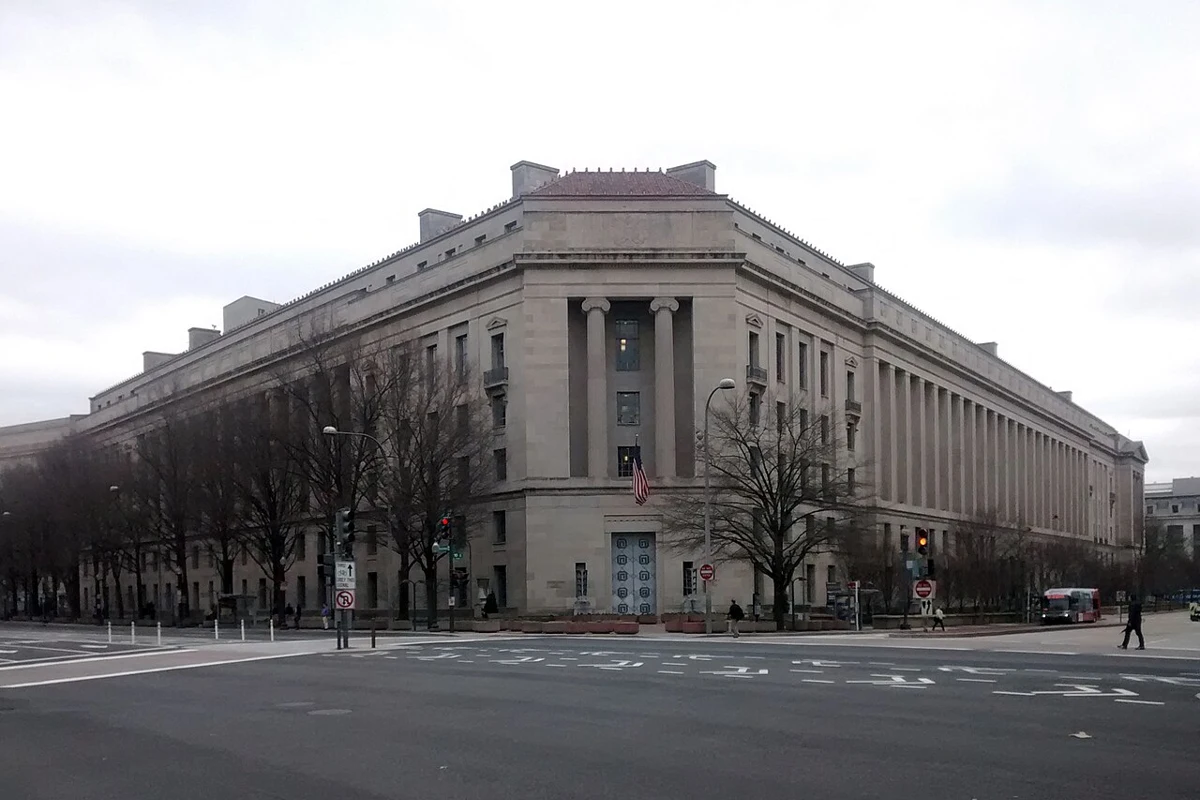
What should readers watch in the court record?
The next useful documents would establish whether the requested service occurred and how the parties and courts address the resulting procedural questions.
A report that papers were transmitted answers a narrower question than a report that they were accepted, served or recognised as sufficient service. Those stages should be checked separately. An absence of a newly published record is not evidence that an unreported step has occurred.
For people comparing overseas civil disputes, the lesson is about identifying the correct process. A civil summons, a criminal charge, an extradition request and a final judgment have different purposes and legal effects.
The broader diplomatic context is covered in the News section. In this case, the documented Indian and US positions can be reported together without treating either a diplomatic rejection or a procedural order as the final outcome.
What happens next?
The immediate procedural issue is the response to the request for judicial assistance and any subsequent record of service.
The underlying civil allegations remain a separate matter for the proceedings. India’s public rejection continues to stand alongside the US court’s interpretation of the service framework, while Gupta’s criminal sentence belongs to its own case.
A later development should be described by the stage it actually reaches. That is the difference between reporting a request for help, a completed procedural step and a decision on responsibility.