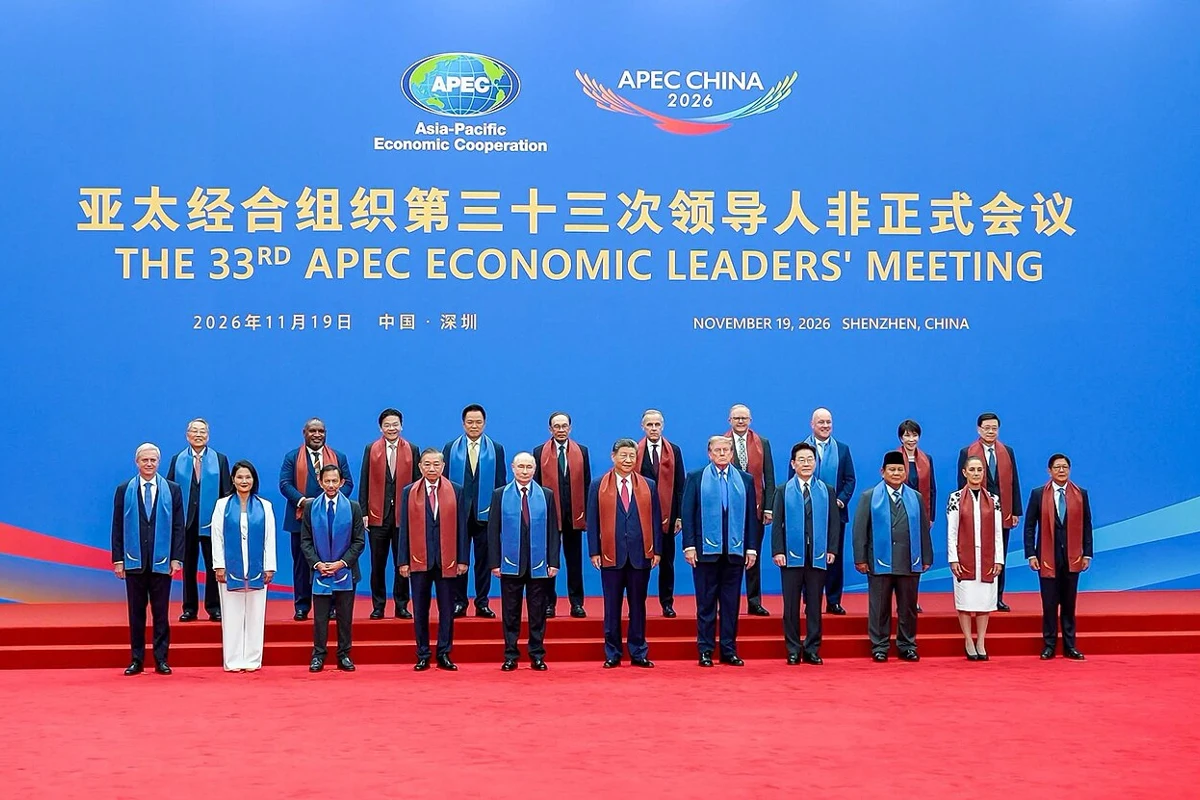
Australia and China have agreed to establish a government dialogue on artificial intelligence, turning a Beijing business visit into a new channel for discussing the technology’s safety, governance and use. The China trade talks on 20 November 2026 also produced commitments on clean energy, health and tourism, alongside discussions about the conditions companies need to invest.
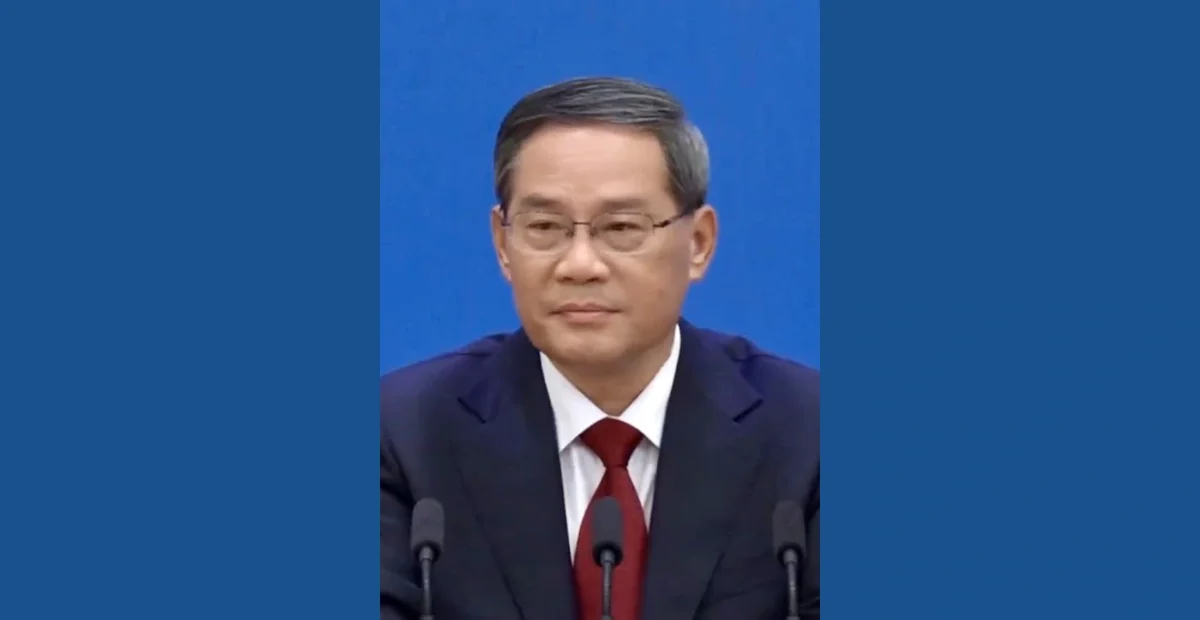
Prime Minister Anthony Albanese and Premier Li Qiang attended the ninth Australia–China CEO Roundtable in Beijing after Albanese’s meetings at the APEC summit in Shenzhen. Their joint outcomes statement identifies the AI dialogue as an agreed initiative, rather than simply an idea raised by executives.
For Australian businesses, the immediate distinction is between an announced government mechanism and a new commercial entitlement. The meeting did not, by itself, give every exporter new market access, change a product’s tariff or alter an international student’s visa conditions.
What did the China trade talks actually agree?
The leaders agreed to establish an AI dialogue and announced further cooperation across several parts of the bilateral relationship.
The 20 November joint outcomes statement says the dialogue will cover AI safety, governance and application. Those categories encompass both managing risks and discussing how the technology is used. The statement does not provide a completed regulatory code or say that the two countries have adopted identical rules.
The leaders also announced a joint statement on climate change and the clean energy transition. Their published outcomes refer to cooperation on lower-emissions iron and steel, health, border enforcement and exchanges between people and institutions.
A China–Australia Year of Tourism is planned for 2027, with a tourism dialogue to be held in Australia. Those announcements create a timetable for further activity. They should not be confused with a new visa waiver or a guarantee that a particular flight or tourism product will operate.
The next Annual Leaders’ Meeting is also planned for 2027. The document therefore combines immediate announcements with work that still needs programmes, meetings or implementation arrangements.
What is a bilateral AI dialogue?
It is an organised channel for two governments to exchange views on artificial intelligence. In this case, the agreed subjects are safety, governance and application. Establishing the dialogue does not itself approve a company’s product or replace either country’s domestic law.
Why did Albanese emphasise China’s economic importance?
Albanese presented a stable relationship with China as an Australian economic interest while acknowledging that the countries have continuing differences.
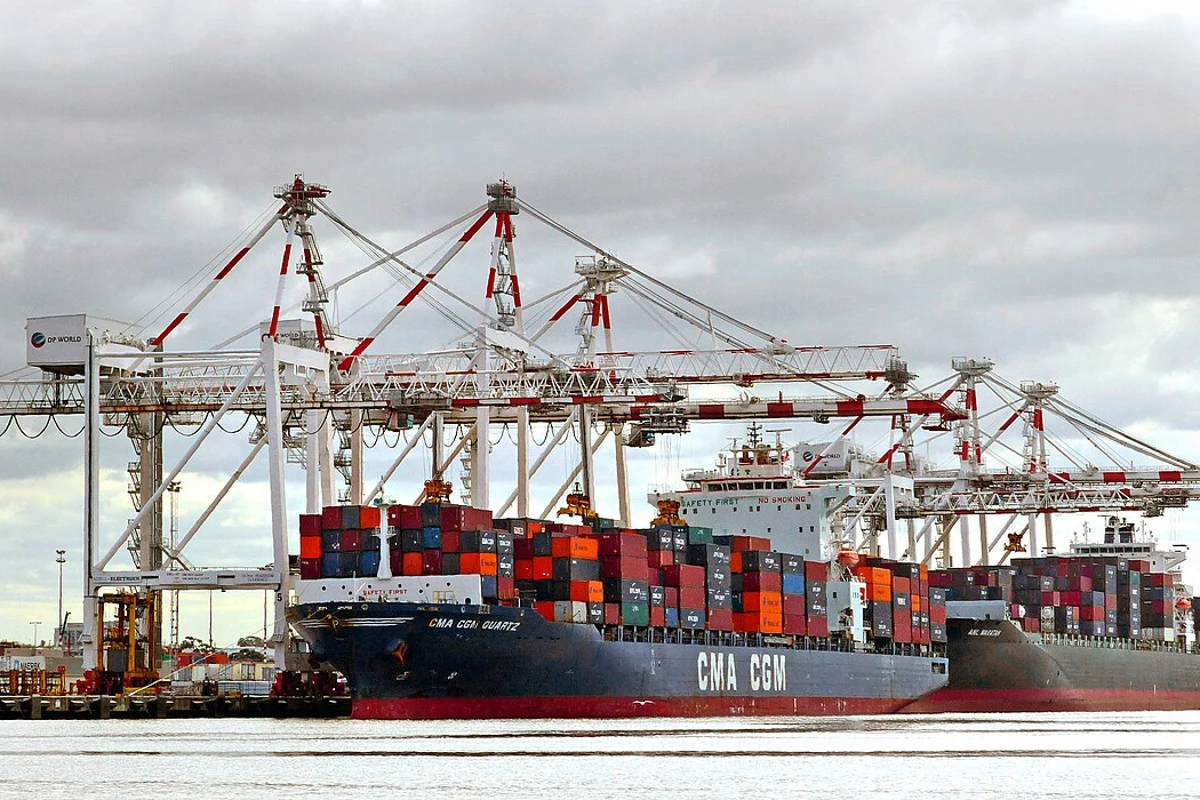
In his 20 November Shenzhen press conference, the prime minister said China represented 25 per cent of Australian exports. He separately said one in four Australian jobs depended on trade.
Those statements describe different things. The export share concerns one destination; the employment statement concerns trade generally. It would be wrong to turn them into a claim that one in four Australian jobs depends specifically on China.
The distinction also matters when comparing headlines that use exports, imports and total two-way trade interchangeably. A percentage needs its stated measure and source. Albanese’s export figure is reported here as his assessment in the dated official transcript, rather than as a newly calculated statistical series.
His argument was that engagement allows Australia to pursue commercial interests and address disagreements directly. He did not say that differences in political systems or strategic interests had disappeared.
Which businesses and institutions joined the roundtable?
The Australian participants included executives from banking, mining, engineering, agriculture, medical technology, legal services and higher education.
Business Council of Australia President Geoff Culbert’s published report-back identifies representatives of ANZ, BHP, Worley, Monash University, Rio Tinto, GrainCorp, SunRice, Herbert Smith Freehills Kramer and Cochlear, alongside Business Council chief executive Bran Black.
The range explains why the discussions went beyond the resources trade. Banks and professional advisers have different commercial questions from agricultural exporters, while universities and medical-technology companies bring research, training and service relationships into the conversation.
Participation is evidence that these organisations were represented. It is not evidence that every participant signed a contract, received an approval or secured a new concession. No such blanket result appears in the roundtable’s published account.
Culbert’s report described four areas of discussion: AI adoption, green cooperation and industrial decarbonisation, agricultural technology and productivity, and services. The common commercial concern was whether policy and regulatory conditions would support longer-term investment.
What did the four discussion areas involve?
The roundtable connected technological change with existing trade relationships rather than presenting a single new industry deal.
| Area discussed | Focus in the published roundtable account | What still needs a specific decision |
|---|---|---|
| Artificial intelligence | Business use of AI and digital tools for productivity and customer outcomes | The scope of any project and applicable rules |
| Industrial decarbonisation | Lower emissions in resources and energy-intensive industries, including iron and steel | Commercial arrangements, investment and implementation |
| Agricultural technology | Better use of farm data, supply-chain technology and analytics | Product access and operational requirements |
| Services | Education, healthcare, medical technology, professional services and finance | The terms applying to each institution or business |
The table separates discussion from delivery. A shared interest can help establish a project, but it does not establish the project’s price, funding, regulatory treatment or start date.
The leaders’ joint statement provides a more specific institutional reference for steel: an inaugural policy dialogue held in Canberra on 2 November 2026. The Department of Industry’s account, updated on 18 November, also records work on this subject.
That gives the industrial discussion a continuing process beyond a one-day meeting. It does not demonstrate that every proposed lower-emissions technology is commercially ready.
What did Monash University ask governments to do?
Monash’s vice-chancellor advocated regular ministerial education dialogue and more support for two-way student mobility.
The university’s 21 November account of Professor Sharon Pickering’s participation identifies these as policy priorities she raised. Advocacy for additional funding should not be reported as funding already awarded.
The university also set out research interests relevant to the meeting, including lower-emissions industrial production and AI governance. Its participation illustrates how education relationships can include joint research and student exchanges as well as recruitment.
For students reading the announcement, three questions remain separate: whether an institution plans an exchange, whether a student meets its academic requirements, and whether the necessary travel permission is available. A leaders’ statement does not settle all three.
For families and employers in Australia, the education discussion is consequently broader than student recruitment. It concerns the connections between teaching, research, industry and the public rules within which those institutions operate.
Where do market access and ChAFTA fit?
The existing China–Australia Free Trade Agreement remains a separate framework from the roundtable and the new dialogues.
The joint statement acknowledges ChAFTA’s contribution and refers to progress on its General Review. Culbert’s account also identifies predictable trading arrangements, fair competition and improved agricultural market access as business priorities.
A review is not the same as an amendment taking effect. Companies need the relevant published instrument or guidance before treating a proposed change as an operating rule. The same distinction applies to regulatory certainty: requesting it does not prove that every uncertainty has been resolved.
For firms working across more than one market, a China-specific outcome should also be kept separate from Australia’s arrangements with India. The earlier APEC report explains the regional setting; this Beijing meeting concerns the bilateral relationship and its practical work programme.
The Business section provides a wider setting for related trade and economic coverage. None of the Beijing announcements establishes a special commercial right based on a business owner’s ethnicity or overseas family connections.
What should businesses and families check before acting?
They should identify the particular announcement relevant to their plans and then check the implementing authority or institution.
An exporter should distinguish a market-access discussion from a published product approval. A university applicant should look for an actual exchange or mobility programme, including its funding and eligibility rules. A technology business should establish which domestic requirements apply to its proposed activity, rather than treating a dialogue as regulatory clearance.
Dates also matter. The roundtable and leaders’ meeting took place on 20 November 2026; the tourism year and next leaders’ meeting concern 2027. Announcing future cooperation does not bring every associated opportunity into effect immediately.
The official records support a concrete conclusion: the two governments have agreed new channels and identified areas for further work. Whether those channels yield a contract, a research partnership or a change in access will depend on decisions that can be examined separately.
What happens next?
The next substantive tests are the establishment of the AI dialogue, follow-through on the announced cooperation and publication of any operational changes.
The leaders’ statement points to further government meetings in 2027, while the Business Council account looks ahead to a tenth CEO Roundtable. The planned tourism year also gives both countries a stated period in which to organise related activity.
For readers assessing the relationship, the useful evidence will be specific: the dialogue’s agenda, the agencies involved, an agreed project or a published rule. Those records will show which opportunities discussed in Beijing have moved into implementation.