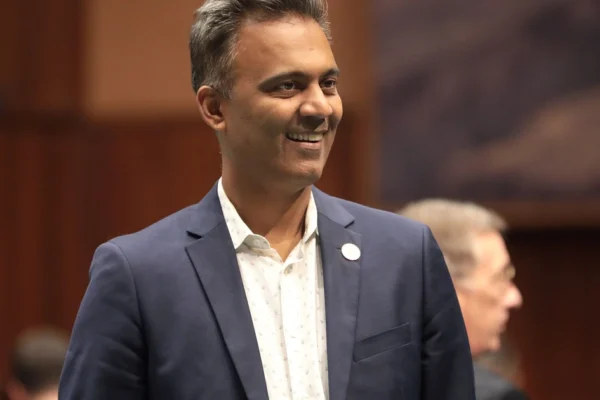
The Pannun plot case returns to a New York judge to decide between sharply different sentencing positions in the case of Nikhil Gupta, the Indian national who admitted helping arrange the killing of a US-based Sikh activist.
The Pannun plot case returns to court for sentencing on 20 November 2026. US prosecutors have requested 293 months in prison, while Gupta’s lawyers seek 144 months. The requests amount to 24 years and five months and 12 years respectively; neither is the sentence imposed by the court.
Gupta pleaded guilty in February to murder-for-hire, conspiracy to commit murder-for-hire and conspiracy to commit money laundering. His case is separate from the unresolved charges against Vikash Yadav, the former Indian government employee accused of directing the operation. Yadav is presumed innocent unless proved guilty.
The distinction between an admitted offence, a prosecution allegation and a sentencing argument is central to understanding the next hearing. It is also important for readers following the case’s implications for political expression and the security of people of Indian origin abroad.
What is the court deciding in the Pannun plot case?
US District Judge Victor Marrero is due to determine Gupta’s sentence following his guilty plea, rather than conduct a trial of Yadav.
The case concerns a foiled operation targeting Gurpatwant Singh Pannun in New York. Pannun is a US citizen, a lawyer and a Sikh separatist activist associated with Sikhs for Justice.
The Drug Enforcement Administration’s record of the plea confirms that Gupta admitted the three offences on 13 February 2026. The Justice Department said US law enforcement had prevented the planned killing.
The plea resolves Gupta’s guilt on those counts. It does not determine every disputed statement in submissions about punishment, and it does not establish another defendant’s guilt.
Gupta was arrested in the Czech Republic in June 2023 and extradited to the United States in June 2024. The court later rescheduled sentencing to 20 November. Reporting a proposed sentence before that hearing requires the words prosecutors seek or defence requests, rather than a statement that the punishment has already been ordered.
What is a sentencing memorandum?
A sentencing memorandum is a submission asking a judge to impose a particular punishment and explaining why. It can contain contested arguments and allegations. It is not itself the judgement or sentence.
How far apart are the prosecution and defence?
The prosecution requests 293 months, while the defence asks for 144 months, a difference of 149 months.
Current accounts of the November sentencing submissions agree on those positions. Prosecutors seek the upper end of an advisory range of 235 to 293 months. The defence argues for a shorter punishment reflecting its account of Gupta’s role and personal circumstances.
| Position | Requested prison term | Status before sentencing |
|---|---|---|
| Prosecution | 293 months, or 24 years and five months | A request to the judge |
| Defence | 144 months, or 12 years | A competing request |
| Advisory guideline range cited in reporting | 235 to 293 months | A sentencing framework, not an automatic order |
| Actual sentence | Not yet imposed in the hearing covered here | To be decided by the court |
The prosecution characterises the offence as a grave attempt to kill a US citizen on American soil. The defence seeks leniency and disputes the weight that should be placed on aspects of Gupta’s conduct and circumstances.
The hearing will test those positions against the applicable law and the court record. The size of the gap does not establish that the judge will select either endpoint or split the difference.
The DEA’s February announcement lists statutory maximums of 10 years for murder-for-hire, 10 years for the related conspiracy and 20 years for money-laundering conspiracy. Those figures describe potential punishment under the statutes. They should not be added up and reported as Gupta’s actual sentence.
Who is Vikash Yadav, and what has the US alleged?
US prosecutors accuse Yadav of directing the planned killing while he was employed by the Indian government, but the charges against him remain allegations.
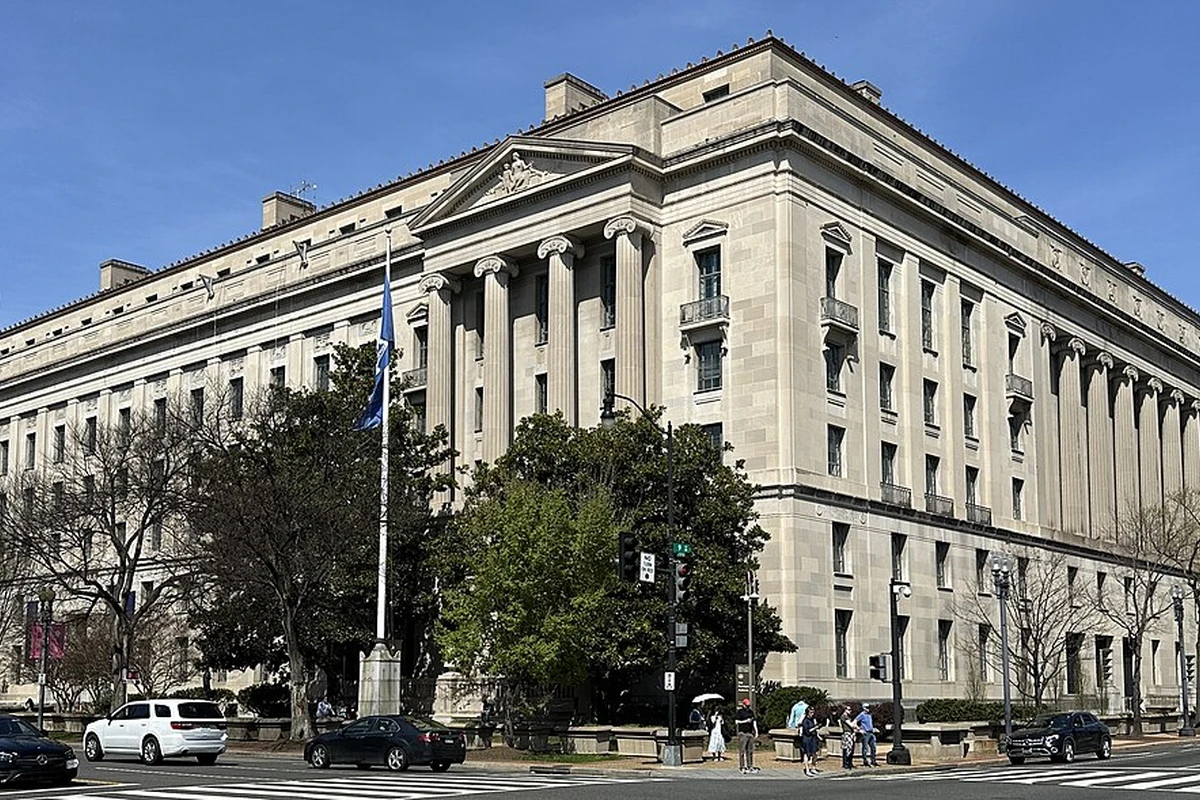
The Justice Department’s October 2024 announcement named him in a superseding indictment. It alleged that he recruited Gupta to help organise the assassination from India.
The department described Yadav’s employment at the Cabinet Secretariat, which houses the Research and Analysis Wing. His alleged role in the operation is part of the US criminal case, rather than a finding reached after a trial of him.
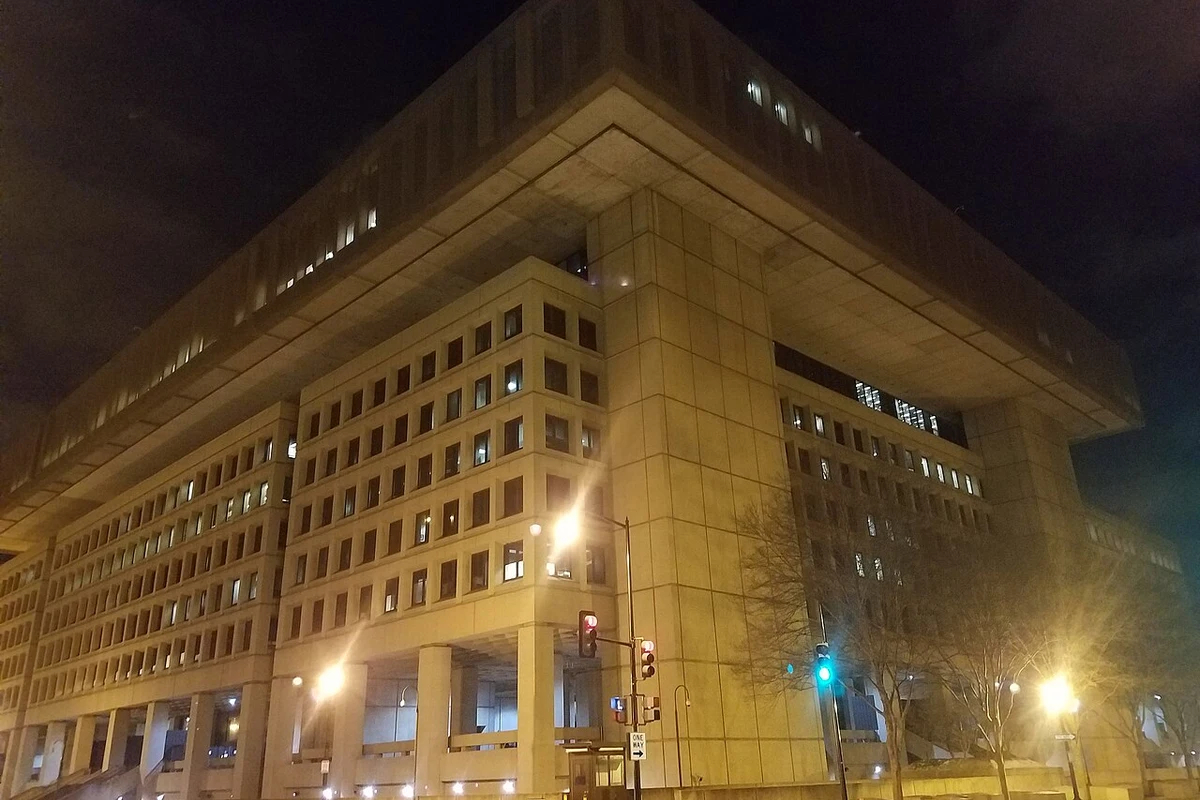
The FBI’s public wanted notice continues to list Yadav in connection with the alleged plot. The notice is evidence of the authorities’ request for information and the accusations they are pursuing. It is not proof that a jury has convicted him.
Gupta’s guilty plea cannot be treated as a substitute for the process owed to Yadav. Nor can a sentence imposed on Gupta be described as a punishment imposed on the former official.
How did investigators describe the foiled operation?
The original US case describes an operation in which people approached as criminal intermediaries were, in fact, cooperating with law enforcement.
According to the Justice Department’s charging account, Gupta sought someone he believed could arrange the killing. That contact was a confidential source working with the DEA. The person introduced as a would-be killer was an undercover officer.
The authorities allege that communications and a payment formed part of the effort to arrange the assassination. The operation was disrupted before the planned killing occurred.
These details explain why the case is a murder-for-hire prosecution despite the target surviving. The offence at issue concerns the arrangement and associated conduct, rather than a completed killing of Pannun.
The indictment is also a dated document. It was unsealed in October 2024 and is background to the current sentencing proceedings. Its publication should not be presented as a new charge announced in November 2026.
The latest hearing concerns the punishment for offences Gupta has admitted. Any new allegation in a sentencing submission still needs to be read in its documentary setting and distinguished from the findings the judge actually makes.
How has India responded to the case?
India has investigated information supplied by US authorities and said the person named in the US indictment was no longer a government employee.
In its 15 January 2025 statement, India’s Ministry of Home Affairs said a high-level committee had recommended legal action against an individual whose criminal links and antecedents emerged during its inquiry. The public statement did not name that person.
Those points describe India’s stated response. They do not amount to an admission of every allegation in the US case, and the unnamed individual should not be identified through assumption.
The criminal proceedings and the diplomatic response also operate through different institutions. A government statement about cooperation does not decide a defendant’s guilt. A prosecution filing is not a judgement about the responsibility of every person or institution it mentions.
That separation is especially important when social posts compress a complicated case into a claim that an entire government or community has been convicted. The court is considering particular people, particular counts and particular evidence.
What does this mean for people following the case abroad?
The case directly concerns an Indian-origin US citizen and alleged threats to political activity in the country where he lives.
It is therefore relevant to discussions about the protection of speech and personal security across borders. It does not establish a common level of risk for all people of Indian origin or every Sikh organisation.
Readers should check which proceeding a report describes. A criminal charge, a civil lawsuit, a guilty plea and a sentencing hearing have different purposes. A claim made in one cannot automatically be transferred to another as a finding.
For anyone with information about Yadav, the FBI notice provides the official route to contact the agency. Readers should use the published law-enforcement channel rather than circulate unverified locations or personal details online.
Related US coverage and reporting on immigration powers concern different legal questions. This criminal proceeding does not itself announce a visa rule or change the immigration status of Indian nationals generally.

What happens next?
The next scheduled step is Gupta’s sentencing before Judge Marrero on 20 November.
The court’s eventual order will establish the punishment. Until that order is available, the two requested terms should remain clearly attributed to the parties seeking them.
Yadav’s legal position must be checked separately. The FBI notice and indictment establish that US authorities are pursuing allegations against him; they do not establish that his case has reached the same stage as Gupta’s.
The next report should therefore identify what the judge actually orders, distinguish that decision from the sentencing requests and preserve the presumption of innocence for any accused person whose case remains unresolved.