Myanmar must provide reparations and enable safe, voluntary and dignified return after the International Court of Justice found it responsible for genocide against the Rohingya. The Rohingya genocide ruling delivered on 19 November 2026 establishes state responsibility for the 2017 operations in northern Rakhine State, while leaving the amount and arrangements for compensation to a later phase.
For India, the judgment strengthens an existing debate about refugee protection, return and accountability. It does not automatically grant citizenship, cancel a domestic immigration decision or impose a compensation order on New Delhi. Distinguishing the court’s orders to Myanmar from the responsibilities and choices of other states is central to understanding what changes now.
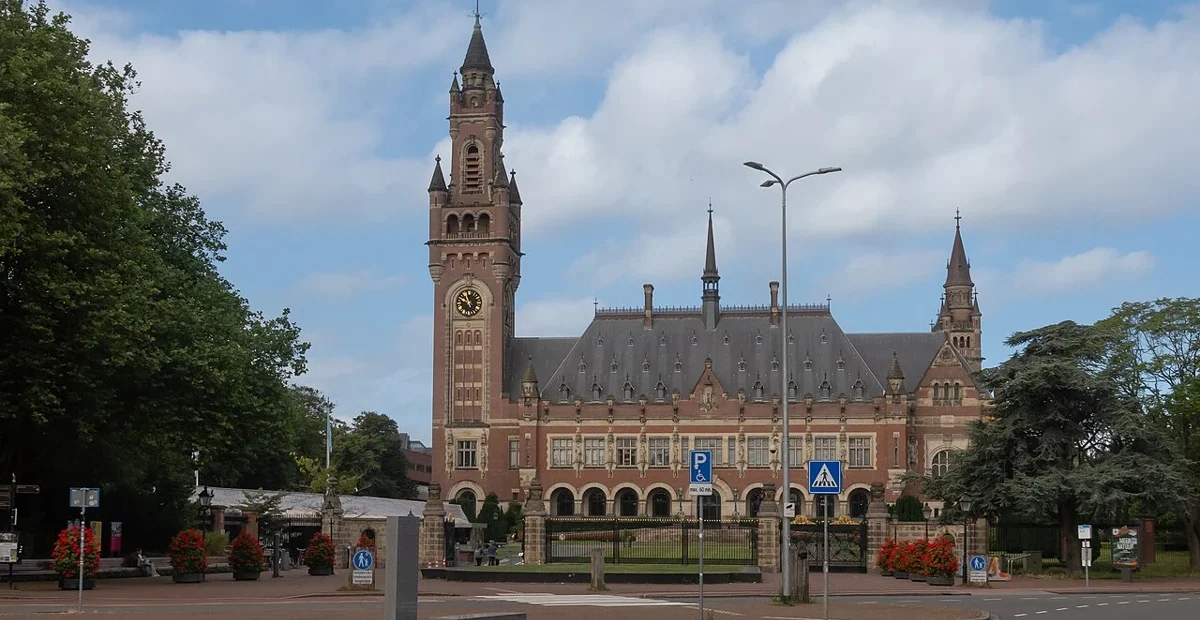
The court’s judgment arose from the case brought by The Gambia under the Genocide Convention. It concerns a state’s international responsibility, not the criminal conviction of an individual defendant. The difference affects both the remedies the court can order and how later accountability proceedings may develop.
What does the Rohingya genocide ruling establish?
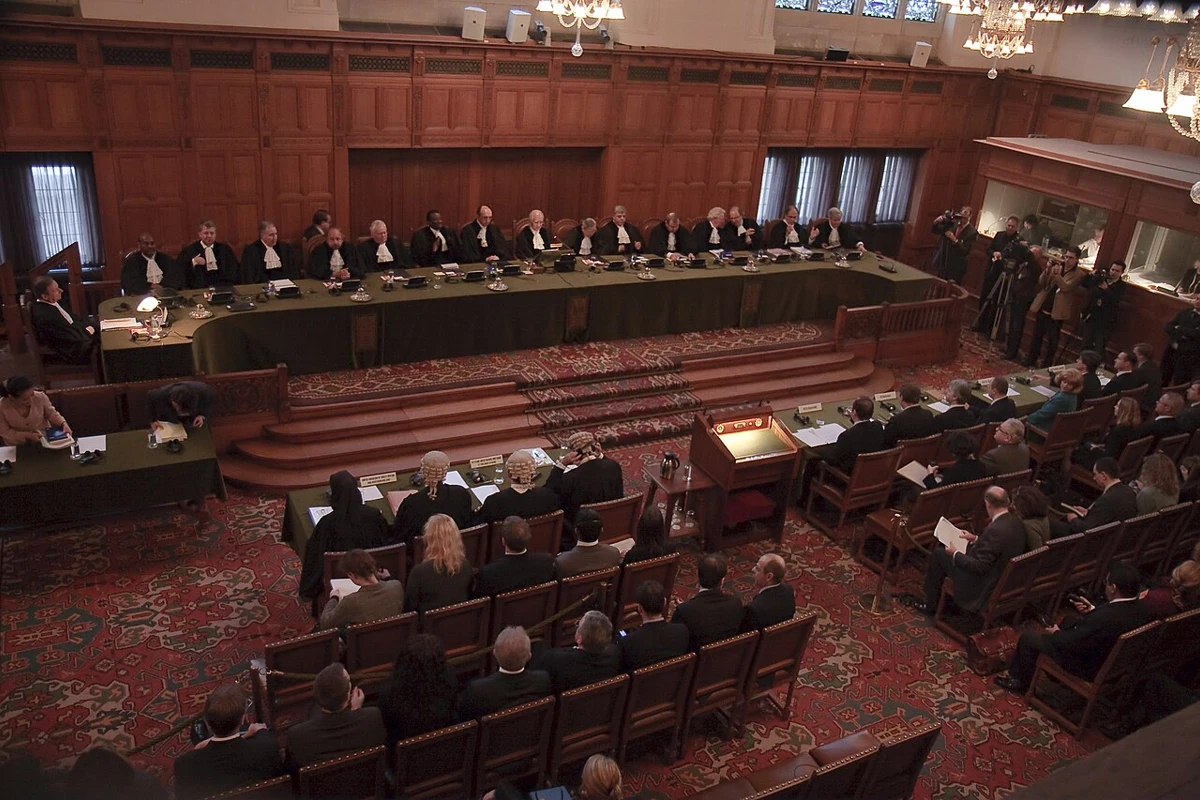
The court found that Myanmar committed genocide against the Rohingya group in northern Rakhine State during the 2017 military operations, breaching the Genocide Convention.
The Independent Investigative Mechanism for Myanmar’s account sets out the findings and remedies. It says the court also found failures to prevent and punish genocide, and a breach of the 2020 order concerning preservation of evidence.
The judgment is more than a renewed allegation or an interim warning. It is a decision on responsibility following proceedings in which the parties presented arguments and evidence. That does not mean every later legal question, including the amount of compensation or individual criminal responsibility, has been decided.
UN Secretary-General António Guterres described it as the first time the court had found a state responsible for committing genocide. His 19 November statement says the judgment is binding, final and without appeal, and calls for compliance.
The finding concerns Myanmar. It should not be rewritten as a judgment declaring every other government responsible, or as a conviction of a named military officer. Those would be different legal propositions requiring their own proceedings and evidence.
How is the ICJ different from the International Criminal Court?
The International Court of Justice resolves legal disputes between states. The International Criminal Court concerns the criminal responsibility of individuals within its jurisdiction. A finding against a state by the ICJ does not itself sentence a person to prison.
What has Myanmar been ordered to do?
The remedies concern ending violations, investigating and punishing perpetrators, preventing recurrence and providing reparations to the Rohingya.
The court’s orders include legislation giving effect to the Genocide Convention and steps to investigate people reasonably suspected of acts contrary to it, followed by prosecution and punishment where warranted. They also require assurances and guarantees against repetition.
Restitution includes measures allowing safe, voluntary and dignified return to people’s places of residence and the reunification of families. The conditions are part of the remedy: “return” cannot be read as permission for other states to send people back without regard to safety or their wishes.
Compensation is also required, but its amount and modalities are for a subsequent phase. The UN mechanism says Myanmar must transmit a report within two years concerning restitution measures and compensation arrangements.
There is therefore no universal payment figure that a refugee can calculate from the November judgment alone. Nor does the reporting requirement mean that every remedy may simply be postponed for two years. The immediate obligations and the later determination of compensation are separate parts of the process.
| Legal or policy question | What the judgment addresses | What does not follow automatically |
|---|---|---|
| Responsibility for genocide | Myanmar’s conduct under the Genocide Convention | Criminal conviction of every alleged perpetrator |
| Reparations | Restitution and compensation for the Rohingya | A fixed payment amount already payable to each person |
| Return | Safe, voluntary and dignified return and family reunification | Compulsory return regardless of risk |
| India’s refugee policy | A new judicial finding relevant to the protection debate | An order granting Indian citizenship or residence |
How have Myanmar and international institutions responded?
Myanmar’s government has rejected the judgment, while UN institutions have called for its implementation and stronger protection for survivors.
At the hearings, Myanmar defended the 2017 campaign as a counter-terrorism operation rather than genocide. On 20 November, its government described the ruling as unfair. The court nevertheless reached its finding on state responsibility after considering the case before it.
The disagreement does not change the status of the judgment. A state’s rejection of a binding decision is different from an available appeal or a successful legal challenge overturning it.
UN High Commissioner for Human Rights Volker Türk urged implementation of the remedies and support for accountability processes. His 19 November statement also called for support for reparations and predictable humanitarian funding, and opposed returns before conditions permit a safe and sustainable return.
These are related but distinct actions. Compliance with a court order, humanitarian assistance and national decisions on protection all require concrete measures; one cannot stand in for the others merely because the same people are affected.
Why does the judgment matter to India?
India is a party to the Genocide Convention and hosts people displaced from Myanmar, so the ruling has a direct treaty and regional-protection context.
The UN Treaty Collection records India’s ratification on 27 August 1959. It also records India’s declaration concerning Article IX, requiring the consent of all parties for submitting a particular dispute to the ICJ.
That jurisdictional declaration should not be confused with a rejection of every obligation in the Convention. The questions of whether a court can hear a particular dispute and what substantive obligations a treaty creates are different.
Article I concerns prevention and punishment of genocide. The convention does not itself create an automatic right to Indian citizenship for everyone who has fled a genocidal campaign, and this case did not adjudicate an Indian citizenship application.
The relevance is instead that decisions about safety, return and cooperation are now made against a final judicial finding of what Myanmar did. Arguments about prevention and protection must identify the applicable obligation and the actual circumstances, rather than assume that the judgment answers every domestic immigration question.
What is the disagreement over refugee protection and immigration control?
The dispute concerns how a state’s power to regulate entry and residence interacts with protection against return to serious harm.
UNHCR’s Myanmar emergency guidance urges states to allow civilians fleeing Myanmar access to their territories, uphold access to asylum and respect non-refoulement. That is the UN refugee agency’s protection position, which should be identified as such.
Human-rights lawyer Tanima Kishore argues that India should reassess its response to Rohingya displacement in light of the judgment. That is an argument about how existing responsibilities should be applied, rather than a new order made against India in the case.
The opposite error would be to treat immigration status as proof that return is safe. Whether a person has permission to remain and whether removal exposes them to prohibited harm are separate questions. The relevant law and the individual assessment need to be addressed rather than answered by a group label.
A final finding of genocide also does not identify the risk faced by every person in every location on every later date. Protection decisions require current information, while taking the established record of persecution and the conditions for return seriously.
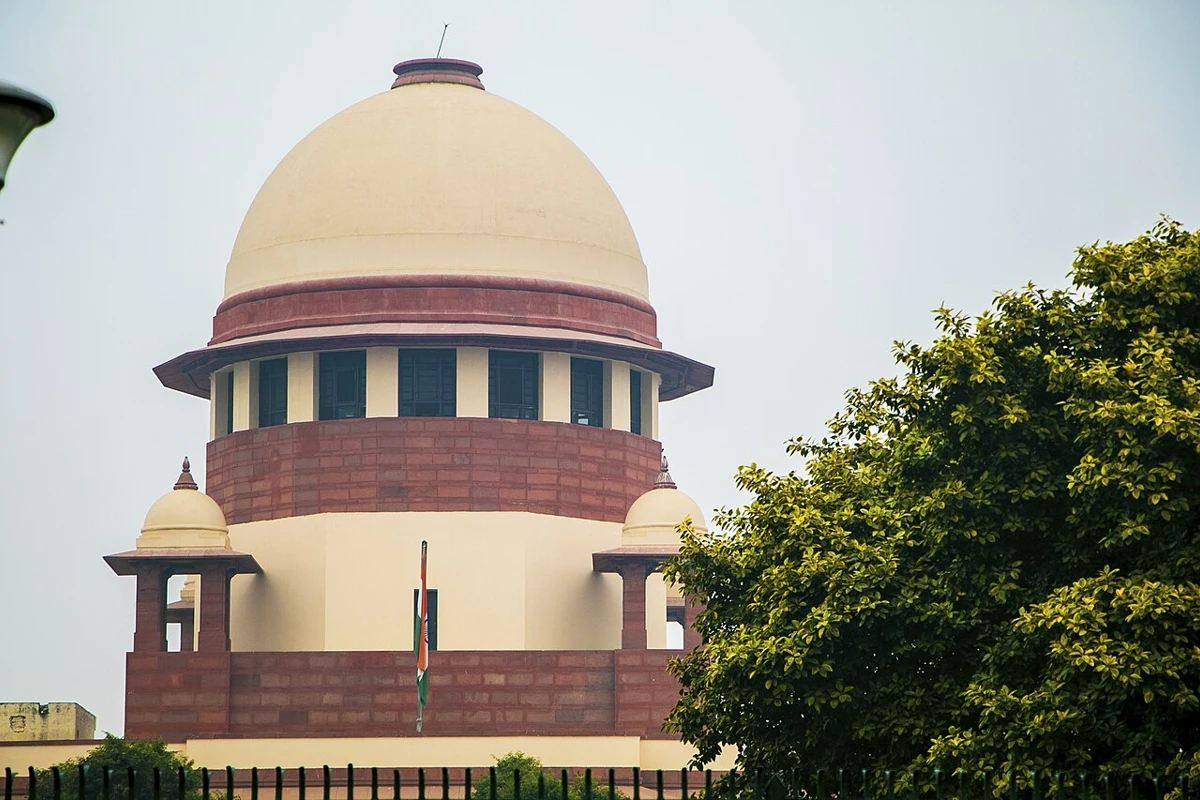
India’s courts have previously considered the dispute. In its interim order of 8 April 2021 in Mohammad Salimullah v Union of India, the Supreme Court declined the requested interim relief against deportation of detained Rohingya in Jammu, while saying the prescribed procedure had to be followed. The government had raised security and immigration-control arguments; the applicants invoked constitutional protection against return to danger.
That was an interim decision in a particular application, more than five years before the ICJ judgment. It should not be described as an Indian judicial response to the November 2026 ruling or as a decision on every later person’s circumstances. It shows why the current debate involves both international obligations and the actual domestic legal process.
What do the current displacement records show?
They show a regional crisis extending beyond one host country, with large numbers of people still unable to return safely.
UNHCR’s regional situation page records Rohingya populations mainly in Bangladesh, with smaller populations in other countries including India and Malaysia. Its Bangladesh entry dated 30 September 2026 reports around 1.2 million refugees from Myanmar.
The UN Secretary-General’s 2026 report on Rohingya and other minorities describes continued restrictions on citizenship and documentation, displacement and concerns about removals across the region.
Its categories need care. A total for people fleeing Myanmar is not always a total solely for Rohingya refugees; a count of new arrivals is not the same as the total population already present. Numbers with different dates and definitions should not be combined into an apparent current total for India.
The judgment addresses responsibility for the 2017 operations, while these more recent records concern continuing conditions. Both are relevant to the future of displaced people, but they describe different periods and do different evidentiary work.
What can affected people and those supporting them check?
They can distinguish the international judgment from the registration, documentation and legal procedures applicable to the person’s actual situation.
UNHCR India’s registration information says a person physically present in India who fears persecution on return may request registration. That process is not an application for Indian citizenship, and a general international judgment does not complete it for an individual.
Keep identity and registration documents secure and seek assistance through the named official service or a qualified legal representative. A third party promising automatic compensation, citizenship or resettlement because of the ICJ decision should be checked against the actual order and the relevant agency’s instructions.
The principle is practical: identify which institution can answer the question. The ICJ’s reparations process, UNHCR registration, a domestic court case and a nationality application are separate routes, even when a family’s circumstances connect them.
The issue also sits alongside India’s recent UN-OIC diplomacy concerning rights and cooperation and wider international news. Those diplomatic positions should be examined in their own terms rather than treated as a substitute for a person’s protection assessment.
What happens next?
Myanmar’s compliance, the reparations phase and states’ practical protection decisions are the next substantive developments to follow.
The UN mechanism has identified further proceedings on compensation and a reporting requirement concerning restitution. Evidence preservation and support for investigations also remain relevant to accountability beyond this state-responsibility case.
For India, the question is not whether the ICJ has suddenly issued a citizenship order. It is how officials, courts and policymakers assess protection and cooperation in light of the judicial finding and present conditions. Any new Indian policy or court decision responding to the judgment would need to be examined separately before its effects could be stated.