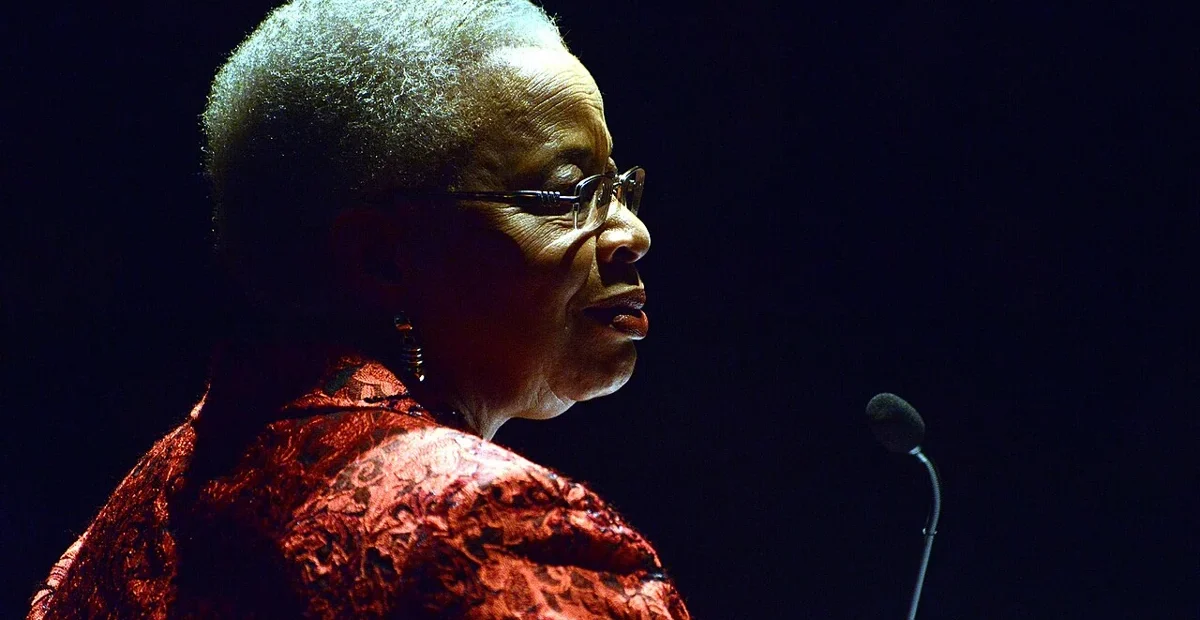
Thirty years after a United Nations study put children’s experiences of war before the General Assembly, its author has received an Indian award linking peace with human development. Graça Machel was presented with the 2025 Indira Gandhi Prize for Peace, Disarmament and Development in New Delhi on 19 November 2026.
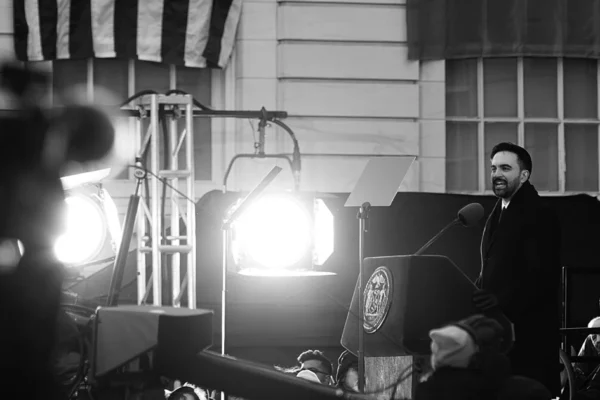
Sonia Gandhi, chairperson of the Indira Gandhi Memorial Trust, presented the award at Jawahar Bhawan on Indira Gandhi’s birth anniversary. The ceremony recognised the Mozambican advocate’s work in education and the rights of women and children, bringing together a record of national education reform and international humanitarian advocacy.
The award year and presentation date are different: this is the 2025 prize, presented in November 2026. The distinction also separates the current honour from Machel’s 1996 report, a historical document whose institutional consequences can still be traced through the UN’s work on children and armed conflict.
Why has Graça Machel received the prize?
The honour recognises Machel’s longstanding work connecting education, women’s rights, children’s protection and social development.
The official record of Sonia Gandhi’s ceremony address dates the event to 19 November at Jawahar Bhawan. In her address, Gandhi presented peace and development as connected goals, with progress measured through people’s dignity and opportunities rather than the absence of fighting alone.
Machel’s career supplies a concrete basis for that connection. She served in government after Mozambique’s independence, later led the UN study of children in armed conflict and helped establish organisations working on development and public leadership.
These are different kinds of contribution. A minister can be responsible for a national education system; an independent expert can document harm and recommend an international response; a civil-society organisation can work with communities and seek policy change. The award brings that record together without making the roles interchangeable.
What did she do in Mozambique’s education system?
Machel became Mozambique’s first education and culture minister after independence in 1975 and held ministerial responsibility until 1989.
Her biography published by The Elders describes a transition from schoolteacher and liberation activist to education reformer. It also records her subsequent work with families and children affected by Mozambique’s civil war.
Those dates place the education work in its historical setting. They are not figures or offices from the present Mozambican government. The significance for the current award is the combination of public administration and later advocacy, rather than a claim that a decades-old national outcome can be attributed to today’s ceremony.
The biography links her ministerial years with increased school participation and efforts to make education part of post-independence development. Her later work extended that concern to children whose schooling, health and family relationships had been disrupted by conflict.
That gives the prize a broader subject than diplomatic recognition. It concerns whether children have the conditions needed to learn and grow, including after a war has ceased to dominate international attention.
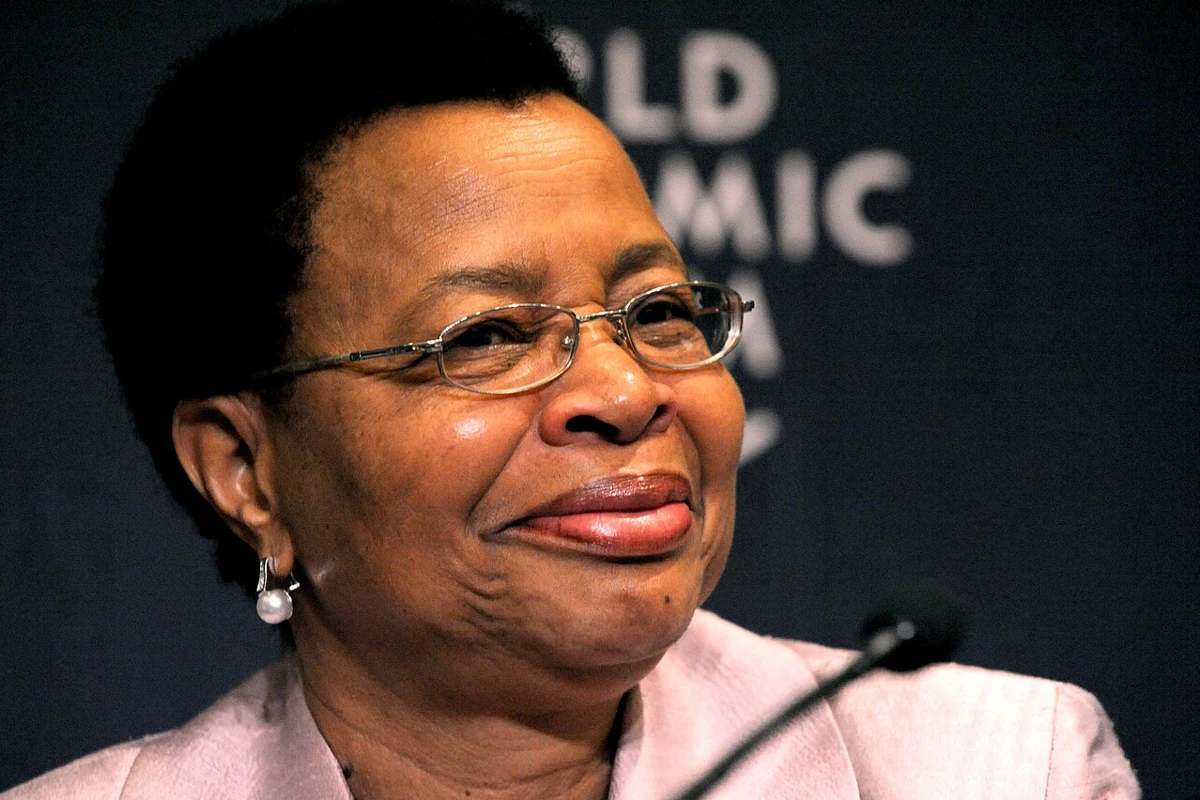
What was the 1996 Machel report?
It was a UN expert study examining how armed conflict affected children and recommending a more systematic international response.
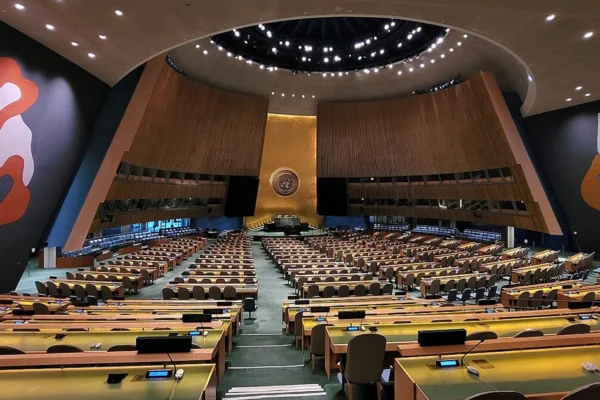
The UN Digital Library record identifies the study as Impact of armed conflict on children. The work followed Machel’s appointment as an independent expert in 1994 and was presented to the General Assembly in 1996.
It addressed the consequences of war across children’s lives, including their protection, health, education and ability to return to community life. It treated recovery and rehabilitation as part of the response rather than assuming that a child’s needs ended when a particular episode of fighting stopped.
What does the UN’s children-and-armed-conflict mandate do?
It provides a framework for documenting serious violations affecting children, engaging the parties responsible and seeking commitments to prevent further harm. It is a protection and monitoring system, not a substitute for a criminal court or a guarantee that every incident can be verified.
The UN office’s account of the 1996 report traces the institutional response, including the creation of a special representative’s role. That history is why the report is being discussed in its 30th anniversary year, rather than presented as a newly released study.
The original document should also be read as a historical record. Any statistics it used describe the periods examined then. They should not be copied into a 2026 account as if they measure children’s present circumstances.
How did the work become an enduring UN programme?
The study helped establish a continuing international responsibility to monitor and respond to the impact of conflict on children.
The Office of the Special Representative’s mandate explains the framework now used to identify grave violations and seek action from conflict parties. Its work links documentation with political engagement and reporting to UN institutions.
That continuing programme is distinct from Machel personally investigating every later conflict. An award for her contribution recognises part of the programme’s origins; the subsequent findings are produced through the UN’s own monitoring arrangements and the work of its partners.
This distinction is useful when reading a headline about a “Machel report”. The 1996 study, later anniversary assessments and current annual reporting are separate documents. They answer different questions and should not be treated as a single continuously updated publication.
| Milestone | Date | Why it matters to the award’s context |
|---|---|---|
| Mozambique’s first education and culture minister | 1975 onwards | National responsibility for education after independence |
| Appointment as UN independent expert | 1994 | Beginning of the study on children affected by war |
| Report to the General Assembly | 1996 | Basis for a sustained international protection response |
| Co-founding The Elders | 2007 | A later platform for independent public leadership |
| Indira Gandhi Prize presentation | 19 November 2026 | Presentation of the 2025 award in New Delhi |
What does current reporting show about the need for protection?
Current UN reporting continues to document grave violations against children, showing that the institutional work has not ended with recognition of its founders.
The Secretary-General’s 2026 annual report concerns events in 2025. It addresses recruitment and use of children, killing and maiming, sexual violence, abduction, attacks on schools and hospitals, and denial of humanitarian access.
The reference year matters. A report published during 2026 can describe verified events from the preceding year; it is not automatically a count of incidents that occurred during 2026. Verification also has limits where investigators cannot safely reach communities or collect reliable information.
Different measures should remain separate. A count of violations is not necessarily a count of individual children, because one child can experience more than one violation. Neither figure alone describes all children whose schooling or family life has been disrupted by war.
The UN’s September 2026 account of attacks on education connects these concerns with lost access to learning. That provides a current policy setting for the award without turning the ceremony into an announcement of a new protection programme.
How does her work extend beyond the UN report?
Machel has continued through civil-society organisations and international advocacy concerned with women, children and development.
The Elders records her role in founding the Foundation for Community Development in Mozambique in 1994 and the Graça Machel Trust in 2010. It identifies education, community access to information, women’s rights and governance among the areas associated with that work.
Her place in The Elders dates from its founding in 2007. The organisation’s profile describes engagement with leaders, activists and communities, including work concerning child marriage, women’s participation and health.
The UN’s biographical record also identifies her experience as an education minister, independent expert and advocate. These records make it possible to describe her contribution without reducing her identity to her marriages to former presidents Samora Machel and Nelson Mandela.
Those personal associations are part of her biography. They are not an explanation, by themselves, of why the Indian prize recognises her work. The education, protection and development record provides that explanation.
What does the Indian connection amount to?
The immediate connection is a prize administered by an Indian memorial trust, presented at a Delhi ceremony honouring work of international significance.
It is not evidence that a new programme has been created for Indian citizens abroad, that an application window has opened or that a particular diaspora organisation will receive funding. None of those follows from the presentation of an individual award.
For readers interested in humanitarian work, the substantive connection is the subject recognised: education, women’s participation and the protection of children across borders. The organisers’ ceremony record and the UN’s programme documents offer a firmer basis for understanding it than an unsourced claim of a new bilateral initiative.
The prize can be followed within the wider people section and international news coverage, while keeping the award itself separate from any later project announced by Machel or the organisations with which she works.
What should readers look for after the ceremony?
The practical follow-through lies in the work of the organisations involved and any separately announced commitments, rather than in treating an award as an implementation plan.
A proposed education partnership, funding appeal or volunteering opportunity should be checked against the named organisation’s own information, including its purpose and accountability arrangements. The ceremony does not endorse every third-party appeal using Machel’s name or photograph.
The presentation closes one stage of the 2025 prize’s recognition process. The continuing test of the legacy it honours is the protection, education and recovery available to children and communities affected by conflict, as documented by the institutions carrying that work forward.