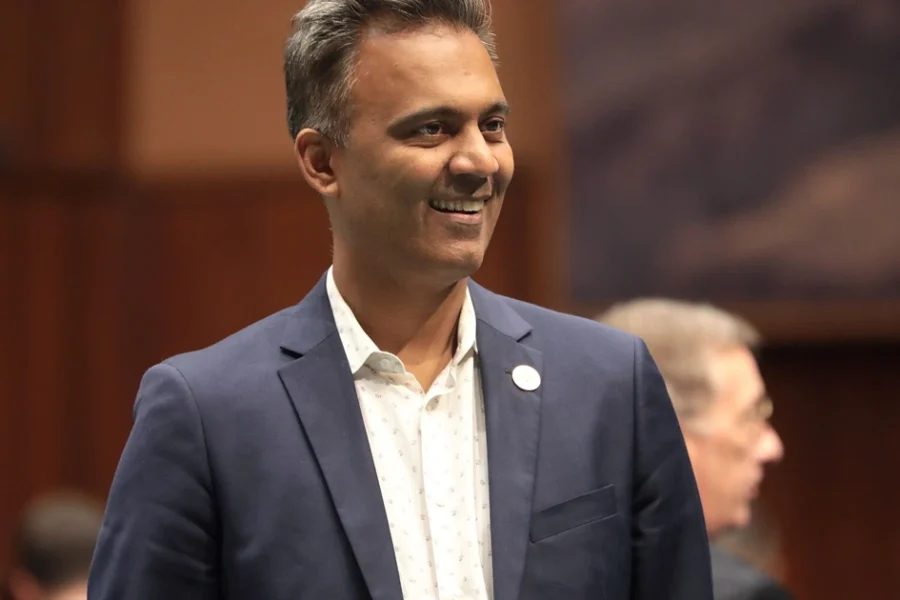
Who should pay when a data centre increases demand for electricity? That question helped define the campaign in which Nabeela Syed, an Indian-American state representative, defeated Republican incumbent Darby Hills for Illinois Senate District 26 in the 3 November 2026 election.
Syed’s victory moves her from the state House towards the upper chamber in Springfield. Her campaign linked technology development to household costs, alongside healthcare, property taxes and public services. Hills also called for greater accountability from data centre developers while campaigning on public safety and spending restraint.
The result is a new step in a political career that began in the Illinois legislature in January 2023. It is not her first election to the General Assembly, and it does not give her a seat in the US Congress. Those distinctions help explain both the achievement and the work ahead.
What did Nabeela Syed win?
Syed won the race for Illinois’s 26th Senate District against Hills, an appointed Republican incumbent. Election reporting placed her at about 57 per cent in the early count, but changing returns should not be mistaken for a final certified percentage.
The Illinois State Board of Elections candidate record identifies the Senate office and district. Her existing General Assembly biography records her service in House District 51 from January 2023.
District 26 covers parts of Cook, Lake, McHenry and Kane counties in Chicago’s north-western suburbs. The two candidates therefore competed to represent a defined local electorate, rather than an ethnic constituency spread across the country. Syed’s Indian heritage is part of the story, but it does not establish how Indian-American voters as a group voted.
Her opponent had entered the Senate following Dan McConchie’s resignation. Hills brought experience as a prosecutor and village trustee; Syed brought two terms in the House. Their contest involved different records of public service as well as competing party priorities.

Why did data centres become an election issue?
Data centres became an issue because their electricity and water requirements raised questions about household bills, development decisions and who would bear the costs. Syed made those concerns an explicit part of her campaign.
Her technology policy page argues that developers should disclose effects on power demand, water use and noise. It says companies driving additional demand should meet the costs rather than passing them to households through electricity bills.
That is a policy position, not proof that every data centre produces the same local impact. A development’s requirements depend on its size, location and utility arrangements. The practical dispute is over disclosure, approval and cost allocation, rather than whether every technology project is identical.
Hills also pledged more oversight of developers. The campaign therefore cannot accurately be reduced to one candidate caring about electricity costs and the other ignoring them. Voters were choosing between candidates offering different approaches and records within a wider argument about affordability.
Syed’s platform also raises privacy questions about automated number-plate readers and the use of artificial intelligence in pricing. Those proposals would need specific legislation or regulatory action. Winning a Senate election does not itself change a household’s utility tariff or create a new privacy rule.
What is the Illinois General Assembly?
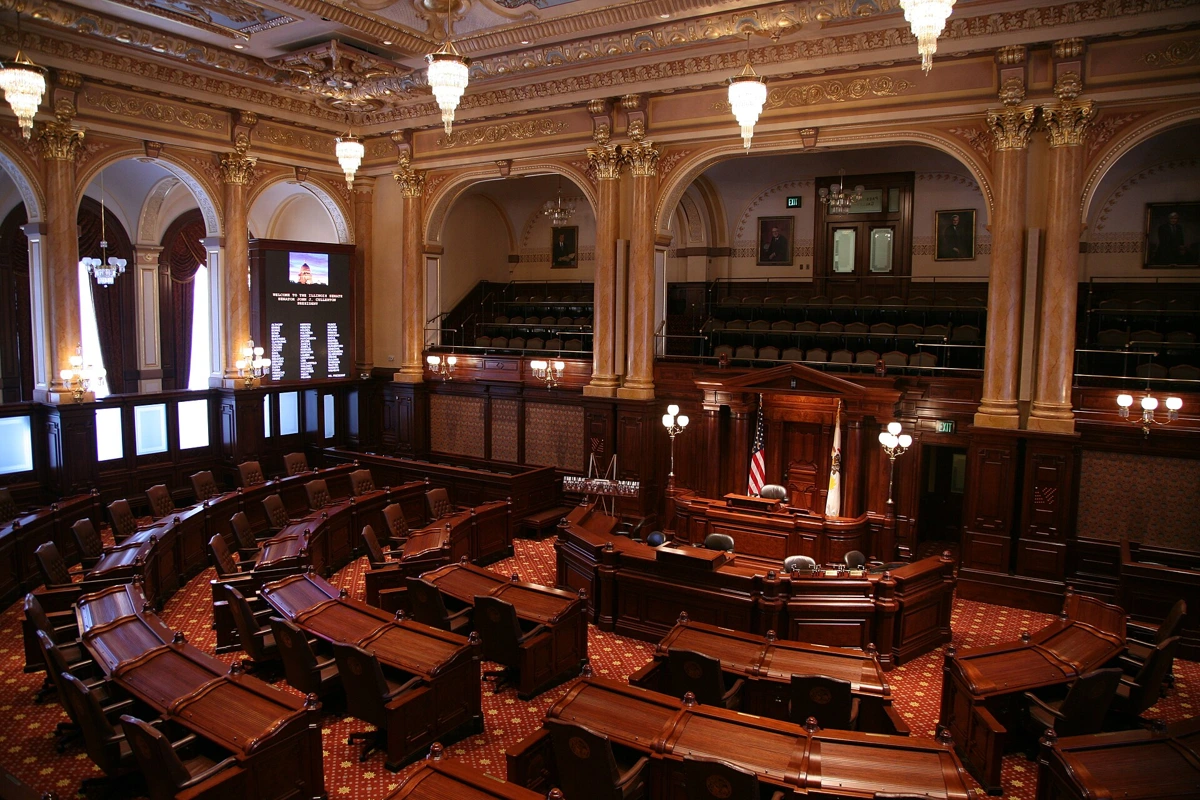
It is the state legislature, made up of the House of Representatives and Senate. Both chambers consider Illinois law and the state budget. They are separate from the federal House and Senate in Washington.
Which three changes should residents understand?
The changes concern Syed’s chamber, the constituency she will represent and the next stage of her policy work. They do not amount to an immediate alteration in household entitlements.
| Question | Position before the election | Meaning of the reported result |
|---|---|---|
| Which chamber? | House of Representatives, District 51 | Elected to Senate District 26 |
| Who held the Senate seat? | Republican Darby Hills | A Democratic challenger won the contest |
| Are campaign policies already law? | Existing laws and programmes continue | New proposals still require the applicable legislative process |
The Illinois Constitution’s legislature article sets out the two chambers and their lawmaking responsibilities. A bill must move through the constitutional process; a campaign promise is not an enacted measure simply because its advocate wins.
A resident seeking help should also check the correct district. A House constituency and a Senate constituency are different units, even when communities overlap. The address on a government service application matters more than whether a politician’s surname or family background feels familiar.
What healthcare record does she bring?
Syed has made prescription-drug affordability a central part of her work. Her campaign connects that record with proposals on mental health, insurance coverage and the health workforce.
The legislative record traces the Generic Drug Pricing Fairness Act to a bill she introduced in February 2023. The measure became Public Act 103-0367 in July 2023. Its subject is excessive pricing of essential off-patent or generic medicines, rather than a universal guarantee that every prescription becomes cheaper.
Her healthcare platform also supports limits on pharmacy-benefit-manager practices, access to preventive screening and stronger behavioural-health staffing. These are the campaign’s stated priorities. Their effect on an individual family depends on the law, programme or insurance arrangement concerned.
For readers assessing performance, the distinction between sponsoring a bill, supporting another member’s proposal and delivering a service is useful. The General Assembly’s bill history records legislative action. An individual constituent’s experience with a benefits office is a separate question.
How did the candidates differ on household priorities?
Syed emphasised healthcare access, school funding and the distribution of development costs. Hills stressed public safety, lower taxes and controls on government spending, while questioning her opponent’s experience and positions.
On the economy and tax page, Syed argues for greater state support for education to reduce pressure on local property taxes. She also backs help for small businesses and oversight of public spending. Those aims do not establish a specific tax saving for a household.
Her public-safety platform supports gun-storage rules, background checks and resources for first responders. Hills’s background as a prosecutor formed part of her own public-safety pitch. Neither candidate’s campaign description should be treated as an independent assessment of every policy’s effects.
Syed also described anti-Muslim hostility during the campaign. That account is distinct from a measured finding about the attitudes of all voters in the district. The result establishes who won the contest, not why every voter made their choice.
Why does her background matter to diaspora readers?
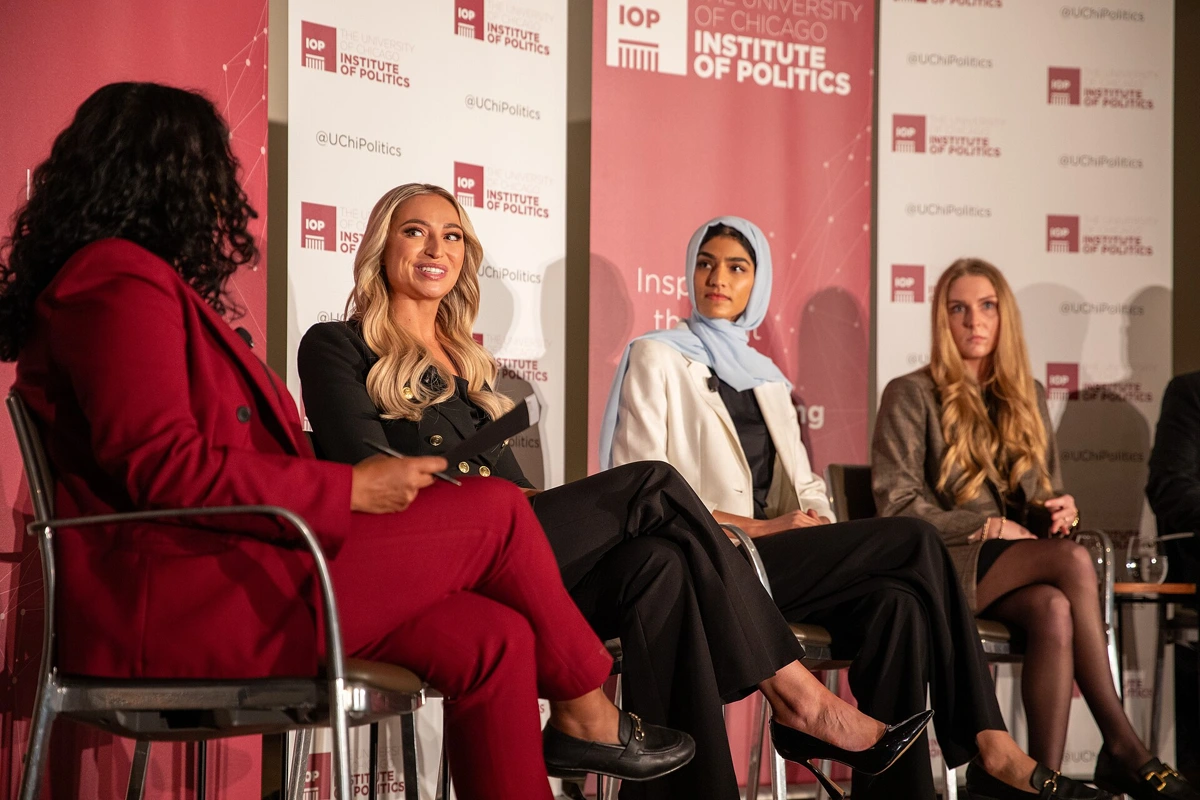
Syed is an Indian-American Muslim woman whose parents’ migration story forms part of her public profile. Her rise illustrates a route from local civic activity into state government, without making her representative of every Indian-origin American’s politics.
The legislature records that she was born and raised in Palatine and studied political science and business administration at the University of California, Berkeley. Before entering office, she worked in digital civic engagement and coached school debate. Those are documented aspects of her preparation, rather than assumptions based on age or identity.
Her earlier election also matters when reading claims about other candidates. The report on Saba Haider’s Illinois House victory explains why Haider should not be called the legislature’s first South Asian woman: Syed was already serving there.
The two victories concern different seats and different political careers. Likewise, Punjabi-origin candidates’ wins in Georgia and Texas involve separate electorates. Together they show a range of offices, not a single diaspora voting bloc.
What does this mean for you?
Residents can use the official legislative directory and district office to raise state-service problems or make their views known on proposed laws. Syed’s constituent-services page lists assistance with matters including professional licences, unemployment benefits and public-benefit enquiries.
Start with the issue and the responsible agency. A clear description, relevant correspondence and the correct address help an office identify the appropriate route. An enquiry to a legislator is a request for assistance, not a guarantee that an application will be approved or an agency decision reversed.
Keep campaign channels separate from public-service channels. The election website sets out political priorities; the legislative office publishes its constituent-service arrangements. Residents should check the current directory as the transition to the new legislature takes place.
What happens next?
Election administration and the transition to the next General Assembly come before the work of the new term. Illinois’s constitutional calendar places the regular session on the second Wednesday in January, which falls on 13 January in 2027.
The next evidence of delivery will be specific proposals, committee work and recorded votes. For households following the electricity-cost debate, the useful question is which obligations are written into legislation or utility decisions, and when they take effect. The election has settled the contest; it has not settled every policy detail.