
Georgia’s next state legislature will include Jyot Singh, a Sikh American whose victory in District 97 adds a new chapter to Punjabi election wins in the United States. In Texas, attorney Pooja Sethi won another state House contest, while Ro Khanna secured re-election to Congress from California.
The results from the 3 November 2026 midterms involve different institutions and responsibilities. Singh and Sethi were elected to state legislatures. Khanna’s seat is in the federal House of Representatives. Treating all three as congressional victories would misstate what voters decided.
The developments extend the picture beyond the Indian-American results reported on 4 November, which covered other candidates and contests. They do not establish a single national vote share for Punjabi Americans or show that heritage alone explains the outcome in any district.
Which Punjabi election wins add to the midterm picture?
Singh’s Georgia House victory, Sethi’s Texas House victory and Khanna’s return to the US House are three separately reported outcomes. Each should be read with its district, office and stage of the count.
| Candidate | Office | Result reported after 3 November |
|---|---|---|
| Jyot Singh | Georgia House, District 97 | Victory over Republican Yassin Moghazy |
| Pooja Sethi | Texas House, District 47 | Victory over Republican Jennifer Mushtaler |
| Ro Khanna | US House, California District 17 | Re-elected against Republican Ritesh Tandon |
The comparison concerns offices and outcomes, not a league table of personal popularity. Vote shares from separate districts cannot measure one candidate against another, because electorates, turnout and the stage of counting differ.
No final percentage is attached to these results here. Early returns can change as additional ballots are counted, and a race projection is different from a certified total. The distinction matters even when the outcome is no longer in practical doubt.
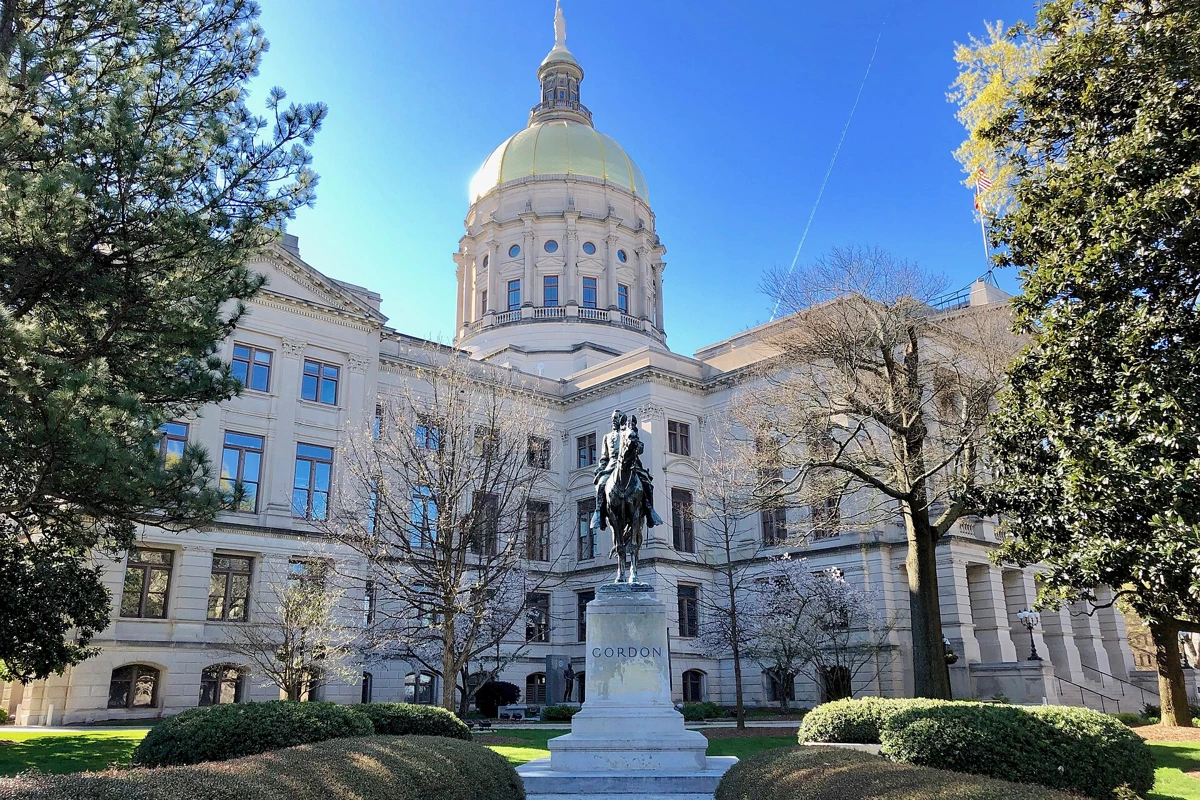
Who is Jyot Singh, and which office did he win?
Jyot Singh is a community organiser and small-business owner elected to Georgia’s House of Representatives from District 97. He defeated Yassin Moghazy in the 3 November contest and publicly thanked voters as the district’s representative-elect.
His election has been recognised as the first by a Sikh American and an Indian American to the Georgia General Assembly. The constituency includes communities in Gwinnett County. His work and campaign have emphasised public education, affordability, healthcare and working families.
Singh’s candidate questionnaire describes growing up in Norcross and organising in Georgia. That is his account of his background and priorities, not independent proof that every campaign claim has been delivered. His election creates an opportunity to pursue those priorities through the state legislature.
The Georgia Secretary of State’s results service is the official place to follow the count and subsequent election records. A state House seat does not give its holder a vote in Congress on federal visa legislation. It places him in a legislature dealing with Georgia law, the state budget and matters within state authority.
That distinction also clarifies the language used in congratulations. Calling a state representative a member of the US Congress would confuse a community milestone with a different elected office. The accurate description is Georgia state representative-elect.
What did Pooja Sethi’s Texas result change?
Sethi won the Texas House District 47 contest against Jennifer Mushtaler, adding an Indian-American woman to the state legislature. Her professional background includes immigration law, work in the Texas Legislature and leadership of the Travis County Democratic Party.
The result has been described as a first for Indian-American women in the Texas Legislature. Her campaign addressed public education, healthcare, affordability and gun safety. Those subjects concern the work of a state representative; her background as an immigration lawyer does not transfer federal immigration powers to the Texas House.
For residents, the next practical questions concern her legislative work, committee assignments and the district office’s constituent services after she takes office. An election-night declaration cannot establish those arrangements before they are announced.
The Texas Secretary of State’s election information provides the official route to results and the canvassing process. A news projection should not be presented as a completed state certification, and a primary-election percentage should never be substituted for the general-election result.

Where does Ro Khanna fit in the result?
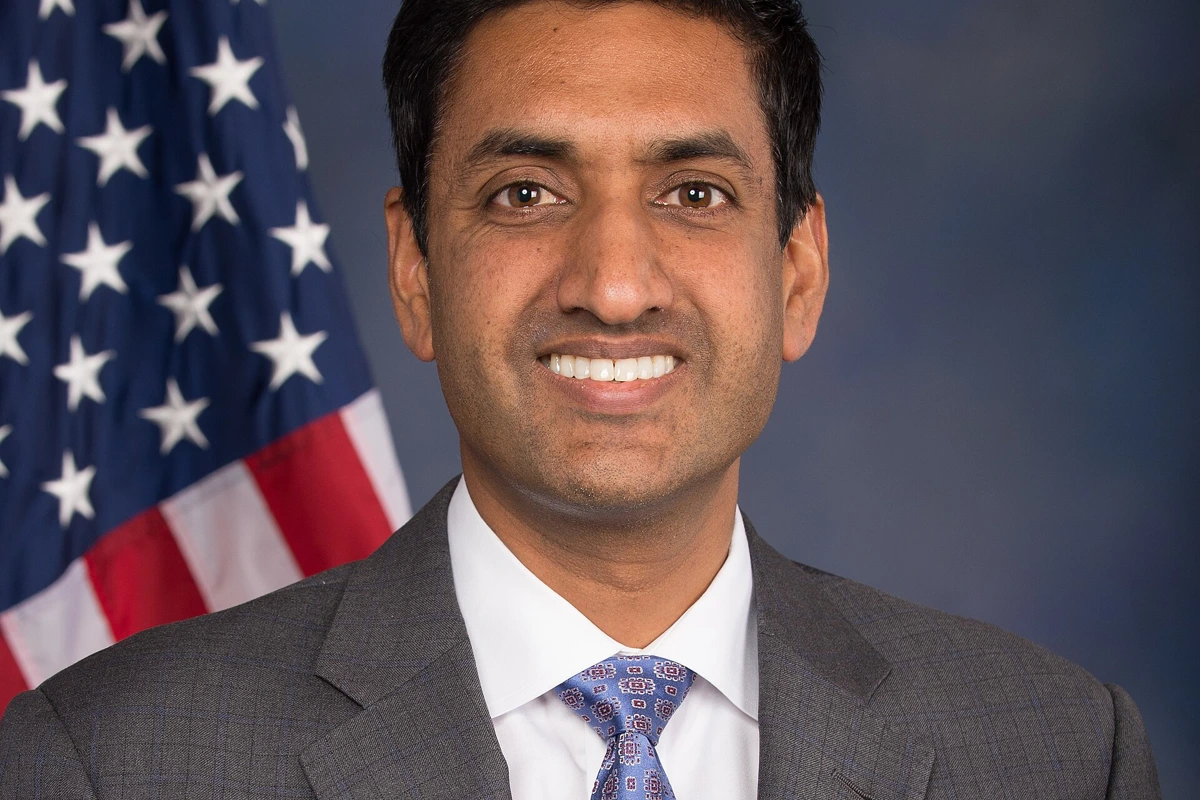
Khanna was re-elected to the federal House of Representatives from California’s 17th District. His victory against Ritesh Tandon was called in the election results coverage after polling closed on 3 November.
Unlike Singh and Sethi, Khanna is returning to Congress. His official congressional website identifies his work and provides a route for constituents seeking help with federal agencies. A congressional office can assist with a constituent enquiry, but cannot promise approval of an individual visa or benefit application.
The broader source report also identifies returning Punjabi-origin lawmakers in other states. This account concentrates on the three contests whose outcomes and institutions could be checked separately. It is not an exhaustive list of every Punjabi-origin or Sikh candidate who stood in the midterms.
What is a state legislature? A state legislature makes laws and approves budgets for its state. It is separate from the US Congress, which consists of the federal House of Representatives and Senate. A seat in one is not a seat in the other.
What can readers infer about diaspora representation?
The results show named candidates winning particular offices. They do not show that Punjabi-origin voters acted as a single bloc, that all the winners share identical priorities, or that ethnicity explains every vote cast.
That makes the details more useful than a collective celebration alone. The office determines which problems an elected representative can address, while campaign commitments provide a record against which later legislative decisions can be assessed.
Readers following immigration should keep those responsibilities clear. The existing explanation of US visa powers after the midterms separates legislation, administration and court review. A result changes political representation; it does not itself alter a student’s admission record or an employer’s approved petition.
For people seeking constituency help, establish the district and the level of government first. A federal agency enquiry, a state education question and a local service complaint may require different offices. Use the elected body’s official contact information once the incoming member’s arrangements are published.
What happens next?
Election authorities continue counting and canvassing under their respective procedures before certification. Incoming state lawmakers then prepare to take office, while returning members resume their responsibilities through the relevant legislative timetable.
The next meaningful tests are institutional: published results, the transition to office, committee work and decisions on the issues candidates campaigned on. Those developments will show what the new representation produces beyond election-night recognition.