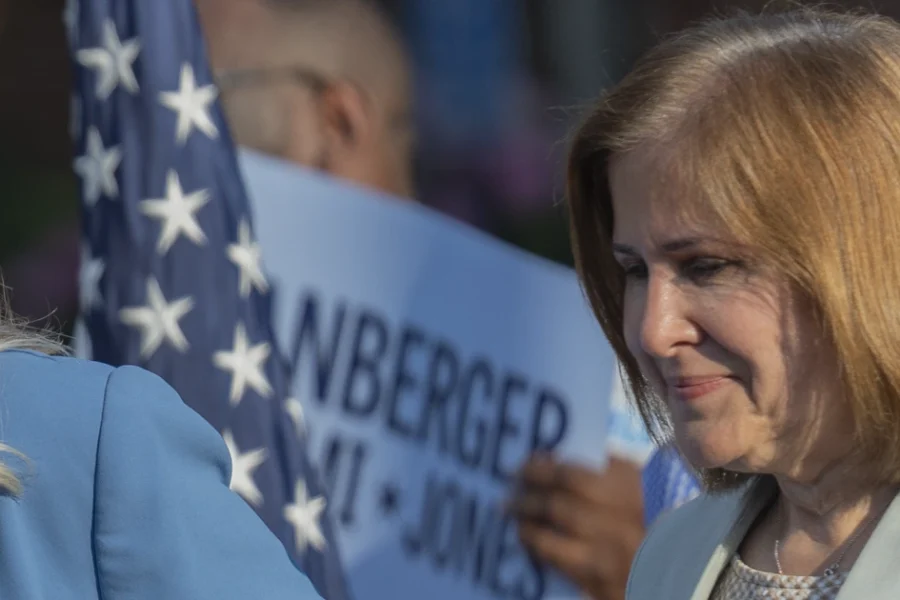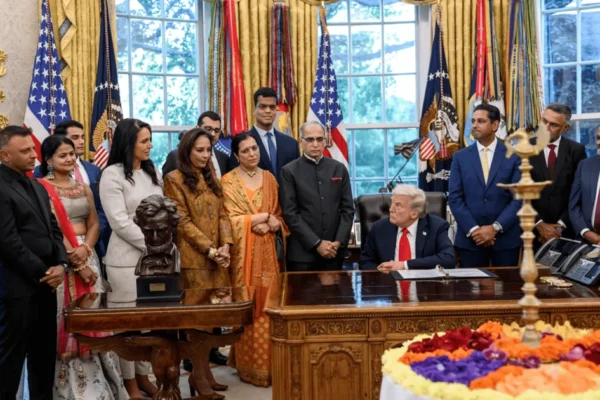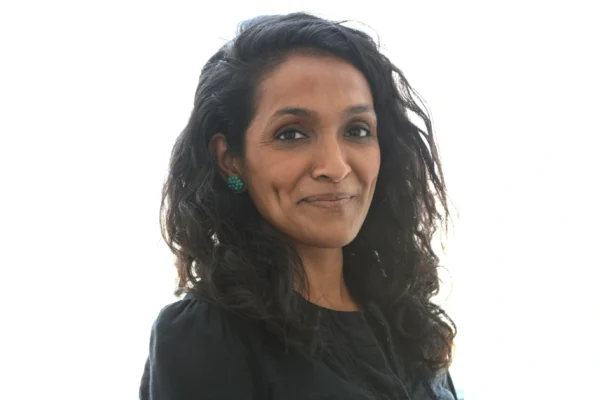
An emergency doctor from Arizona and a former school principal from Florida are preparing to enter the US House of Representatives. Indian-American congressional wins in the 3 November 2026 midterms have brought Amish Shah and Pia Dandiya into a group that will still number six, with two departing members replaced by two newcomers.
They join returning Democrats Ami Bera, Ro Khanna, Pramila Jayapal and Suhas Subramanyam. The change is in the membership and the states represented, rather than a rise from six to eight. A count that adds the newcomers without accounting for departures would misdescribe the outcome.
The results connect an identifiable diaspora story with the responsibilities of federal office. Shah and Dandiya will represent everyone in their districts. Their Indian ancestry does not give constituents elsewhere a different representative or establish that all Indian Americans share their party affiliation.
What do the Indian-American congressional wins change?
They add Arizona and Florida to the states represented by Indian-origin members of the next House while maintaining a six-member total. Both newcomers won open-seat contests against Republican opponents.
Indian American Impact, which endorsed the candidates, listed the six winners in a 5 November statement. That is an on-record statement by a political organisation with a declared interest in the races. The newcomer victories are also corroborated by separate race calls and local election reporting.
The two candidates leaving the group are Raja Krishnamoorthi and Shri Thanedar. Their departures mean the incoming cohort should be described as renewed, not automatically enlarged. The familiar informal label for Indian-American House members is not the name of a congressional chamber or a body with separate legal powers.
| Member | State and district in the incoming House | Position after the election |
|---|---|---|
| Ami Bera | California, District 3 | Returning member |
| Ro Khanna | California, District 17 | Returning member |
| Pramila Jayapal | Washington, District 7 | Returning member |
| Suhas Subramanyam | Virginia, District 10 | Returning member |
| Pia Dandiya | Florida, District 22 | New member-elect |
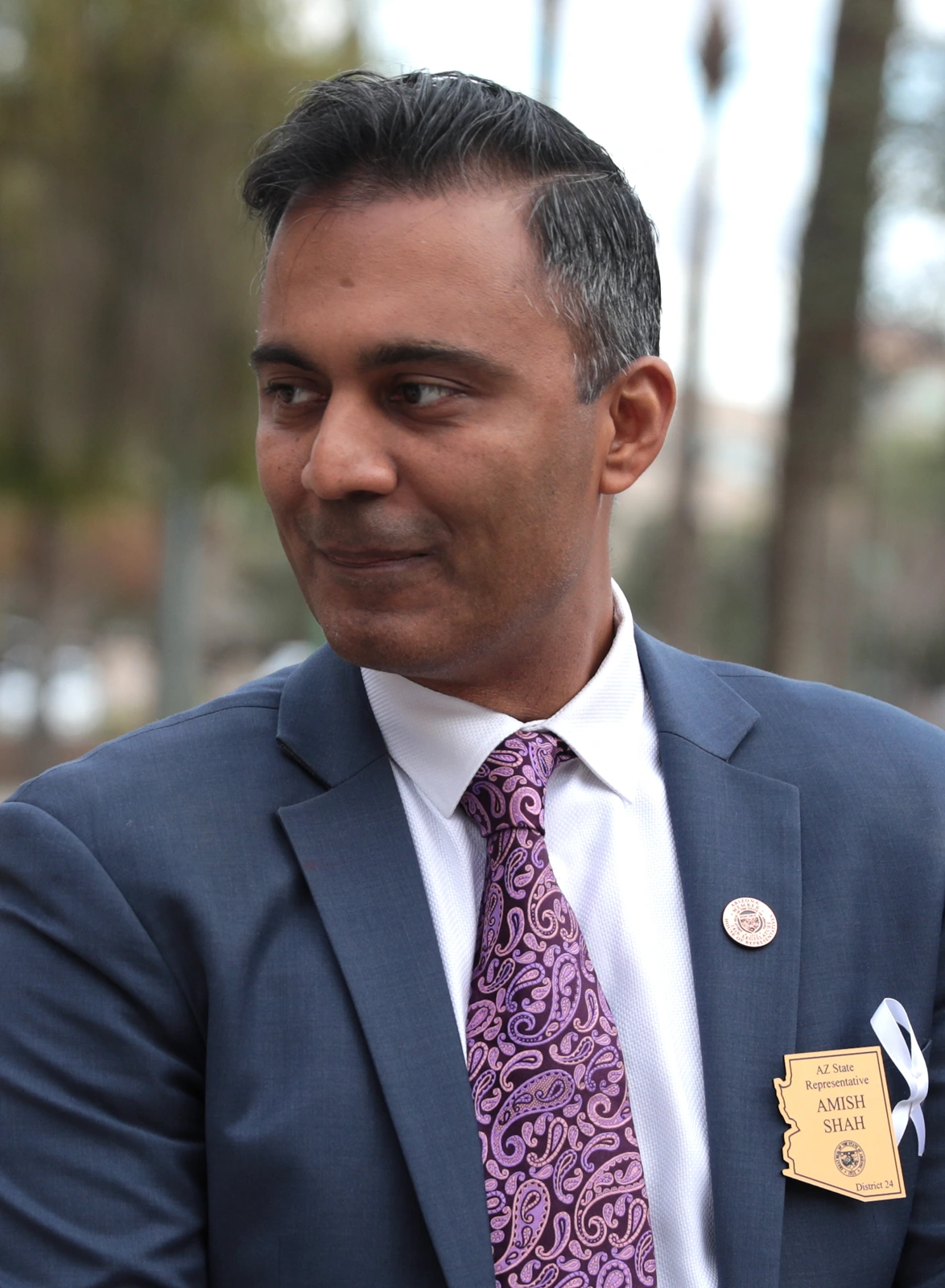
| Amish Shah | Arizona, District 1 | New member-elect |
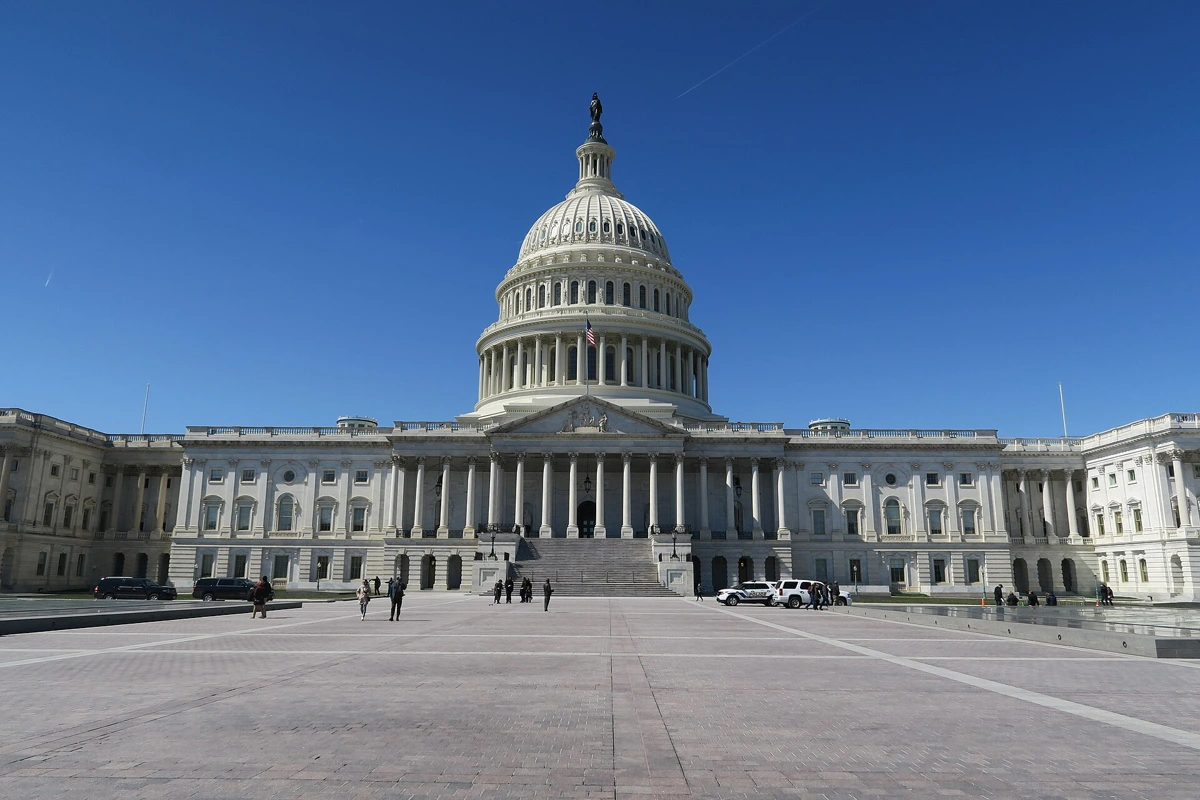
These are federal House seats. The table does not include state senators, state representatives, governors, lieutenant governors or city officials. Combining those offices into a single congressional total is a common source of confusion in celebratory social-media posts.
Who is Amish Shah, and what did he win?
Shah is an emergency-medicine doctor and former Arizona state legislator who won the state’s 1st Congressional District against Republican Jay Feely. The race was called on 5 November, after election-day reporting had still treated it as unresolved.
The seat was open because Republican David Schweikert ran for governor rather than seeking re-election to the House. Shah had contested the district in 2024 and lost. His 2026 victory therefore follows an earlier unsuccessful attempt, rather than a direct leap from medicine into a first campaign.
His campaign biography presents healthcare experience as central to his politics. His parents migrated from India, and his public background includes a Jain father and Hindu mother. Those connections establish the Indian-origin angle without requiring an inference from his surname.
Feely, a former professional American-football kicker, had President Donald Trump’s endorsement. Local coverage recorded a campaign in which the candidates challenged each other’s political loyalties and disagreed on issues including data centres. The result should not be read as an uncontested endorsement of every plank in Shah’s platform.
No final vote margin is attached here. Returns reported when the race was called were a stage in the count, not necessarily the eventual certified total. Readers comparing results should use the same date and the same reporting stage.
Who is Pia Dandiya, and why is her route different?
Dandiya is a former teacher, school principal and White House Fellow elected from Florida’s redrawn 22nd Congressional District. She defeated Republican Casey Askar in the 3 November contest.
Her own account of her career starts in education, continues through federal public service and includes work on public-sector projects at Apple. She was born and raised in Palm Beach County to parents who migrated from India.
Her campaign emphasised living costs, education and public services. The published priorities include insurance costs, flood and hurricane resilience, prescription medicines, Social Security, Medicare and the Everglades. These are stated commitments for her work in office, not evidence that the election has already changed a resident’s insurance premium or benefit payment.
Indian American Impact’s statement on her victory identifies her as the first Indian American elected to represent Florida in Congress. Its account also makes clear that the organisation supported the race. The distinction between a supporter’s assessment and the election outcome remains relevant even in a milestone story.
Dandiya and Shah arrive with different professional records and different local priorities. Treating them simply as interchangeable additions to a community tally would leave out much of what their constituents elected them to do.
What does member-elect mean?
A member-elect has won election but has not yet begun serving as an active member of the House. Election victory and the start of congressional service are separate stages.
Does a reported victory mean the new office is already open?
No. The House’s official representative finder distinguishes the current serving member from the winner of an election who has not yet been recognised as an active member.
The current Congress ends in January 2027. Until the transition, a household seeking federal casework should use the serving representative’s official contact information, rather than assume a campaign office has become a congressional district office.
This matters for people dealing with agency correspondence, benefit claims or other federal administrative problems. Sending a request to a politician with a familiar heritage but a different constituency can delay finding the correct office. The official finder uses location, not ethnicity, to identify representation.
A campaign’s mailing list, donation form or volunteer contact is also distinct from an official constituent-service route. Personal documents should go through the relevant office’s stated process. A public comment under a social-media announcement is not a substitute for that process.
Can six lawmakers change immigration rules themselves?
No. Individual members can introduce legislation, vote, seek information and conduct oversight within the House’s procedures. They cannot independently rewrite federal law or guarantee an agency will approve an individual application.
The House’s explanation of the legislative process describes how proposals move through committees and both chambers before presidential action. The details of any immigration change therefore depend on the actual measure and its progress, not the ancestry of a member supporting it.
That is why the arrival of new Indian-American lawmakers should not be advertised as an immediate visa benefit. Representation can affect which concerns receive attention, but an election result is not a new H-1B allocation, green-card rule or student-status entitlement.
The earlier midterm results report covered congressional outcomes alongside the Ohio governor contest. This follow-up focuses on the changed House cohort after Shah’s race was called. The Illinois report on Saba Haider concerns a state legislature, which exercises different authority.
What can the results tell us about diaspora representation?
They establish that voters in six districts chose Indian-origin candidates for the House. They do not, by themselves, measure the political preferences of every Indian-American voter or show how much support came from any ethnic group.
The professional range is also worth distinguishing. Shah’s medical background and Dandiya’s education and public-service experience create different starting points for their legislative work. Returning members bring their own committee experience, political positions and district responsibilities.
Nor does a shared party label erase differences. All six winners in this cohort are Democrats, but their districts and constituencies are separate. The election does not turn them into a single elected national spokesperson for the diaspora.
Claims that dozens of Indian-American candidates won state-level races require a defined list and a consistent counting method. A tally can include different offices, unopposed contests or races at different stages of reporting. Those numbers should not be folded into the six federal House seats without checking what each count includes.
What does this mean for you?
Use the official House directory to identify your current representative and check the new office’s details after the transition. Readers following the candidates from India can assess their work through public bills, recorded votes and official statements, rather than relying only on campaign highlights.
For a local concern, begin with the level of government responsible. State legislation belongs with state lawmakers; federal legislation belongs with Congress. A local development or school matter may also require a municipal or school authority. The surname of an officeholder does not settle that allocation of responsibility.
For policy promises, look for a bill number, the committee considering it and the action recorded. A proposal introduced in the House, one that passes the House and one enacted into law are different outcomes. Keeping those stages separate makes it easier to judge what a representative has achieved.
What happens next?
The incoming members will prepare for service in the 120th Congress, whose term begins in January 2027. Election officials’ certification work remains distinct from political congratulations and media race calls.
For Shah and Dandiya, the next measurable steps are the transition to official offices, committee assignments and the first legislative actions of the new term. Those records will show how campaign priorities become proposals and votes, and give their constituents a firmer basis for judging the two newcomers than an election-night tally alone.