The festival date is one point on a much longer calendar. Diwali diaspora celebrations in 2026 stretch from October street festivals to November worship, civic gatherings and events still ahead after the main day on Sunday 8 November.
Official programmes in Australia, Britain, Canada, New Zealand, the United States and Dubai show how the festival takes different public forms. A community stage, a temple observance, a city-run mela and a governor’s ceremony are connected by the season without becoming the same kind of event.
The distinction matters on 9 November, when some celebrations are over and others remain on the calendar. It also prevents an international round-up from turning advance listings into claims about crowds or ceremonies that have not been independently confirmed.
How do Diwali diaspora celebrations differ between places?
They combine religious observance, family traditions and public cultural programming in different proportions. The organisers, venue and local rules shape what a particular gathering offers.
Australia’s Department of Home Affairs 2026 cultural and religious calendar places Deepavali on 8 November. It separately identifies Bandi Chhor Divas, observed by Sikhs, on the same date. Sharing a date does not make every community’s religious meaning interchangeable.
A city festival may invite the public to food stalls and dance performances. A place of worship may organise prayers under its own visitor guidance. Families may take part in both while marking the occasion at home in another way. Programme information can establish the planned activities, but cannot tell us how every participant feels represented.
This account therefore follows documented local programmes rather than claiming a single global experience. It also leaves out worldwide attendance totals that the available records cannot support.
Why do public Diwali events fall on different dates? The religious calendar and an organiser’s public-event schedule answer different questions. A weekend festival can take place before or after the main observance, while a community may also hold worship and family gatherings on other days.
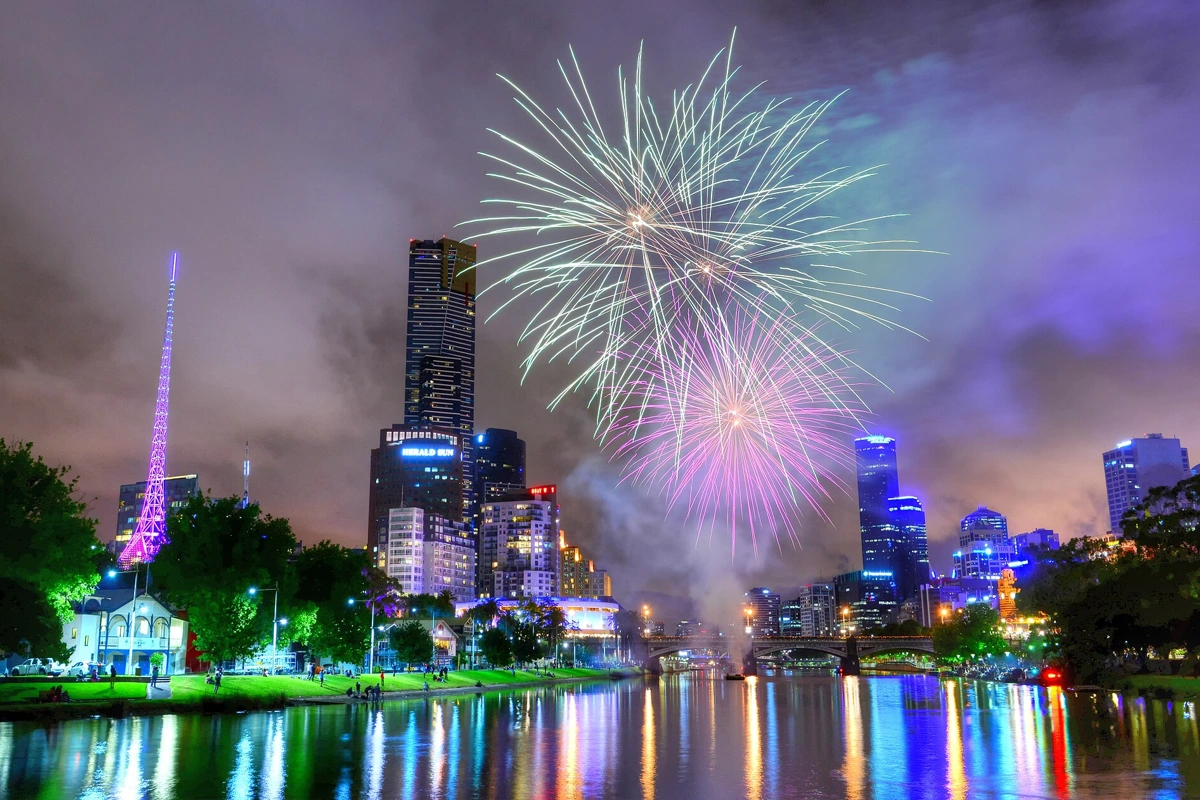
What did the Australian programmes put on the calendar?
They offered public cultural events across several weeks, alongside observances around 8 November. In Melbourne, the city’s official event listing placed Melbourne Diwali at Marvel Stadium Square in Docklands.
The organiser’s 2026 visitor information specified Saturday 31 October, from 2pm to 10pm, with free entry. Its programme included classical, folk and Bollywood dance, workshops and food. That was a scheduled public celebration before the main festival day, rather than evidence of a different religious date.
The organiser described its 2025 attendance separately from its plans for 2026. Those figures should not be merged into an unverified crowd estimate for this year. A full programme is not a post-event attendance count.
In New South Wales, Multicultural NSW’s Diwali page lists council-linked celebrations, including Parramatta’s Wigram Street event in Harris Park on 24 October. Harris Park’s Little India setting gives the public festival a specific community context, rather than serving as a generic backdrop.
The same state listing identifies a Queanbeyan-Palerang Diwali Mela Lantern Festival for 14 November. Its planned food stalls, lantern activities and parade extend the season beyond the main day. Readers considering a visit still need the organiser’s current access and timing information.
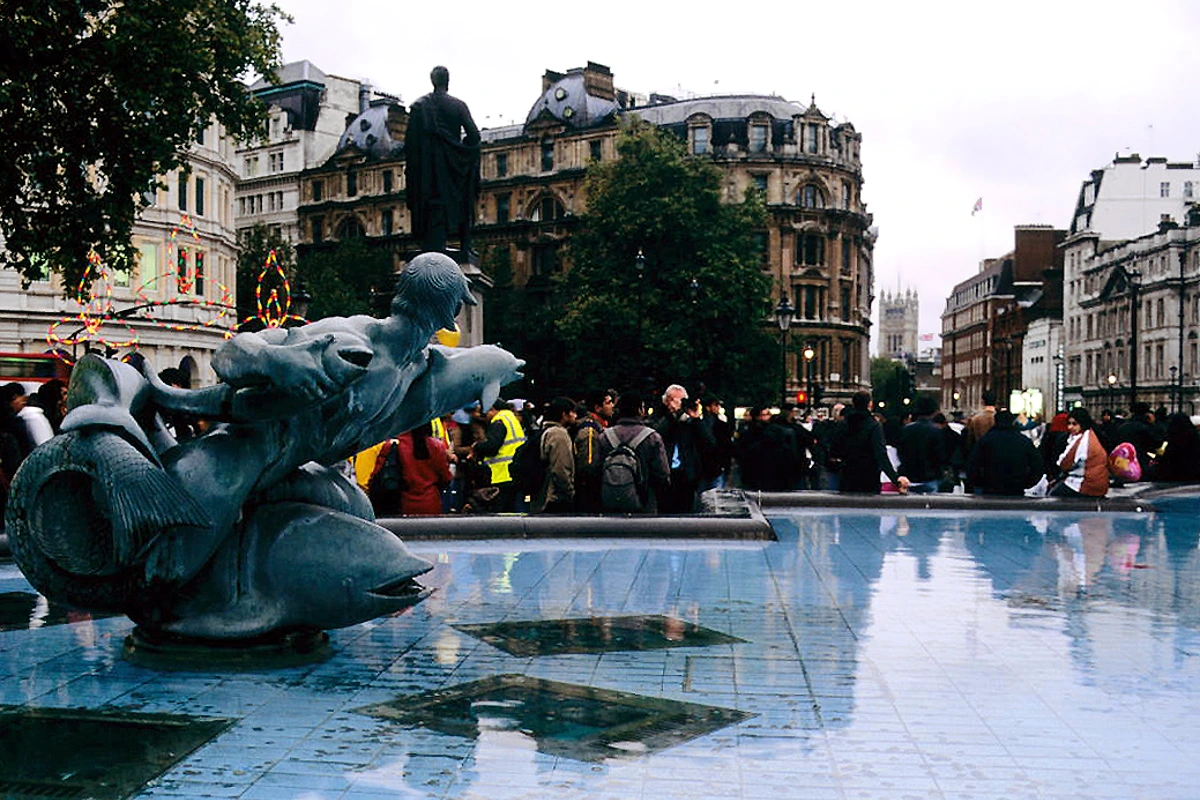
How did London’s plans show both continuity and disruption?
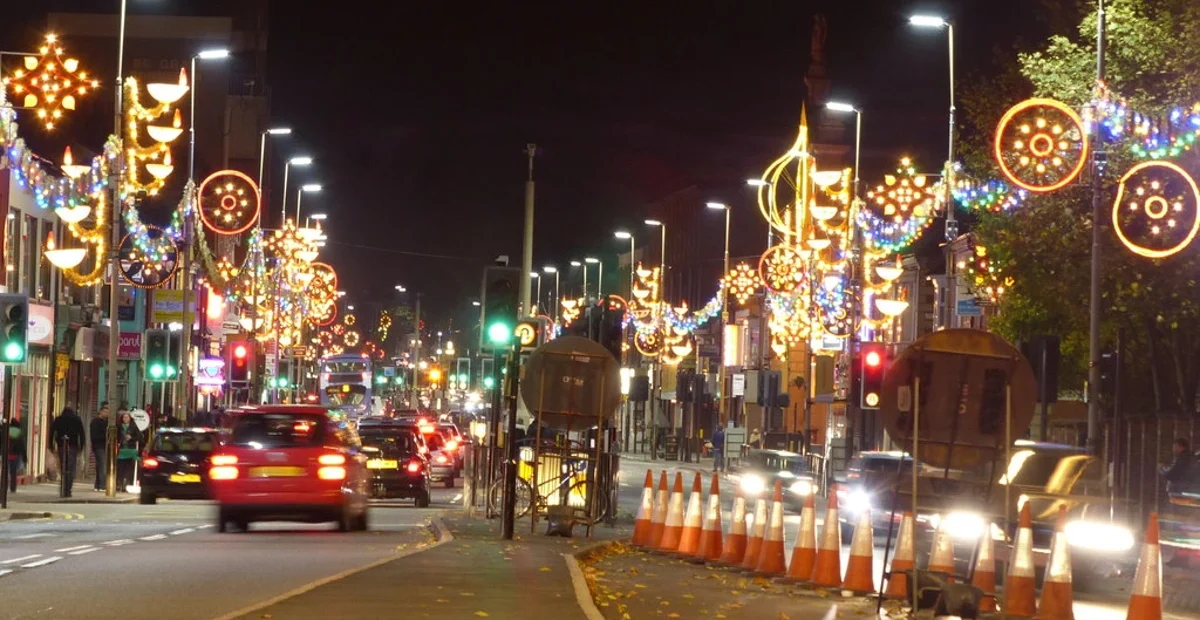
London’s season included temple observances, while the major Trafalgar Square event was cancelled. The two developments should not be collapsed into a claim that the city either celebrated normally everywhere or held no celebrations at all.
The Diwali in London Committee’s 24 October statement says Diwali on the Square, planned for 25 October 2026, was cancelled following expert safety advice about forecast storms. The decision concerned preparations and safety at that particular event.
Archive photographs of a crowded Trafalgar Square must therefore not be presented as images of a 2026 gathering there. An earlier photograph can illustrate the event’s history only when its date is clear. Cancellation is part of this year’s story, not a detail to omit from a cheerful round-up.
Separately, Neasden Temple’s Diwali information sets out devotional activities and visitor guidance for BAPS Shri Swaminarayan Mandir. The site identifies the temple as a place of daily worship, with requirements applying to dress, bags and photography.
That setting differs from a street festival. Visitors should read the temple’s current guidance rather than assume that a camera, large bag or indoor filming is acceptable because another public Diwali event allowed it. Respecting the venue is part of participating in the celebration.
What did Brampton organise for families in Canada?
The City of Brampton scheduled its fourth annual Diwali Mela for 8 November at Sesquicentennial Park. Its 22 October announcement listed a 4pm to 10pm programme and an official fireworks display.
A council-organised display and private fireworks are different matters. The city’s release also explains its fireworks restrictions and says sparklers are not permitted at the municipal Diwali event. Families should not interpret a public display as general permission to use fireworks at home.
This is a local rule in Brampton, not a rule for every Canadian city. The useful check is the municipality and event organiser responsible for the place where a family plans to celebrate. Advice forwarded from another province may not apply.
The event announcement establishes what the city scheduled. It is not used here to assert a final attendance figure or describe a performance as witnessed. That restraint keeps the community programme distinct from an on-the-ground report.
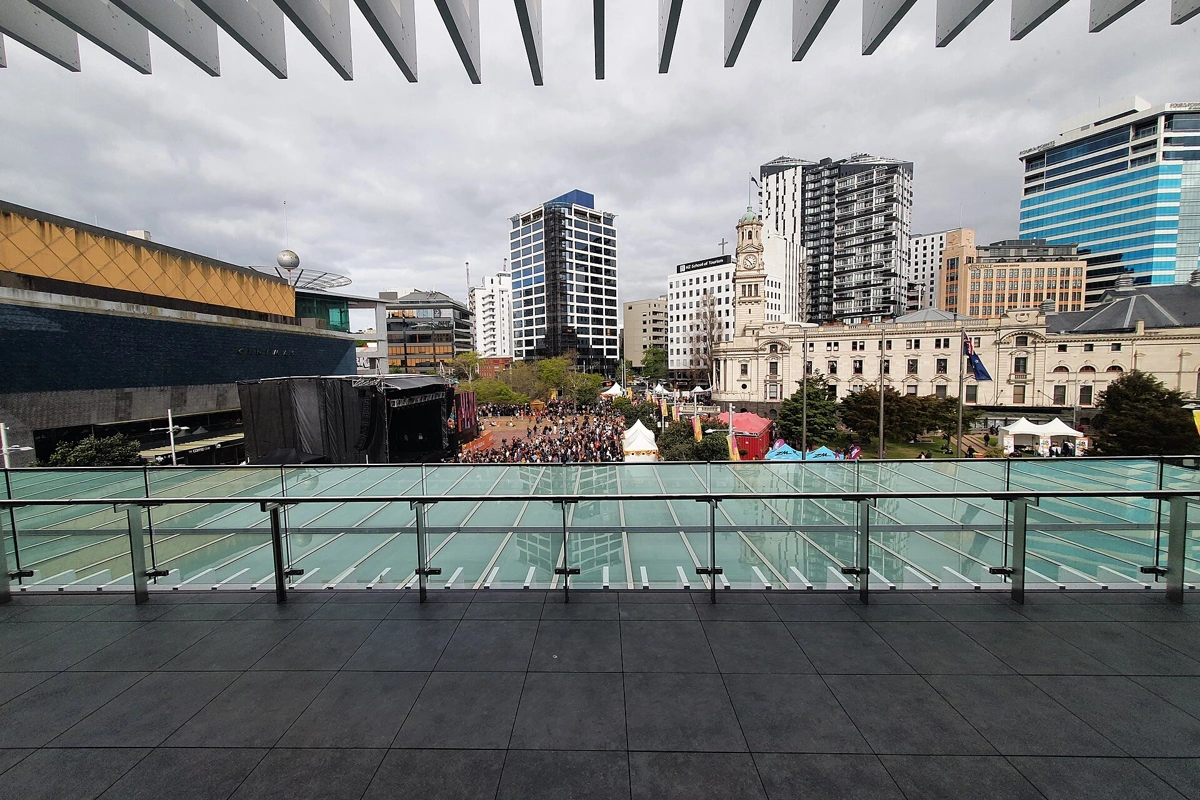
Why is Auckland’s celebration still continuing?
Because Auckland’s Diwali calendar includes more than one major event. The city-centre festival was scheduled for 31 October and 1 November, while the west Auckland celebration at The Trusts Arena is listed for 15 November.
Auckland Council’s 30 October account of the festival’s history describes how a grassroots gathering developed into the wider city programme. That history gives the different venues a community context, rather than treating them as duplicate entries.
It also explains why an article dated 9 November should not say Auckland’s season is finished. The next event remains ahead. Families should check its own programme, booking conditions and transport arrangements instead of carrying over the city-centre festival’s details.
The council also lists library and community-hub activities. Those smaller settings can provide another way to encounter the festival, but their existence is not evidence that every resident participates or that all Indian-origin communities share one tradition.
What is different about the programmes in Dubai and the United States?
Dubai’s official tourism programme combines cultural entertainment with dining and retail activity, while the US examples include public-institution recognition. Those forms of participation have different purposes and practical effects.
Visit Dubai’s Festival of Lights page advertises the citywide season from 2 to 12 November. Some named events end before others, so a visitor should check the date of the individual activity rather than rely on the overall festival banner.
A tourism listing does not establish a public holiday, a free ticket or universal access. Commercial offers can have separate booking requirements and conditions. The broader point is the place of Indian cultural traditions within the city’s public entertainment calendar, not an endorsement of a particular purchase.
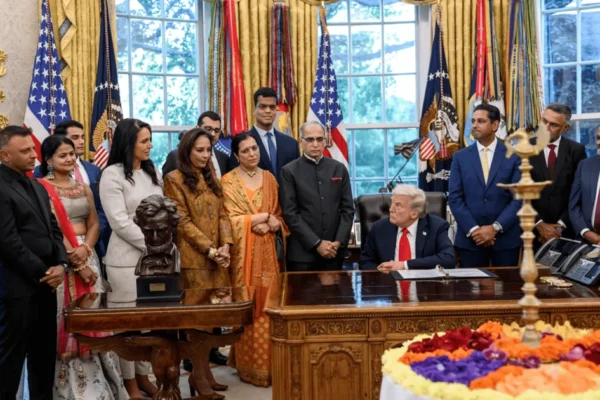
In the United States, the Indian consulate in Seattle’s account distinguishes completed state ceremonies from Oregon’s planned event on 10 November. That distinction was examined in this report on US Diwali recognition.
A proclamation or ceremony is not automatically a school closure or paid day off. Families and employers need their own calendar and applicable rules. Public recognition can be reported accurately without adding a legal effect that the document does not create.
Which dates should readers keep separate?
Keep the main observance, the public programme and any future event in separate columns. The same city can appear more than once without changing the religious calendar.
| Place | Published 2026 programme date | Position on 9 November |
|---|---|---|
| Melbourne, Docklands | 31 October | Scheduled date has passed |
| London, Trafalgar Square | 25 October | Cancelled by organisers |
| Brampton | 8 November | Scheduled date has passed |
| Auckland city centre | 31 October and 1 November | Scheduled dates have passed |
| West Auckland | 15 November | Still ahead |
| Dubai citywide season | 2–12 November | Individual activities require checking |
What does this mean for families and community groups?
It means the season can still offer opportunities to gather, but the next step is a local check rather than a general invitation. Confirm the venue, date, organiser, access requirements and whether the listing has changed.
For a family sharing the festival with children, a public performance and a conversation at home can serve different purposes. There is no need to make one event stand for every regional or religious tradition. Our family and culture coverage provides related reading on passing traditions between generations.
Community groups can also help by labelling archive photographs and future dates accurately. A warm invitation does not need an invented crowd figure, a claim that everybody feels included or a recycled image presented as this year’s event.
What happens next?
The published calendar continues with Oregon on 10 November, the remaining Dubai season, Queanbeyan-Palerang on 14 November and west Auckland on 15 November. Each needs its own final organiser check.
The next chapter of the story is local: what those programmes deliver and how participants describe their experience. Event listings establish plans. Accounts of belonging require the people who took part to speak for themselves.