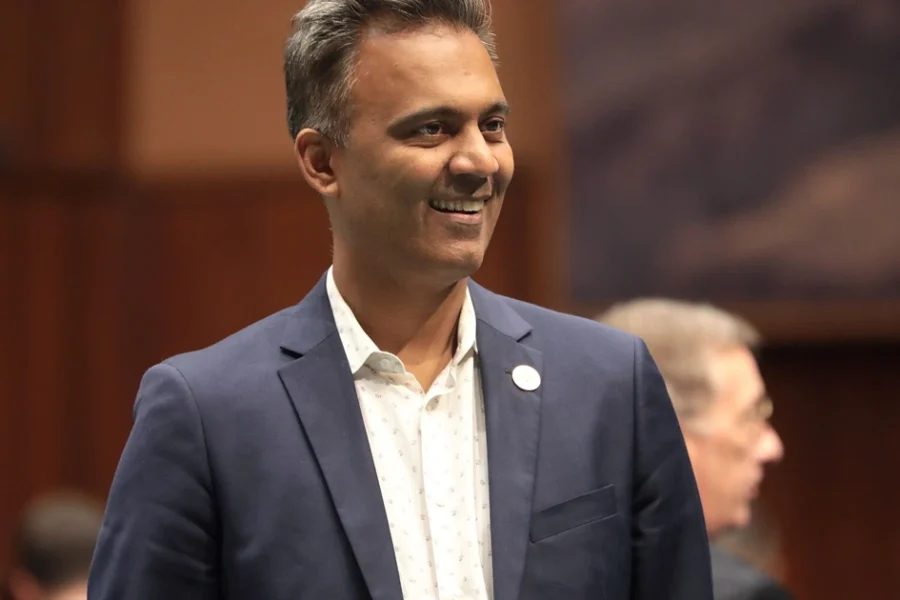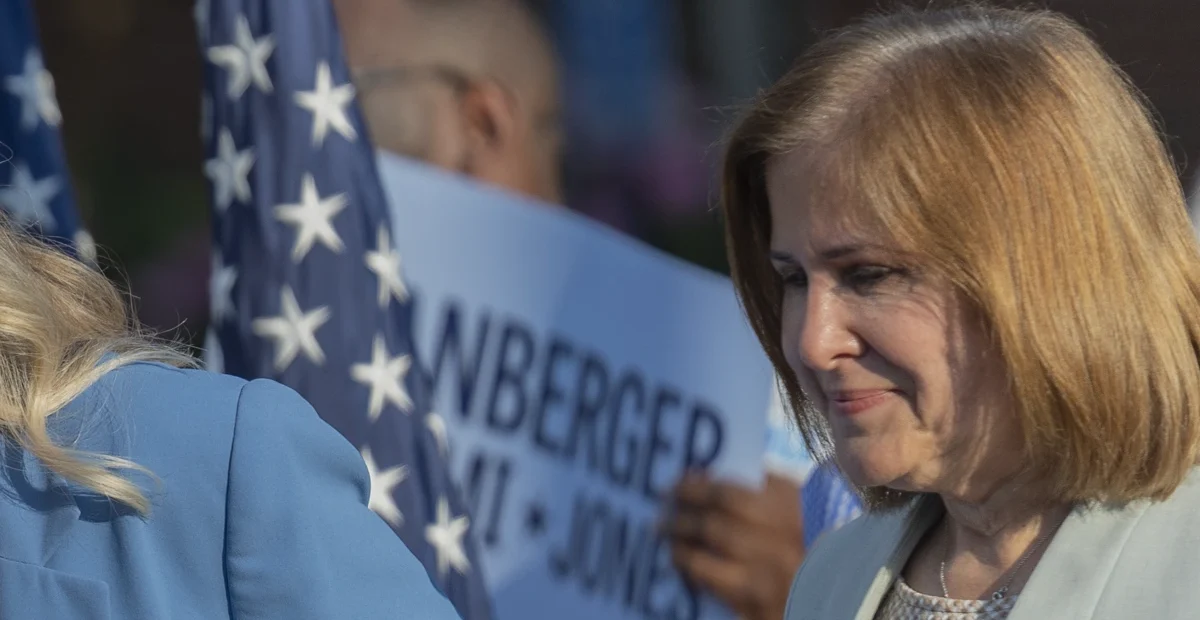
A tie in Virginia’s Senate can put a statewide elected official, rather than a senator, in the deciding position. That is one of the powers held by Ghazala Hashmi, the Hyderabad-born politician who became the Commonwealth’s 43rd lieutenant governor on 17 January 2026.
Her election took place on 4 November 2025, not in the November 2026 US midterms. The distinction is important when an old victory headline circulates alongside this year’s results. By 10 November 2026, she is an incumbent with a public record in the office, not a newly elected candidate awaiting that January’s inauguration.
Her official biography identifies her as Virginia’s first South Asian American elected to statewide office and the first Muslim woman elected statewide in the United States. The milestone is significant, but understanding the office requires looking beyond the first-ever label to its powers, limits and relationship with the governor and legislature.
When did Ghazala Hashmi win and take office?
Hashmi defeated Republican John Reid in Virginia’s lieutenant-governor election on 4 November 2025 and was sworn in on 17 January 2026. Those are separate dates for the election and the start of service.
The Virginia Department of Elections historical record identifies the 2025 contest and candidates. The lieutenant governor’s official biography confirms the January 2026 inauguration.
Her victory came in Virginia’s off-year statewide election, alongside the contests for governor and attorney general. It should not be added to a list of officials newly elected in the 3 November 2026 midterms. Doing so would combine different election cycles and obscure how long she has already been serving.
| Event | Verified date | What it establishes |
|---|---|---|
| Virginia lieutenant-governor election | 4 November 2025 | Hashmi won the statewide contest |
| Start in office | 17 January 2026 | She became the 43rd lieutenant governor |
| US midterm election | 3 November 2026 | A different election cycle from her victory |
A report published shortly after the 2025 election can remain a useful historical account. Its age does not make it false. The problem arises when its date is removed and the achievement is presented as an event that has just happened.
How did her life lead from Hyderabad to Virginia politics?
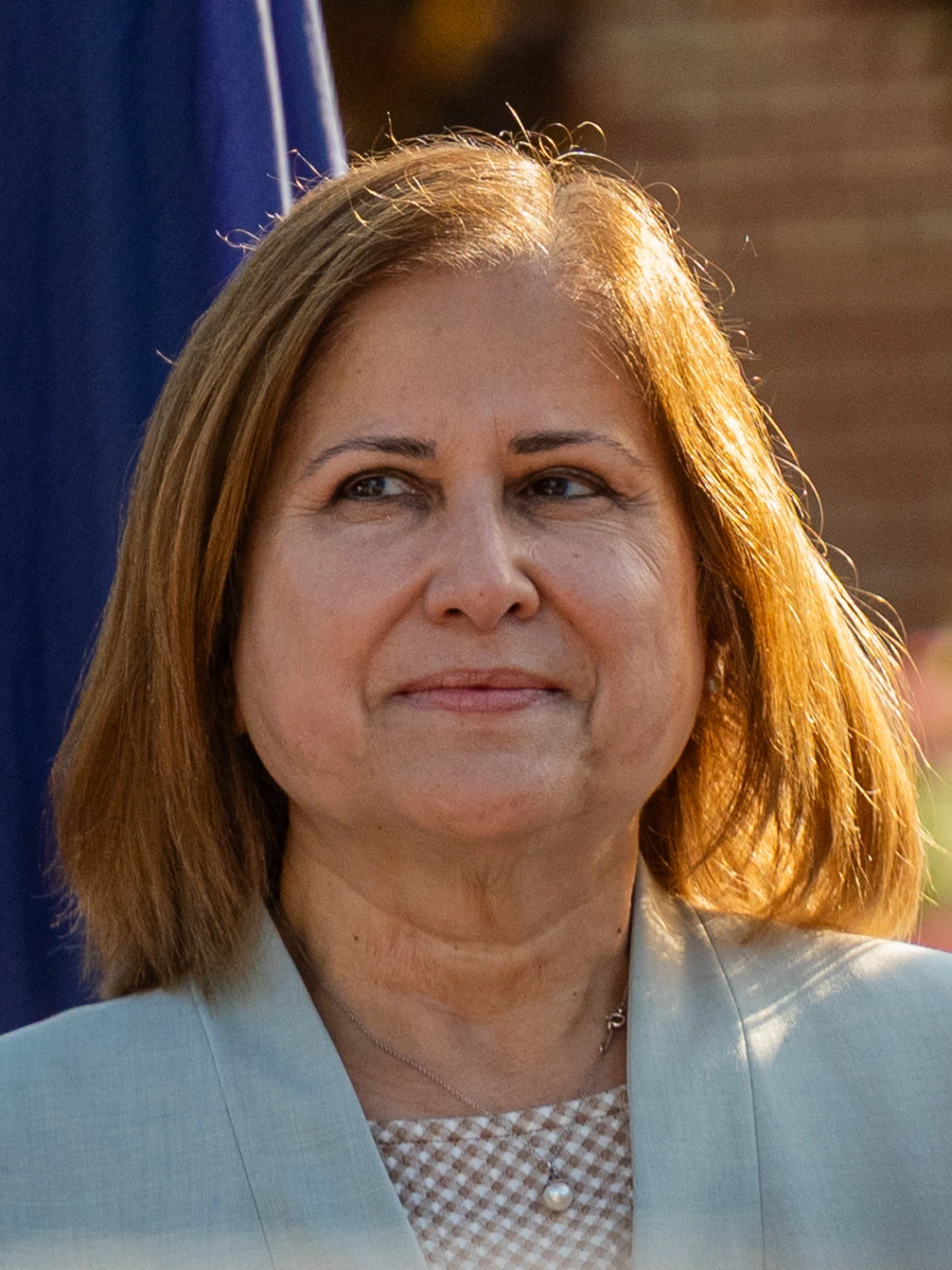
Hashmi was born in Hyderabad and grew up in the United States after migrating with her family as a child. Her career before elected office was in education.
The official biography records undergraduate study at Georgia Southern University and a doctorate in American literature at Emory University. She spent decades teaching, including in Virginia’s community-college system, before entering the state Senate.
She first won a Senate election in 2019. Before becoming lieutenant governor, she represented the 15th District. That earlier state legislative service is distinct from her present statewide office, even though both involve the Senate’s work.
Her educational background provides documented context for her attention to schools and colleges. It does not establish that every education proposal associated with her has succeeded, or that all Indian-origin residents share her political priorities. A biography explains a public official’s experience; legislative and administrative records are needed to assess outcomes.
For diaspora readers, the Indian connection is direct: a Hyderabad-born American has reached a statewide elected office. The story does not need an invented claim about the voting behaviour of Indian Americans or the influence of relatives in India to make that connection meaningful.
What are the three roles readers should distinguish?
The three are presiding over the Senate, providing for continuity in the governor’s office and advocating public priorities. The first two have defined constitutional foundations; the third depends on political work and cooperation with other officeholders.
Under Article V, Section 14 of Virginia’s Constitution, the lieutenant governor is president of the Senate and votes when the chamber is equally divided. She is not an additional senator with an ordinary vote on every question.
The succession provisions specify circumstances in which the lieutenant governor acts as governor or succeeds to the office. These include particular cases of inability to serve, resignation, death or disqualification. Acting temporarily and succeeding to the office are not interchangeable descriptions.
The office also provides a platform for public advocacy. Hashmi’s published priorities include education, healthcare access and family costs. Those priorities are not a separate power to enact law, spend money or direct every state agency without the required process.
What is a lieutenant governor?
In Virginia, it is a statewide elected office with constitutional duties that include presiding over the Senate and a role in gubernatorial succession. The precise powers depend on the state’s constitution, so the title should not be assumed to mean the same thing everywhere.
Is she the governor’s appointed deputy?
No. Virginia’s lieutenant governor is elected to a constitutional office. The position is not simply a job handed out by the governor, and its term and qualifications are set out in state law.
Article V, Section 13 provides for election at the same time and for the same term as the governor, with the qualifications and manner of election specified there. It also distinguishes the lieutenant governor’s eligibility for successive terms from the governor’s restriction.
Hashmi serves alongside Governor Abigail Spanberger, but their roles remain separate. A governor’s executive authority and the lieutenant governor’s Senate duties should not be merged into a single description of who controls state policy.
For a resident trying to influence a proposal, that difference has practical value. A request concerning a bill may require contact with the relevant delegate or senator as well as the presiding office. A problem with the delivery of a state service may require the responsible agency. Holding a statewide title does not make one official the decision-maker for every issue.

What has she publicly worked on since taking office?
Her office has documented work on higher-education governance and affordable childcare, alongside the broader priorities published on its website. These are dated examples from 2026, rather than a complete audit of her term.
A 3 March statement records her tie-breaking vote in favour of House Bill 1385 concerning the appointment process for boards of visitors at public colleges and universities. That is a concrete example of how the Senate role can affect a legislative decision.
In the statement, she criticised the preceding administration’s approach to university boards. That was her political assessment, not an independent finding about every appointee or institution. The recorded action and the argument she offered for it should be read separately.
On 27 May, her office welcomed the signing of affordable-childcare legislation, identified as SB3/HB18. She linked the measure to cooperation among employers, employees and the state, and to parents’ ability to remain in the workforce.
Welcoming a signed measure is not the same as administering every application under it. Families need the implementing programme’s rules, timetable and eligibility conditions to determine whether a particular benefit is available. A statement of support cannot replace those details.
Which priorities does her office set out now?
Education, healthcare and support for families are the themes on the lieutenant governor’s current website. The site links public-school funding with access to colleges, community colleges and career pathways.
On healthcare, it highlights staffing shortages and policies intended to attract and retain skilled professionals. Its family agenda includes housing, food, transport, neighbourhood safety and access to care. These describe the office’s stated direction; they do not demonstrate that shortages or affordability problems have been resolved.
That distinction is useful for readers assessing a politician after a historic election. A commitment establishes what the office says it wants to achieve. A bill, appropriation or implemented programme offers a different kind of evidence about what has changed. An individual family’s experience is another measure again.
The appropriate follow-up is therefore specific: which proposal, which decision, which population and which effective date? It is more informative than repeatedly announcing that the same election has just been won.

What does this mean for you?
Virginia residents can use the office’s constituent-concerns route and official contact details to raise issues. The website also separates event requests, speaking requests and the submission of opinions.
Choose the route that matches the request. An invitation to a community event, a view on legislation and a problem with an agency are different matters. A clear description helps the office understand what response or referral is being sought.
For readers outside Virginia, Hashmi’s position is relevant to diaspora representation but does not make her their elected state representative. Nor does the office decide federal immigration applications. State and federal powers must be kept separate when evaluating a promise or asking for assistance.
The report on Saba Haider’s Illinois election concerns a different state and a legislative seat. The 2026 midterm results report covers another election cycle. Reading them with their offices and dates intact gives a clearer picture of Indian-origin political participation than combining every milestone into one new national result.
What happens next?
Hashmi’s work continues through Virginia’s constitutional and legislative processes. Future proposals, Senate decisions and programme implementation will provide the next evidence of what her office helps deliver.
For a reader returning to the original victory story, the correct update is the move from candidate to incumbent: elected in November 2025, in office since January 2026, and now accountable through a record of public decisions. Her historic election is the beginning of that record, not a fresh midterm result.