Housing costs, homelessness and public safety will demand decisions before election symbolism can become a governing record. Nithya Raman, the India-born Los Angeles councilmember who defeated Karen Bass in the mayoral election, is preparing to take office in December with those priorities and a strained city budget.
Bass conceded on 5 November 2026 as Raman widened her lead. The result follows the 3 November election and puts an urban planner with experience in homelessness outreach at the head of the United States’ second-largest city.
The next phase is a transition rather than another campaign. Raman must assemble a team, work with a council whose members did not endorse her bid and explain how proposals will be funded. Her Indian background gives the result a clear diaspora connection, but the office’s responsibilities extend to all Los Angeles residents.
What did Nithya Raman win?
Raman won the Los Angeles mayoral contest against incumbent Karen Bass. It is an executive office in city government, separate from a seat in the US Congress or the California legislature.
The victory came after a campaign in which Raman positioned herself as an alternative to an established incumbent. Bass’s concession establishes the political outcome, while the county continues the formal election process. A reported winner and a final certified vote total are different stages.
Readers looking for the official count can use the Los Angeles County election-results service. An early percentage should not be treated as the final margin while ballots remain to be counted. No precise margin is needed to understand the governing questions now facing the winner.
The result also needs to be distinguished from the congressional and state outcomes in the US midterms. Different offices have different powers, even when their elections take place on the same day.
What are her housing and public safety priorities?
Raman has identified homelessness, housing costs and public safety as the priorities of her incoming administration. Turning that list into a programme will require choices about spending, staff and cooperation across City Hall.
Those subjects overlap but are not identical. A housing proposal concerns how homes are supplied, regulated or afforded. A homelessness response also involves the circumstances of people without stable accommodation. Public safety brings policing and other city services into the discussion.
That makes the detail of the transition important. Naming a priority does not establish a funded programme, a delivery timetable or agreement from the institutions needed to carry it out. The first appointments and budget proposals will offer more evidence of her approach than a campaign description alone.
The city also faces the demands of preparing for the 2028 Olympic Games. That deadline sits alongside ordinary expectations about roads, street lighting and public services. Residents will judge the administration through the work of the city as well as its handling of major events.

How much power does the mayor have?
The mayor has substantial executive responsibilities, but shares government with the City Council and other institutions. Winning the election does not give the office unilateral control over every policy or spending decision.
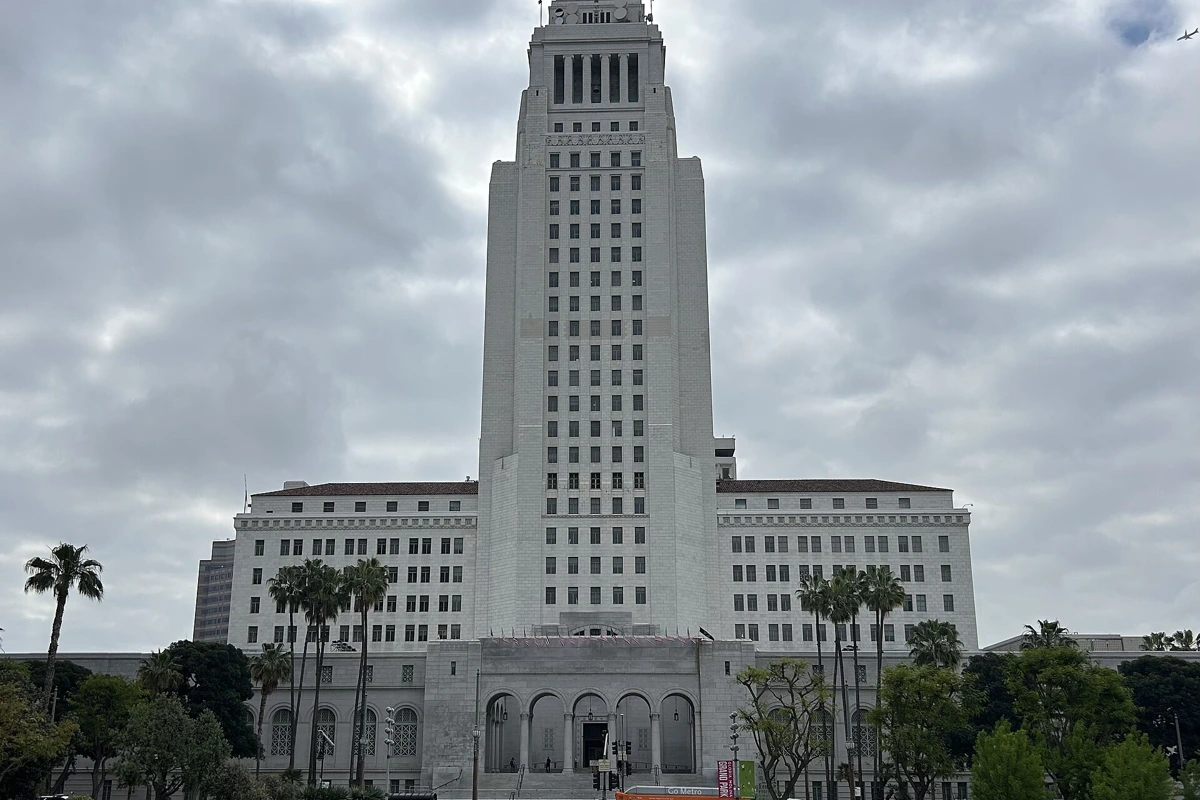
The city’s official explanation of its charter and rules describes a mayor-council-commission system. The charter provides the framework within which the executive and legislative branches act.
Under the charter’s mayoral powers and duties, the mayor prepares a proposed annual budget for the council’s consideration. That is a power to propose and lead, alongside a requirement to work through the wider budget process.
What is a mayor-council system? It divides city government between an executive mayor and a legislative council. The mayor’s ability to carry out a programme depends on the powers assigned by the city charter, the budget and decisions involving other institutions.
The distinction matters when judging promises. A mayor can set priorities and seek changes, but the existence of a campaign pledge does not mean a new rule has already taken effect. Residents and businesses need the adopted policy, not simply a description of what a candidate wanted to do.
Why will council relations matter?
Council relations will matter because the next administration needs support to turn proposals into practical decisions. Raman’s campaign did not secure endorsements from her 14 council colleagues, making the transition a test of coalition building as well as policy design.
Opposition to her candidacy should not be treated as proof that every future proposal will fail. Equally, an election victory does not establish that disagreements have disappeared. The relevant evidence will be how councillors respond to specific appointments, budgets and measures.
Her relationship with the Democratic Socialists of America is another part of the political context. Raman has had the organisation’s backing, while also presenting herself as willing to take positions independently. An organisational label cannot, on its own, establish the content of a future city decision.
The city-government setting limits the claims that should be made about the result. Federal visa allocations, green-card rules and national immigration legislation are not policies a Los Angeles mayor can rewrite alone. The division of US immigration powers remains relevant when interpreting political outcomes.

What does her background add to the story?
Raman brings experience as an urban planner, a councilmember and a participant in homelessness outreach. She was educated at Harvard University and the Massachusetts Institute of Technology, according to her documented public background and election coverage.
Those experiences explain why housing and the operation of the city feature prominently in the discussion of her administration. They do not establish that a particular future programme will succeed. The qualifications and the governing record should be assessed separately.
For diaspora readers, the significance lies in an India-born politician winning responsibility for a major American city. That is a substantial story without describing all Indian Americans as holding the same political views or assuming that heritage explains the choices of Los Angeles voters.
The election also represents a change in leadership after an incumbent’s defeat. Bass’s administration and supporters backed a different course; Raman now has the responsibility to show how her own approach will work through the same municipal institutions.
What does this mean for residents and businesses?
It means watching for adopted decisions rather than changing plans on the strength of a campaign headline. A housing applicant, business owner or community organisation needs to know which department is responsible, what programme exists and whether the relevant rules have changed.
The official city-government pages and county election authority provide separate services. The county records the election. City departments and the council publish the measures that affect daily administration. One should not be used as a substitute for the other.
Community groups seeking to influence the new administration can follow the transition’s public announcements and the council’s published business. Claims of a new entitlement, funding award or regulatory change should be checked against the relevant document when it appears.
Which homelessness figures show the limits of a city-only response?
County data show that the problem extends beyond the mayor’s jurisdiction. In its statement on the 2026 count, published on 24 July, Los Angeles County’s Department of Homeless Services and Housing recorded a 1.2% overall increase and a 3.3% increase in unsheltered homelessness across the county.
Those are countywide changes, not city-only figures and not November election results. They should not be presented as a measurement of the incoming administration’s performance before it has taken office. The city is part of a wider region with other municipalities and county responsibilities.
The county’s account argues that reductions in state and federal funding contributed to the increase. It identifies a pause in new enrolments in Time-Limited Subsidies, a rental-assistance tool, as a source of pressure on the system. That is the county department’s explanation, rather than a finding that every part of local policy worked as intended.
For Raman, the consequence is a need to work with institutions beyond City Hall as well as with the council. A city proposal can be significant without controlling every funding source or service involved in helping somebody move into stable housing.
How should residents compare the figures over time?
Use the same geography and measure before comparing two numbers. The Los Angeles Homeless Services Authority’s data centre publishes separate summaries for the city, county and other areas. Those boundaries should be retained when assessing an administration’s claims.
A point-in-time count estimates a population at a particular time. A record of placements into housing measures activity over a period. Both can help describe a response, but they answer different questions and should not be substituted for one another.
That distinction will matter when the new mayor starts reporting progress. A rise in people placed into housing does not, by itself, establish that the overall number without housing has fallen. Readers need the date, area and definition alongside the headline number.
What happens next?
Raman’s transition will move towards the December transfer of office, with staff choices and a more detailed governing programme still to come. Those decisions will show how the priorities named after the election translate into responsibilities and spending.
The next substantive test will be the measures she places before City Hall and the support they receive. A victory has settled who will lead the administration; the budget and legislative process will help determine what it can deliver.