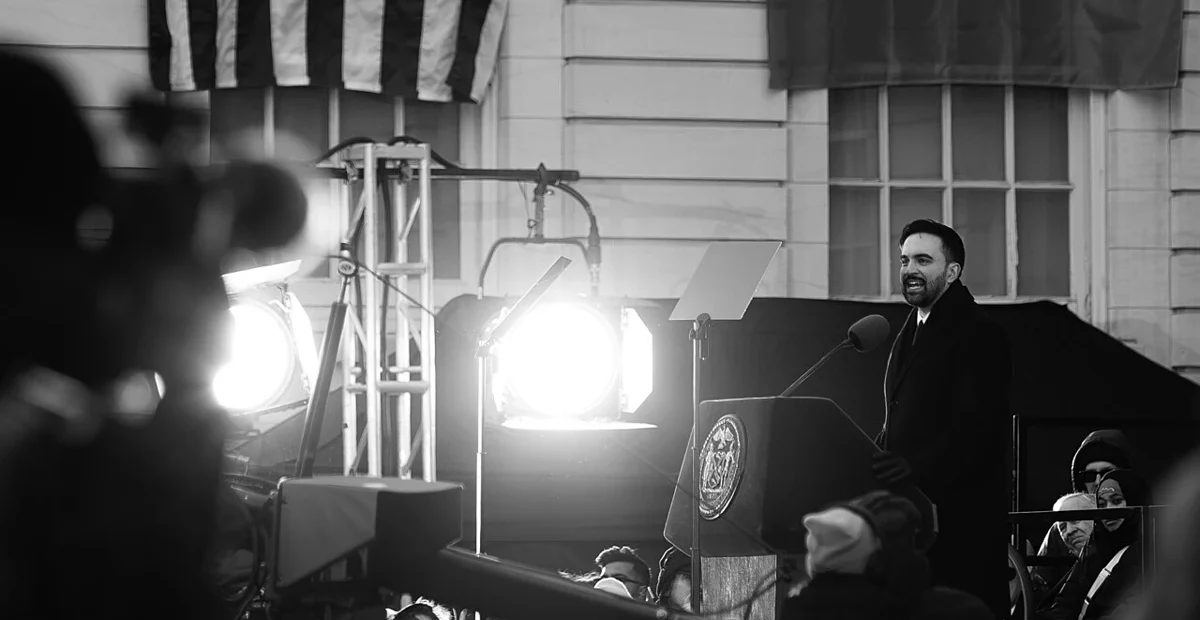
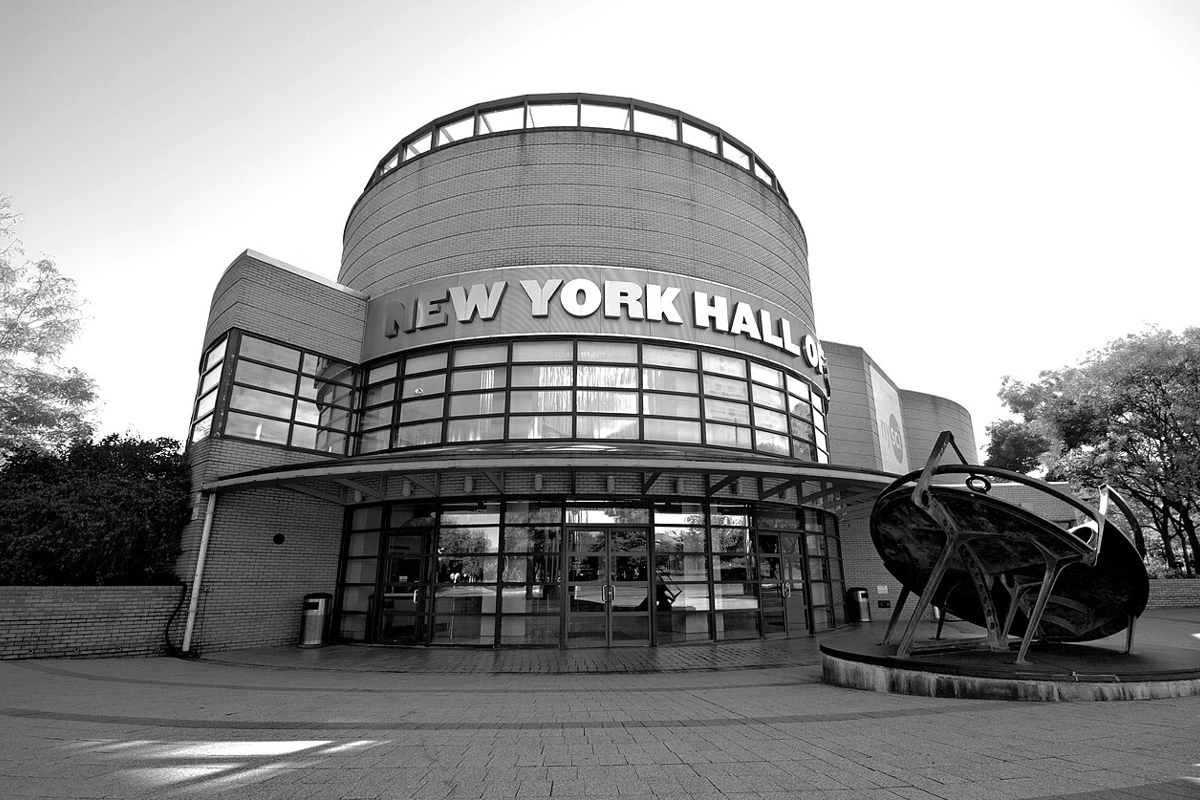
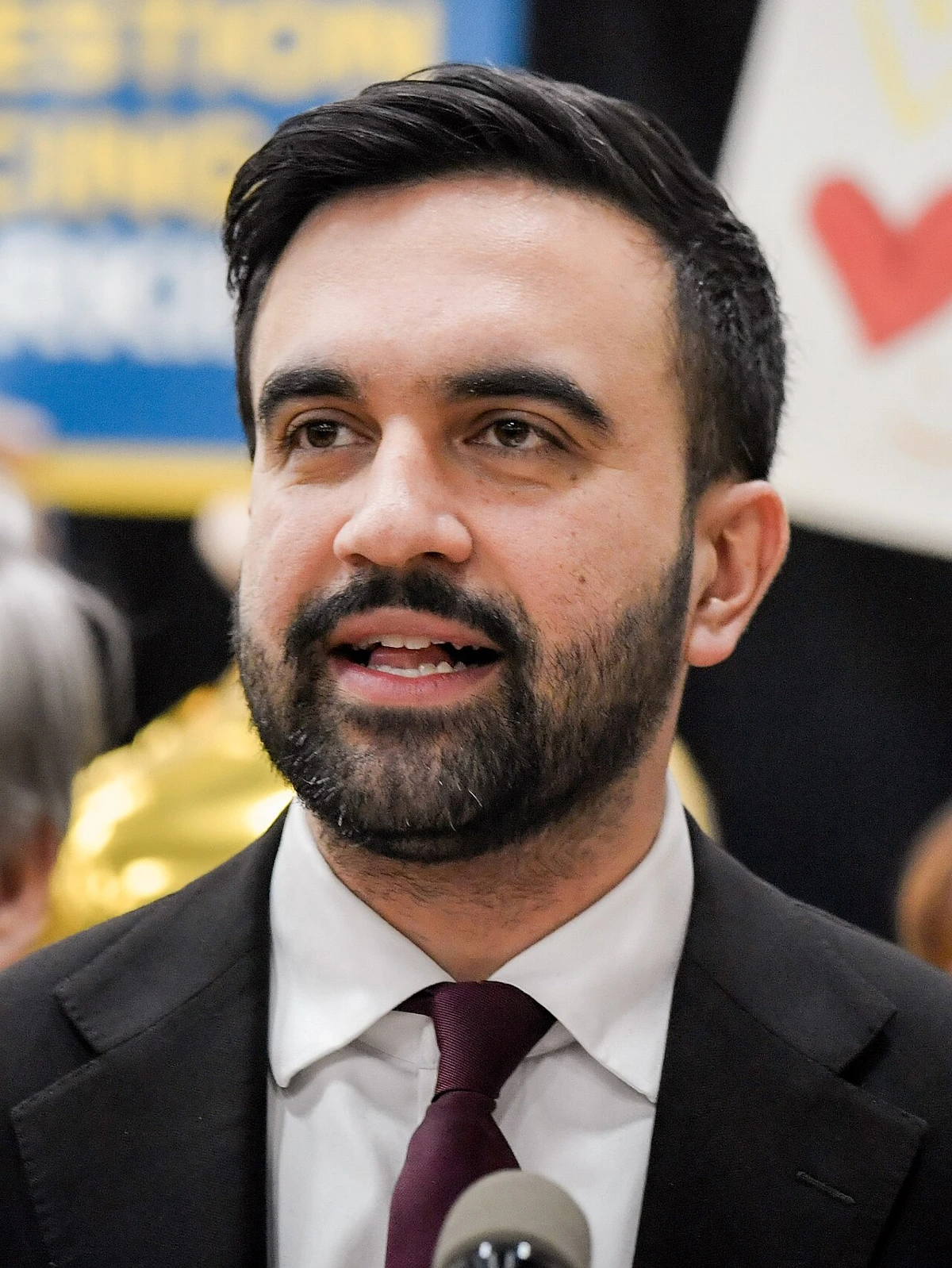
New York City Mayor Zohran Mamdani used his administration’s Diwali celebration to call for the protection of Hindu Americans and challenge hostility towards South Asian communities, as a separate group of US lawmakers sought a federal investigation into the disruption of a festival in Seattle. The Mamdani Diwali event took place on 17 November 2026 at the New York Hall of Science in Queens. The mayor connected the celebration with a message about immigrants’ belonging and the right to practise religion without fear.
His office’s recording of the event provides the public record of the celebration. The occasion brought together South Asian and Indo-Caribbean communities whose connections to Diwali include different religious traditions and migration histories.
The speech was a political commitment to confront hatred, rather than an announcement that a specific hate-crime prosecution had been opened. That distinction also applies to the congressional request concerning Seattle: lawmakers are asking for action by investigators, not announcing a conviction.
What did Mamdani say at the Diwali celebration?
Mamdani said public life carried a shared responsibility to confront hatred and protect the safety and religious freedom of Hindu Americans.
He referred to attacks on Hindu temples, hostility towards Sikhs and rhetoric in political campaigns. His remarks described a wider concern about the treatment of minorities rather than presenting a new statistical series measuring hate crime.
The mayor also recalled celebrating Diwali while growing up. He spoke about lessons from the Ramayana and Mahabharata and the significance of marking the festival as mayor of a city with many South Asian communities.
The event’s setting in Queens placed those themes within a borough where Indian, Nepali and Indo-Caribbean traditions are visible in neighbourhood life. The gathering was a civic celebration, rather than a claim that all of those communities observe the festival in the same way.
What are the lawmakers seeking over Seattle?
Thirteen members of the US House of Representatives have requested an investigation into conduct at a Seattle Diwali celebration and called for renewed federal attention to anti-South Asian hate.
An official release from Representative Pramila Jayapal’s office, dated 17 November, identifies Jayapal, Raja Krishnamoorthi and Grace Meng as leading the request.
The lawmakers allege that Jake Lang and Thomas Allen entered the celebration carrying racist signs. Their letter asks the authorities to examine whether the conduct meets federal offences involving intimidation, civil rights and the exercise of religious beliefs.
Those are allegations and legal arguments advanced in a congressional letter. They do not establish that the named men have been charged or found guilty over this incident. Any person accused of an offence is presumed innocent unless proved guilty in court.
The release also calls for the Department of Justice to give greater priority to hate-crime investigations and community conflict-resolution work. The request concerns federal policy and enforcement, separate from the responsibilities of New York City’s mayor.
Does a hate incident automatically amount to a hate crime?
No. A hate crime requires a criminal offence connected to a legally recognised bias; offensive or hateful expression does not automatically satisfy that test.
The New York Police Department’s guidance distinguishes protected expression from a criminal act committed with a bias motive. Investigators assess the conduct, evidence and applicable law rather than relying only on how a public figure describes it.
That distinction is relevant when sharing accounts of an event online. A request for a hate-crime investigation should be described as a request. An investigation, a charge and a conviction are later, separate stages.
The Seattle letter invokes federal law. New York’s police guidance explains local reporting and classification, and does not determine the legal outcome of an incident in Washington state.
What is the difference between discrimination and a hate crime?
Discrimination can involve unlawful unequal treatment in areas such as work, housing or services. A hate crime involves criminal conduct motivated by a protected characteristic. The routes for reporting them differ, although one incident can raise more than one legal issue.
Where can New Yorkers report an incident?
New York City’s official guidance directs people to call 911 for a hate crime or an emergency, and identifies the Commission on Human Rights as a separate channel for discrimination complaints.
The city’s Office for the Prevention of Hate Crimes reporting page sets out those routes. People should use the channel appropriate to what happened rather than assuming a social media complaint reaches the police or a civil-rights investigator.
The NYC311 hate-crime page also directs callers to 911. A non-emergency question about discrimination can be taken through the city’s human-rights information and complaint arrangements.
For people outside New York, local procedures apply. A New York City reporting page is not a nationwide replacement for local police, emergency services or the relevant state civil-rights authority.
What if an incident happened earlier or does not require an emergency response?
New York City’s guidance says a crime that happened in the past, or does not require immediate assistance, can be reported to the local police precinct.
The Office for the Prevention of Hate Crimes explains that the NYPD Hate Crimes Task Force is notified if the incident is considered potentially motivated by bias. It also publishes a tips number, 877-NO-HATE-NY, and encourages survivors to seek assistance from community organisations or advocates.
The NYPD’s reporting guidance says immigration status does not prevent someone from reporting a hate crime or receiving essential services. It provides reporting materials in several languages, including Bengali, Punjabi and Urdu.
Those details can matter to a family unsure whether it is entitled to approach the authorities or explain an incident in a language it understands. They are the department’s published access arrangements, rather than a new service announced at the Diwali event.
What information can help a report, and what if police have not acted?
The New York Attorney General’s guidance recommends obtaining an incident-report copy and recording the responding officer’s name, badge number and the assigned case number.
Its hate-crime information page asks witnesses to describe what they saw or heard, including threatening language, identifiable clothing or symbols, property damage and whether the incident occurred during a cultural or religious celebration. It also asks about similar incidents in the community.
The office says people can submit a civil-rights complaint or call 1-800-771-7755. Its possible responses include civil investigations and action concerning bias-motivated violence or intimidation, even where local prosecutors have not filed a hate-crime charge.
That does not guarantee a particular outcome in an individual complaint. It identifies an additional official route and the information the office says can assist its assessment.

How should readers interpret claims that hatred is rising?
They should look at the measure being used, its dates and the population it covers.
Reported crimes, survey responses and social media posts are different forms of evidence. An online study can describe what researchers found in a platform sample, while police data describe recorded incidents under a particular classification system. Neither measure can simply be substituted for the other.
Mamdani’s speech and the congressional letter express concern about a pattern of hostility. They do not, on their own, establish a new national crime rate for Indian Americans. A reliable comparison requires a consistent definition and reporting period.
That care also avoids treating Indian Americans, Hindu Americans, Sikhs and South Asians as interchangeable categories. National origin, ethnicity and religion can overlap, but an individual or community should be identified in the terms supported by the evidence.
What does the speech mean for Indian-origin New Yorkers?
The mayor’s remarks publicly affirm that their safety and religious freedom belong within the city’s civic responsibilities.
That is the direct diaspora connection in this story. It is grounded in his stated concern for Hindu Americans and South Asian communities, alongside the experiences being raised by elected representatives.
The practical question for residents is what follows in reporting access, support and enforcement. A supportive speech can state a government’s priorities, but individual complaints still require the appropriate reporting process and evidence.
The comments also sit within a longer discussion of Mamdani’s role as New York mayor and the different ways diaspora communities mark Diwali. The celebration and the concern about hostility are connected, but neither should erase the range of communities represented.
What happens next?
The next substantive development in the Seattle matter would be a response from the law-enforcement agencies addressed by the lawmakers or an announcement about an investigation.
In New York, the relevant follow-through is the city’s handling of reports and the support available to affected residents. The mayor’s call to confront hatred sets a public expectation; verified actions and official records will show how that commitment is carried out.