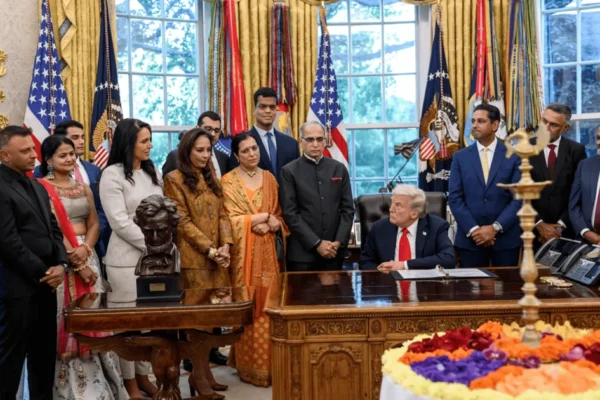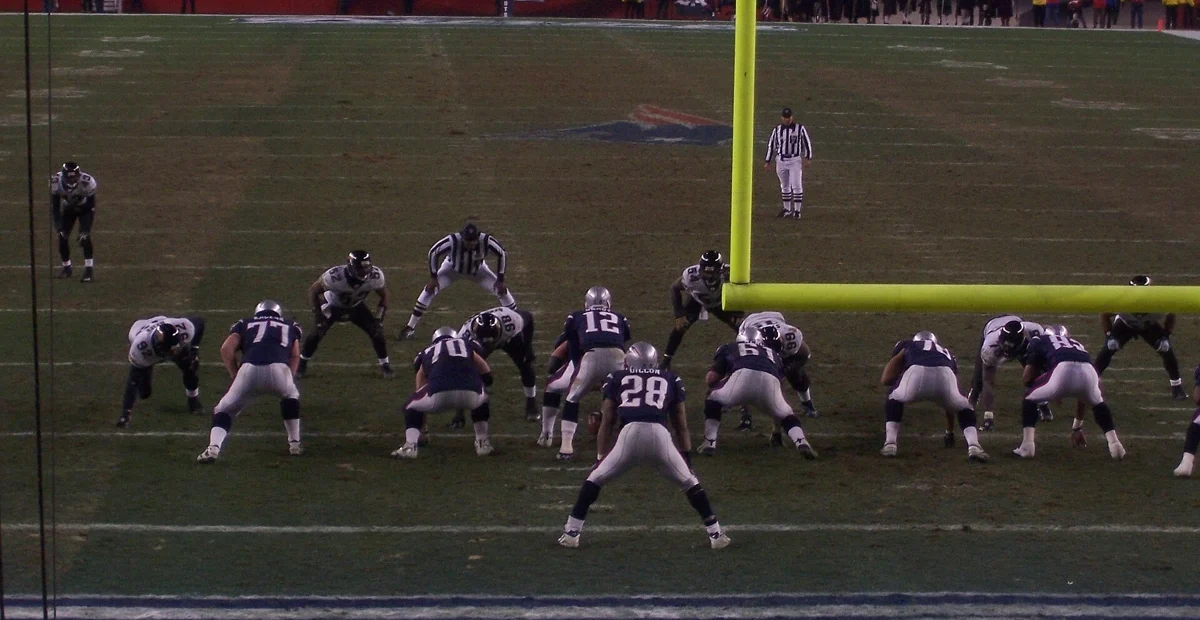
A family outing to Gillette Stadium can stretch across generations, from adults who learnt American football after migrating to grandchildren growing up with the New England Patriots. For Indian NFL fans, following a team can become part of family life without displacing a connection to cricket.
A new account of supporters in Massachusetts puts that experience at the centre of the story. It describes Prashanth and Anuradha Palakurthi’s family supporting the Patriots, alongside Arun Santhanam’s account of learning the sport after moving to the United States. These are identifiable supporters, rather than evidence that all Indian Americans follow the league.
Their interest has an independently documented history. A January 2024 interview with Prashanth Palakurthi discussed the Patriots’ coaching change, owner Robert Kraft and the team’s future. The latest account therefore describes an established attachment, not a sporting enthusiasm that appeared overnight.
What do Indian NFL fans tell us about belonging?
They show how a local team can become a shared interest within a migrant family. They do not establish the size of the Indian-origin audience or a measurable national increase in support.
The distinction matters when a lively family portrait becomes a claim about an entire diaspora. The Massachusetts account includes relatives following the same team and conversations about the game with friends and colleagues. Those experiences help explain the appeal of a recurring Sunday fixture, but they cannot supply a representative survey.
Nor does learning football require abandoning cricket. A reader can recognise the familiar pleasures of loyalty, tactics and anticipation while accepting that the rules and competitive structure are different. Describing that coexistence is more accurate than presenting one sport as a replacement for another.
The immediate sporting backdrop was a difficult Sunday for New England. The Patriots’ official game coverage records a 45–27 defeat by the Green Bay Packers on 8 November 2026. Green Bay’s own match report confirms the result. The score is a verified detail of that game, not a measure of the supporters’ commitment.
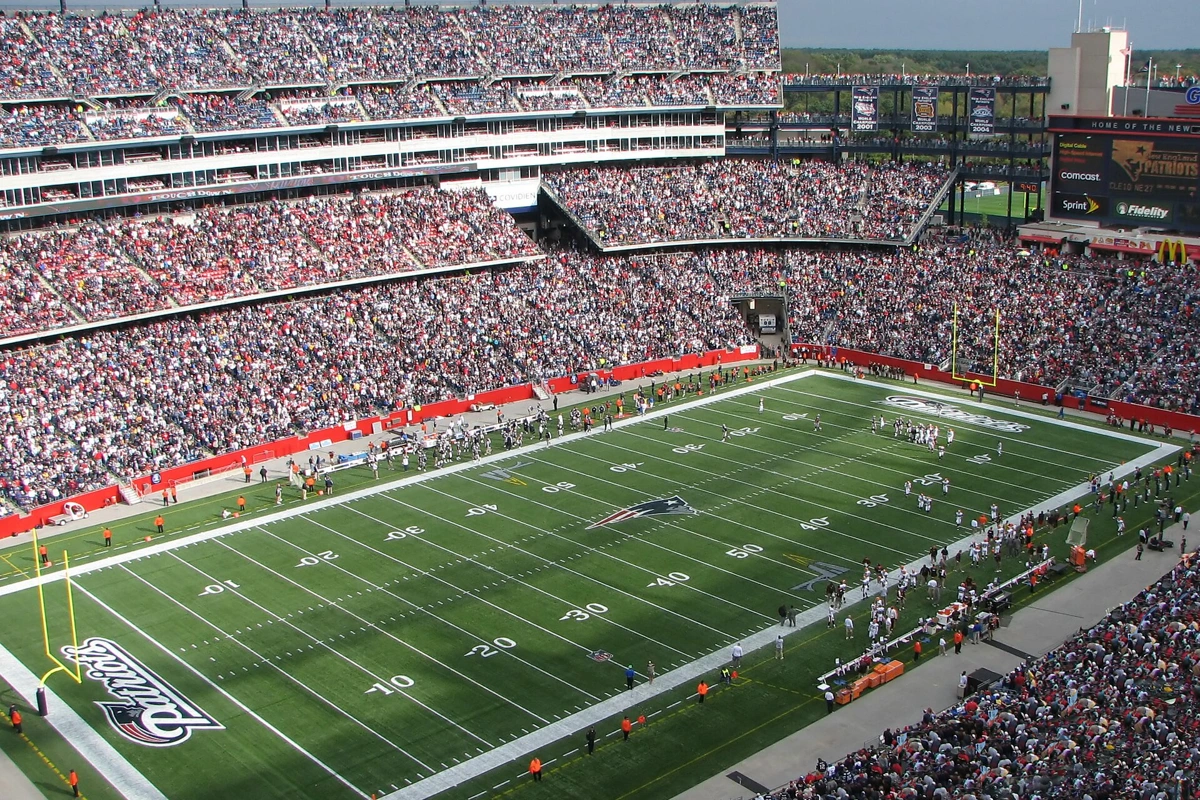
How can a cricket follower begin to understand the game?
Start with possession, territory and the next first down, rather than trying to learn every penalty at once. The NFL’s official football terms provide definitions for unfamiliar language.
A down is a play. In the ordinary sequence, the attacking team has four downs to advance the required distance, usually 10 yards, and earn a new set. The television graphic showing the down and distance therefore tells a newcomer what the next play needs to achieve.
That is why a short gain can be useful even when nobody scores. On third down, a few yards can keep possession alive. A fourth-down decision may involve trying to gain the remaining distance, attempting a field goal or punting the ball away. The decision depends on field position, the score and the time remaining.
A drive is a sequence of plays by the team in possession. Following one drive from its starting position to its conclusion is a manageable first lesson. It gives the individual collisions and passes a purpose without requiring a viewer to identify every player’s assignment.
What is a first down? It is the start of a new series of attacking plays after the team gains the required distance or receives it through an applicable ruling. The down-and-distance display helps explain what the next play must accomplish.
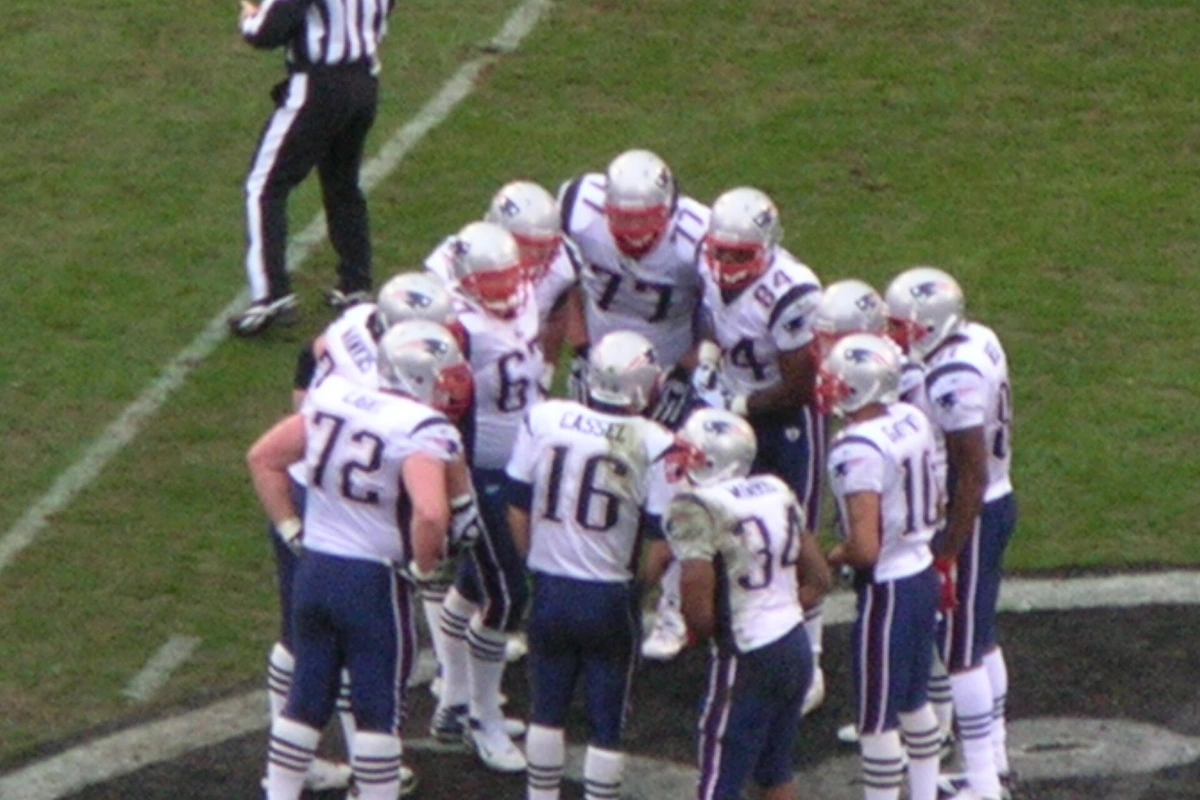
Why do different players keep coming onto the field?
Teams use different personnel for attack, defence and kicking situations. The NFL’s formations guide explains how roles and positioning shape each play.
The quarterback directs the attacking play, but the work of blockers, receivers and runners determines whether it succeeds. Defence is not simply an attempt to collide with the person carrying the ball. Positioning, coverage and pressure can force a poor throw or prevent the gain needed for a first down.
Special teams handle kicking plays, including punts, kick-offs and field-goal attempts. A change of personnel may therefore signal a change in the immediate objective. Watching who enters the field helps a newcomer anticipate what is likely to happen.
The cricket comparison has limits. Football does not involve one side batting for an extended innings before exchanging roles. Possession can change repeatedly, and the clock affects the choices available. Treating a quarterback as exactly equivalent to a batter or captain can obscure more than it explains.
How does the scoring work?
A touchdown is worth six points, and a field goal is worth three. After a touchdown, a team can attempt a one-point kick or a two-point play; a safety is worth two points.
These values are set out in the 2026 NFL rulebook. They explain why the margin matters as much as the number on the scoreboard: a team needing a touchdown faces a different problem from one that can draw level or win with a field goal.
| Scoring event | Points | What a newcomer should watch |
|---|---|---|
| Touchdown | 6 | The ball reaching the end zone under the rules |
| Field goal | 3 | A successful kick through the goal |
| Kick after a touchdown | 1 | The separate attempt following the touchdown |
| Two-point try | 2 | A separate play instead of the one-point kick |
| Safety | 2 | A specific defensive scoring outcome |
The table is a starting point, not a substitute for the rulebook. Penalties and rulings can change the outcome of a particular play. Waiting for the officials’ decision is part of following the game.

What did Sunday’s game show about possession?
Green Bay’s victory showed how losing the ball can change a game beyond the yards gained on an individual play. The Packers’ official account says four takeaways led to 21 points in the 45–27 win.
For a newcomer, that offers a concrete way to watch the replay. Notice where possession changes, where the next drive begins and whether the team converts the opportunity into points. A turnover can leave the opposition much closer to scoring than a routine punt would.
The lesson is about this match, not a claim that every defeat has the same cause. It also shows why a broadcast’s account of yards and scoring needs the sequence of events around it. The next play makes more sense when the viewer knows how the team acquired the ball.
What should a family check before a stadium visit?
Check the actual event’s ticket instructions, bag restrictions and access arrangements before leaving home. Familiarity with cricket grounds does not establish what a US stadium will accept.
Gillette Stadium’s ticket guidance identifies mobile ticketing and the official ticket vendor. Families should confirm that each ticket is accessible through the approved account or application, especially if members of the group arrive separately. An image in a message should not be assumed to function as an admission ticket.
The Patriots’ mobile-ticket information provides the relevant digital-entry instructions. Read those instructions before travelling, rather than discovering an account or access problem at the gate. Check the event details as well as the venue name, because different events can carry different arrangements.
The stadium’s bag policy specifies clear bags up to 12 by 12 by six inches, a qualifying clear freezer bag, or a small wristlet or handheld wallet within its stated limit. An ordinary handbag or backpack should not be presumed acceptable.
Requests relating to medical supplies or dietary needs have a separate exception process. A family should use the stadium’s published contact route in advance, rather than rely on another fan’s experience at a different match. The venue’s current instructions take precedence over an old social-media checklist.
What does this mean for newcomers and parents?
It offers several ways to participate, with no requirement to begin with an expensive stadium visit. Understanding a broadcast, talking through a drive with a friend or following a local team’s official coverage can all be starting points.
For parents interested in participation rather than watching, the NFL’s international flag-football information distinguishes flag football from the tackle game. The format and local provider should be checked separately; watching the NFL is not evidence that a particular youth programme is suitable for a child.
A family can ask a provider about the age group, contact rules, equipment and supervision before enrolling. Those are practical questions about the actual programme, not questions answered by a professional team’s popularity.
The broader connection between language, family routines and belonging is also considered in this guide to raising children with a home language. Readers following American public life can find more reporting in the US section.
What happens next for this sporting connection?
The next useful evidence would be wider research on Indian-origin audiences, participation and viewing habits. Individual supporters explain how a connection works; they do not establish how common it is.
For a new viewer, the immediate next step is smaller: choose a game, follow possession and the down-and-distance display, and use the official rules when a decision is unclear. The family tradition can develop at its own pace, without a claim that every Indian American must share it.