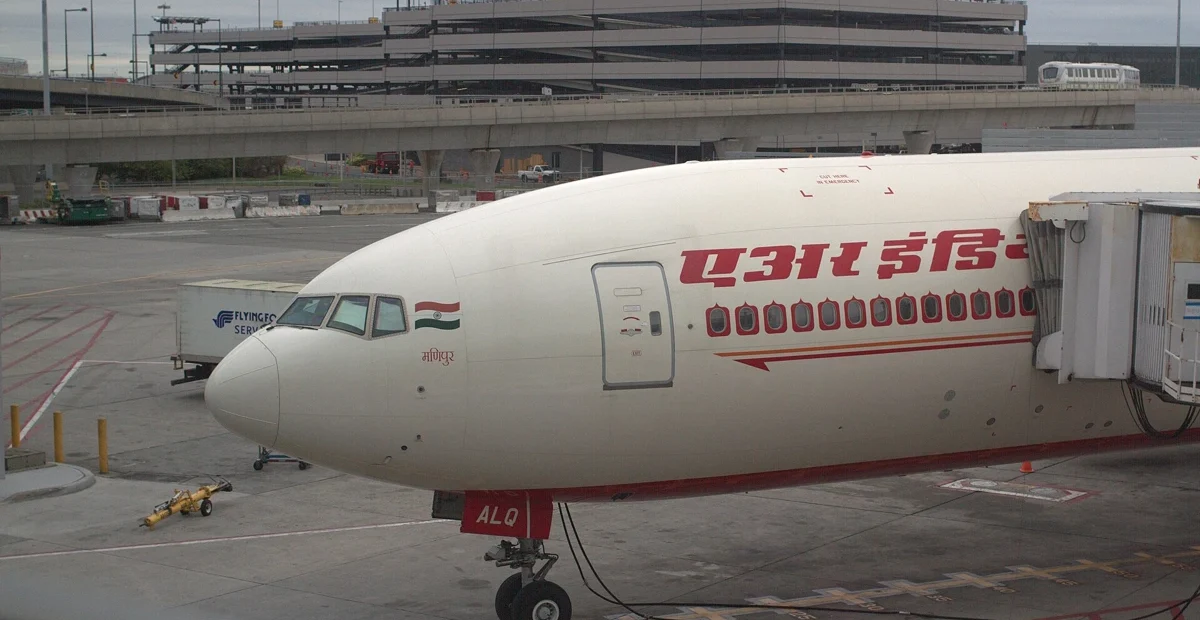
Removing an intermediate fuel stop can change a long journey even when the departure and destination remain the same. Air India flights between Delhi or Mumbai and the New York area are operating nonstop again through Iraqi airspace, according to reporting published on 6 November 2026.
The change concerns services to John F. Kennedy International Airport and Newark Liberty International Airport. It follows a period in which airspace restrictions forced affected flights to make technical stops in Rome, extending journeys for passengers travelling between India and the United States.
For families arranging airport collections, onward travel or assistance for an older relative, the practical question is the itinerary attached to the actual booking. Reports give different overall journey times, so there is no single flight duration that every passenger should substitute into their plans.
Which Air India flights to JFK and Newark are affected?
The reports identify services linking Delhi and Mumbai with JFK and Newark. These are different airport pairs, and each booking needs to be checked on its own departure date.
JFK and Newark both serve the wider New York metropolitan area, but they are not interchangeable arrival points. A passenger’s ground transport, onward flight and collection arrangements depend on the airport printed on the ticket.
Air India’s official flight-schedule service provides a route and date check. Its flight-status service provides a separate check close to travel. A general news report cannot establish the operation of every flight on a future day.
The return of nonstop operation should therefore be read as a change to the affected services, rather than an assurance covering the airline’s entire US network. It does not, by itself, establish that unrelated routes have changed or that every ticket has a new arrival time.
What changes when a technical stop is removed?
Removing a technical stop eliminates an intermediate landing made for operational reasons, such as refuelling. For an affected passenger, that can reduce time spent on the ground as well as the complexity of an already long flight.
A technical stop is different from a connection requiring a passenger to change to another booked flight. Both can add time to an itinerary, but they involve different arrangements. A passenger should not assume that a report about removing fuel stops cancels a separate connection shown in their booking.
What is a nonstop flight? A nonstop flight travels between its departure and destination airports without an intermediate landing. A flight marketed as direct can still include a stop, so the detailed itinerary is the better guide.
For the affected India-US services, the reported return to nonstop operation removes the Rome fuel stop. It does not remove the need for normal check-in, border documentation or a connection after arrival where the passenger has booked one.
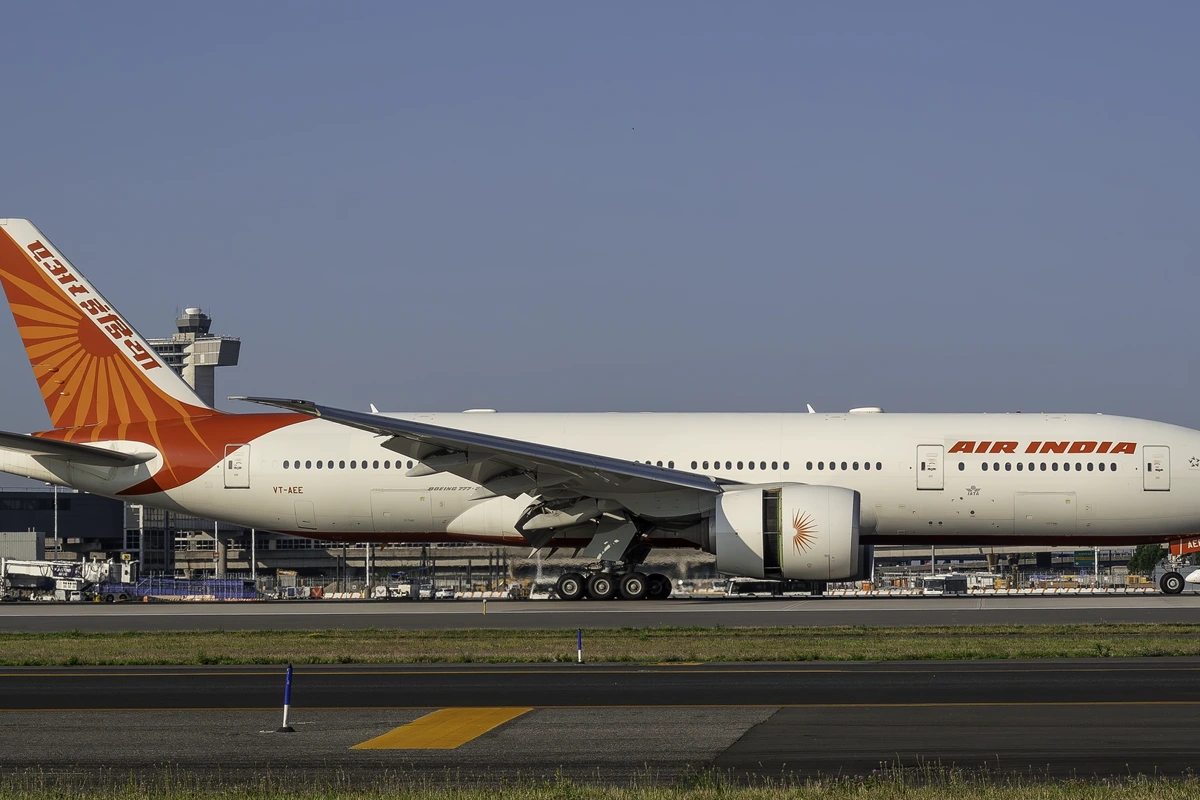
Why are precise time savings different across reports?
The reports use different overall journey-time figures, so passengers should use the schedule for their own route rather than a universal saving. Departure airport, arrival airport and the particular operating date all matter to an itinerary.
Some reporting describes a reduction of around four hours, while another account gives a change from about 21 hours to 18. Those accounts support the direction of the change, but do not establish one reliable before-and-after duration for every service.
The reported estimate of fuel savings is also an airline-operating claim, not a promise that fares will fall by the same percentage. A lower operating cost and the price a customer pays are different measures. No fare reduction is established simply by the routing news.
The sensible comparison for a passenger is between their current booking and any revised itinerary issued by the airline. Keep the earlier record if a change has been communicated, so the differences in airports, dates and times can be checked accurately.
What are the four checks before travelling?
Check the airport pair, the presence of any stop, the current flight status and the rest of the journey. These details determine whether the route change affects the individual booking.
| Check | Where to look | Why it matters |
|---|---|---|
| Departure and arrival airports | Ticket and current itinerary | Delhi, Mumbai, JFK and Newark are different operating points |
| Intermediate stops | Detailed flight itinerary | Nonstop operation differs from a direct flight with a fuel stop |
| Current operating time | Airline schedule and flight status | A news report does not establish today’s departure or arrival |
| Onward arrangements | Connecting ticket and ground transport booking | Changes to one sector do not automatically change the next |
For an airport collection, share the flight number as well as the airline name. A relative waiting at Newark needs the Newark service, not a general estimate for New York. Check whether an arrival occurs on a different local date from departure.
For a connecting itinerary, review the whole booking rather than the longest sector alone. A shorter long-haul journey does not establish that a separate onward flight has moved or that a separately purchased ticket can be changed without conditions.
Does this change travel-document requirements?
No change to passport, visa or entry requirements is established by the routing announcement. Operational use of airspace is a different question from the documents a passenger needs for the destination or any actual transit point.
Use Air India’s official document guidance alongside the requirements published by the relevant government. Where an itinerary still shows a stop, check that itinerary rather than assume that news of another service applies to it.
Travellers using an OCI card should also distinguish airline routing from the separate passport-update concession in Australia. A fee waiver associated with an OCI record does not decide the operating schedule of an India-US flight.
For broader travel planning, use the travel section to identify other destination-specific developments, then return to the operating airline and official authorities for the current booking and document requirements.
How should passengers check onward travel at JFK?
Use the airport’s current transport information alongside the flight itinerary. JFK’s official AirTrain guidance identifies connections with the Long Island Rail Road, New York City Subway, local buses and airport facilities.
The AirTrain links passengers with public transport through Jamaica and Howard Beach stations. Those are connections into a wider network, not a single rail journey that automatically delivers every passenger to the same New York destination. Choose the onward route for the address being visited.
JFK also identifies Federal Circle for hotel shuttles and rental-car access. A passenger being collected by a hotel service should use its instructions and the airport’s current pick-up information, rather than wait at a location remembered from an earlier trip.
The airport says AirTrain stations and trains have accessibility features including lifts, escalators and wheelchair spaces. These facilities are separate from any assistance arranged with the airline. Families planning a journey with a mobility device should check both parts of the trip, rather than assume that a shorter flight resolves ground-transfer arrangements.
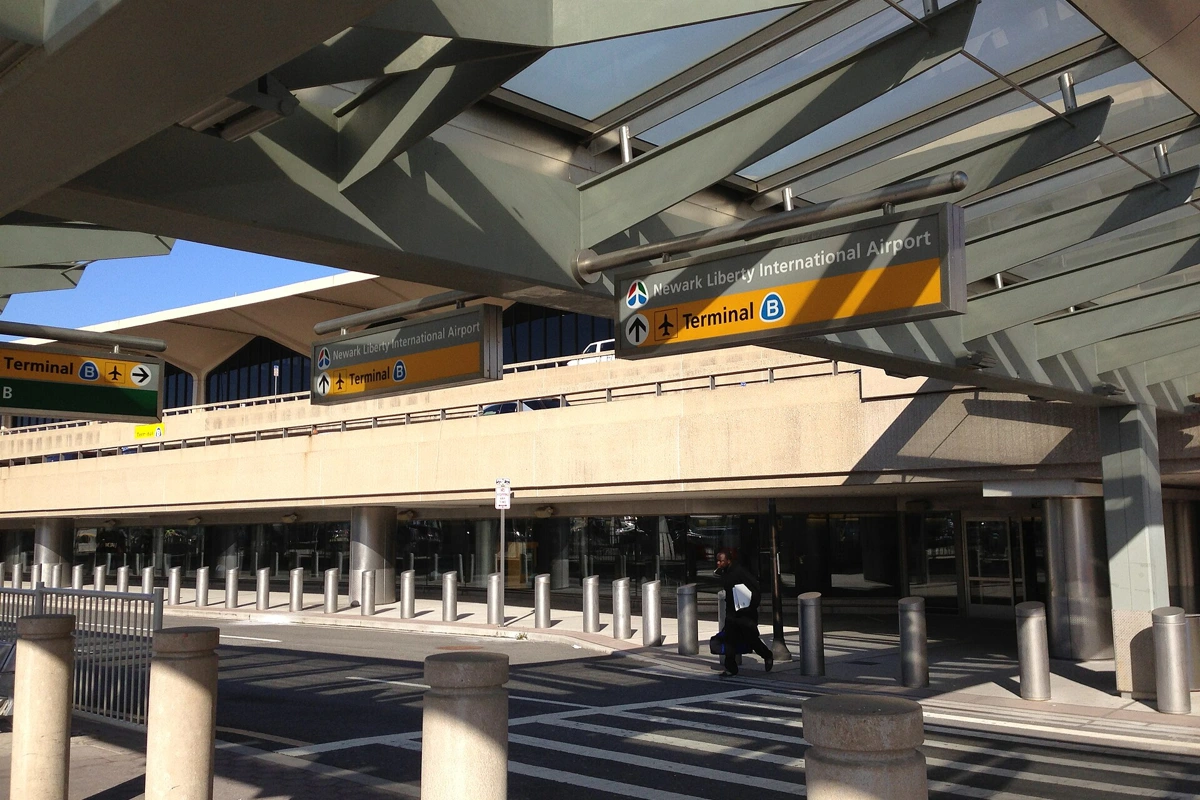
What is different at Newark before 13 November?
A published construction advisory affects the connection between the terminals and Newark Airport Train Station during specified weekday hours. It is a ground-transport issue, separate from Air India’s return to nonstop operation.
The airport’s current outage notice lists the affected period as 27 July to 13 November 2026. During that period, the AirTrain is not serving the airport rail station from 5am to 3pm, Monday to Friday.
Passengers arriving at the rail station during those hours are directed to free shuttle buses to their terminal. Those travelling from the terminals towards the station are directed to take the AirTrain to P4 and transfer to a shuttle bus. The operator advises allowing an extra 10 to 15 minutes.
Outside the listed hours and on weekends, the notice says the AirTrain operates normally to the station. Sunday, 8 November falls outside the stated weekday restriction, but passengers travelling later in the week need to check it again. The listed end date should also be rechecked before a later journey.
The Newark Airport Rail Station is a distinct station in the NJ TRANSIT network. Do not confuse its name with Newark Penn Station when buying a ticket or agreeing a meeting point. The correct destination and the transfer arrangements matter even if the aircraft arrives earlier than an old itinerary suggested.
What happens next?
Passengers should watch for itinerary notifications and check the flight close to departure. A route using a newly available airspace corridor remains an operational arrangement, rather than a guarantee that every future flight will use precisely the same path.
The immediate benefit reported is the removal of intermediate fuel stops from affected services. The details that settle a family’s plans are the confirmed airports, date, flight number and current operating time on their own booking.