A student’s postcode can decide whether a preferred language is available at school. Labor’s VCE language pledge would address that gap with a $43 million expansion of online teaching through the Victorian School of Languages, if the party is re-elected.
The proposal would extend remote access from the 17 VCE language offerings identified in the announcement to all 44 modern VCE languages from 2028. It is an election commitment, not confirmation that every course is open online for enrolment today.
Hindi, Punjabi, Bengali and Tamil are among the languages relevant to Indian-origin families. Their current availability is not identical, and a promise about senior-secondary study should not be read as a new language entitlement for every primary-school child.
What does the VCE language pledge actually promise?
It promises more capacity for online language teaching through the Victorian School of Languages, or VSL, from 2028. The commitment is conditional on a re-elected Labor government.
A published announcement from Labor MP Kat Theophanous, dated 9 November 2026, sets out the $43 million commitment and the expansion to all 44 modern VCE languages. It says more than 16,000 students are studying a VCE language this year and around 800 already use VSL remote classes.
Those figures describe the announcement’s stated starting point. They are not a count of extra places already delivered or a promise that every student will enrol. The details of staffing, individual courses and the implementation timetable will matter if the policy proceeds.
Separate coverage of the Indian-language element also refers to examining the possibility of Sanskrit provision. That is an exploratory undertaking. It should not be advertised to families as an approved Sanskrit VCE subject with a confirmed start date.
Why is the election date relevant?
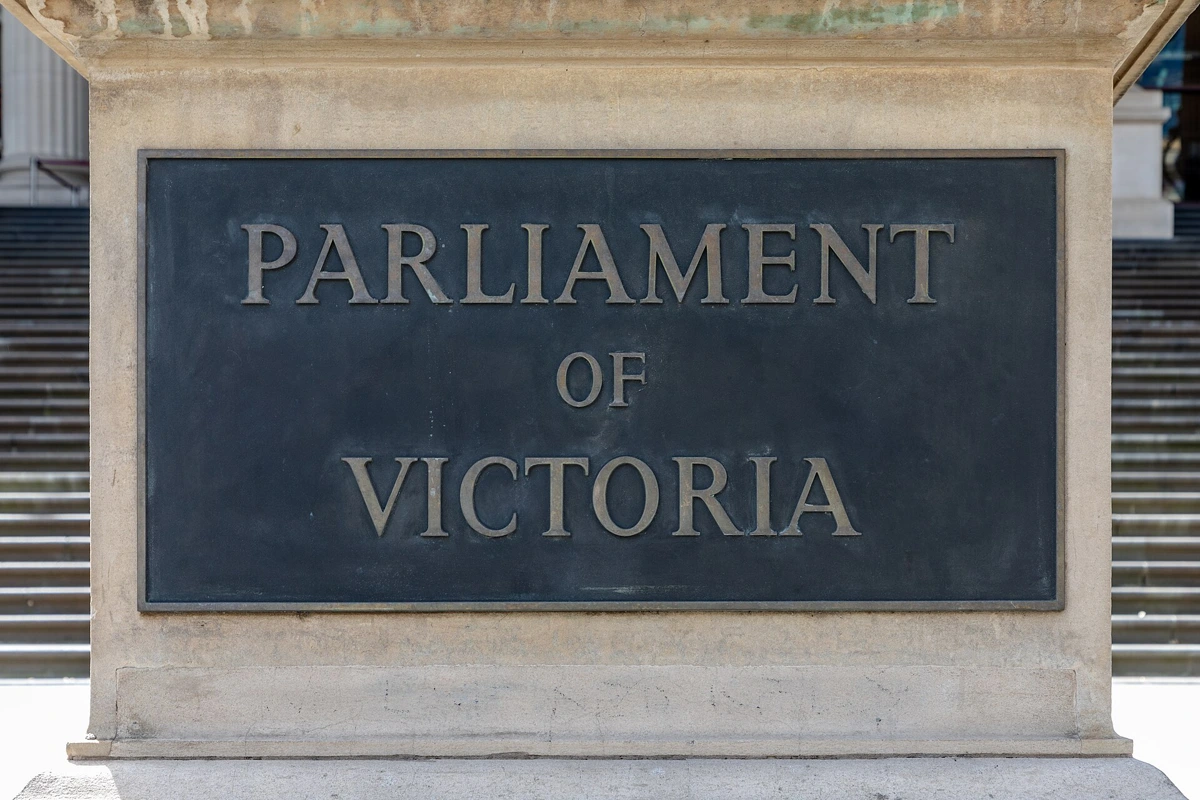
Because voters have not yet decided which government will implement the next term’s programme. The Victorian Electoral Commission lists the state election for Saturday 28 November 2026.
The government’s caretaker guidance also distinguishes ordinary administration from the election period. An incumbent party can make a campaign commitment while schools continue to operate under their existing arrangements.
That distinction helps families avoid an immediate planning mistake. A child choosing subjects for 2027 needs the currently published offering and advice from their school. A proposed 2028 expansion can inform longer-term questions, but it cannot settle next year’s timetable.
Labor’s announcement includes criticism of its political opponents’ spending plans. That is campaign argument, rather than an independent costing of this proposal. The practical education question is what the language expansion would fund and how access would be delivered.
Which Indian languages can students study now?
The answer depends on the language, the year level and whether the student needs a centre class or distance education. VSL publishes separate lists for these modes.
Its current distance-education table lists Hindi and Punjabi at VCE level. Its face-to-face language list lists Bengali at VCE level and Tamil across several school stages, including VCE.
These listings show why “available through VSL” and “available online” are different statements. They also show why the announcement should not be framed as the first opportunity to study any Indian language in Victoria. Existing provision is already in place.
| Question | Current published position | What the pledge would change |
|---|---|---|
| Number of remote VCE offerings | Announcement identifies 17 | Expansion to all 44 modern VCE languages from 2028 |
| Hindi and Punjabi | Listed in VSL’s VCE distance offering | Part of a broader remote-access expansion |
| Bengali and Tamil | Listed in the face-to-face VCE offering | Wider online access is the proposed change |
| Sanskrit | Separate exploratory commitment reported | No confirmed course opening should be assumed |
A course listing does not identify every available place, class location or timetable. Families still need confirmation for the particular enrolment year. The live language finder and school staff are better sources for that decision than a screenshot of a campaign headline.
What is the Victorian School of Languages? VSL is a designated-purpose Victorian government school providing language study for students who cannot access their preferred language at their regular school. It offers centre classes and distance education under different arrangements.
How do families start an enrolment enquiry?
Start with the child’s regular school and the VSL enrolment instructions for the intended mode of study. School-based distance education is organised through the home school, rather than simply purchased by a parent as a private online lesson.
The VSL enrolment page gives separate processes for centre classes, school-based distance students, approved home-schooled students and international students. Using the wrong process can produce avoidable confusion about who must submit the request.
For international students, the home school’s International Student Coordinator completes the enrolment process. Parents should not assume they can enrol directly through the same route as every domestic applicant. Approved home-schooling families have their own documentation requirements and must provide the relevant registration evidence.
Ask the school to confirm the language, year level, mode, timetable and enrolment route in writing. A reply about one language does not settle another language’s availability. Likewise, an answer about a younger sibling’s centre class does not establish a senior student’s distance-study arrangements.
Does online study remove the need for school support?
No. VSL’s distance model combines coursework with regular oral lessons and support from the student’s home school. Remote delivery changes where teaching is accessed; it does not make assessment, supervision or scheduling disappear.
The school’s distance information describes responsibilities including suitable study periods, access to technology and a quiet working environment. At VCE level, school-assessed coursework is conducted under exam conditions through arrangements between the VSL teacher and the home-school supervisor.
These are practical matters to discuss before a student commits to a course. If an oral lesson falls during another subject, the timetable needs attention. If handwritten work must be scanned and uploaded, the student needs a workable method for doing so.
Families should also ask who will monitor progress and whom to contact when a lesson is missed. A language course remains a sustained school commitment even where it helps a child connect with the language spoken at home.
What should parents check about costs and eligibility?
Check the current VSL fee and enrolment policy through the school, rather than assume the campaign funding means every existing arrangement becomes free. The announcement does not replace the published rules for the present programme.
Distance education is described as a school-to-school arrangement, with administrative charges invoiced to home schools. Families should ask the school how the arrangement applies in their circumstances, including any distinction between government, non-government, home-schooled and international students.
The same care applies to eligibility. A student’s residence circumstances, year level and existing language study can affect the appropriate route. Do not infer acceptance from ancestry or from speaking a language at home. Ask VSL and the school which requirements apply to the individual student.
What does this mean for Indian-origin families?
The proposed benefit is access to a language that a local school does not teach, particularly where travel to a centre is difficult. The Indian connection is concrete: the named languages already appear in the state’s language-education provision.
It does not mean all Indian families want the same language, or that a senior-secondary subject replaces everyday family conversation. A parent choosing Tamil, Punjabi, Hindi or Bengali is making a specific educational choice, not selecting a single interchangeable “Indian language”.
Our home-language family guide considers the separate role of everyday use. The debate over language priorities in Australia is also covered in the education reporting archive.
Does the pledge change this year’s examinations?
No. Students sitting VCE examinations in 2026 remain on the current assessment calendar; the proposed expansion begins in 2028. A campaign promise should not be confused with a change to an examination already scheduled.
The Victorian Government’s 27 October examination update says the final VCE examination is on 18 November and results are due on 10 December. Those dates concern this year’s assessment cycle, rather than the opening of new language classes.
VSL’s teaching-session calendar separately lists final VCE teaching dates for its centres. A final class and an external examination are different events. Families should retain the student’s own examination timetable and follow the school’s instructions, particularly when coordinating study at more than one institution.
For younger students, the useful longer-term question is when the chosen course would become available at their level. For current candidates, the immediate priority remains completing the requirements of the course in which they are already enrolled.
What happens next?
The election comes first, followed by any implementation decisions if Labor returns to government. The proposed expansion begins in 2028, so a 2027 subject-choice conversation should stay anchored in current VSL information.
The useful test of delivery will be published course access, staffed classes and workable school arrangements. Until those details are available, families can record their preferred language and ask schools how an expanded remote offering could fit the child’s longer-term study plan.