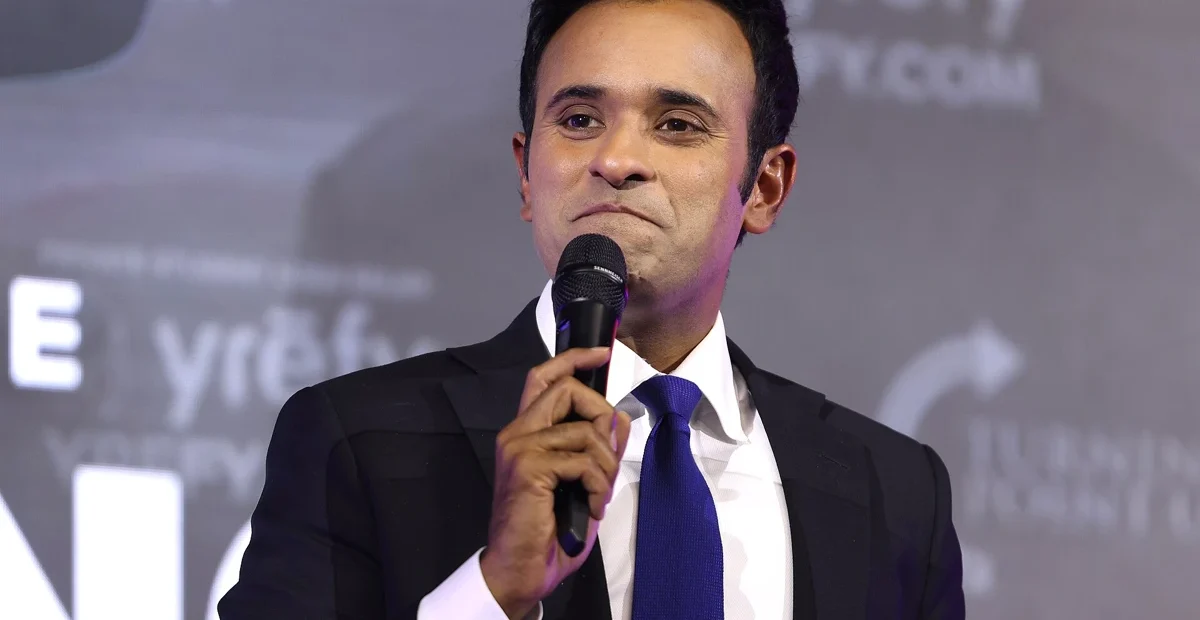
Vivek Ramaswamy’s bid to become Ohio governor ended in defeat to Democrat Amy Acton, according to election projections, while Indian-American candidates recorded victories in congressional contests. The US midterm results mark a substantive change from the campaign polling: voters have now cast ballots, although official certification remains a separate step.
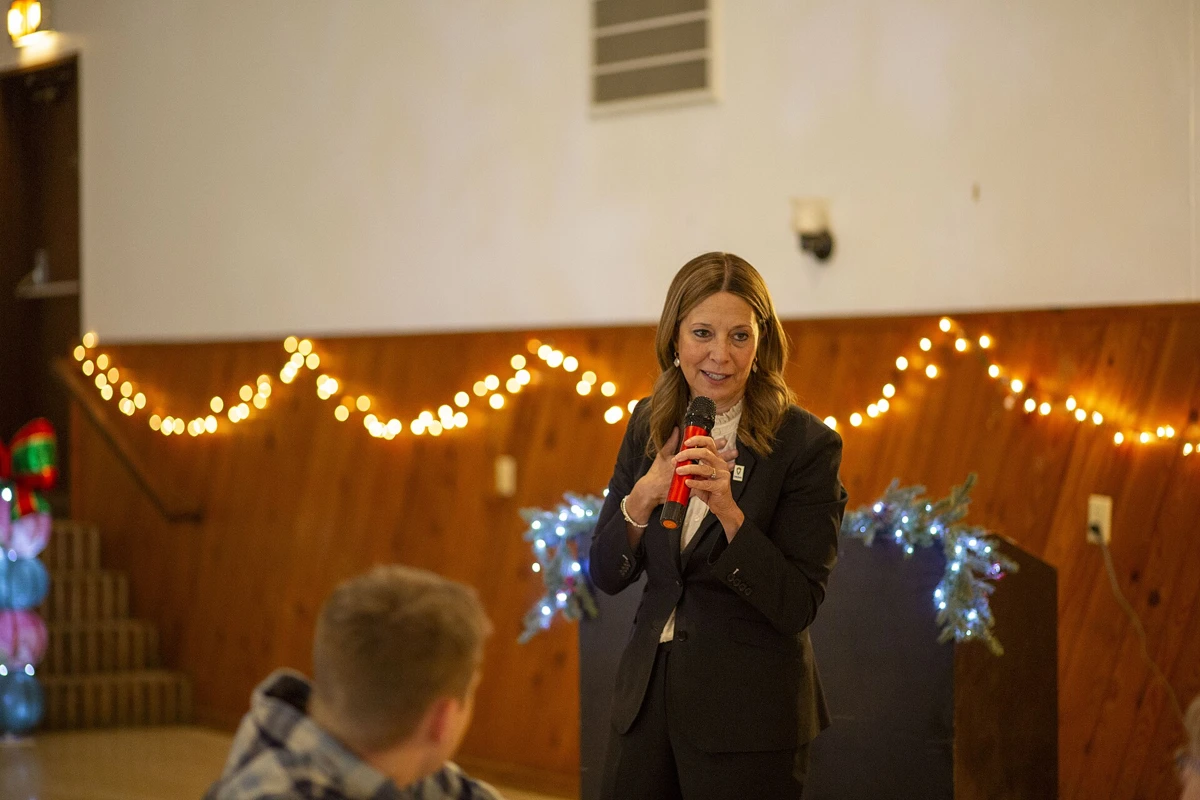
Acton, a physician and former state health director, defeated the Republican biotechnology entrepreneur in the 3 November 2026 election. Ramaswamy had the support of President Donald Trump and Vice-President JD Vance. The contest was for the office held by Republican Governor Mike DeWine, rather than a direct election for a federal immigration post.
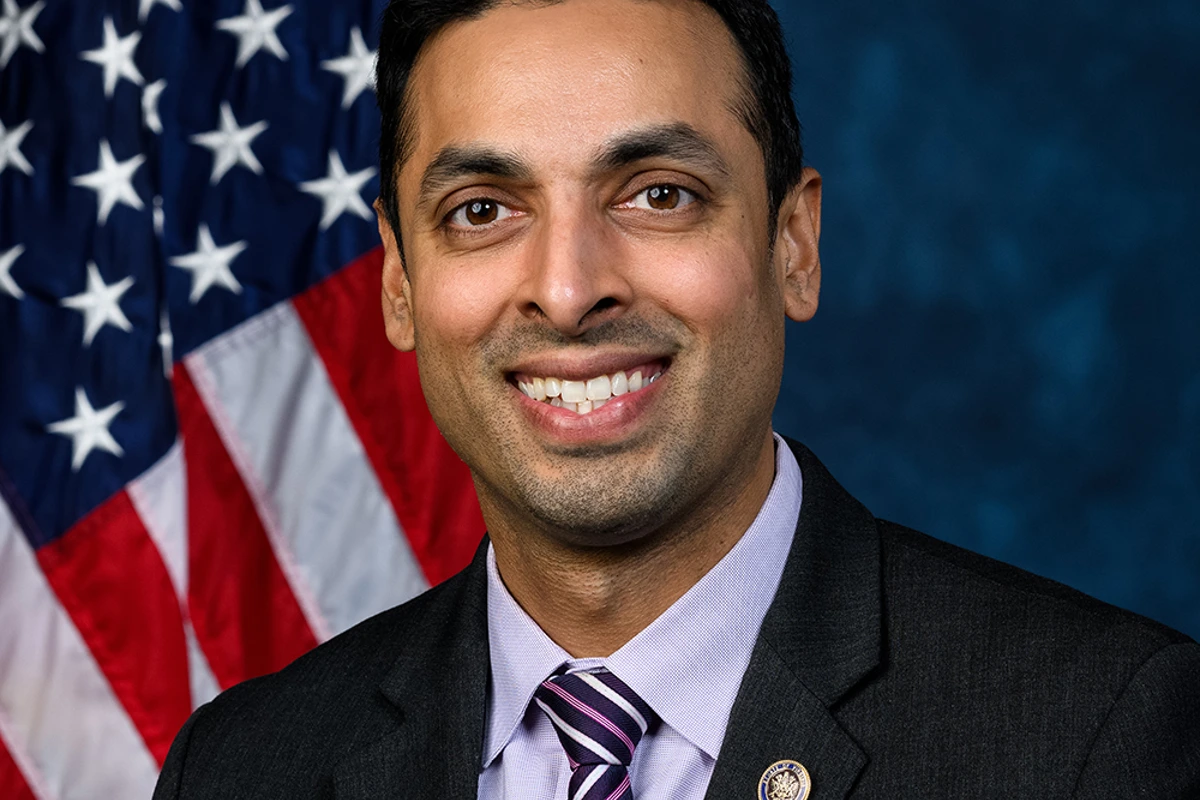
Elsewhere, Suhas Subramanyam won re-election to the US House of Representatives from Virginia, and Pia Dandiya won a congressional contest in Florida. Aruna Miller also secured re-election as Maryland lieutenant governor. Those outcomes involve different offices and should not be combined into an undifferentiated count of congressional winners.
What do the US midterm results establish in Ohio?
The projections establish Acton as the winner of the governor’s race, while the state’s election administration continues its official results process. A projection is an assessment of the outcome from available returns; it is not the state-issued certificate of election.
The Ohio Secretary of State’s elections page describes the 3 November returns as unofficial and says certified results will be published approximately three weeks after the election concludes. That timetable explains why a race can be called while election officials are still completing their work.
No final statewide vote percentage is used here. Live totals change as counting progresses, and a percentage without a precise reporting stage can leave readers comparing figures drawn from different moments.
The outcome follows a contested campaign in which the candidates brought different backgrounds to their first bids for elected office. Acton was known for her leadership of Ohio’s public-health response during the pandemic. Ramaswamy built a national political profile through his 2024 Republican presidential campaign and subsequent support for Trump.
Which Indian-American candidates have recorded wins?
Subramanyam and Dandiya recorded House victories, while Miller’s victory was in a state executive contest. The distinction matters because a member of Congress and a lieutenant governor exercise different powers.
| Candidate | Contest | Reported outcome | Office distinction |
|---|---|---|---|
| Vivek Ramaswamy, Republican | Ohio governor | Defeated by Amy Acton in election projections | State executive office |
| Suhas Subramanyam, Democrat | US House, Virginia | Re-elected | Federal legislature |
| Pia Dandiya, Democrat | US House, Florida | Elected | Federal legislature |
| Aruna Miller, Democrat | Maryland lieutenant governor | Re-elected | State executive office |
This is a focused account of verified outcomes, not a complete roll-call of every candidate with Indian ancestry. Early reports also described other races as pending. A candidate who was leading at one point in the count should not be listed as a winner on that basis alone.
The candidates’ Indian heritage makes these results directly relevant to diaspora representation. It does not establish that they campaigned on identical policies or that Indian-American voters supported a single party. An election result is evidence of who won a contest, not proof of how an entire ethnic community voted.
What is an election projection? An election projection is a judgement that the available vote returns establish a winner. Certification is the formal process by which the responsible election authorities confirm results after the required checks. The two can occur on different dates.
How does this update the earlier Ohio polling story?
The result replaces the uncertainty of the campaign with a projected winner. The earlier Ohio governor-race report examined surveys taken before election day and the differences between their findings.
A survey described likely voters at a particular moment under a particular method. It was not a return from a polling station. Comparing the two can be useful, but only when the survey dates, sample and election-night reporting stage are kept separate.
The previous article should therefore be read as campaign context, not as the current result. This report does not convert a poll’s percentage into the winning margin or treat a late lead in a sample as proof that a candidate had already secured the office.
Ohio’s governor race also had a different geographical and political basis from House contests in Virginia or Florida. Combining those results illustrates the range of Indian-American participation; it does not make the races directly comparable measures of a single nationwide diaspora vote.
What does this mean for Indian workers and students?
These victories and defeats change who holds public office, but do not by themselves rewrite an individual’s immigration status. A governor’s election does not automatically issue a work permit, change an admission record or extend a student’s authorised stay.
Congress has a legislative and oversight role. Federal agencies administer visa and immigration systems under the governing law, regulations and applicable court orders. Readers can use the explanation of US immigration powers to distinguish those responsibilities rather than infer an immediate policy change from a candidate’s biography.
For a person with an imminent filing or travel decision, the relevant official guidance remains the starting point. The US Citizenship and Immigration Services website provides the applicable application and case information, while the State Department’s visa pages explain consular visa processes. Neither should be replaced by campaign predictions about what an incoming office-holder might support.
The results nevertheless matter to representation and accountability. Constituents can follow the priorities announced by their elected representatives and the measures those representatives actually introduce or support. A proposal, a committee hearing and an enacted law are separate developments requiring separate reporting.
What happens next?
Election authorities will complete their official counting, canvassing and certification processes. Ohio’s published guidance places certified results approximately three weeks after the election, while the timing and procedures for other states should be checked with their own election authorities.
The next policy developments will be specific announcements, appointments and legislative decisions, rather than assumptions drawn from the election-night map. Any subsequent account of visa or immigration changes will need to identify the responsible institution, the legal action and its effective date.