
A US tax number is not permission to take a job. An SSN or ITIN may appear on paperwork for the same household, but the numbers serve different purposes and depend on each person’s circumstances.
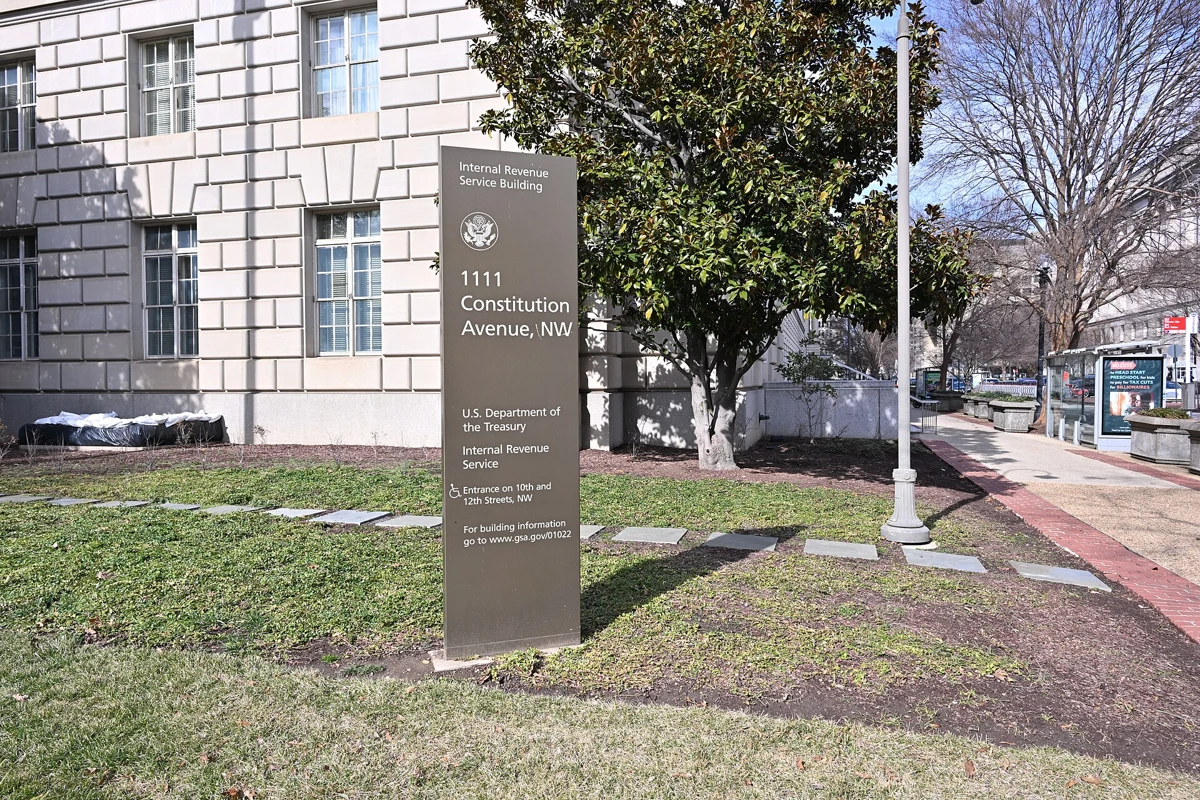
The Social Security Administration issues Social Security numbers, or SSNs. The Internal Revenue Service issues Individual Taxpayer Identification Numbers, or ITINs, to people who need a federal tax identification number and are not eligible for an SSN.
For a family moving from India, the practical task is to assess each adult and child separately. The working parent’s route does not automatically determine a spouse’s or child’s route. Nor does a bank’s request for a number establish eligibility for one.
Where should an SSN or ITIN decision start?
Start by checking SSN eligibility, then establish whether someone who is ineligible has a federal tax purpose for an ITIN.
The Social Security Administration’s noncitizen guidance says that, generally, noncitizens authorised by the Department of Homeland Security to work can receive an SSN. There are limited nonwork exceptions. Citizenship, immigration documents and the reason for requesting a number must therefore be considered before choosing an application.
Make a separate note for each family member: immigration category, whether work is authorised, whether an SSN was ever issued and what tax filing or other federal purpose is involved. This is a preparation list, not a substitute for the issuing agency’s decision.
If someone has previously lived or worked in the United States, locate the old records before starting a first-time application. A missing card and never having had a number are different problems. Tell the agency about an existing number rather than trying to create a second identity record.

What does an ITIN actually allow you to do?
An ITIN allows the IRS to process federal tax matters for someone who needs a taxpayer number but cannot receive an SSN. It does not authorise employment or change immigration status.
The IRS’s ITIN overview also says it does not qualify someone for Social Security benefits or the Earned Income Tax Credit. Receiving a number does not mean that every deduction or credit on a tax return is available.
The first useful question is therefore “What federal tax purpose does this person have?” rather than “Can every member of our family get a number?” A spouse or dependent may need an ITIN in a particular filing situation, but family membership alone does not settle the application.
Is a tax identification number work permission?
No. An ITIN is a federal tax-processing number. An SSN identifies a Social Security record, but the number alone does not establish unrestricted permission to work. Employment authorisation must be checked separately.
How do the two numbers compare?
The issuing agency, eligibility test and application route differ. Use the distinction to identify the right next step, rather than treating the numbers as alternatives chosen for convenience.
| Question | SSN | ITIN |
|---|---|---|
| Who issues it? | Social Security Administration | Internal Revenue Service |
| Who is it for? | People meeting SSA eligibility rules | People with a federal tax purpose who are ineligible for an SSN |
| Main application route | SSA process and documentary checks | Form W-7 and supporting documents |
| Does the number grant work permission? | No, the number alone is not unrestricted work authorisation | No |
| Can an SSN-eligible person choose an ITIN instead? | Use the applicable SSN process | No |
Keep that distinction when completing employment, banking or tax forms. If a form is unclear, ask which identifier it requests and why. Do not place a passport number in a field labelled SSN merely because the field cannot be left blank.
How do you apply for a first SSN?
Use the SSA’s first-time number application service and follow its instructions for presenting documents. Requesting a Social Security number is free.
The agency says an applicant in the United States can start online and then attend a local Social Security office to provide documentation. Follow the route offered for the applicant’s circumstances; starting online does not mean every documentary requirement has been completed online.
Read the agency’s Social Security numbers for noncitizens leaflet before arranging a visit. It sets out how identity, age, immigration status and permission to work are established, including the limited circumstances in which a nonwork number may be issued.
Check names and dates against the underlying documents. If an Indian passport, immigration record and existing US record use different name formats, identify the mismatch before an appointment. Ask how the record should be corrected rather than improvising a new spelling to make a form accept it.
When is Form W-7 the correct route?
Form W-7 is the application for an ITIN where the applicant has the required federal tax purpose and is not eligible for an SSN.
The IRS instructions for Form W-7 explain the application reasons and exceptions. A first application generally accompanies a federal income tax return, unless a specified exception applies. Do not omit the return simply because someone else’s application did not require one.
Match the application reason to the actual tax circumstances. Keep a copy of the return, the completed application and the evidence submitted. A preparer should be able to explain why the selected category applies and what supporting documents establish it.
Before signing, check the applicant’s name, foreign address, US mailing address where applicable and any previously issued number. An error in a delivery address can create a practical problem even where the application itself is otherwise correct.
Which identity documents does the IRS accept?
The IRS requires current documents proving identity and foreign status, generally originals or copies certified by the original issuing agency.
The supporting-document checklist explains the accepted documents and additional requirements for dependents. A valid passport can establish identity and foreign status on its own, but some dependent applications need separate evidence of US residence.
A photocopy bearing an ordinary notary’s signature is not automatically the certified copy the IRS requests. Check the precise certification requirement before paying for a service or posting a document. Ask whether an in-person or authorised acceptance-agent route is suitable if an original passport is needed for imminent travel.
Keep evidence of dispatch if documents are mailed. Record exactly what was enclosed and retain copies for your own records. Do not assume a tax preparer keeps a retrievable copy of every identity document indefinitely.
Does every spouse or child need an ITIN?
No. A spouse or child needs to satisfy the applicable tax purpose and eligibility requirements individually.
Ask the preparer to identify the filing position or allowable benefit that makes the number necessary. A statement that “families always apply together” is not an explanation of the rules. A child’s age, residence and relationship may affect both documentary evidence and the tax treatment.
Immigration status and tax residence also answer different questions. Do not assume that a visa label by itself determines every federal tax result. Where an application relies on a particular tax election, treaty position or dependent benefit, establish that position before assembling the number application.
This matters when coordinating other financial administration. The same family may be building a first US credit record, but an account provider’s identification process is distinct from IRS eligibility and tax reporting.

What happens if an ITIN expires or you later receive an SSN?
Follow the IRS renewal rules if an expired ITIN is needed for a federal income tax return. If an SSN is issued, notify the IRS instead of continuing to use or renew the ITIN.
The ITIN renewal guide explains when renewal is needed and how to provide the existing number. Renewal does not create a new entitlement to a benefit that the applicant otherwise cannot claim.
When moving to an SSN, ask how the IRS will associate the existing tax history with the new number. Keep the correspondence and confirmation with earlier returns. Separately ask employers and financial institutions how to update their records securely.
A change of number should not lead to gaps in the family’s records. Preserve previous tax documents, rather than discarding them because they show the old ITIN. Those documents may still explain prior filings and payments.
What should Indian families check before submitting?
Check the correct agency, the individual’s eligibility and the documentary route before sending identity material or paying an intermediary.
Arrange sensitive records securely and disclose them only to the service that needs them. A full SSN or passport image should not be sent to an unknown person who offers to accelerate an application. If someone claims that buying a service guarantees work permission, the promise confuses separate legal processes.
For an employer-sponsored household, compare the paperwork with the separate explanation of visa sponsorship, passports and pay. An identification requirement does not give an employer general control over the family’s documents.
What happens next?
Prepare the application through SSA or the IRS, retain the submission record and follow the agency’s response. If more evidence is requested, answer the particular issue rather than starting a duplicate application.
Before the next tax return, check that the correct number appears consistently across the return and relevant statements. Resolve a mismatch with the issuing agency or the organisation that created the incorrect record.
Recheck the linked SSA and IRS instructions at the time of application. The decision should rest on the person’s current eligibility and tax purpose, with a qualified tax professional addressing any household filing issue that remains unresolved.