Paying interest is not a requirement for building US credit history. A newcomer can establish a repayment record while paying a credit card’s statement balance in full, provided the account reports activity and the payments are made on time.
The harder question is choosing an affordable starting point. A secured card, a credit-builder loan and a paid reporting service are different products. Their names do not establish whether they report, what they cost or whether they suit the person’s budget.
Official US consumer guidance, checked on 16 October 2026, points towards a sequence: understand the file, compare a suitable product, establish manageable payment habits and check the resulting record. It offers no guaranteed score or instant route to a mortgage.
What does a first US credit history need to show?
It needs information that a lender or other provider actually sends to a credit reporting company. Merely spending money through a bank account does not create the same record as managing a reported credit account.
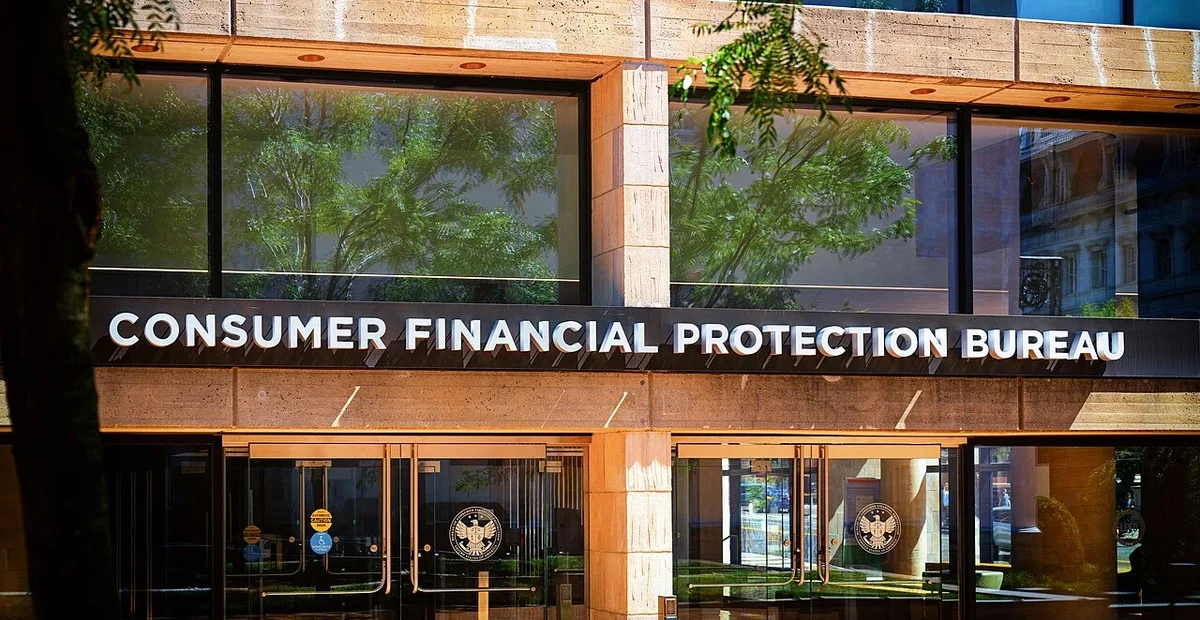
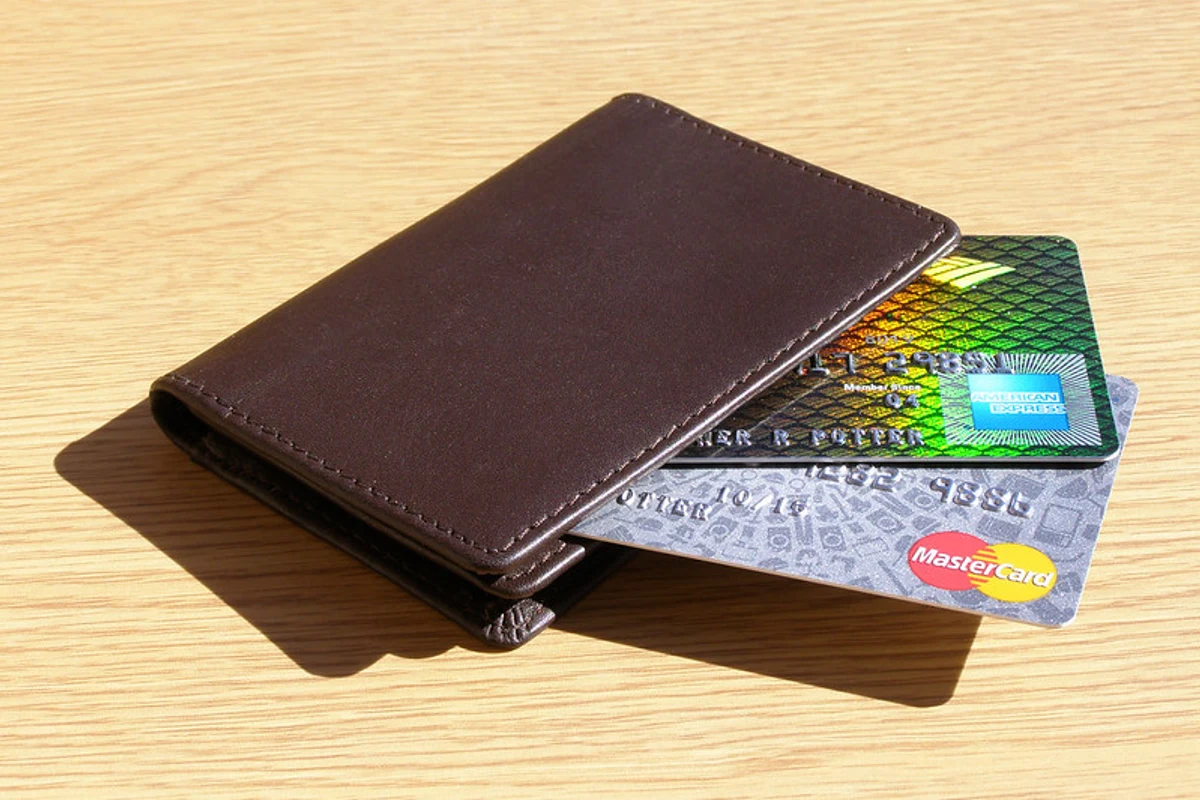
The Consumer Financial Protection Bureau’s starting-credit guidance explains why cash, debit cards and prepaid cards generally do not establish a credit history. A payment card’s appearance is therefore a poor guide to what it does.
Before applying, ask whether the provider reports to Equifax, Experian or TransUnion, which activity it reports and whether the account will be in your own name. Ask separately about identity documents and eligibility. An advertisement aimed at newcomers does not establish approval for every applicant.
Keep copies of the terms you receive. If an advertisement emphasises credit-building but the agreement does not explain reporting, resolve that gap before opening the account.
How is a credit report different from a credit score?
A credit report records information about accounts and repayment history. A credit score is a number calculated from information in a report using a particular model. You can have different scores because models and the underlying bureau information differ.
Should you check for a credit report before applying?
Yes. Check whether a file exists and whether the identifying information and accounts are correct. A newcomer should not assume either that there is no file or that every entry belongs to them.
The Federal Trade Commission identifies AnnualCreditReport.com as the authorised route for the free reports available under federal law. Its free-report guidance also confirms that all three nationwide bureaus provide free weekly online reports through that service.
A free report is not necessarily a free score. Check what you are ordering, avoid optional subscriptions you do not need and use the official route rather than an advertisement with a similar name.
Identity verification can require additional information, especially where addresses or records do not match. Follow the bureau’s instructions if online access fails. An access problem alone does not establish that the file is empty or that a paid intermediary is necessary.

How does a secured card work?
A secured card normally requires a refundable security deposit and then operates as a credit account with a bill to pay. The deposit does not pay each month’s purchases automatically.
Compare the deposit, credit limit, annual fee, interest rate, other charges and reporting practices. Ask how the deposit is returned, what happens if the account closes and whether there is a route to an unsecured card.
A deposit can also tie up money needed for rent, food or transport. A product that builds a record while leaving the household unable to meet essential bills has failed the affordability test.
Make a practical comparison using the written terms. A lower fee may matter more than a rewards offer when the intended use is a small recurring purchase. Do not borrow more simply to create more activity.
Is a credit-builder loan a better starting point?
It can be an alternative, but it is still a loan with repayment obligations and costs. In the model described by the CFPB, the borrowed money is held in savings while repayments are made, then becomes available under the agreement’s terms.
That differs from an ordinary personal loan used immediately for moving expenses. Ask when the money becomes accessible, which payments are reported, the total interest and fees, and what happens after a missed instalment or early closure.
Compare the whole cost with the amount eventually released. Someone who already has an affordable reported credit account may not need a second product for the sole purpose of building history.
| Option | What to establish | Main cost or risk |
|---|---|---|
| Secured credit card | Deposit, reporting, payment terms and refund rules | Fees, interest and money tied up as security |
| Credit-builder loan | Reporting and when savings become accessible | Interest, fees and an unaffordable repayment commitment |
| Authorised-user arrangement | Whether the issuer reports the relationship | Dependence on another person’s account management |
| Paid bill-reporting service | Which bills, bureaus and lenders are covered | Subscription cost without a guaranteed lending benefit |
| Debit or prepaid card | Useful payment features | Generally does not create the intended credit record |
How should you manage the first account?
Pay on time, keep borrowing modest relative to the limit and pay the statement balance in full where possible. The CFPB’s repayment guidance makes clear that carrying a balance is unnecessary for improving credit.
Set alerts for the statement and due date. If using automatic payment, ensure the linked bank account contains enough money and check that the payment completed. Automation reduces one kind of risk while leaving the need to monitor the account.
A US$200 reported balance on a US$1,000 limit is 20% utilisation. That is an illustrative calculation, not a promise about a score. A payment made after the statement date can affect the amount reported differently from a payment made before it.
Do not treat a particular percentage as a licence to spend. Begin with an amount you can repay from existing income and savings, and read the agreement’s grace-period conditions before assuming a purchase will attract no interest.
Will checking your own file damage your score?
No. Checking your own credit report does not affect your score. The CFPB’s explanation of personal report requests separates those checks from applying for new credit.
A lender’s application inquiry is a different event. Before submitting several applications, establish whether each will involve a hard inquiry and whether a preliminary eligibility check is available.
A rejection is a reason to understand the decision before trying repeatedly elsewhere. Read any notice and inspect the relevant report for errors. Avoid allowing someone to submit applications in your name without knowing which lenders and products are involved.
Can another person’s account help?
An authorised-user arrangement may appear on a credit report, but its effect depends on reporting and the scoring or lending model. It is not equivalent to demonstrating repayment on an account you opened yourself.
The CFPB’s 2017 research on becoming credit-visible discusses authorised users and differences in how scoring models treat those accounts. That dated research explains the mechanism; it is not a current product recommendation or a guaranteed score improvement.
Before agreeing with a family member, discuss spending access, repayment and removal from the account. Ask the issuer how it reports authorised users. Do not pay a stranger to attach your identity to an account whose history and future management you cannot verify.
Which credit-building promises should raise concern?
Promises to erase accurate negative information or guarantee a particular score deserve scepticism. The CFPB’s credit-repair scam guidance identifies warning signs, including demands for payment before promised credit-repair services.
Credit repair and a legitimate lender charging a disclosed product fee are different things. Compare what the seller actually proposes to do, the price and the cancellation terms rather than treating every fee as unlawful or every paid service as useful.
Ask a reporting service which bureaus receive information and whether your intended lender uses that information. A positive entry in one file does not establish that every lender will see it or treat it the same way.
What should you do if the report contains an error?
Dispute the specific error with both the reporting company and the organisation that supplied it. The CFPB’s dispute guidance, reviewed on 2 September 2026, explains the documents to include.
Identify the account, explain what is wrong and send copies of supporting records. Keep the originals and a dated copy of the dispute. Review the response and the corrected report rather than assuming a complaint automatically removes an entry.
If the entry suggests identity theft, use the FTC’s IdentityTheft.gov recovery process. Do not make a false identity-theft report to remove an accurate debt.
What does this mean for a newcomer household?
Separate everyday banking, cross-border money and credit-building into their own decisions. The remittance cost guide and Indian bank account comparison cover different parts of that budget.
Use seven checks before buying a credit-building product: reporting, eligibility, deposit, full fees, repayment affordability, cancellation terms and the absence of a guaranteed-score promise. Keep the agreement and first statements together.
What happens after the first few statements?
Check that the account is reporting accurately and that the payment routine remains affordable. The CFPB’s score guidance explains why there is no single universal score to chase.
Only consider another product when it serves a borrowing need and fits the budget. A consistent, correct record is a better next step than adding debt in the hope of buying a faster result.