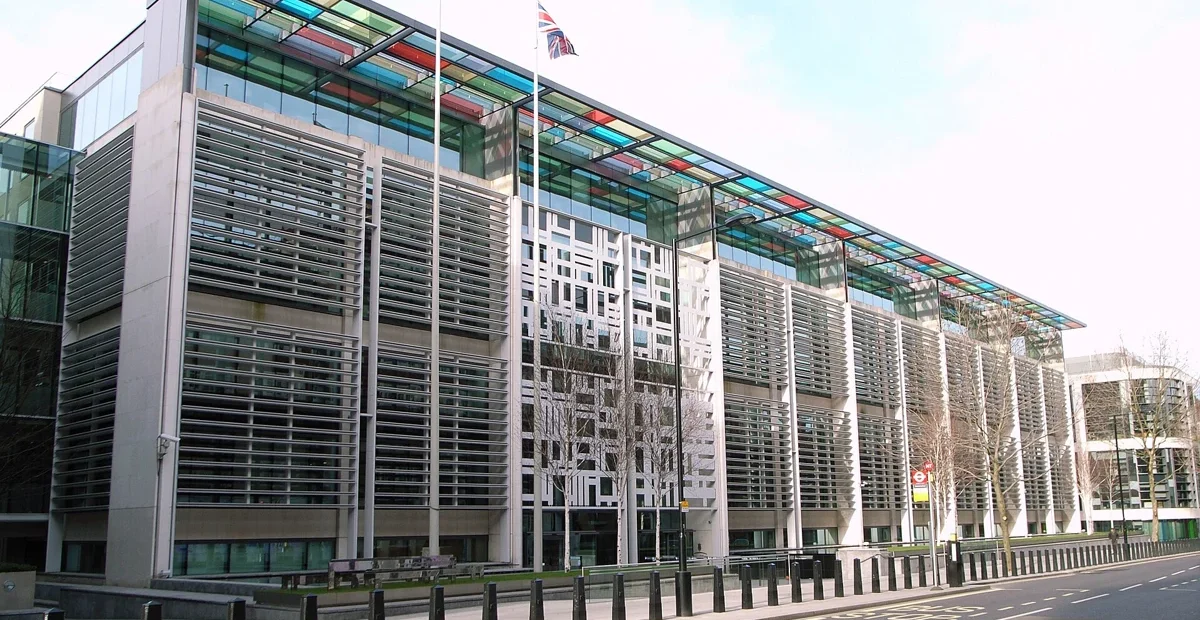
Britain’s former investor visa remains closed to new applicants. The UK investor visa discussion ahead of the 28 October Budget is about a possible future route, not an application that a wealthy family can submit today.
A residency route for wealthy foreigners is reported to be under consideration by Chancellor John Healey as part of efforts to attract investment. No published Home Office rules establishing that proposed route were identified in the official guidance checked on 18 October 2026.
The distinction has financial consequences. A proposal can attract attention from advisers and would-be applicants before the government has decided whether to adopt it. An investment amount, timetable or settlement promise presented during that period needs to be checked against an actual government announcement.
What is known about the UK investor visa discussion?
A possible route is under consideration ahead of the Budget, but its final design and whether it will be introduced are unconfirmed.
The reported policy discussion concerns attracting wealthy overseas residents who could support economic growth. It does not establish the minimum investment, eligible assets, residence requirements or treatment of dependants. Those details would have to come from published government material rather than assumptions about the former scheme.
The Treasury’s Budget-date announcement confirms 28 October 2026. That is a date to watch for policy decisions, not a confirmed opening date for a visa application.
Healey’s official biography records his appointment as Chancellor of the Exchequer on 20 July 2026. Immigration rules and application guidance would also require the Home Office’s published framework.

Can a new applicant use the old Tier 1 route?
No. The current Tier 1 Investor overview says new applications are no longer possible.
The old route closed in February 2022. Its closure is the relevant precedent for the present discussion: the government was concerned about illicit wealth, fraud and whether the route produced the intended economic benefits.
An official parliamentary answer from 2023 set out those reasons. It is historical context, not a statement of what ministers have now decided to put in the 2026 Budget.
Do not assume that a newly designed route would revive every feature of Tier 1. A similar policy description does not carry over the former investment threshold, eligible investments, accelerated settlement conditions or rules for dependants.
Is a visa proposal an immigration route?
No. A proposal describes a possible policy. An operational route needs published eligibility rules, an application process and a commencement date. A Budget speech alone may still need later implementation.
What is confirmed, and what remains a proposal?
The Budget date and closure of the old route are confirmed; the terms of a replacement are not.
| Issue | Position checked on 18 October 2026 | What an applicant needs |
|---|---|---|
| Budget date | 28 October 2026 | Read the actual announcement and accompanying documents |
| New Tier 1 Investor application | Closed | Do not use historical guidance as a new application route |
| Possible replacement | Reported consideration, without published operational rules | Official eligibility, commencement and application guidance |
| Investment and settlement conditions | Not confirmed for a new route | Published rules rather than a sales projection |
Investment-industry proposals also need to be distinguished from government decisions. A suggested threshold or model promoted by an industry group does not become a Home Office requirement merely because it appears in reporting about the same policy debate.
Until rules are published, families cannot reliably calculate eligibility by taking a reported amount and comparing it with their savings. The form in which money must be held, the source-of-funds evidence and the period for maintaining an investment could all affect the result.
What can existing Tier 1 holders still do?
Existing holders should follow the current guidance that applies to their own permission, rather than waiting for a possible new scheme.
The official overview identifies continuing routes for eligible holders to apply for settlement and for family members to join them. The detailed requirements depend on the individual’s history and the applicable rules. A headline about a replacement does not extend an existing permission or waive a deadline.
Keep the grant notice, travel history and investment records together before reviewing a settlement application. If a family member has a different expiry date or immigration history, assess that person separately. Do not assume that one household application resolves every individual’s position.
A person whose permission is approaching expiry needs an answer under the rules currently in force. Waiting for the Budget without checking those rules could leave less time to address a problem.

Is the Innovator Founder visa an alternative investment visa?
The Innovator Founder route is a different route for an eligible business founder, not a general entitlement based on wealth.
The official Innovator Founder overview describes the business and endorsement requirements. Applicants need to meet the route’s criteria; simply placing money in Britain is not equivalent to securing endorsement for a qualifying business.
Anyone comparing routes should ask what activity they intend to undertake. Establishing and running a business, taking sponsored employment and seeking residence through a possible investment policy are different propositions. The paperwork should follow the genuine activity rather than an adviser’s preferred marketing label.
The same separation applies to family planning. A route’s conditions for a partner, children, work and settlement should be read directly, rather than inferred from the title of the main applicant’s visa.
What should Indian families check before paying an adviser?
Ask for the official rule supporting the service being sold, the work covered by the fee and the conditions for a refund if no route opens.
An adviser may legitimately help a family assess existing options or prepare records. That is different from guaranteeing acceptance under unpublished conditions. Request a written explanation of which tasks can be completed now and which depend on a future government decision.
Ask whether a quoted payment is an advice fee, a government charge or money committed to an investment. Those are different financial decisions. A payment described as “reserving a place” needs particularly clear evidence that an official reservation process exists.
Do not transfer money on the assumption that an adviser’s relationship with a promoter will establish immigration eligibility. Check the relevant professional authorisation and the written agreement before sharing sensitive financial records.
A residence decision also has consequences beyond the visa application. Families with Indian assets should separately consider the UK residence and inheritance-tax tests for Indian property. Immigration permission and tax treatment do not necessarily begin or end at the same point.
What documents can be organised without assuming new rules?
Organise accurate identity, family and financial records, but do not commission route-specific transactions against requirements that have not been published.
Check passport validity, names across documents and the location of historical financial records. Note which documents would require a translation or certified copy if an official application later requests them. Keep a record of who holds original documents.
A source-of-funds file can take time to assemble, but its eventual contents must follow the actual rules of the route being used. Do not assume that one bank statement answers every question about ownership, control and the history of money.
For families considering a move with children, school admissions in England is another process to plan separately. A possible visa announcement does not itself secure a school place or determine the family’s arrival date.
What does this mean for you?
Treat the reported discussion as a policy development to watch, while making current decisions under published rules.
For a prospective applicant, the useful checklist is concrete: is the route announced, are its rules published, when does it start, what investments qualify, what evidence is required and what happens to dependants? Until those questions have official answers, comparisons of application costs or settlement speed are provisional.
For someone already in Britain, the immediate task is different: protect the existing immigration position and its deadlines. A future option should be considered only alongside the permission the person actually holds.
Keep a dated copy of any advice received before an announcement. If the government later publishes different conditions, ask the adviser to explain what changes in the assessment and whether earlier paid work can still be used.
What happens next?
The next scheduled policy milestone is the Budget on 28 October. Any announcement should then be checked against the Home Office’s implementation material.
If ministers announce a route, examine its commencement date and detailed conditions before treating it as available. If no route is announced, the current closure of new Tier 1 Investor applications remains the starting point.
How should prospective applicants use this?
Use the Treasury and Home Office links to distinguish a reported idea from an operational route, and ask an authorised immigration adviser about an individual case. The position described was checked on 18 October 2026 and should be rechecked when official rules change.