A shop’s “no refunds” sign cannot remove the rights that come with a faulty purchase under Australian Consumer Law. Consumer guarantees apply automatically, and the retailer cannot simply send the buyer away to argue with the manufacturer.
The first question is how serious the fault is. For a major problem, the customer can generally choose a refund or replacement. For a minor problem, the business normally gets the opportunity to provide a free repair within a reasonable time.
That distinction matters when a family has just spent money furnishing a home. A failed fridge, a damaged phone and a change of mind about a sofa do not necessarily lead to the same remedy. Start with the problem, the purchase evidence and the seller’s response, rather than the expiry date printed on a warranty.
When do consumer guarantees apply to a faulty purchase?
Consumer guarantees give buyers automatic rights when goods sold by a business fail to meet the required standards. They are separate from an optional extended warranty or a store’s returns policy.
The Australian Competition and Consumer Commission’s repair, replacement and refund guidance explains the remedies. A business may assess an item before deciding whether a fault exists. That assessment does not allow it to replace the law with a blanket refusal.
Before contacting the shop, write down what the product was supposed to do and what it actually does. Include the model, purchase date, price and when the problem first appeared. If the fault is intermittent, record the circumstances in which it happens. A short video can be more useful than repeatedly saying that an appliance “does not work properly”.
Describe the intended use you disclosed before buying. If a salesperson recommended an item for a particular purpose, keep the relevant email or advertisement. Those details can matter when deciding whether the goods met the requirements that applied to the sale.
What makes a fault major rather than minor?
A major problem includes unsafe goods, goods substantially different from their description or sample, and faults serious enough that a reasonable buyer would not have bought the item knowing about them.
Goods may also have a major problem where they cannot perform their normal purpose, or a disclosed purpose, and cannot easily be fixed within a reasonable time. Several smaller problems can together meet the major-problem test. The classification depends on the circumstances, rather than the label the shop puts on a service ticket.
Legal Aid NSW’s explanation of faulty goods makes the same distinction between the seriousness of the failure and the remedy. An assertion that every fault must be repaired first is too broad. So is an assertion that every fault entitles the buyer to an immediate refund.
What is a consumer guarantee?
It is an automatic legal right attached to a qualifying purchase. It is different from a manufacturer’s warranty, an extended-warranty contract or a voluntary change-of-mind policy.
Which remedy can you ask the seller to provide?
For a major failure, buyers can generally choose a refund or a replacement of the same type. For a minor failure, the seller must fix the problem for free within a reasonable time.
| Situation | Starting position | What to record |
|---|---|---|
| Major product problem | Customer generally chooses refund or replacement | Why the fault meets the major-failure test |
| Minor product problem | Business provides a free fix within a reasonable time | Repair dates, promises and the product’s condition |
| Minor problem not fixed in reasonable time | Further remedies may become available | Correspondence, delays and reasonable repair costs |
| Change of mind without a fault | No automatic consumer-guarantee refund | The seller’s voluntary returns policy |
If the business cannot or will not fix a minor fault within a reasonable time, further options can include a refund, replacement or reimbursement of reasonable repair costs incurred elsewhere. Ask for the refusal or proposed timetable in writing before deciding how to proceed.
Reasonable time is not a universal number of days. The product, the fault and the circumstances matter. A business should not use that flexibility to leave the customer without a meaningful answer indefinitely.
What evidence should you take back to the shop?
Take proof of purchase and a clear record of the problem. The original box is not a prerequisite for returning a faulty product.
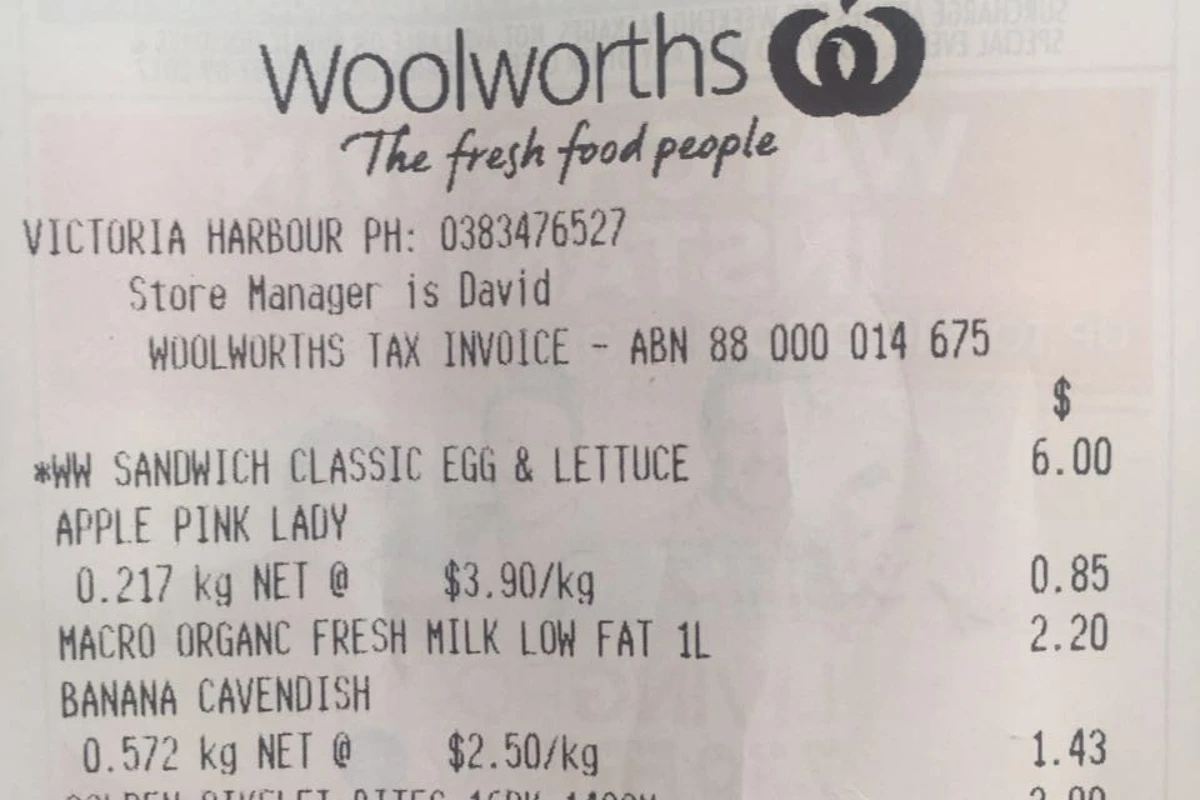
The ACCC’s proof-of-purchase guidance explains that a receipt is not the only possible evidence. Other records can help establish what was bought, from whom and when. Make sure the evidence identifies the actual transaction, rather than merely showing that money left an account.
Keep copies of the receipt or order confirmation, warranty terms, delivery record, photographs and any repair report. Add a dated chronology of calls and visits. If a staff member makes a promise, ask for an email confirmation or send a short written account of your understanding.
Do not alter the product to demonstrate the fault. If using it appears unsafe, stop and describe the safety concern to the seller. Retain relevant packaging labels and serial numbers even if you no longer have the original box.

Does an expired warranty end your rights?
No. The end of a manufacturer’s warranty does not automatically end consumer guarantees.
The question includes whether the goods were reasonably durable in the circumstances. Price, the nature of the product and what a reasonable consumer would expect can matter. There is no single lifespan that applies to every fridge, computer or washing machine.
When a seller replies that the warranty has expired, ask it to consider the consumer-guarantee claim separately. State the age of the item, the price paid, the fault and why you believe the failure occurred earlier than reasonably expected. Keep the response with the purchase records.
An extended-warranty policy may offer additional contractual benefits, but the buyer should not have to purchase it to receive rights already supplied by law. Check what additional protection is actually offered before agreeing to a paid policy.
Who pays to return a heavy or installed product?
The ACCC says businesses are responsible for collecting, or paying shipping costs for, faulty goods that are large, heavy or difficult to remove.
For a small item that can easily be posted or taken back, the consumer generally arranges the return initially. If the fault is confirmed, reasonable return costs already paid must be reimbursed. Keep the postage and transport receipts.
For an installed appliance, contact the seller before arranging removal yourself. Explain the installation and ask how collection will work. If inspection charges are proposed where no fault is found, the business must give a reasonable estimate before collecting the product.
Do not assume that paying for a courier ends the dispute. Record the condition before dispatch, the tracking information and the accessories included. Ask for acknowledgement when the retailer receives the goods.
How should you write the first complaint?
State the purchase, fault, remedy requested and the reason for that remedy in a short written complaint to the seller.
A useful sequence is: “I bought this item on this date; this fault appeared; I consider it a major problem because of these facts; I request a refund or replacement.” Where the fault appears minor, ask for a free repair and a clear timetable instead.
Attach copies rather than sending away your only records. Identify a reasonable date for a response and the best way to contact you. That response deadline is your request for handling the complaint, not a claim that Australian law sets the same deadline in every case.
For newcomers organising several household tasks at once, a separate folder for purchase disputes helps. Keep it distinct from the records used for checking a first NSW lease, while retaining any evidence that identifies whether an appliance belonged to the tenancy rather than to you.
Where can you go if the retailer refuses?
Contact your state or territory consumer-protection agency for the individual dispute. The ACCC accepts reports and takes enforcement action, but does not resolve each customer’s claim.
In NSW, NSW Fair Trading provides the state complaint route. A complaint and a tribunal application are different steps; keep the record of any attempt to resolve the problem directly.
The NSW Civil and Administrative Tribunal’s consumer-claims page explains evidence, identifying the correct business and time limits. Its jurisdiction and procedures are NSW-specific. A buyer elsewhere should use the relevant local agency and tribunal rather than copying the NSW process.
Check the legal name of the supplier before applying. A shop’s trading name may differ from the company responsible for the sale. An order against the wrong entity can create another obstacle even where the underlying complaint is sound.
What does this mean for you, and what happens next?
Build the claim around the fault and the applicable remedy, then keep each response. Start with the retailer, allow a reasonable assessment, and use the appropriate consumer agency if the dispute remains unresolved.
For families settling in Australia, this is part of the same practical preparation as keeping identity documents current: retain records before you need them. A legible receipt saved at purchase is easier to retrieve than a faded copy months later.
The next action depends on the answer you receive. An agreed repair needs a timetable and a condition record. A rejected refund request needs a written reason. An unresolved dispute needs the correct local escalation route, supporting evidence and a check of the applicable filing deadline.