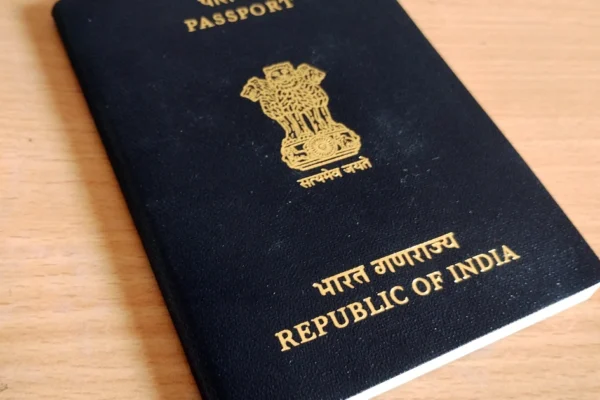
In New Zealand, an employer keeping a migrant worker’s passport is listed by the employment authority as a possible sign of exploitation. In the UAE, the official government platform says passport confiscation is prohibited. Migrant worker rights do not disappear because an employer helped obtain a visa, but the rule, complaint route and immigration consequences differ between countries.
For an Indian worker in Australia, the UK, the United States, the UAE or New Zealand, the useful distinction is between sponsorship and control. An employer may have duties under an immigration scheme. That does not give it a general power to hold personal documents, ignore wage obligations or decide a worker’s immigration status on its own.
This comparison uses official guidance checked on 14 October 2026. It distinguishes general workplace protections from rules that apply only to particular visas. It does not assume that a right to recover wages also permits an immediate move to another employer without the necessary immigration steps.
What do migrant worker rights protect when an employer sponsors a visa?
They protect the employment relationship separately from the conditions attached to immigration permission. Pay, hours and lawful deductions are workplace questions. Permission to work for a particular employer, change jobs or remain in the country is an immigration question. Both may need attention when a sponsored job becomes exploitative.
The Indian connection is substantial in the US H-1B programme. USCIS’s fiscal-year 2024 report says 71% of approved H-1B petitions were for beneficiaries born in India. That is dated petition data, not a count of unique Indian citizens working in October 2026. It explains why the distinction between sponsor duties and worker rights matters to many diaspora families.
Do not infer one country’s rule from another country’s experience. A UK domestic-worker leaflet, for example, is direct guidance for that route. A US prohibition connected to forced labour has different legal elements. A five-country comparison should make those differences visible rather than turn them into a universal slogan.
What does employer sponsorship mean?
It means an employer undertakes responsibilities under a work-visa scheme. The precise responsibilities depend on the country and visa. Sponsorship is not ownership of a worker’s passport, and it does not replace the applicable employment laws.
How do passport and pay protections compare across five countries?
The official sources point workers towards control of their documents and compliance with wage obligations, but they describe the protections differently.
| Country | Passport or document position | Pay question and official help |
|---|---|---|
| Australia | Passport retention can be a sign of exploitation; a sponsor cannot cancel a visa itself | Fair Work Ombudsman for workplace entitlements; Home Affairs for visa conditions |
| UK | Government guidance identifies confiscated documents as an exploitation warning; domestic-worker guidance expressly protects passport access | Acas for pay and deductions; the relevant enforcement authority or police for exploitation |
| United States | Federal document offences depend on trafficking or forced-labour elements; some visa programmes have explicit retention bans | Department of Labor Wage and Hour Division; visa-specific wage rules may apply |
| UAE | Official government guidance prohibits confiscating workers’ passports | MoHRE for covered private-sector labour complaints and wage obligations |
| New Zealand | Employment New Zealand lists keeping a passport and withholding pay as possible exploitation | Employment New Zealand for workplace issues; Immigration New Zealand for visa conditions |
The table is a starting point, not a substitute for identifying the worker’s actual visa, employer, sector and employment agreement. A government labour service may have a different remit from the authority responsible for domestic work or a particular free-zone arrangement.

What can an employer do in Australia?
An Australian employer must comply with workplace laws when it employs a visa holder. The Fair Work Ombudsman’s migrant-worker guidance says visa holders have the same workplace entitlements and protections as other employees, regardless of migration status.
Minimum conditions can come from an award, enterprise agreement, employment contract and the National Employment Standards. The national minimum wage is not the only possible pay floor: an applicable award or other requirement may establish a different entitlement. The worker should check the actual job and classification rather than accept a sponsor’s statement that migrants have a separate, lower rate.
FWO’s visa-protection guidance also identifies a passport being taken and held as a possible form of exploitation. It says an employer cannot cancel a visa, including where the worker has breached a visa condition. Immigration decisions belong to the government. A threat that the employer will “cancel everything tonight” should therefore be checked with the relevant authority.
Pay deductions need their own legal basis. A request to return wages after payday, pay a recruitment charge or reimburse the employer for sponsorship should not be accepted as lawful simply because it appears in a contract. Use FWO’s pay and deduction guidance and obtain advice about the specific demand.
Is the UK rule the same for every sponsored worker?
No. General employment protections apply alongside route-specific immigration rules. The government’s overseas domestic-worker leaflet, updated on 25 February 2026, tells workers to keep their passport and says they can report an employer preventing access to it to the police.
That is direct official guidance for overseas domestic workers. It should not be presented as the complete legal framework for every Skilled Worker visa holder. Separately, government guidance on labour exploitation identifies a lack of access to identity documents, including a confiscated passport, as a warning sign.
For wages, Acas’s deduction guidance explains that an employer generally needs a legal, contractual or agreed basis for a deduction. A delayed payment, a short payment and an authorised deduction are different problems. Keep the payslip, compare it with the agreement and bank payment, and ask for the reason in writing.
Acas can explain the relevant steps for an unpaid-wage dispute. Act promptly because complaint and tribunal time limits can apply. A sponsor’s ability to report a change in employment does not answer whether wages already earned must be paid, and a wage complaint does not by itself resolve permission to change employers.

Can a US sponsor keep a passport or stop paying during bench time?
A US employer cannot use document control to compel forced labour, and H-1B employers have specific wage obligations for employment-related nonproductive time. These are separate protections with different legal tests.
The US Department of Justice’s explanation of federal trafficking statutes describes the document offence under 18 USC 1592. It concerns conduct linked to trafficking, forced labour or restricting a person’s liberty in the circumstances specified by the law. It would be inaccurate to describe that provision as making every instance of an employer temporarily holding a passport the same federal offence.
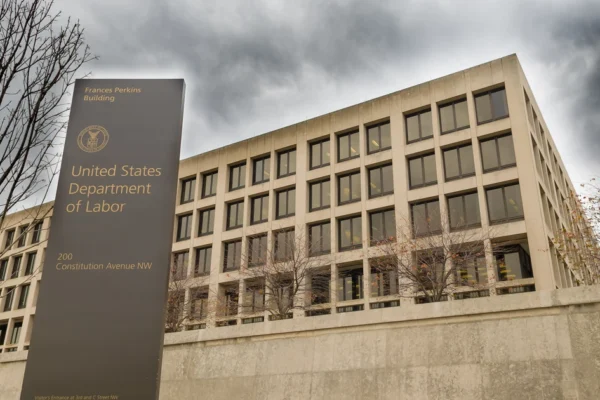
Some visa programmes have more explicit rules. The Department of Labor’s H-2B fact sheet prohibits an employer from holding a worker’s passport or other immigration documents. H-2B is a different programme from H-1B, so the provisions should not be exchanged without checking which visa the worker holds.
For H-1B workers, DOL Fact Sheet 62I says the required wage must be paid for nonproductive time caused by employment-related conditions, including a lack of assigned work. An employer cannot simply describe a worker as “on the bench” and assume that removes the pay obligation.
The same fact sheet distinguishes voluntary absence or other reasons unrelated to employment, and explains when the obligation begins and ends. It is longstanding guidance, revised in November 2016 and still published by DOL, not a newly announced 2026 concession. A worker should retain the offer, labour condition application information and records showing when they were available for work.

What does official UAE guidance say?
The UAE government’s worker-rights page says confiscating workers’ passports is prohibited and that workers do not need their employer’s permission to leave the country. Those are direct statements about document control and departure, not a promise that every employment or immigration procedure can be skipped.
An employer may need document details for a lawful administrative process. That is different from retaining the original so that the worker cannot recover it when needed. Ask what process requires the document, who will hold it and when it will be returned. A demand to surrender a passport indefinitely should not be treated as a normal consequence of sponsorship.
For covered private-sector employment, the Ministry of Human Resources and Emiratisation is the relevant starting point for labour complaints. Wage Protection System obligations, contractual payment dates and the rules applying to the employment arrangement need checking together. A company facing a cash-flow problem still needs to meet the wage obligations applicable to it.
Domestic workers and some employment arrangements have distinct frameworks. Identify the employer and employment category when contacting the authority. Recovering a passport, pursuing unpaid pay and completing a work-permit or visa procedure may require different steps; they should not be collapsed into one request to the sponsor.
What help is available in New Zealand?
Employment New Zealand lists an employer keeping a passport, paying too little or nothing, demanding wages back, or threatening to end a worker’s visa among possible signs of exploitation. It advises workers to keep their passport safe, retain copies of documents and record hours and payments.
The agency also distinguishes serious exploitation from some one-off breaches or genuine disputes, while saying it can still help with employment problems. A late payment should therefore be reported with the facts and records, rather than automatically labelled trafficking or dismissed as harmless.
New Zealand’s Migrant Exploitation Protection Work Visa is a specific route for migrants who meet its criteria. Current guidance says it can be valid for up to six months and cannot be extended. Reporting a concern is followed by assessment; the worker does not receive that visa automatically merely by submitting a complaint.
Employment New Zealand handles workplace issues and works with Immigration New Zealand. Its guidance specifically directs visa-status questions to Immigration New Zealand. That division of responsibility helps a worker seek the pay remedy and immigration information they actually need.

What records should Indian workers keep before raising a complaint?
Keep the agreement, visa conditions, payslips, bank payments, work schedules and messages about the passport or money owed. Record the dates on which payment was due, the hours worked, what arrived and any deduction. Evidence should explain the specific problem rather than merely show that a workplace relationship has broken down.
Where it is safe, request the document’s return or an explanation of the missing pay in writing. Retain the response and keep copies somewhere you can access outside the employer’s systems. Do not sign a statement that pay has been received if it has not. If movement is being physically prevented or there are threats of harm, seek help from the local police or emergency services.
An Indian consular mission can be relevant to a lost or inaccessible Indian passport, but a consulate does not replace the host country’s labour authority or decide its visa rules. For related background, see the Indian passport process in Australia and the H-1B decisions Indian workers face.
How should a sponsored worker use this comparison?
Use it to identify the right questions and official agencies, then obtain advice about your own employment and visa conditions. It is an informational comparison checked on 14 October 2026; the named sources should be rechecked before a decision. In Australia, visa-specific advice should come from Home Affairs or a registered migration agent, alongside workplace assistance from FWO.
The next step is to take the documented pay or passport problem to the relevant service while separately confirming the immigration position. A worker should leave that conversation knowing which authority can act, which evidence it needs and what lawful options exist for remaining, departing or changing employment.