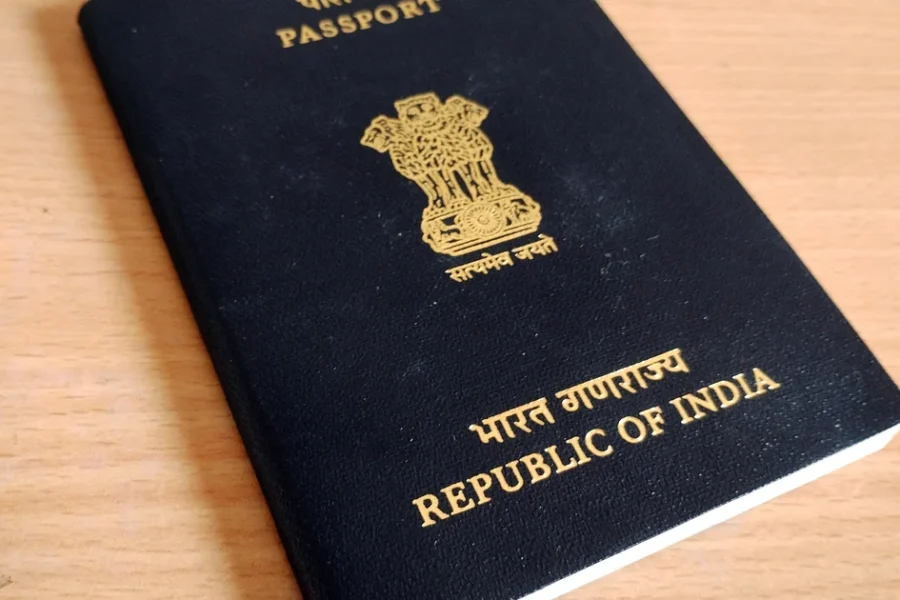
A federal judge has given the US State Department until 1 November 2026 to open the DV-2027 lottery, replacing an earlier October deadline. The order establishes a timetable for the delayed Diversity Visa programme; it does not mean entries are already being accepted.
For Indian-origin readers, the first check is eligibility. The programme normally looks at country of birth, with limited exceptions. An Indian passport, an overseas address or a change of citizenship does not by itself establish a qualifying country for an entry.
As checked on 16 October 2026, the State Department’s published notice about changes to the 2027 entry period had not supplied the new registration instructions. Prospective entrants should distinguish the court’s deadline from the department’s eventual announcement of the opening time, closing time and requirements.
What has the court ordered for the DV-2027 lottery?
US District Judge Jinsook Ohta ordered the State Department to operate the fiscal-year 2027 programme in Red Eagle Law, L.C. v. Rubio, in the Southern District of California. Her 14 October preliminary injunction was subsequently modified at the parties’ joint request.
The revised dates require a public announcement by 29 October, registration to open by 1 November and notification of selected entrants by 3 December 2026. The original order provides for a 30-day registration period. Applicants should obtain the exact closing date from the official announcement rather than calculate one from a headline.
The original injunction and modified timetable should be read together. Earlier accounts using 18 October for opening and 19 November for selection reflect the initial order.
Red Eagle Law, the firm bringing the case, publicly confirmed that the judge granted the joint request. The timetable remains a court-directed obligation for the department, rather than an individual approval for anyone considering an application.
What is a Diversity Visa?
It is an immigrant visa available through a selection programme for people meeting country and other eligibility requirements. Being selected allows a person to seek a visa; selection alone does not establish entitlement to permanent residence.
Which three dates should applicants watch?
Watch the announcement, registration and selection deadlines as separate stages. None should be treated as a visa interview appointment or a date on which a green card will arrive.
| Stage | Revised deadline | What it means |
|---|---|---|
| Official announcement | 29 October 2026 | Check published entry dates, website and participation requirements |
| Registration opens | By 1 November 2026 | Use the announced opening time and 30-day entry period |
| Selection notification | By 3 December 2026 | Check the official procedure for learning whether an entry was selected |
The word “by” matters. A deadline is the latest date required by the order, not proof that the website will open at the beginning of that calendar day. Applicants outside the United States should follow the time zone printed in the official announcement.
Can someone born in India enter?
Do not assume that someone born in India qualifies. India was among the countries excluded in the published DV-2026 instructions; that is a previous-cycle list, not a substitute for the awaited DV-2027 instructions.
Those instructions explain the normal country-of-birth approach and limited alternatives involving an eligible spouse or, in defined circumstances, parents. An exception needs its own factual basis. Moving from India to Australia, Canada or the UAE does not automatically change the country to which an entrant is chargeable.
A family should establish where the proposed principal applicant was born, the spouse’s birthplace where relevant, and whether any parental exception actually applies. Read the new instructions when issued before paying a facilitator to prepare an entry.
The distinction also protects people who may qualify. Indian ancestry is not itself a disqualification for someone born in an eligible country. The published rules and the individual’s circumstances determine the answer, rather than a broad label such as NRI or overseas Indian.
What has changed about passports?
A final State Department rule effective from 10 April 2026 requires a valid, unexpired passport, its identifying information and a scan of the biographic and signature page for entry, subject to limited exemptions.
The passport rule sets out those exemptions, including stateless applicants and specified circumstances where a passport cannot be obtained. An applicant should not assume that expense or a passport renewal application automatically creates an exemption.
The department says the requirement is intended to reduce duplicate and unauthorised entries and identity misuse. Comments on the rule raised concerns about access, cost and document security. The new rule nevertheless establishes an entry-stage requirement, which is different from waiting to obtain a passport after selection.
Check that the passport is valid and that the scan is readable. Keep a secure copy of the version used for the entry, particularly if the passport will later be replaced. Follow the DV-2027 form’s technical instructions rather than a previous year’s upload checklist.
Is entering the lottery still free?
A September 2025 final rule introduced a US$1 registration fee and retained a separate US$330 Diversity Visa application fee. The two amounts relate to different stages of the process.
The fee rule says the registration charge is collected when entering. Applicants should check the official payment instructions when registration is announced. Older general webpages saying registration has no cost do not reflect that later rule.
An agent’s service charge is separate from a government fee. A demand for a substantial payment to secure selection is not evidence of an official requirement. Payment of an entry fee also does not reserve a visa or improve the entrant’s chance of selection.
How can an applicant avoid disqualification or a scam?
Use the State Department’s announced entry website, submit only one entry per person in the registration period and retain the confirmation number. The department’s entry guidance warns that multiple entries cause disqualification.
If someone assists, remain present while the form is completed and take possession of the confirmation page. Check names, dates, family information and the photograph against the instructions before submission. A helper controlling the confirmation number can leave the applicant dependent on that person to check the result.
The department’s fraud warning distinguishes reminders to check status from messages claiming a person has won. Use Entrant Status Check and the official DV instructions to verify a selection claim; an unsolicited message or certificate is not a reliable substitute.
Do not send passport scans or confirmation details to an account simply because it uses a US flag or official-looking seal. Begin from the department’s own website, check the address and follow the payment route it identifies.
What would selection actually require next?
Selection begins a further assessment rather than completing immigration. Applicants must meet the programme’s qualifications and the applicable visa requirements, with documents and an interview where required.
The department’s qualification guidance requires the principal applicant to have the specified secondary education or qualifying work experience. The work route requires two years of experience during the preceding five years in an occupation meeting the stated training and experience classification.
That means having a job for two years is not, on its own, enough to establish the work-experience route. Check the occupation’s official classification and retain the evidence needed to show the qualifying employment. The department distinguishes the principal applicant’s qualification from the position of an accompanying spouse or child.
Before incurring later application costs, identify which qualification route you would use and what documents support it. An entry being accepted by a website is not confirmation that a consular officer will find the applicant qualified.
The department’s supporting-document guidance distinguishes the DS-260 application from the originals and translations needed for an interview. A registration confirmation is not that application, and an interview is not guaranteed simply because someone submitted an entry.
The programme concerns fiscal year 2027, ending on 30 September 2027. The department’s notice on the changed entry period, originally dated 5 November 2025, says the visa application period for selected applicants remains within that fiscal year.
Readers comparing routes should keep this process separate from employer sponsorship and family immigration. The visa coverage and guide to migrant workers’ rights address different questions; a change to one route does not rewrite the others.
How should Indian-origin families use the next announcement?
First establish eligibility under the new country list, then confirm the principal applicant’s qualifications and the required family details. Only after those checks does preparing an entry make sense.
Keep the official announcement, passport copy and submitted information together, with a separate secure record of the confirmation number. If a country-of-birth exception is complicated, obtain a qualified US immigration lawyer’s assessment before relying on it.
What happens next?
The next required step is the State Department’s public announcement by 29 October. That publication should settle the precise entry window and participation instructions. Applicants should watch for it rather than act on a previous cycle’s dates.
How to use this
Use the US State Department’s DV programme pages and the current court timetable together when preparing. These requirements were checked on 16 October 2026; recheck the official instructions when registration is announced and before submitting an entry.