Pakistan has named a climate minister, rather than its culture minister, to represent it at a three-day forum in New Delhi. Musadik Malik is due to attend the Shanghai Cooperation Organisation’s Civilisational Dialogue from 20 to 22 November 2026, according to Pakistan’s Ministry of Foreign Affairs.
The visit brings a Pakistani federal minister to India for the first time since May 2023. It creates an official encounter between two governments whose wider relationship remains strained, but the announced purpose is a multilateral cultural meeting. Neither the nomination nor the invitation establishes that bilateral negotiations have resumed.
On 19 November, Pakistan’s state broadcaster said Malik would lead the delegation, present Pakistan’s perspective on dialogue among civilisations and participate in thematic sessions. Its account also envisaged engagement with SCO member states on the sidelines. It did not identify a scheduled bilateral meeting with an Indian minister.
What has been confirmed about Musadik Malik’s Delhi visit?
Pakistan’s foreign ministry confirmed the nomination on 14 November, naming Dr Musadik Masood Malik, federal minister for climate change and environmental coordination, as its representative.
The ministry described the event as an opportunity for SCO member states to discuss cultural understanding. It said Pakistan remained committed to dialogue among civilisations and people-to-people contacts within the organisation’s framework. That is the stated basis on which Islamabad is participating.
India had invited Pakistan’s minister for national heritage and culture, Aurangzeb Khan Khichi. Pakistan’s decision to send Malik means the person leading its delegation is different from the minister originally invited. The distinction concerns representation; it does not, by itself, change the purpose of the gathering.
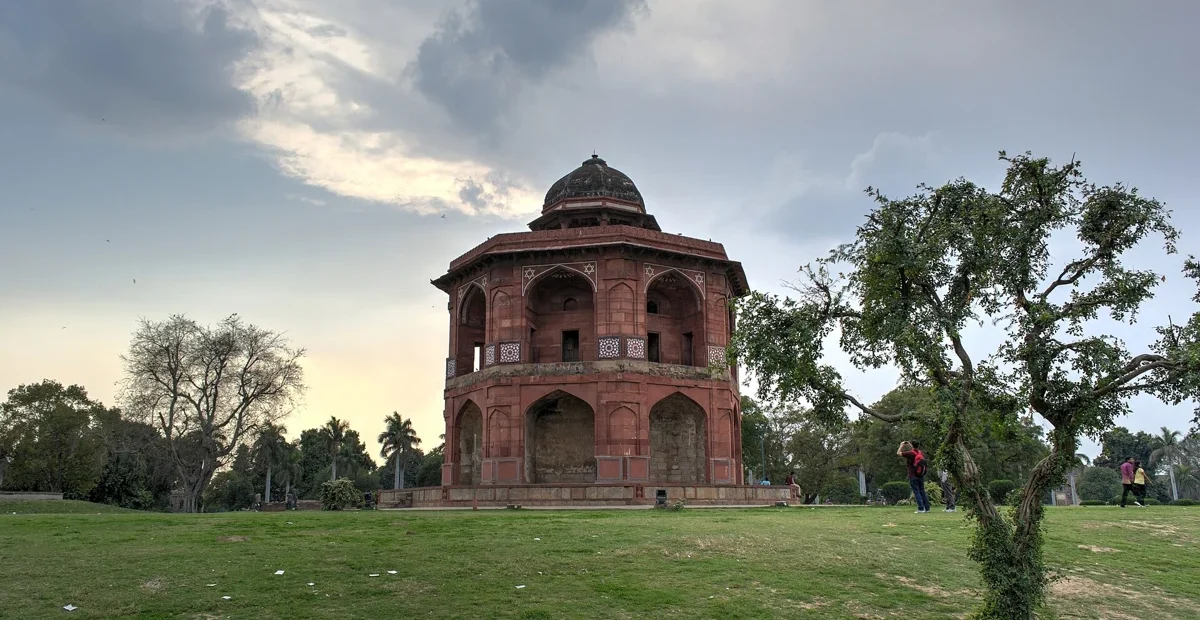
The venue is Purana Qila in New Delhi. Prime Minister Narendra Modi is scheduled to attend the inaugural ceremony on 20 November, with the following two days devoted to cultural discussions. These are arrangements for an event still ahead, rather than outcomes already delivered.
The sequence of announcements also helps distinguish the forum’s planning from the later decision about Pakistan’s representative.
| Date in 2026 | Development | What it establishes |
|---|---|---|
| 19 July | SCO culture ministers meet in Cholpon-Ata | Cultural exchanges were already part of the organisation’s programme. |
| 1 September | India’s Prime Minister’s Office describes the Delhi initiative | The forum forms part of India’s wider SCO engagement. |
| 13 November | India’s foreign ministry answers questions about invitations | Pakistan was among the countries invited to the gathering. |
| 14 November | Pakistan’s foreign ministry names Malik | Islamabad confirms the minister chosen to lead its delegation. |
| 20–22 November | The Delhi programme is scheduled to take place | Attendance and outcomes still require confirmation as the event happens. |
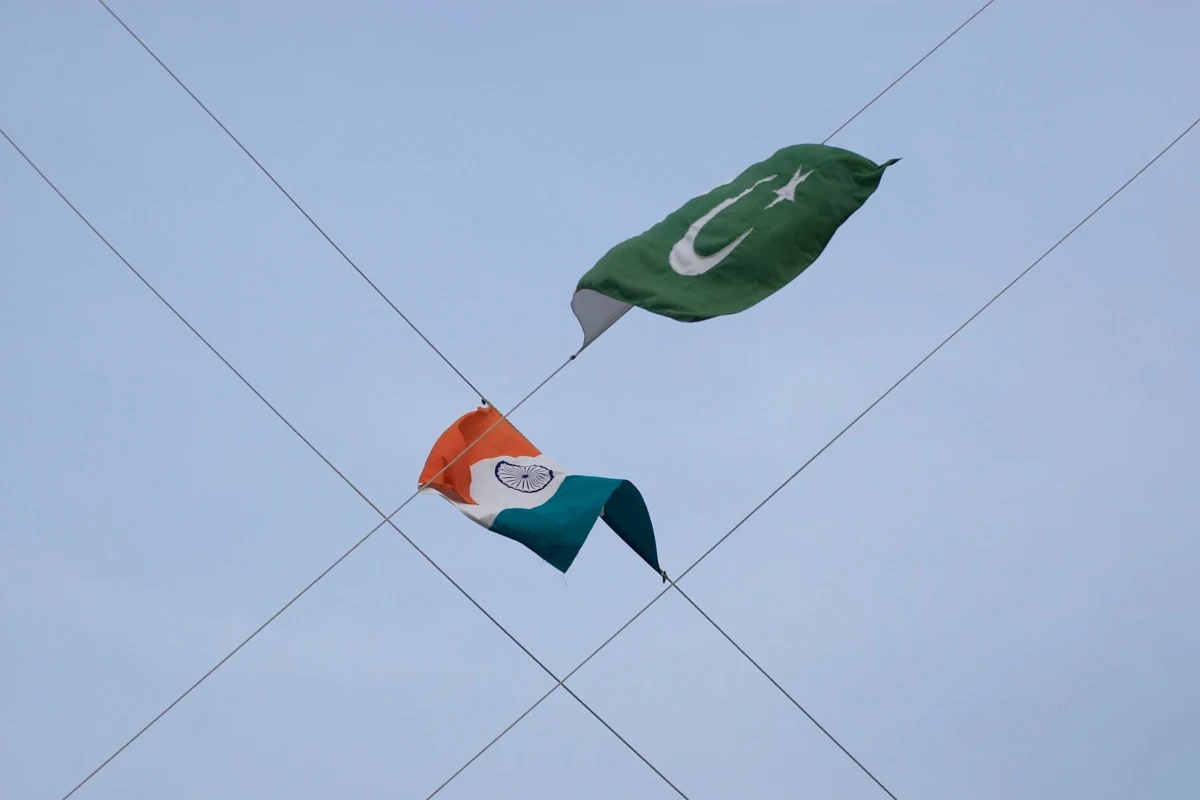
Is this a bilateral peace meeting?
The confirmed event is an SCO forum, rather than an announced India-Pakistan peace negotiation.
A multilateral invitation enables a member government to attend a shared programme. A bilateral negotiation would require an additional agreement between the two countries about whom to meet and what to discuss. The public announcements reviewed for this report do not establish that second step.
The difference is particularly relevant when interpreting photographs or brief exchanges. Representatives can share a stage, attend the same reception or exchange greetings without agreeing to formal talks. A substantive bilateral meeting would need to be assessed through the participants’ statements and any announced agenda or decisions.
A report on 18 November, citing diplomatic sources, said no meeting between Malik and Modi had been scheduled. The stronger basis for reporting the position is the official programme: it announces participation in the forum without announcing such a meeting. Arrangements could change, but a possible encounter should not be presented as a confirmed negotiation.
What is the SCO Civilisational Dialogue?
It is a cultural forum associated with the Shanghai Cooperation Organisation. Its announced purpose is to deepen exchanges involving heritage and cultural understanding. Participation is distinct from a bilateral agreement between any two attending governments.
What is India’s stated position?
India’s Ministry of External Affairs has described the gathering as a dialogue to which SCO members and other countries have been invited, while retaining its wider position on Pakistan.
At the ministry’s 13 November media briefing, spokesperson Randhir Jaiswal said India looked forward to hosting the event. His answer on the invitation placed Pakistan’s participation in the context of the countries invited to the forum.
During the same briefing, a separate question concerned an invitation for Punjab Chief Minister Bhagwant Mann to visit Pakistan. Jaiswal said foreign relations were governed by a national policy and that political clearances were assessed in line with it. He also referred to India’s position after the Pahalgam terrorist attack.
Those were separate answers to separate questions. The response about political clearance for an Indian dignitary should not be described as a new visa rule for ordinary travellers, or as an announcement cancelling the SCO invitation. Equally, hosting the cultural forum should not be treated as the withdrawal of India’s stated security concerns.
Why is the cultural agenda politically sensitive?
The two governments can endorse cultural contact while disagreeing over security and the interpretation of shared history.
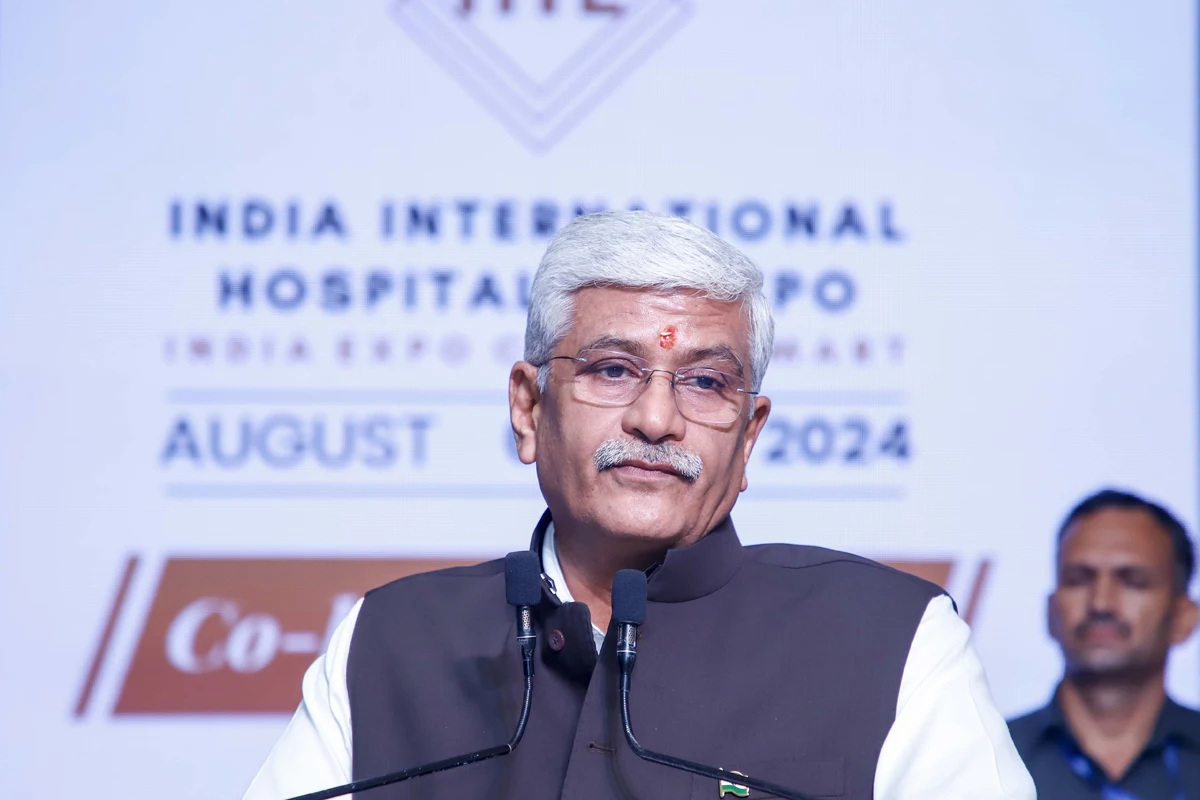
Union Culture Minister Gajendra Singh Shekhawat has presented the forum as a way to extend the SCO’s work beyond geopolitical and economic discussions. The announced themes include civilisational and cultural expression, art and architecture, and language, literature and manuscripts.
At his preparatory briefing on 13 November, Shekhawat emphasised the shared cultural past of India and Pakistan. He also challenged Pakistan’s invocation of the Indus Valley civilisation by drawing a distinction between an ancient civilisation and the much younger Pakistani state. His remarks illustrate that a cultural programme can itself contain political disagreement.
Pakistan’s nomination statement stresses mutual respect and cultural understanding. Its delegation’s announced contribution includes Pakistan’s civilisational heritage. Whether the discussions produce common language or renewed disagreement will depend on what representatives actually say at the meeting.
Claims about a diplomatic thaw therefore need more than evidence that a minister has accepted an invitation. They would be strengthened by an agreed bilateral encounter, a joint account of discussions or a specific change in policy. None of those outcomes follows automatically from the forum’s title.
Does cultural cooperation already exist within the SCO?
Cultural cooperation is an established part of the SCO’s work, rather than a new responsibility created solely for this Delhi meeting.
The organisation’s record of its July 2026 culture ministers’ meeting describes discussions on cultural exchanges, joint projects and heritage protection. Delegations from ten member states attended the 19 July meeting in Cholpon-Ata, Kyrgyzstan. A programme of cultural exchange events for 2026–27 was approved.
India’s Prime Minister’s Office also discussed the Delhi initiative in its account of the September 2026 SCO summit. That statement presented civilisational exchanges alongside youth, scientific and other cooperation. It separately restated India’s opposition to terrorism and its insistence on respect for sovereignty in connectivity projects.
The July meeting also involved SCO Deputy Secretary-General Piao Yangfan. The secretariat’s account describes festivals, exhibitions, forums and educational events held during Kyrgyzstan’s chairmanship, followed by a concert featuring artists from member countries. These are examples of the organisation’s existing cultural work, rather than events newly promised for Delhi.
At the September summit, India supported initiatives concerning a Young Scientist Forum and a Young Author’s Conclave alongside the Civilisation Dialogue Forum. The Prime Minister’s Office described the latter as India’s initiative to promote civilisational exchanges among member states. That institutional history explains the invitation’s context without establishing a separate bilateral understanding with Pakistan.
The documents show why cultural participation and unresolved security differences can coexist within the same organisation. A common institutional platform provides a place for governments to meet; it does not require them to agree on every bilateral dispute before attending.
What does the earlier ministerial contact show?
The last Pakistani federal minister to visit India attended another SCO gathering, making May 2023 a relevant precedent for the present visit.
Bilawal Bhutto Zardari, then Pakistan’s foreign minister, travelled to Goa for the SCO foreign ministers’ meeting, attended by India’s External Affairs Minister Subrahmanyam Jaishankar. That participation did not amount to a comprehensive bilateral settlement. The present visit likewise needs to be judged through its announced engagements and eventual results.
For context on India’s approach to other regional institutions, readers can compare the commitments announced at the Quad Manila summit and the separate dispute over consultations on a UN-OIC resolution. They concern different organisations and issues, but each requires a distinction between attending a forum, agreeing a text and changing national policy.
What should Indian readers abroad take from the visit?
The visit is an official diplomatic development, not an announcement changing an individual’s travel or consular rights.
The foreign ministries’ published descriptions concern the delegation and the cultural forum. A family planning travel, a cultural organisation considering an exchange or a business assessing cross-border opportunities would need the relevant government’s specific rules for that activity. A ministerial photograph is not an exemption from those requirements.
Nor do the official statements establish a common view among Indian or Pakistani communities overseas. The two governments’ positions can be reported without claiming that diaspora residents welcome the visit or expect a breakthrough. Such views require their own reporting and named participants.
What happens next?
The immediate milestone is the opening of the forum on 20 November, followed by the thematic sessions on 21 and 22 November.
The next evidence to examine will be the delegation’s arrival, its public remarks, any separately confirmed meetings and the forum’s published conclusions. If an Indian and Pakistani representative announces a bilateral discussion, its participants, agenda and outcome will determine what has changed. Until then, the confirmed development is participation in a cultural forum within a relationship that still carries unresolved disputes.