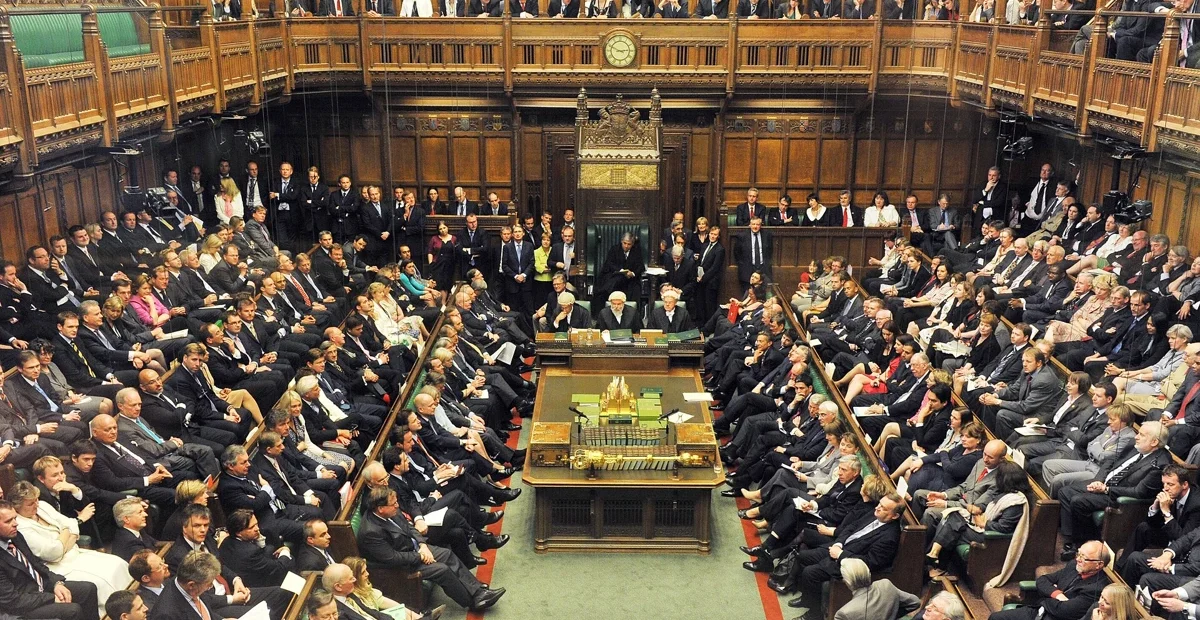
A six-month removal window and a new immigration appeals body are among the proposals now before the House of Lords, after MPs approved the UK asylum bill by 290 votes to 94 on 17 November 2026. Neither the Commons vote nor the government’s announcement the following day made those proposals immediately enforceable law.
The Immigration and Asylum Bill reached the Lords in a version dated 18 November. Its next stages matter to people making protection claims, families relying on human-rights arguments and organisations supporting survivors of exploitation. For Indian nationals in Britain, the first distinction is between this legislation and the separate rules governing an existing visa or settlement application.
Home Secretary Shabana Mahmood says the changes would accelerate decisions and removals while preserving protection for people who need it. Critics in Parliament dispute both the safeguards and the fairness of changing expectations for migrants already living in the country.
Where does the UK asylum bill stand now?
The bill has completed its Commons stages and is before the Lords; it has not received Royal Assent.
The official parliamentary record identifies the current text as HL Bill 65, as brought from the Commons, dated 18 November 2026. That is the version to consult when checking what peers will scrutinise, rather than an earlier draft or a summary of a proposed amendment.
The Commons division took place on Tuesday, 17 November, not on the date the later news report appeared. The distinction is useful when comparing the parliamentary timetable with announcements published on 18 or 19 November.
Peers can examine and amend the text. Both Houses must agree the legislation before Royal Assent, and the commencement arrangements determine when individual provisions operate. A political announcement that a bill has passed one chamber does not establish that a particular applicant’s deadline has already changed.
What is the difference between a bill and an immigration rule?
A bill is proposed legislation undergoing parliamentary scrutiny. Immigration Rules set out requirements for immigration routes under the existing statutory framework. A change to one does not mean every visa condition or application deadline has changed with it.
What would change about removal notices?
The government proposes removing a further five-working-day notice period after an unsuccessful appeal to the new authority, replacing it with a six-month window before another notice is required.
The Home Office’s 18 November announcement says the change is intended to prevent successive last-minute claims delaying removals. That is the government’s explanation of the problem and its proposed remedy, rather than a finding that every late disclosure is abusive.
The proposal should not be read as a promise that every unsuccessful claimant will be removed within six months. It concerns the notice framework described by ministers. Identification, legal proceedings and the ability to carry out a return remain different questions.
For an individual facing removal, the operative documents are the actual decision, notice and applicable appeal arrangements. A general report about the bill cannot determine the deadline in a particular case, and the parliamentary vote is not a reason to disregard an existing notice.

How would the new appeals authority work?
The proposed Independent Immigration Appeals Authority would use trained, independently appointed adjudicators and a single appeal process, with further appeals to the Upper Tribunal requiring permission on a point of law.
The Home Office’s authority factsheet describes a claim notice requiring people liable to removal or deportation to raise relevant immigration and modern-slavery matters early. Information submitted outside the deadline could affect how those claims are handled.
Ministers argue that a larger pool of decision-makers and fewer repeated claims would reduce delays. Their October factsheet reported around 156,000 outstanding immigration appeals at June 2026, including about 90,000 asylum appeals. Those are dated backlog figures, not a count of people who have exhausted their rights or are awaiting removal.
The authority’s name also needs care. The proposed IIAA is not the Immigration Advice Authority, or IAA, which regulates immigration advisers. Contacting the adviser regulator is not the same as lodging an appeal with a tribunal or the proposed new body.
What does the bill propose for family and private life claims?
The government wants to change how Article 8 of the European Convention on Human Rights is applied in immigration decisions, giving greater weight to the public interest in immigration control.
Its Article 8 factsheet describes proposals concerning the public-interest test, the meaning of family life and applications made from outside the UK through a UK-based sponsor.
These proposals concern the assessment of human-rights claims. They do not mean that every extended relative currently has a right to enter Britain, or that every family application will automatically fail. The legal basis of the application, the person’s circumstances and the final rules still matter.
For families considering reunion, a relative’s passport nationality alone does not settle the question. A visitor application, a family visa and a human-rights claim have different requirements. Treating all three as a single route can produce a misleading account of what the bill would change.
How would modern-slavery protections and support costs change?
The bill proposes changes to modern-slavery decision-making and a power to recover a contribution to asylum support from adults who can afford it.
The Home Office says a statutory definition of a bad-faith claim would address knowingly dishonest disclosures and information raised after removal notice. The policy raises a direct question about how decision-makers distinguish misuse from delayed disclosure by a person who has experienced exploitation.
In its separate modern-slavery factsheet, the department describes earlier identification, support for children and stronger reporting expectations for businesses. Those stated safeguards should be assessed alongside the proposed restrictions, rather than treating the reforms as only a change to migrant removals.
The support-cost proposal would exempt children and victims of modern slavery. Thresholds, repayment arrangements and the operational system are to be set out separately. It is not an immediate invoice to every asylum applicant, and the bill’s passage through the Commons does not establish a payment amount.
| Proposal | What the government describes | What readers should distinguish |
|---|---|---|
| Removal notice | Six-month window after the relevant unsuccessful appeal | A notice provision, not a guaranteed removal date |
| Appeals authority | New adjudicators and a single appeal route | A proposed institution, not an existing adviser regulator |
| Article 8 | Revised balance between family life and public interest | Human-rights claims and ordinary visa routes |
| Support costs | Contributions from adults with the means to pay | Enabling powers and later detailed repayment rules |
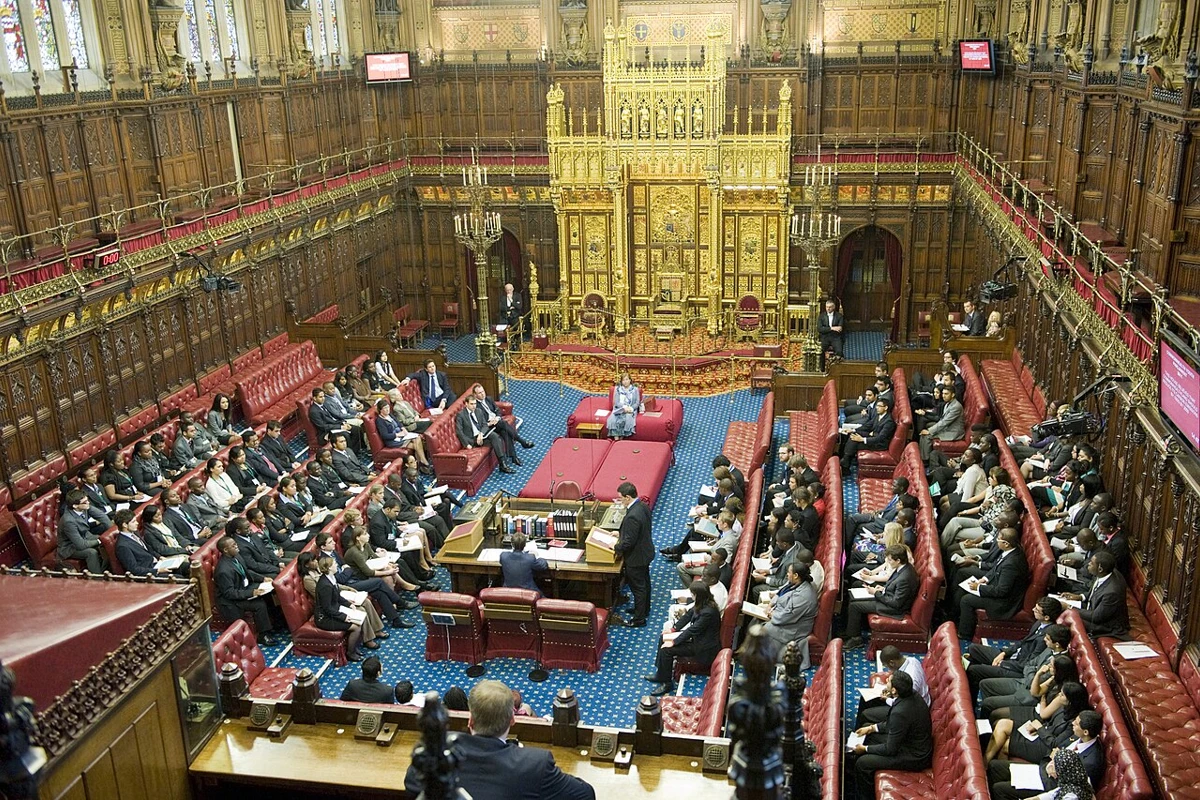
Why is the legislation disputed?
The argument concerns whether faster decisions and stronger enforcement can be achieved without weakening access to protection or changing expectations unfairly.
In the Commons debate, Labour MP Bell Ribeiro-Addy challenged the fairness of altering the rules for people already in Britain. Apsana Begum raised the position of migrants reporting domestic abuse, arguing that sharing information with immigration enforcement can give perpetrators another means of control.
The government defended its approach as a way to restore confidence and prevent misuse. Home Office minister Anna Turley also defended targeted protections for specified health, care and other public-sector workers in the wider settlement debate, while rejecting a broader amendment.
Conservative shadow home secretary Chris Philp criticised the bill from a different direction, arguing that its changes would not go far enough while the UK remained within the ECHR. Those are different objections: concern about reduced safeguards should not be presented as the same position as a demand for tougher restrictions.
The Commons debate records these competing arguments. A rejected amendment is not part of the law merely because it featured prominently in that debate.
What should Indian applicants and families check now?
Check the existing immigration permission, the application route and any actual decision or notice before acting on a headline about the bill.
Keep the grant record and correspondence together. Where a case depends on family circumstances, exploitation or protection needs, obtain advice appropriate to that issue rather than assuming that a general visa-service provider can handle every kind of appeal.
There is a current practical complication. The Immigration Advice Authority’s update of 18 November says its Adviser Finder and Adviser Register remain temporarily unavailable. The regulator directs people needing a registration check to submit an enquiry, and warns against using an adviser whose registration cannot be checked.
The separate coverage of UK and Canadian talent-route reviews illustrates why proposals affecting different routes should be read individually. The visa section brings related reporting together; it does not replace the authority responsible for a person’s application.

What happens next, and how should this report be used?
The next legislative stage is Lords scrutiny, followed by any further agreement between the Houses and the commencement arrangements if the bill becomes law.
Watch the parliamentary bill page for an amended text and the Home Office for implementation guidance. In a live case, ask a suitably authorised adviser how a specific provision and its starting date affect the actual decision or application.
The legislative position and official guidance in this report were checked on 20 November 2026. The Commons vote is an important stage in the process, but it is not a substitute for checking which rules are in force when an individual needs to act.