Rahul Gandhi has ruled out an opposition boycott of Indian elections, arguing at the University of Chicago that withdrawal would damage the democratic structure his party says it wants to defend. His remarks on 18 November 2026 combined a commitment to contest polls with renewed allegations about the Election Commission of India.
The Leader of the Opposition in the Lok Sabha said the opposition would keep participating while bringing alleged electoral irregularities before the public. The BJP rejected his criticism, accusing him of undermining confidence in India’s institutions from abroad and demanding evidence for his claims.
The Chicago exchange concerned political strategy as well as electoral administration. Gandhi was asked why the Congress continued to contest if it believed the process was unfair. His answer distinguished challenging an institution’s conduct from withdrawing from the electoral process altogether.
Why did Rahul Gandhi reject an election boycott?
Gandhi said refusing to contest would weaken the legitimacy of elections in the minds of Indian voters and damage the organisation of opposition politics.
He referred to the position of opposition workers who would be asked to stop participating. His stated strategy was to continue contesting, endure electoral setbacks and seek public support for the party’s allegations about the system. Those remarks describe the Congress leader’s political judgement, rather than a new legal restriction on parties’ ability to participate.
The argument places two positions alongside one another: Gandhi says the electoral process has been compromised, but he also says the opposition must remain within it. That tension was the substance of the question put to him in Chicago. His response was that leaving would surrender a democratic structure he did not want to break.
He did not announce an election boycott or name a contest from which the Congress would withdraw. Nor did the reported exchange set a date for a new court application or identify a procedural order changing how an election would be conducted.
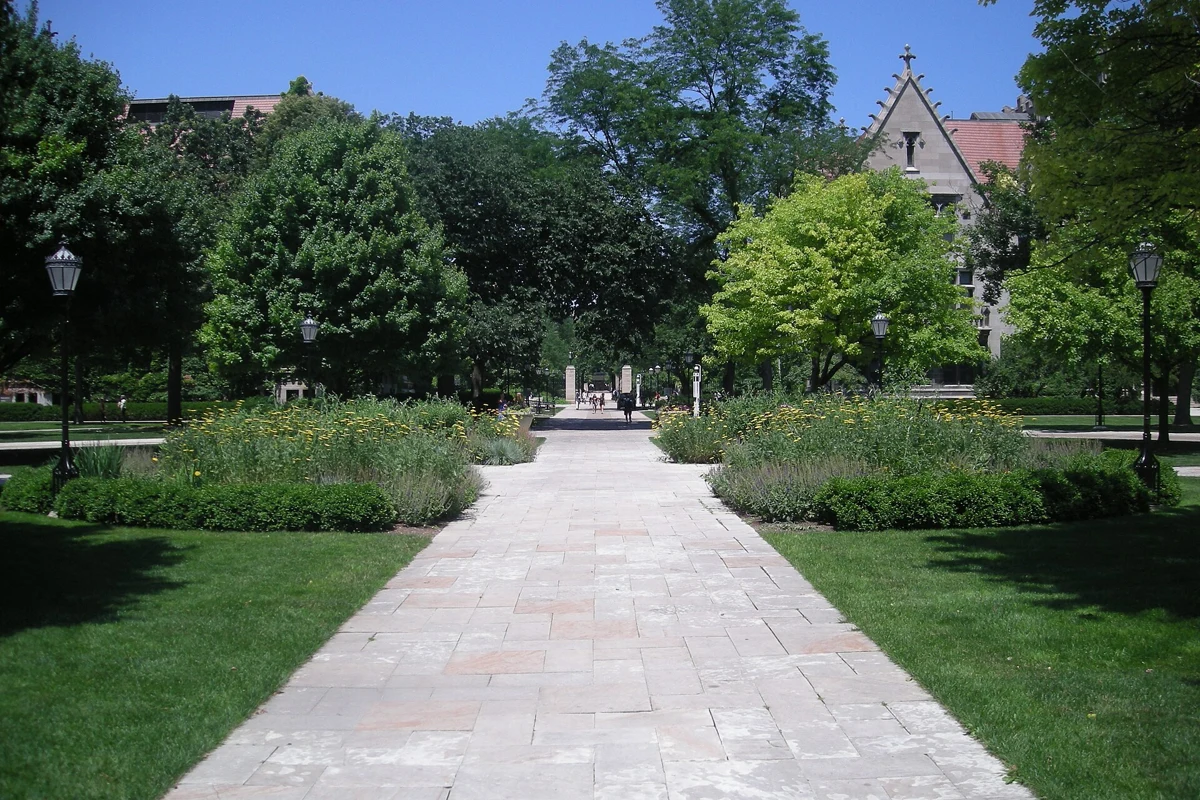
What was the Chicago event?
The interaction brought Gandhi into conversation with University of Chicago political scientist Robert Pape, followed by questions from students and faculty.
The Congress announced the discussion on 18 November and subsequently published photographs and an account of the visit. Its account identifies Pape and describes an open question-and-answer session. The university’s Chicago Project on Security and Threats had listed the event as a conversation on the Iran war and India’s role in the world.
The election exchange therefore took place during a wider academic discussion. The existence of the university event does not mean the university endorsed Gandhi’s allegations or adopted a position on India’s electoral system.
His US programme also included a Columbia University interaction in New York on 17 November. The sequence matters when identifying clips circulating online: a statement made in New York should not be labelled as part of the Chicago session merely because both belonged to the same visit.
What is an election boycott?
An election boycott is a political decision not to participate in a contest. It is different from challenging a voter-roll entry, complaining about election administration or seeking a legal remedy. Gandhi’s stated position was to keep contesting while pursuing his criticism.
What did he allege about the Election Commission?
Gandhi alleged that the electoral system was not functioning fairly and claimed that information was reaching the opposition from inside the Election Commission.
Those are his claims. The reported remarks did not publicly identify the officials he said were supplying information, or provide a set of documents through which readers could independently test that assertion. It should not be presented as a confirmed disclosure by the Commission itself.
There is also a difference between saying a political leader has made an allegation and concluding that the allegation has been established. The first can be verified by recording the statement. The second requires evidence about the relevant electoral roll, decision or administrative action, together with the institution’s response and any applicable legal findings.
The distinction applies equally to broader language about the condition of democracy. A political description of the system is an argument being advanced by a participant in the dispute. It is not a substitute for examining the particulars of an alleged irregularity.
Readers following the wider controversy can also consult the earlier report on political misinformation and election-related claims. That article concerns a separate period and should not be treated as evidence proving or disproving the latest Chicago allegations.
How has the BJP responded?
BJP spokespersons Pradeep Bhandari and C R Kesavan challenged Gandhi’s criticism and accused him of maligning India’s democratic institutions while overseas.
Bhandari described the remarks as hostile to India’s democratic fabric and framed them as an attack on the country, rather than a substantiated account of electoral administration. Kesavan demanded support for the allegations and argued that the Congress questioned the system selectively when it lost elections.
Kesavan also said Gandhi had not filed an affidavit to substantiate his allegations. That is a claim by a BJP spokesperson and should be read as part of the party’s response. It does not, without examination of the relevant records, establish the status of every complaint, representation or legal proceeding connected with the wider controversy.
The competing arguments address different questions. Gandhi says remaining in elections is necessary even while challenging their administration. The BJP says his criticism damages institutional confidence and lacks adequate substantiation. Neither political position should be converted into the publication’s own finding about particular voter records.
Which institution administers Indian elections?
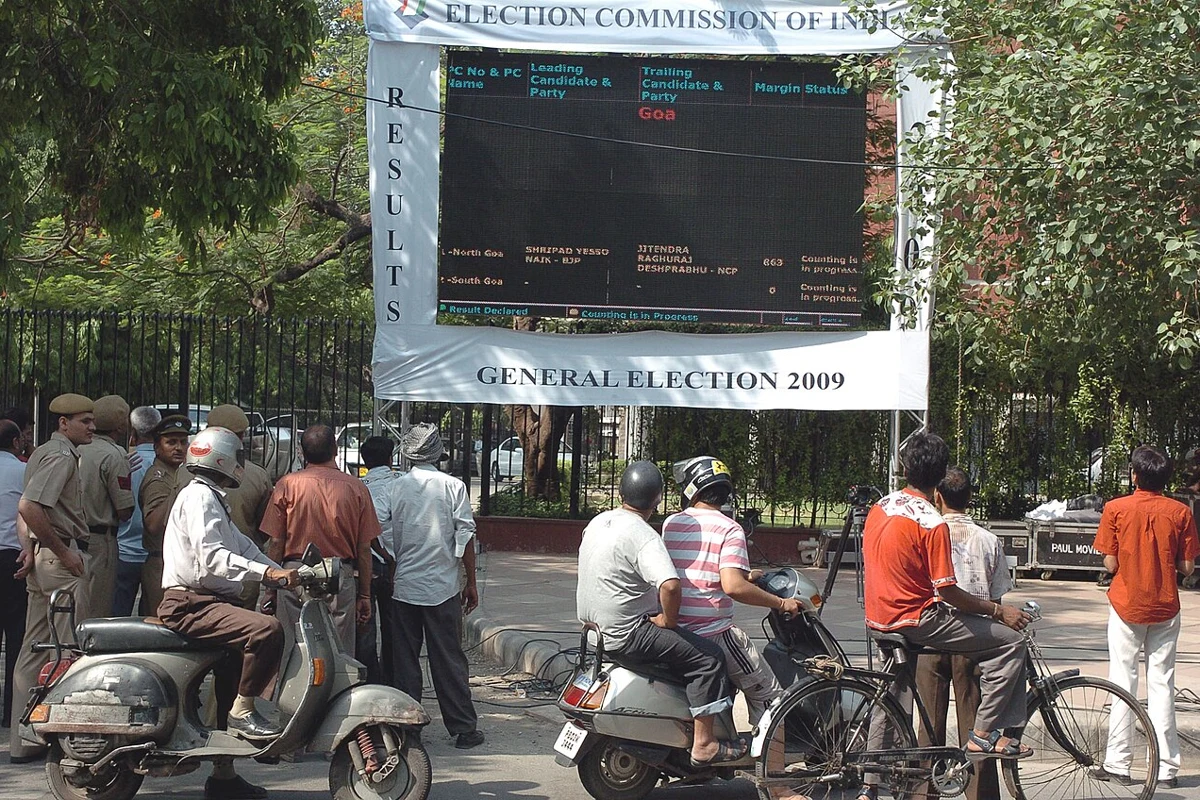
The Election Commission of India is the constitutional authority responsible for administering parliamentary and state assembly elections, alongside the other elections within its remit.
Its official overseas-voter guidance describes the registration process and the role of electoral registration officers. Those are administrative routes available to individual electors. They operate separately from the political argument about whether an opposition party should contest an election.
A reader who finds a problem with their own registration needs an answer about that entry, rather than a general exchange between national leaders. The name, constituency, application status and any decision communicated by the registration officer are the starting records for that inquiry.
The Commission’s National Grievance Services Portal guidance identifies an official route for complaints about voter registration, polling-station information, electoral malpractice and other election-related matters. Its description says complainants can provide supporting documents and track the response.
What does this mean for Indian citizens living abroad?
Indian citizens abroad should distinguish their own voting eligibility from the political dispute about electoral administration.
The Commission’s guidance says an overseas elector must remain an Indian citizen and must not have acquired another country’s citizenship. Registration is linked to the address in India recorded in the passport. A person’s Indian ancestry, by itself, is not a voting entitlement.
The published application route is Form 6A. Supporting material includes the relevant passport pages, a photograph and the visa details required by the form. The responsible electoral registration officer determines the application. The form is an application for inclusion, not an assurance that a person has already been added to the roll.
The Commission says overseas electors vote in person at their designated polling station using their original passport. Applying online should not be confused with casting a vote online. Anyone arranging travel to vote should first check the current roll and the instructions for the relevant election.
The Commission’s overseas-elector questions and answers identify Form 8 where an entry needs correction. It also says a person must not be enrolled more than once. These specific administrative requirements are more useful for resolving an individual registration issue than assuming that a national political allegation describes every constituency or application.
The available routes address different administrative questions:
| What needs attention | Official route identified by the Commission |
|---|---|
| Application for overseas-elector registration | Form 6A |
| Correction to an existing roll entry | Form 8 |
| Election-related complaint and response tracking | National Grievance Services Portal |
How can readers assess claims about their own voter record?
Readers can start with the official record and retain the documents relating to the issue they want resolved.
An application acknowledgement, an officer’s decision and a dated copy of the relevant entry can identify what changed and when. A screenshot of a national political speech cannot establish the status of an individual application. Equally, an individual mistake does not, on its own, explain the scale or cause of an alleged nationwide problem.
The Commission’s grievance guidance asks complainants to explain the issue and provide supporting documents where available. Keeping the acknowledgement enables a person to follow the response. Personal passport details and other sensitive identifiers should be provided through the official process rather than posted publicly in an attempt to attract attention.
For related reporting, the news section separates new developments from the earlier accounts to which they relate. An allegation, an administrative correction and a court decision need their own dates and sources.
What happens next?
The next substantive developments would be evidence supporting the specific claims, a response addressing them from the Election Commission, or a formal proceeding that examines the underlying records.
Gandhi’s announced political position is that the opposition will continue contesting. The BJP’s criticism has renewed the dispute over how he describes Indian institutions overseas. Whether the argument produces a change in procedure will depend on a separately announced decision, rather than on the fact that the exchange took place at a US university.