A Sikh child’s turban and a face-covering veil are treated differently under the school guidance currently published in Montreal. That distinction is central to the Quebec religious symbols proposal: the Parti Québécois wants to prohibit conspicuous religious attire for primary pupils, extending restrictions to children whose symbols are currently permitted.
As of 2 November 2026, the policy should be understood as a proposed extension, rather than a newly operational province-wide ban on pupils’ turbans. The party made the commitment during September’s election campaign. Education Minister Joël Arseneau reaffirmed the government’s intention on 28 October, drawing objections from school leaders and civil-liberties advocates.
For Sikh families, the immediate question is whether a school can treat a political promise as a rule already in force. The published guidance of the Centre de services scolaire de Montréal, or CSSDM, explicitly allows pupils to wear religious symbols while requiring their faces to remain uncovered. It lists the turban among examples of religious symbols.
What does the Quebec religious symbols proposal cover?
The proposal targets conspicuous religious clothing and symbols worn by all primary-school pupils. In its 27 September platform, the Parti Québécois describes symbols that make a person’s religious affiliation immediately recognisable.
The wording is broader than a rule about whether a face is visible. Turbans, hijabs and kippahs can identify religious affiliation without concealing the face. A niqab raises the separate question of face covering, which existing school rules already address. Treating all these garments as if they are subject to one entirely new restriction obscures what the government is seeking to change.
The party also proposed maintaining the existing secularism framework, ending certain funding for religious schools and prohibiting partnerships between schools and places of worship. These are related political commitments, but they should not be collapsed into a claim that every element has already become law.
The eventual legislation would determine the enforceable scope, commencement date, exceptions and administrative responsibilities. A minister’s statement that a promise will be kept does not answer those implementation questions. Families should look for the actual text and official school instructions before assuming their child faces an immediate new dress requirement.
What are schools telling families now?
Montreal’s school service centre currently separates permission to wear religious symbols from the obligation to keep the face uncovered. Its published explanation for families says pupils may wear religious symbols when attending school or receiving school-service-centre services, including an external extracurricular activity.
The same explanation says pupils may not cover their faces. It also distinguishes children from staff and people providing services to them. Restrictions on religious symbols already apply to various adults working in schools, subject to specified exceptions and acquired rights.
That distinction matters when a parent reads a notice about volunteers or staff. An instruction addressed to an adult accompanying a class is not, by itself, evidence that every child in that class must remove a religious symbol. Families need to check whom a particular rule covers and in what capacity the person is attending.
| Situation | What the current Montreal guidance says | Why the distinction matters |
|---|---|---|
| Pupil attending school | Religious symbols permitted; face must be uncovered | A turban is not automatically treated as a face covering |
| Parent collecting a child | Religious symbols permitted; face must be uncovered | Collecting a child differs from providing a school service |
| Parent volunteering with pupils | Religious symbols restricted; face must be uncovered | Volunteer duties can trigger different obligations |
| Proposed primary-pupil extension | Political commitment to prohibit conspicuous symbols | Its implementation requires the applicable legal and administrative text |
What does secularism mean in this debate?
Quebec’s secularism framework concerns the relationship between public institutions and religion. The dispute is about how far institutional neutrality should regulate what individual children wear, rather than whether schools themselves should adopt a religious identity.
Why does the government want to extend the rules?
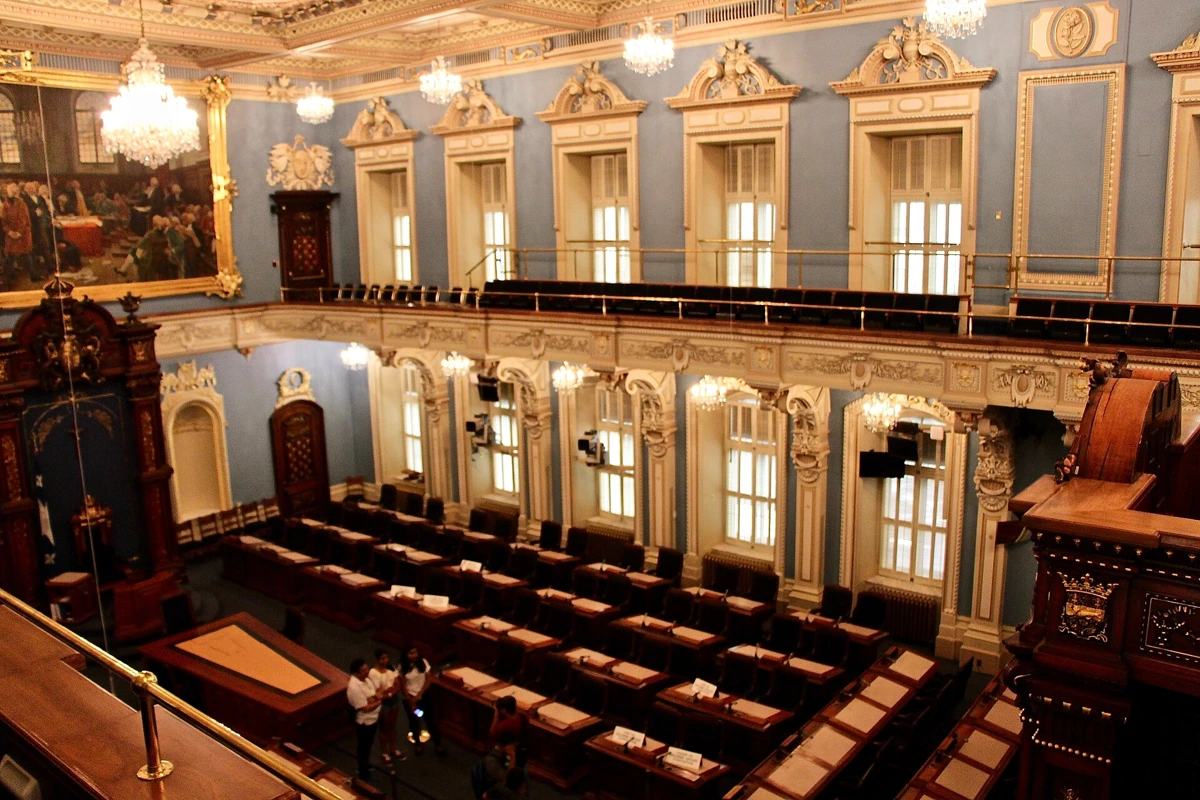
The Parti Québécois presents the policy as a way to defend secularism and children’s freedom of conscience. Its platform links the proposals to concerns about religious influence in schools, including the controversy involving Montreal’s Bedford school.
For the government, extending a common rule to primary pupils is part of a broader programme concerning religious influence and the character of public education. Arseneau’s 28 October intervention reaffirmed that the party intended to carry out the education commitments on which it had campaigned.
The dispute is therefore about both principle and means. Supporters see a restriction on conspicuous symbols as consistent with secular schooling. Opponents distinguish a child expressing a faith from a public institution promoting one. Neither position should be presented as if it resolves the practical questions about attendance, enforcement and equal access.
The primary-pupil proposal also raises a different issue from rules governing adults employed by the state. A child is receiving education, rather than exercising public authority. That is one reason school organisations have challenged the extension even as Quebec already operates restrictions affecting some adult roles.
What concerns have school organisations raised?
School organisations are concerned that the policy could damage trust and access to education. The Quebec English School Boards Association said in a 29 September statement that it opposed extending religious-symbol restrictions to children and warned of deeper divisions among school communities.
The association frames the issue as one of children’s access and identity. Its statement argues that schools need unity and stability, and that extending restrictions to pupils could deepen divisions in the communities they serve. This challenges the government’s claim that the measure would protect a common secular school environment.
Those are warnings about possible consequences, not a verified count of children who have already left because of the new proposal. No reliable province-wide estimate of the number of primary pupils who would be affected was established for this report. A headline number should not be inferred from the overall Sikh or Muslim population.
Québec solidaire has separately opposed the plan. In its 29 October response, the party argued that education policy should focus on staffing, school conditions and pupil success. Its opposition illustrates the political contest over whether a clothing restriction addresses a demonstrated classroom problem.
What does this mean for Sikh and other Indian-origin families?
Families should distinguish the proposal from the rule their school is presently applying. The Indian connection is direct for Sikh pupils who wear a turban or other religious headwear, but the policy is not restricted to Indians or Sikhs. Muslim, Jewish and other families may also be affected by how conspicuous symbols are defined.
A useful first step is to ask a school to identify the written rule behind any instruction about clothing. The request should clarify whether it concerns a pupil, parent, employee or volunteer, and whether the issue is a religious symbol, face covering or another school requirement. These categories are not interchangeable.
Families should retain the notice, relevant emails and the school’s response. If the issue concerns services provided to a child, Quebec’s official school-complaints process offers a route to raise it with the person concerned or their supervisor, then the school organisation’s complaints officer and, where appropriate, a regional student ombudsman.
The Protecteur national de l’élève is an independent institution outside the school network responsible for protecting pupil and parent rights. Its process should be checked for the circumstances of a particular complaint; a political disagreement and an individual service complaint are different matters.
Parents should also ask how attendance and learning will be maintained while a concern is considered. The immediate educational consequence of a dispute can be missed lessons or uncertainty about school participation. A written account of what happened helps keep the complaint focused on the child’s access to services.
For families considering a move, Quebec-specific school rules require attention alongside wider education planning. The separate Canada education-savings guide concerns financing study, while study-abroad comparisons address a different stage of education. Neither substitutes for the receiving school’s current instructions.
How can a family raise a school-service complaint?
Quebec’s complaints framework begins close to the pupil, then provides an external review route if the problem remains unresolved. The student ombudsman’s 2024–25 annual report sets out three stages: the person concerned or their supervisor, the school organisation’s complaints officer, and the regional student ombudsman.
The report identifies 10 working days for the first stage and 15 working days for the complaints officer’s written response. It describes regional consideration as taking up to 35 working days. Families should check the official procedure for the current instructions and the circumstances in which the next stage can be used.
A complaint is more useful when it identifies the actual service decision: who gave the instruction, what the child was asked to do, the date and the consequence for attendance or participation. Keeping the written response also helps distinguish a school’s interpretation from the provincial policy on which it says it relies.
This route does not predict how a future law will be interpreted or guarantee that an instruction will be reversed. It provides a way to examine a concrete problem affecting a child. Families should ask the school how the child will continue receiving education while that problem is addressed.
What happens next?
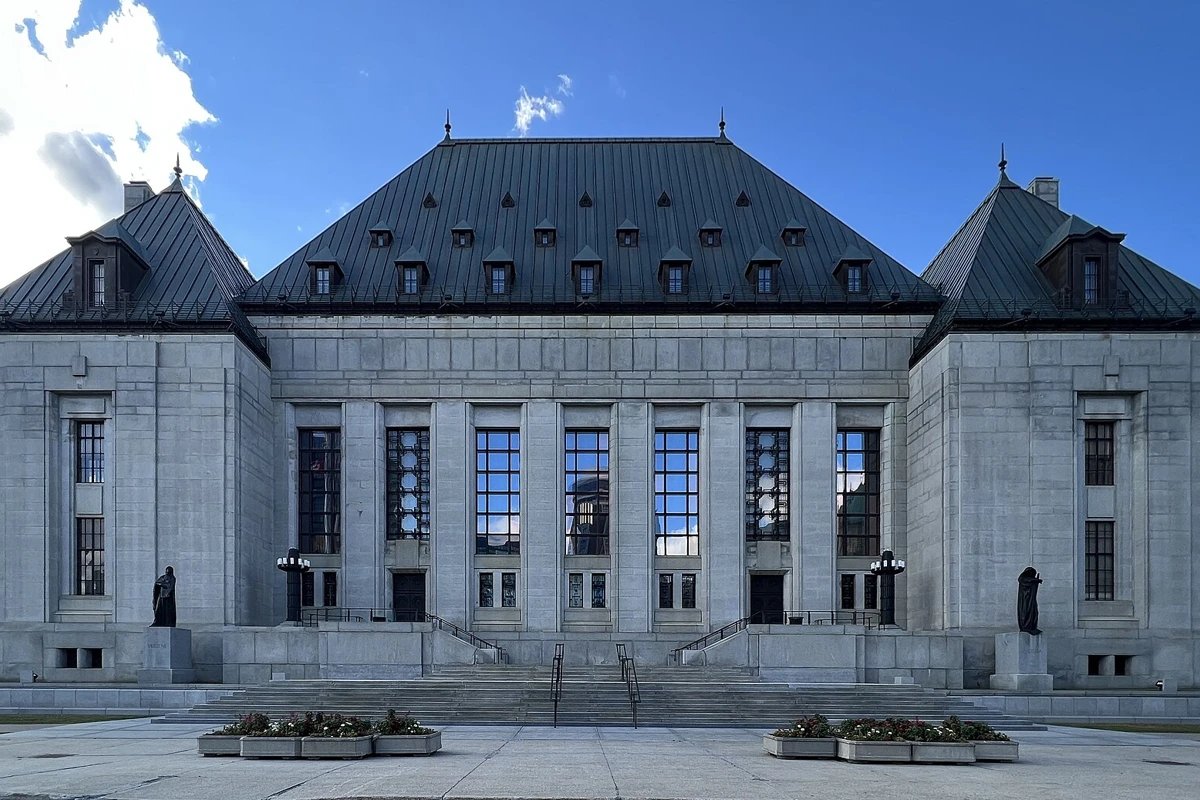
The next substantive development is the text and timetable of any proposed legislation, followed by parliamentary scrutiny and official implementation guidance. The minority government must secure the support needed to enact its programme; an election commitment alone does not supply that support.
Families should watch for the definition of conspicuous symbols, the schools and year groups covered, any transitional arrangements, and the procedures proposed for disagreement. Those details will show how a political principle is intended to operate in a classroom.
Until then, the distinction in the current Montreal guidance remains the clearest practical starting point: pupils’ religious symbols are permitted, while face-covering restrictions already exist. Any draft legislation or new school instruction needs to be read against that baseline, with its actual commencement date checked before it is treated as an obligation.