The 65,000-place regular H-1B cap is set by law, but the employer’s petition is decided by an agency. US visa powers are divided in ways that matter more to an Indian applicant’s next step than a prediction about which party will win the 3 November 2026 midterms.
Congress can change the legal framework, the administration can make and implement rules within its authority, and courts can stop action that exceeds legal limits. An election can alter the politics of all three, but a result does not itself approve a petition, create a green card or change an individual’s authorised stay.
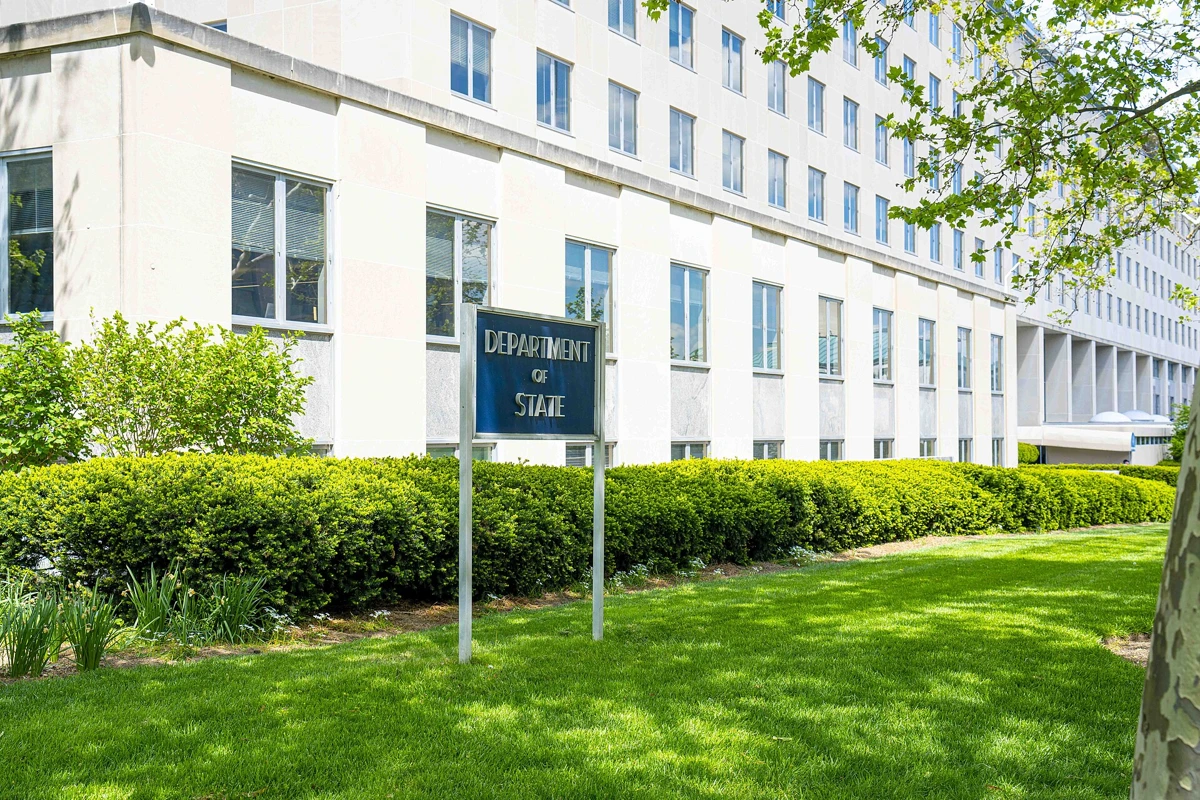
That distinction is particularly relevant to Indians facing employment-based queues or planning a move from study to sponsored work. The State Department’s November 2026 Visa Bulletin separately lists India among oversubscribed chargeability areas. The queue is administered through legal categories, annual limits and priority dates, rather than congressional election-night totals.
How are US visa powers divided?
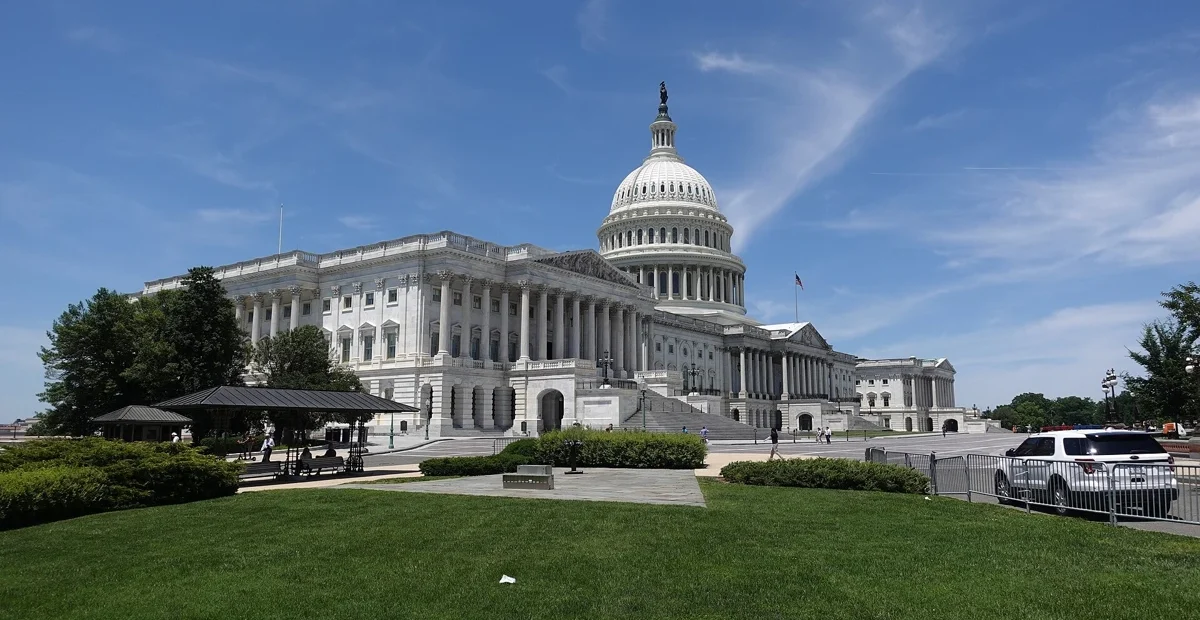
Congress writes federal immigration law, executive departments administer it and courts resolve legal challenges. The House of Representatives’ explanation of government identifies lawmaking and spending as legislative functions, implementation as an executive function and judicial authority as a separate branch.
In visa matters, the executive branch is itself divided. US Citizenship and Immigration Services, or USCIS, considers many immigration benefit petitions and applications. The State Department handles consular visa issuance. US Customs and Border Protection determines admission at a port of entry. A decision by one body does not automatically replace the checks assigned to another.
That is why an approved employer petition and a visa in a passport are different documents. They serve different steps in a process. Likewise, a visa’s expiry date does not by itself state how long a person already admitted may remain in the United States.
For an applicant reading a political announcement, the first question is which body is acting and what instrument it has issued. A bill, regulation, agency instruction, consular decision and court order can each matter, but they do not have the same legal effect.
| Decision | Main authority involved | What an election result does not do |
|---|---|---|
| Change statutory visa numbers | Congress through legislation | Does not amend a cap on election night |
| Decide an H-1B petition | USCIS under applicable law and rules | Does not approve an individual employer’s filing |
| Issue a visa abroad | State Department consular process | Does not guarantee a visa appointment or issuance |
| Administer immigrant-visa availability | State Department and USCIS within legal limits | Does not erase a priority-date queue |
| Review a challenged executive rule | Federal courts in an actual case | Does not automatically end existing litigation |
What is the difference between a visa and immigration status?
A visa is a travel document used to seek entry. Status concerns the conditions and period under which a person has been admitted or authorised to remain. The State Department says admission records, rather than the visa’s expiry date alone, determine the authorised period of stay.
Can Congress increase the H-1B cap?
Congress can amend the law governing the numerical limits, but the election of a new Congress does not itself change them. USCIS’s H-1B cap-season guidance describes the regular 65,000 cap and the separate exemption for up to 20,000 eligible holders of US advanced degrees.
Those figures should not be read as a total of every H-1B action USCIS can approve. Some employers and petitions qualify for exemptions, while other filings concern workers already counted. A headline about 85,000 places therefore needs the context of cap-subject selection, rather than suggesting that all H-1B renewals compete for a fresh place in that total.
An administration can change aspects of registration, processing and compliance through powers delegated by statute. It still needs a legal basis for what it does. The distinction is between altering how a programme operates within the law and rewriting a numerical rule that Congress put into the statute.
For a worker, the practical evidence remains the applicable USCIS guidance, the employer’s filing and any decision or request issued in the case. A campaign pledge about more visas should not be substituted for a selection notice or an approval notice.
Would a new congressional majority clear the Indian green-card backlog?
No. A new majority could pursue legislation, but the backlog would not disappear merely because control changes. The November 2026 Visa Bulletin applies the existing allocation framework and distinguishes categories, chargeability areas and priority dates.
The bulletin explains that immigrant numbers are limited under the Immigration and Nationality Act, including per-country limits. The seven per cent rule is a ceiling in the statutory allocation system, not a promise that every nationality receives seven per cent, nor a simple statement that every employment category reserves a fixed seven per cent for India.
Exceptions and allocation rules can affect how numbers are used. This is one reason a social post predicting an applicant’s wait from the country percentage alone is unreliable. The relevant category, priority date and applicable monthly chart also matter.
Congress could legislate to alter numerical limits, country rules or other elements of the system. Ordinarily, both chambers must pass the same text and the bill must become law through the constitutional process. A proposal introduced by one member, or supported by one chamber, is not an operative change to an applicant’s eligibility.
The executive branch can influence administration and processing, but it cannot promise unlimited immigrant numbers in disregard of the law. Faster handling of a file and legal availability of a visa number are separate questions. A case may be well documented and still lack an available number in its category.
Why do presidential and agency decisions still matter?
The administration controls departments that implement immigration law, giving it substantial influence over how applicants experience the system. Regulations, application requirements, adjudication policy and enforcement priorities can change without a wholly new immigration statute, provided the action falls within lawful authority.
That influence is not unlimited. A regulation can be challenged for exceeding a statute or failing to meet procedural requirements. An agency must also observe court orders that apply to its action. Applicants should therefore check a policy’s effective date and litigation status, not only the date it was announced.
The recent student-status dispute is an example. DHS published a final rule in July 2026 to replace duration-of-status admission with fixed periods. A federal judge postponed it nationwide on 14 September, before its scheduled 15 September effective date. The rule should not be described as having become operational on that scheduled date.
NAFSA, a plaintiff organisation, records that the government appealed on 30 September and that the appeal did not itself put the rule into effect. Its litigation update lists the government’s next appellate brief as due on 9 November. An appeal filing is therefore different from a court decision lifting the pause.
The existing student-status and midterms explainer examines the consequences for study and admission records. The broader lesson here is institutional: an executive action may be announced, published and challenged, with its implementation depending on the court process rather than an election result.
Can Congress influence immigration enforcement without rewriting every visa rule?
Yes. Congress controls federal spending and can scrutinise executive action, while enforcement agencies retain day-to-day operational responsibilities under the law. Hearings, requests for documents and budget decisions can change political pressure and resources without themselves granting an individual immigration benefit.
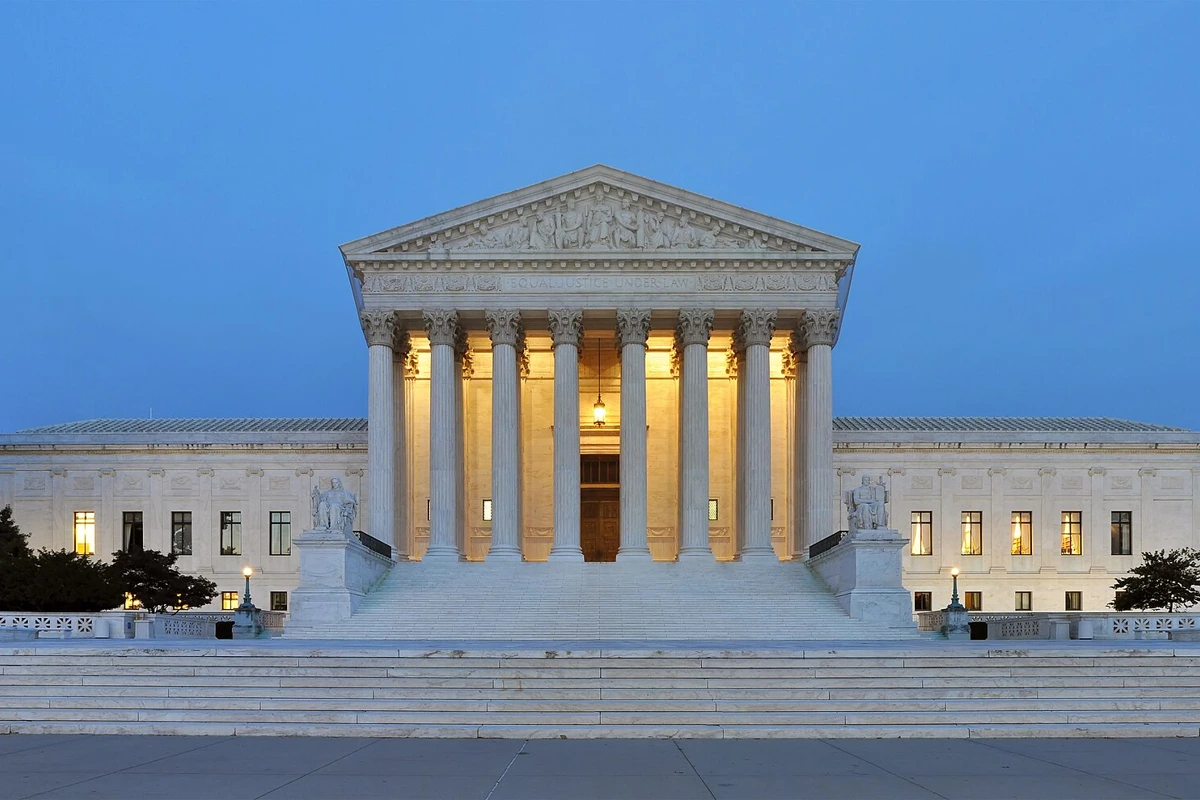
Oversight should not be confused with case adjudication. A legislator questioning an agency’s approach does not replace the officer responsible for a petition or the court considering a challenge. Nor does a change in congressional membership automatically cancel existing enforcement powers.
The constitutional process also complicates claims that one party can deliver a complete reform simply by winning one chamber. The official explanation of how laws are made sets out the need for both chambers to agree on a bill and the president’s role in approving or vetoing it, with a congressional override possible under constitutional rules.
What should Indian applicants check before acting on a visa headline?
Applicants should identify the legal action, its effective date and its relevance to their own category before changing travel, study or employment plans. A useful check begins with the official agency page and ends with the document governing the person’s case.
For H-1B workers, ask whether the headline concerns cap-subject registration, an employer petition, consular visa issuance or entry to the country. For employment-based green cards, check the category and priority date against the relevant chart, including USCIS instructions on which chart may be used to file adjustment applications.
Students should distinguish the visa stamp, admission record, educational record and any separate work authorisation. The State Department’s visa-expiration explanation says a visa does not guarantee admission and its validity does not determine the authorised length of a stay.
Families also need to distinguish tax administration from immigration permission. A Social Security number or Individual Taxpayer Identification Number serves a different function, as the SSN and ITIN guide explains. A number issued for tax purposes does not establish a new right to work.
Why can a green-card filing chart differ from an approval chart?
The Visa Bulletin distinguishes dates for filing from final action dates because preparing or lodging a case and receiving an available immigrant number are separate stages. An Indian applicant should identify the right category and chart rather than treating the earliest visible date as a promise of approval.
The State Department explains that a listed date signals an oversubscribed category, while “current” means numbers are available for qualified applicants in that category. A priority date generally needs to be earlier than the relevant cut-off. Movement from one month to the next reflects demand and legal allocation, so it is not a reliable countdown of an individual’s remaining wait.
For adjustment of status inside the United States, the bulletin directs applicants to USCIS instructions on the chart authorised for filing that month. A family can therefore have a filing question and an approval question with different answers. It should also check each person’s eligibility rather than assuming that the principal worker’s next step resolves every dependant’s position.
These distinctions explain why legislative debate about the backlog matters without creating immediate relief. Changing a statutory allocation requires a legal measure; administering the monthly queue requires agencies to apply the rules already in place.
What happens after the 3 November election?
The election determines membership and party control, while subsequent legislation and agency or court action determine actual policy changes. The representatives elected in November are chosen for the Congress beginning on 3 January, under the federal election timetable.
Before assuming that a promise has become policy, look for an enacted law, a legally effective agency measure or a court order changing what can be implemented. In the student-status case, the next dated checkpoint is the appellate briefing, rather than an automatic switch triggered by the count of congressional seats.
How should you use this information?
Use the institutional distinction to choose the right official source: USCIS for petitions and benefits, the State Department for visas and the Visa Bulletin, and the relevant admission or student authorities for status questions. Check the rule and any court restrictions again before acting. The position described here was checked on 2 November 2026; an election forecast is not a substitute for those case-specific records.