Ports, electricity networks and the software coordinating shipments now sit alongside chips and computer code in the protections India has endorsed under Pax Silica.
India joined the United States and eight other countries in signing the San Francisco Declaration on the Secure Foundations of Enduring Prosperity on 15 November 2026. The declaration sets out a shared approach to protecting sensitive technologies and the infrastructure supporting advanced artificial intelligence.
The agreement follows India’s entry into the initiative in February. It moves the partnership towards working groups on policy, adoption, supply chains and security. It does not itself announce a common export licence, a new visa route or a guaranteed investment allocation for Indian companies.
What does the new Pax Silica declaration cover?
The Pax Silica declaration covers both the technology used in advanced AI and the physical and digital systems needed to produce, move and operate it.
The US State Department’s 15 November declaration identifies sensitive technologies broadly. The definition includes goods, software, materials, knowledge, components, production inputs and the equipment needed to make them.
Its concern is the theft, illicit transfer or acquisition of technologies that could provide a military or intelligence advantage, create economic leverage or expose participants to security risks. That approach reaches further than protecting a finished semiconductor or a single AI model.
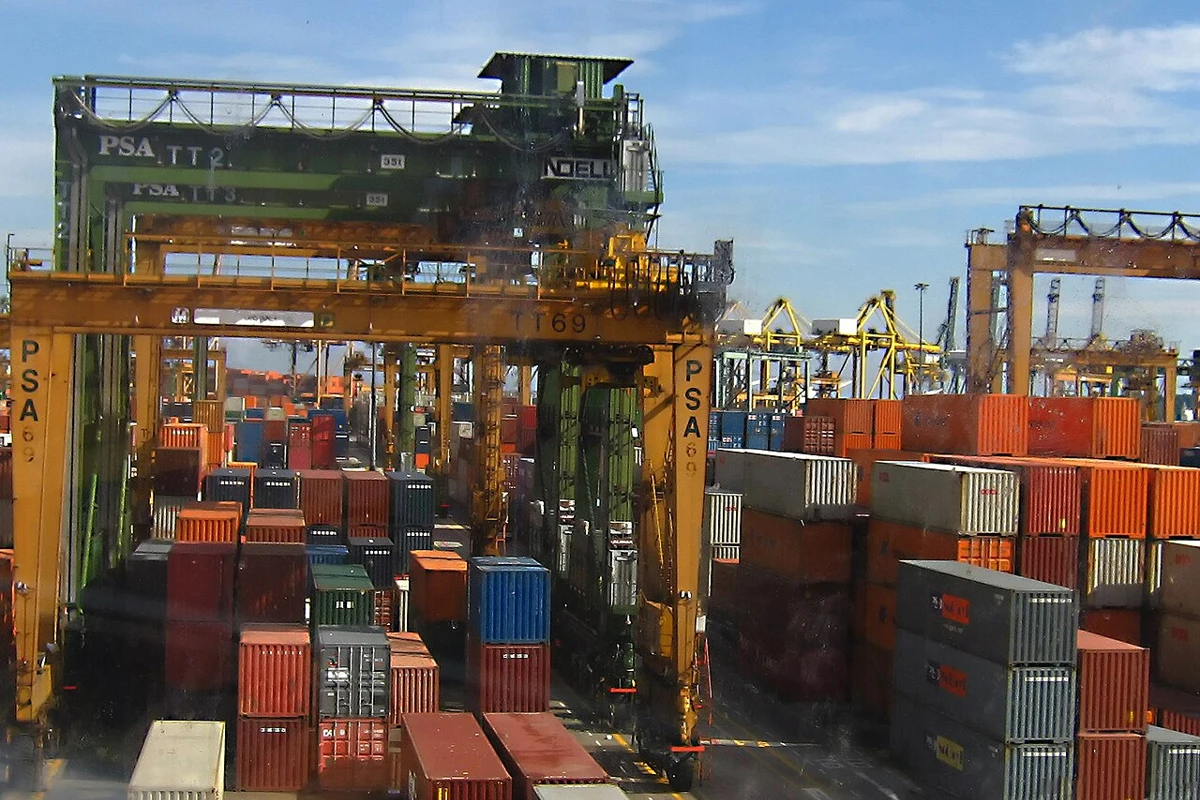
The infrastructure definition is similarly broad. It covers transport and logistics, communications, information technology, energy systems and the digital platforms coordinating their operation. The stated concern is disruption, hostile control or unauthorised exposure of the data moving through them.
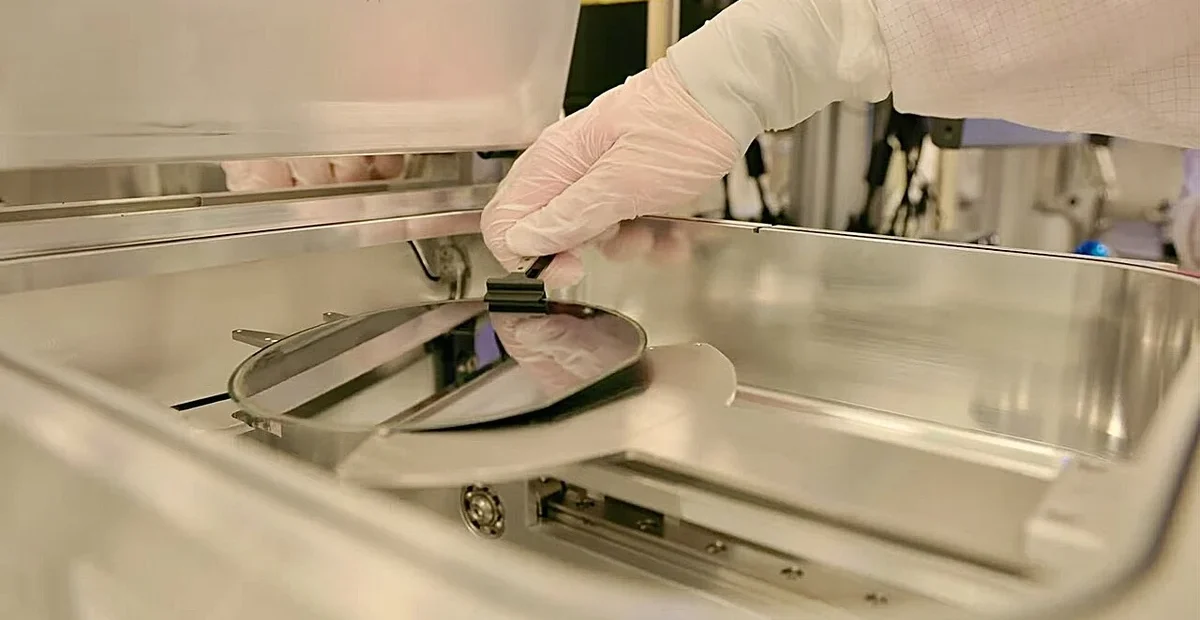
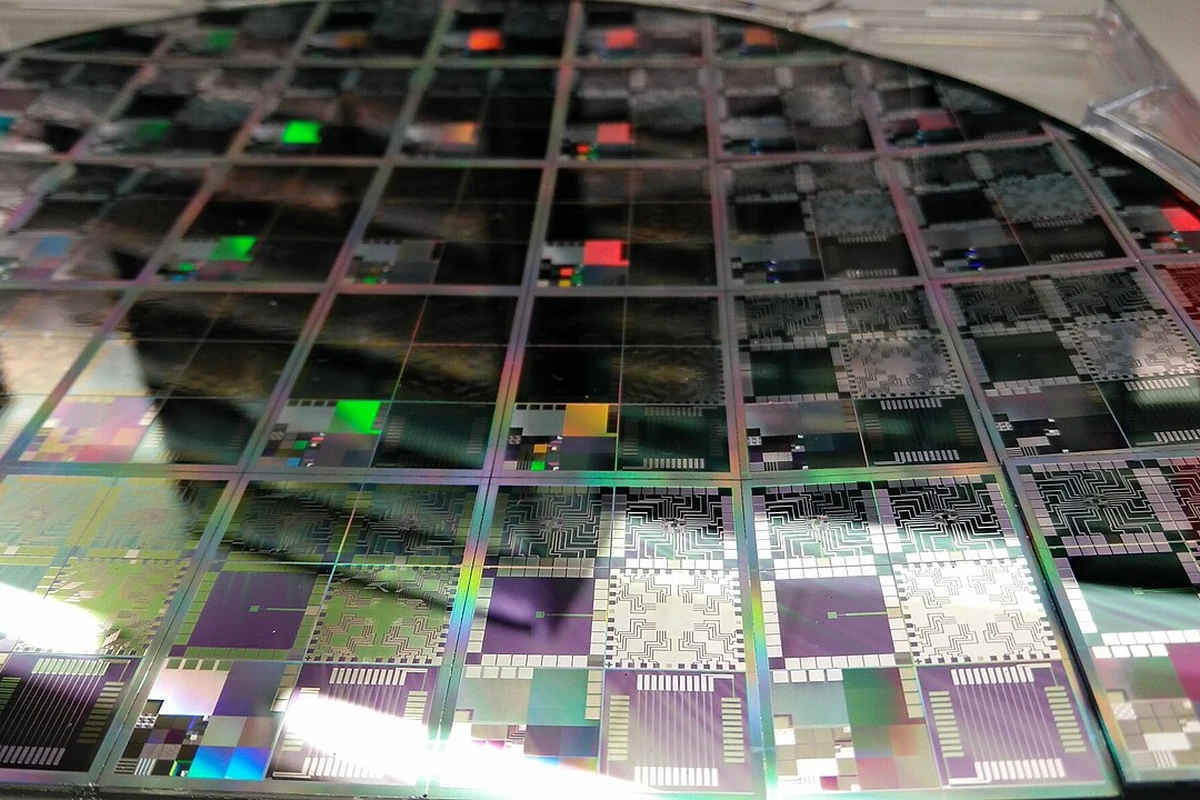
A semiconductor supply chain, for example, depends on more than the fabrication plant. The declaration’s categories include the production equipment, materials, electricity, transport and information systems around it. That is the practical meaning of treating technology security and infrastructure security together.
The declaration uses the abbreviation SI for super intelligence. Its own footnote says that, for some participants, this means artificial intelligence. The terminology should not be mistaken for a finding that a particular level of machine capability has been achieved.
What is an AI supply chain?
An AI supply chain includes the materials, chips, equipment, software, data infrastructure and energy needed to develop and operate AI systems. Protecting one component does not remove vulnerabilities elsewhere in that chain.
Which countries signed, and why does the list matter?
The signatories are Australia, India, Israel, Japan, South Korea, Qatar, Singapore, the United Arab Emirates, the United Kingdom and the United States.
The State Department says the declaration was signed at a Pax Silica Founders Retreat convened by Under Secretary of State for Economic Affairs Jacob Helberg. The list combines countries involved in different parts of the technology and infrastructure economy.
For Indian businesses working across borders, the relevant fact is participation by the jurisdictions involved in their actual operations. The presence of Australia, the UK, the UAE and the US may be significant to particular commercial relationships. It does not establish identical rules across those countries or a benefit available simply because a founder or employee is Indian.
Israel’s foreign ministry independently confirmed the signing on 16 November. It described the partnership as covering hardware, software and knowledge alongside energy, communications, logistics and data management.
The agreement is a common political commitment by the participants. Businesses still need to identify which national laws, regulators and contractual obligations apply to a particular shipment, investment or transfer of information.
How does this differ from India joining in February?
India joined the initiative on 20 February 2026; the November declaration adds a shared description of what participants intend to protect and how they propose to cooperate.
The Ministry of External Affairs’ record of India’s accession says the signing took place during the AI Impact Summit in New Delhi. India also signed a bilateral statement with the United States on an AI Opportunity Partnership.
That statement addressed innovation, the physical infrastructure supporting AI, research, industry partnerships and investment. The ministry identified silicon and critical minerals as foundations for semiconductors, advanced computing and other technology systems.
The ministry’s February record also places industry figures at the signing event. A discussion after the ceremony included Micron chief executive Sanjay Mehrotra and Tata Electronics chief executive Randhir Thakur. Their participation establishes the industrial setting of India’s accession, without establishing a new contract or investment award under the November declaration.
The November text should therefore not be presented as India joining Pax Silica for the first time. It is a subsequent development in a partnership already under way.
| Stage | Verified date | What it establishes |
|---|---|---|
| India joins Pax Silica | 20 February 2026 | Participation in the initiative and a bilateral AI statement with the US |
| San Francisco Declaration signed | 15 November 2026 | Common definitions of sensitive technology and supporting infrastructure |
| Working-group programme | Announced with the November declaration | Intended areas for cooperation, rather than a published commercial entitlement |
The distinction also helps readers assess earlier analysis of India’s technology supply-chain exposure. A new diplomatic commitment can address an existing vulnerability without demonstrating that the vulnerability has already been removed.
What will the proposed working groups do?
The State Department identifies five proposed areas of work: policy frameworks, adoption in key sectors, supply-chain cooperation, security hubs and resilience.
Those categories provide the route from an agreed principle to more specific cooperation. They do not yet supply the detailed terms a company would need to apply for a programme or claim a preference.
Policy work concerns the environment in which technology is developed and used. Adoption work concerns deployment in economic sectors. Supply-chain work addresses the connected inputs and capabilities supporting those systems. Security hubs and resilience concern the arrangements for keeping infrastructure and technology dependable.
The declaration also stresses cooperation in enforcing participants’ own policies against improper access, influence or control. Its language recognises that the national measures belong to the participants. It does not replace them with a single regulator.
For an exporter, investor or research institution, the next useful document would identify a concrete project, responsible authority, eligibility rule or implementation measure. A working-group heading alone is not a compliance instruction.
Is the declaration directed against China?
The declaration does not name China, although it addresses the concentration and security of strategic technology supply chains at a time of US-China competition.
Its text refers to excessive dependencies, economic coercion, disruptive non-market practices and the risk of sensitive technology passing to hostile actors. Those are the participants’ stated concerns. Describing them accurately does not require adding a country-specific ban that the document does not contain.
China’s role in the wider technology economy is part of the diplomatic context. But the practical effect of the declaration must be measured through the policies and projects that follow, including whether any participant changes export controls, investment screening or procurement requirements.
A political agreement about reducing vulnerability is not proof that a company may stop trading with a particular country, nor that existing restrictions have been waived. Either claim would need a separate national measure.
The distinction is also important for technical workers and researchers. The declaration’s reference to knowledge places information within the security discussion, but it does not itself define the permissions needed for every collaboration. Those depend on the technology, parties, location and applicable rules.
What should Indian companies and professionals check?
They should check the relevant national rules and any actual programme announcement before treating the declaration as a commercial opportunity or a new restriction.
Start with the transaction rather than the headline. Identify the product, software, equipment, technical information or service involved. Then identify the authorities governing its export, use, financing or transfer. A multinational partnership can affect several jurisdictions without making their legal requirements interchangeable.
Next, separate a proposed project from a project accepting applications. The declaration announces cooperation; the text reviewed for this report does not provide an application window, company-selection process or automatic funding allocation.
The same caution applies to employment. Nothing in this declaration creates permission to work abroad, changes a professional’s immigration status or guarantees recruitment. Those questions remain with the destination country’s immigration and employment systems.
The documentary starting points are the declaration, India’s February accession statement and subsequent releases by the responsible ministries. These allow a business to distinguish an agreed diplomatic objective from the operational details needed for a decision.
Earlier analysis of the Australia–India AI opportunity can explain the wider context. It should not substitute for the actual notification, licence condition or programme terms that apply to a company’s proposed activity.
What happens next?
The next stage is the translation of the working-group agenda into identifiable projects and national decisions.
The key questions are who will lead each group, what timetable it will follow and whether its work produces investment arrangements, infrastructure projects, security standards or changes to existing policy. Those outcomes require their own documentation.
For India, the immediate development is a deeper commitment to cooperation on the systems behind AI, following its February entry into Pax Silica. The declaration defines the shared ambition. The measures that follow will determine what it changes for a manufacturer, technology company, researcher or investor.