A call to defend democracy brought politicians from several continents onto a Hyderabad stage, but the Bharat Summit also exposed a dispute about who should speak for India before an international audience.
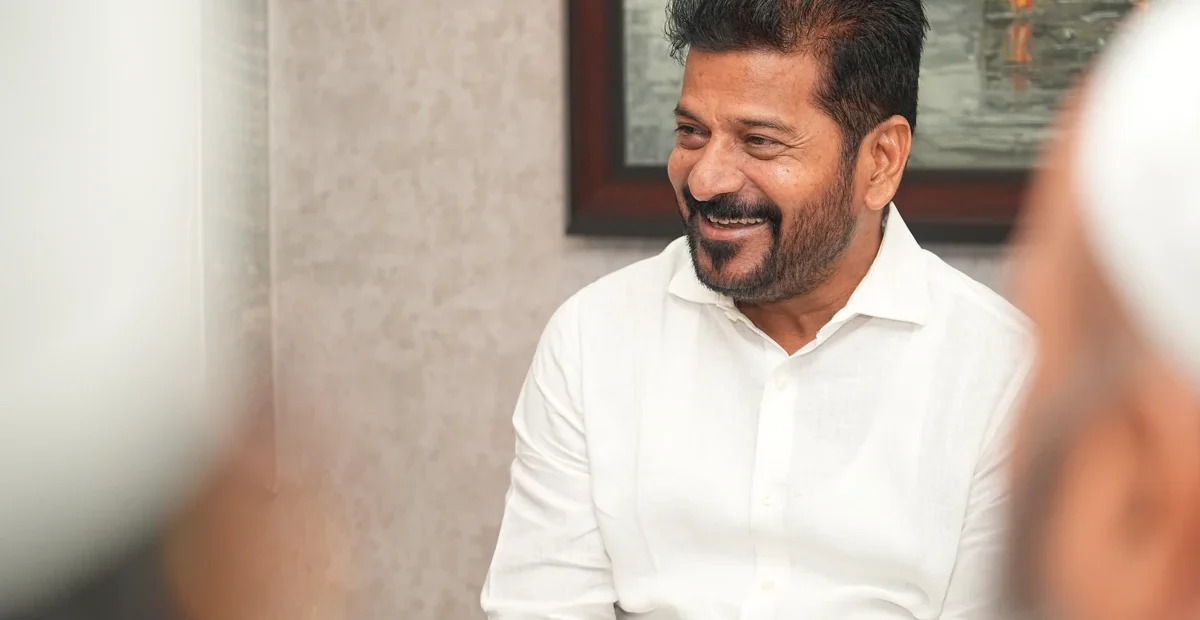
The Congress-led Telangana government’s gathering ended on 14 November 2026. Chief Minister A. Revanth Reddy urged like-minded political movements to work together on constitutional rights, inequality and public services. A day later, Union Home Minister Amit Shah accused Congress leader Rahul Gandhi of damaging India’s reputation through his remarks at the event.
The difference matters to the summit’s promise of a new world order. Its speakers were setting out a political programme and building relationships between parties. Their statements were not an agreement between national governments, and participation did not make every speaker a representative of their country’s foreign policy.
What did the Bharat Summit ask leaders to change?
The Bharat Summit called for greater cooperation between political movements that describe themselves as progressive, with democracy and economic justice at the centre of their agenda.
In the Telangana government’s account of the closing session, Reddy said governments should respond to ordinary people’s aspirations rather than concentrate on the wealthy. He linked that argument to voting rights, environmental protection, education, employment, healthcare and inflation.
The official account describes his address as a call for democratic forces to act collectively. It records his argument that countries face related pressures on fundamental rights and access to basic services. Those are the host government’s political positions, rather than findings independently established by the conference.
The published programme gives the appeal a more specific shape. Sessions addressed artificial intelligence and concentrated corporate power, youth participation, cooperation between developing countries, climate change, international institutions and gender justice. The closing session was titled Delivering Global Justice.
The subjects connected domestic policy to international politics. A discussion about jobs or the price of essential services sits beside questions about who controls technology, how countries negotiate and whether existing institutions reflect their members’ interests. The programme offered a forum to debate those questions. It did not, by itself, settle them.
Who organised the gathering, and who was invited?
The Telangana government hosted the event, with the Samruddha Bharat Foundation curating its programme.
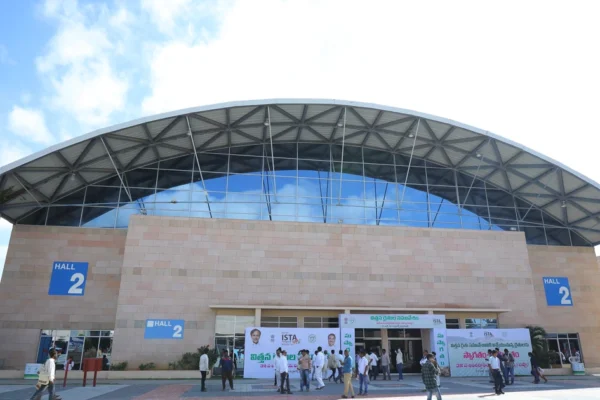
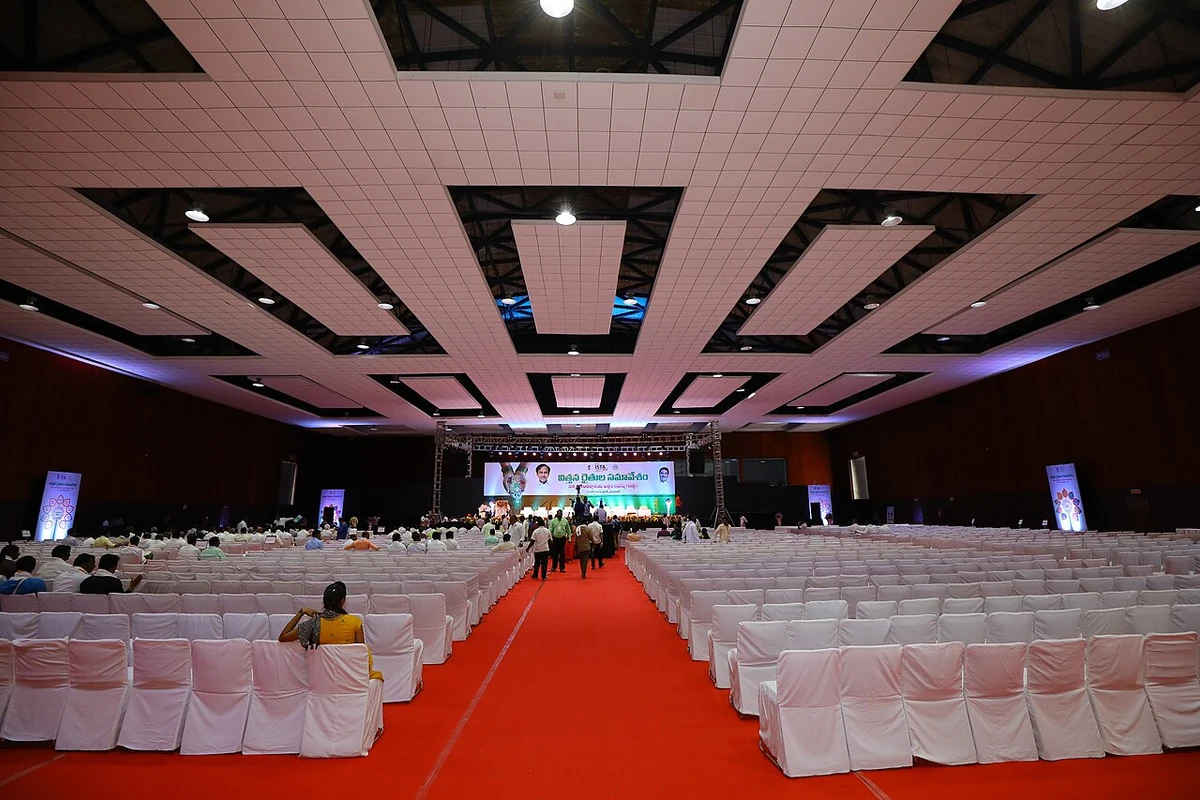
The organisers advertised the international conference for 13 and 14 November at the Hyderabad International Convention Centre. The state’s account of the closing session says more than 1,000 delegates from 70 countries were invited. That is an invitation figure, not an independently audited attendance count.
The distinction is particularly important because some invited speakers did not travel. Organisers’ claims about the summit’s scale should not be turned into a count of people actually present without a separate attendance record.
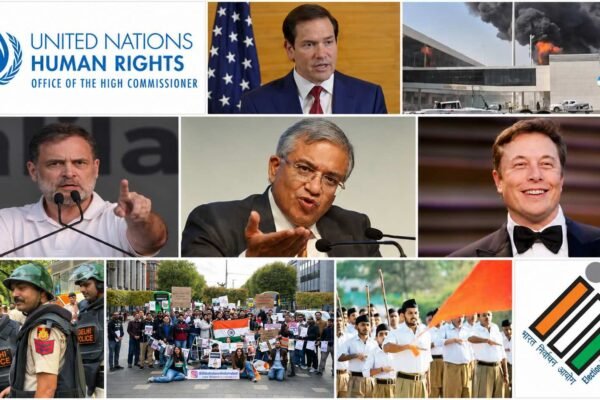
Rahul Gandhi participated as Leader of the Opposition in the Lok Sabha, while Reddy attended as Telangana chief minister. The programme also listed former ministers, parliamentarians, party officials, researchers and civil-society figures from different countries.
These roles are not interchangeable. A former foreign minister can bring experience of diplomacy without holding authority to commit a current government. A party official can speak for a political organisation without announcing a state policy. Reading the titles alongside the speeches helps establish the weight of each proposal.
What is a political summit?
A political summit can bring parties, elected representatives, researchers and campaigners together around shared ideas. Unlike a treaty negotiation between authorised governments, its discussions do not automatically create international legal obligations.
What does a new world order mean here?
Here it means an attempt to build international political cooperation around the participants’ preferred priorities, rather than an announced replacement for existing institutions.
The organisers used the theme Forging a New World. Their programme combined arguments about strategic autonomy, economic fairness, technology and representation. Those headings explain why the summit was broader than a single-party domestic meeting, while also showing why its ambitions should be assessed through specific proposals.
For example, a session on reforming international institutions is not evidence that any institution has agreed to change its voting arrangements. A discussion about artificial intelligence does not establish a regulatory standard. A call for cooperation does not provide a budget, implementation timetable or enforcement mechanism.
The test for any follow-up is therefore concrete: who will take responsibility, what decision will be made and through which institution? Those questions distinguish the political aspiration expressed at a conference from an action that changes a public service, a law or an international agreement.
No binding international agreement is established by the programme and closing-session account reviewed for this report. That does not make the conversations inconsequential. It does mean that their immediate output should be described as speeches, debate and political relationship-building.
Why did the gathering become a domestic political dispute?
It became a dispute because Congress presented democratic protection as an international concern, while the BJP described Gandhi’s intervention as an attack on India before foreign participants.
Reddy’s closing address framed the contest as one between forces protecting constitutional democracy and forces concentrating power. Gandhi also used the summit to challenge the central government’s democratic record. These were opposition arguments delivered from a platform hosted by a Congress-led state.
Speaking in Pune on 15 November, Shah rejected that approach. He accused Gandhi of defaming India, its institutions and Prime Minister Narendra Modi’s development record. Shah argued that Congress was responding to electoral defeats by attacking the country internationally and said Gandhi should spend more time in Indian villages.
That response addresses the legitimacy of using an international political gathering to criticise the government. It does not turn the summit’s speakers into foreign governments. Equally, the presence of international participants does not establish the truth of every allegation made from its stage.
The competing claims should be judged on the evidence attached to them. Statements about electoral administration require records from the responsible institutions, rather than agreement or applause at a conference. Claims about a government’s performance require the relevant policy and outcome data.
How did the visa dispute affect the summit?
The visa dispute became part of the argument over political openness after organisers said invited speakers were prevented from attending.
Reddy’s official closing-session account says the central government denied visas to some delegates. Congress leaders have also challenged decisions affecting foreign speakers. The Ministry of External Affairs has defended the government’s authority over visa and entry decisions.
The earlier Bharat Summit visa dispute concerns those competing accounts. The current report follows the summit’s political agenda and aftermath rather than treating every disputed exclusion as a newly established fact.
A speaker’s selection, permission to attend a conference, possession of a visa and admission at the border are separate matters. A list of invited participants is not a travel record. Any account of who missed the event needs to distinguish an organiser’s allegation from an individual document or an official explanation.
That separation also prevents the controversy from swallowing the substance of the meeting. The summit can be examined both for what participants proposed and for the restrictions its organisers say shaped participation.
What should readers abroad take from the proceedings?
Readers abroad should distinguish political advocacy from changes to their legal rights, travel requirements or public services.
The summit’s international participation creates a direct connection with political debates beyond India. It does not establish that an overseas Indian community adopted a common position, or that any speaker represented all people of Indian origin in their country.
For someone following a particular policy, the useful starting point is the named speaker and their actual authority. A minister’s statement, a party proposal and a civil-society recommendation may all deserve attention, but they enter public decision-making through different routes.
The official programme and Telangana’s closing-session record provide a way to check the setting and subjects against short clips circulating online. The date is also essential: the international programme ran on 13 and 14 November, and the closing speech should be understood in that setting.
Related India coverage can supply context, but a reader deciding whether a rule has changed should look for the responsible government’s notification or legislation. This summit did not replace those processes.
What happens next?
The next test is whether participants turn the summit’s broad commitments into identifiable joint work.
The documents reviewed establish the event, its programme and the host’s closing appeal. They do not establish a shared implementation calendar, a new international institution with agreed powers or a binding commitment by the governments of the invited countries.
Any subsequent announcement should identify the organisations involved, the decision they have made and how progress will be assessed. Until then, the summit’s immediate significance lies in the political coalition it sought to build and the disagreement it provoked at home over democratic criticism, national reputation and India’s place in international debate.