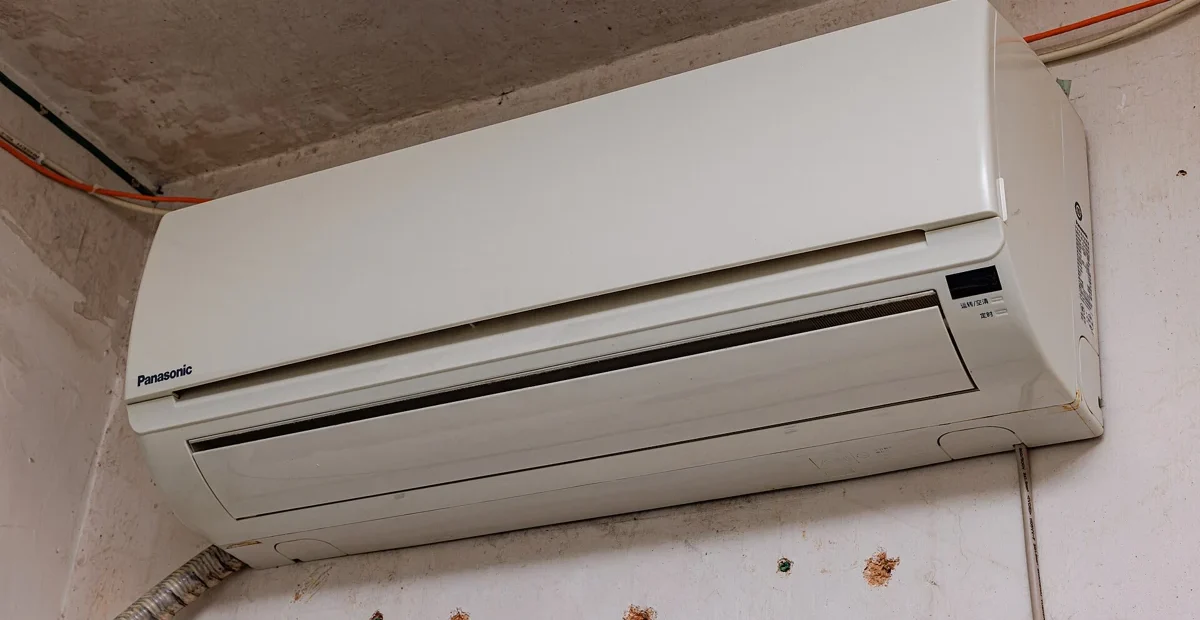
A heat pump in a rental photograph does not establish that a New Zealand home meets the rules for heating, ventilation or damp prevention. Healthy Homes standards require several separate checks, and a tenant can begin with the agreement and the condition of the rooms actually being rented.
For an Indian family moving into an unfamiliar housing system, that means looking beyond the weekly rent and distance to work. Ask for the compliance statement, examine what it says and record problems before assuming that a cold or damp room is simply something tenants must accept.
All private rentals were required to comply by 1 July 2025 unless an exemption applied. The standards are therefore an existing obligation in November 2026, rather than a future change landlords can postpone until the next winter.
What do the Healthy Homes standards cover?
The Healthy Homes standards set minimum requirements for heating, insulation, ventilation, moisture ingress and drainage, and draught stopping.
Tenancy Services’ tenant guidance explains that landlords are responsible for meeting and maintaining the standards. Tenants also have responsibilities for ordinary care and ventilation, but those do not remove the landlord’s obligation to provide compliant facilities.
The Ministry’s standards overview confirms the compliance timetable. Some specific or general exemptions can apply, so ask which exemption is claimed and why rather than treating either “every property is identical” or “old houses are exempt” as a reliable rule.
What is a Healthy Homes compliance statement?
It is a signed statement accompanying relevant tenancy agreements that records the property’s current compliance with the standards, including applicable exemptions. It gives a tenant specific information to compare with the actual property.
Which document should you ask for first?
Ask for the signed compliance statement and read it with the tenancy agreement.
Tenancy Services’ statement guidance explains the information required with new, renewed or varied agreements. A general line saying the home is “warm and dry” does not provide the same detail.
Check that the statement concerns the correct property and records the heating and other relevant features. If information appears incomplete or inconsistent with the rooms, ask for clarification in writing. Keep the version supplied when the agreement was signed as well as any corrected version.
For a newcomer renting one room, first establish whether the arrangement is a tenancy, boarding-house tenancy, flatmate agreement or private boarding arrangement. Read the existing guide to New Zealand renting protections. The label “rent” alone does not establish that every tenancy-law remedy applies in the same way.
Does any heater meet the heating standard?
No: the standard generally requires fixed, acceptable heating with sufficient capacity for the main living room.
The official heating rules distinguish a qualifying system from a portable heater offered as a substitute. The required capacity depends on the room and the permitted assessment method; it is not settled simply by recognising a heat-pump brand.
The compliance statement can identify the heating requirement and the installed equipment. Compare that information with what is present. If the unit does not operate, record the fault and ask for a repair rather than assuming that installation alone is continuing compliance.
Do not inspect electrical wiring, dismantle a heater or enter an unsafe area to prove a concern. A tenant’s visual check is a starting point. Technical capacity, installation and exemptions may need a qualified assessment.
What should you look for in kitchens and bathrooms?
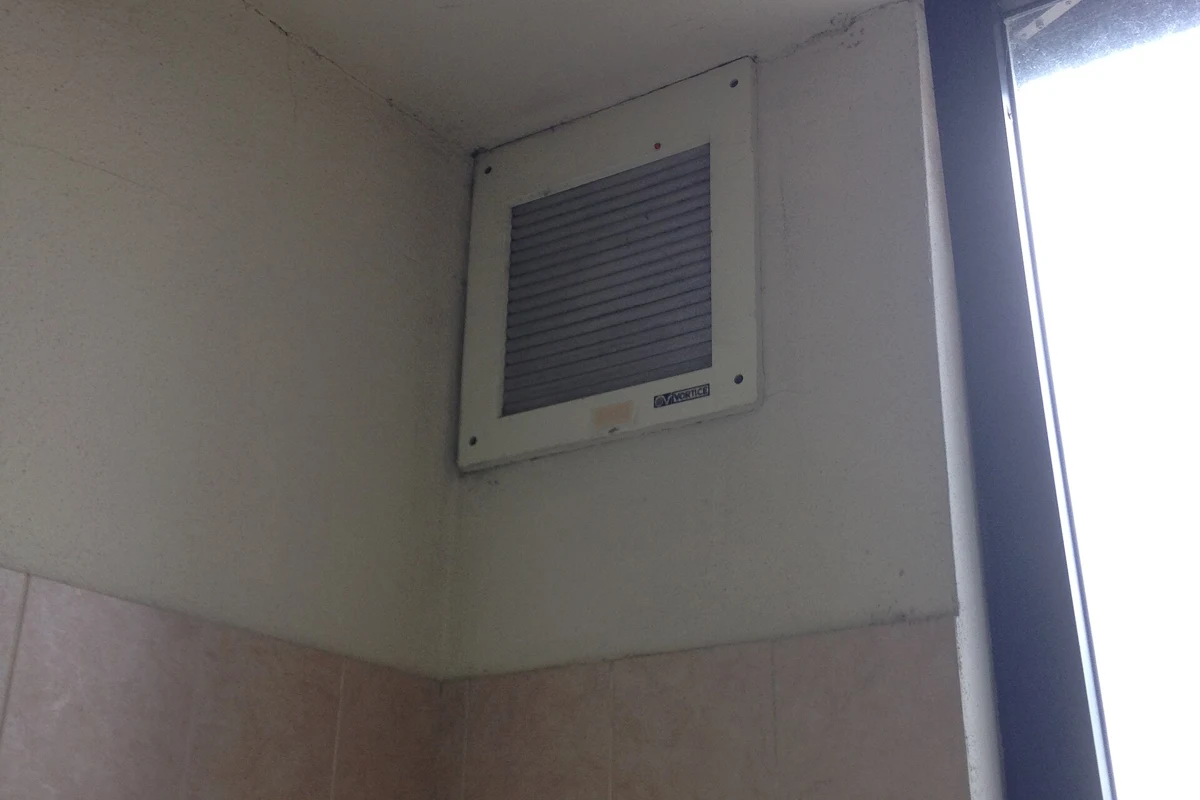
Look for working extraction and ask how moisture is removed to the outside.
The ventilation standard addresses openable windows or doors in habitable spaces and extraction requirements for kitchens and bathrooms, subject to the detailed rules and exemptions. A window and an extractor are not always interchangeable answers to every part of the standard.
During an inspection, ask to see how the extractor is operated and note an obvious fault, such as a fan that does not run. A working sound does not by itself prove correct ducting or capacity, so ask for supporting information if there is a technical concern.
For families who cook frequently, use the installed extraction as intended and report failures promptly. Ordinary household moisture does not settle whether the building has a leak, insufficient extraction or another compliance problem. Avoid blaming cooking style or cultural habits without examining the property.
How can tenants organise a room-by-room check?
Use the official checklist and record visible conditions without undertaking unsafe inspection work.
| Area | Useful initial check | What may need confirmation |
|---|---|---|
| Main living room | Fixed heater present and operating | Required capacity and qualifying heater type |
| Kitchen | Extractor present and working | Ducting, capacity and any exemption |
| Bathroom | Extraction and visible moisture problems | Ventilation compliance and repair needs |
| Windows and doors | Openable ventilation and noticeable draughts | Applicable requirements and exceptions |
| Exterior, where safely visible | Leaks, drainage or damaged downpipes | Professional repair or drainage assessment |
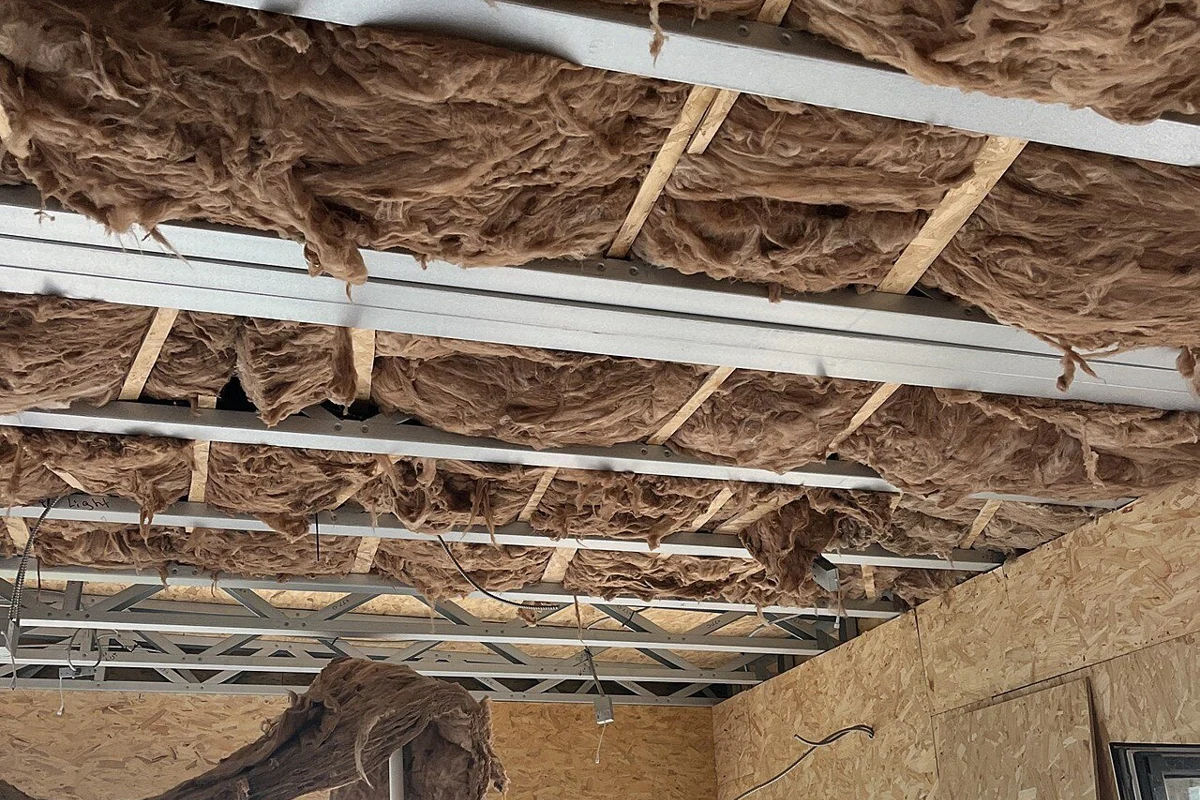
| Ceiling and subfloor | Read the insulation statement | Safe access, insulation condition and exemptions |
Use photographs to record the particular condition and date. Avoid including a neighbour, a child or personal papers unnecessarily. If a photograph cannot show the problem, write a short description of when it occurs and what has already been tried.
What if the dampness comes from leaks or drainage?
Ask the landlord to investigate the source rather than treating every damp patch as a cleaning issue.
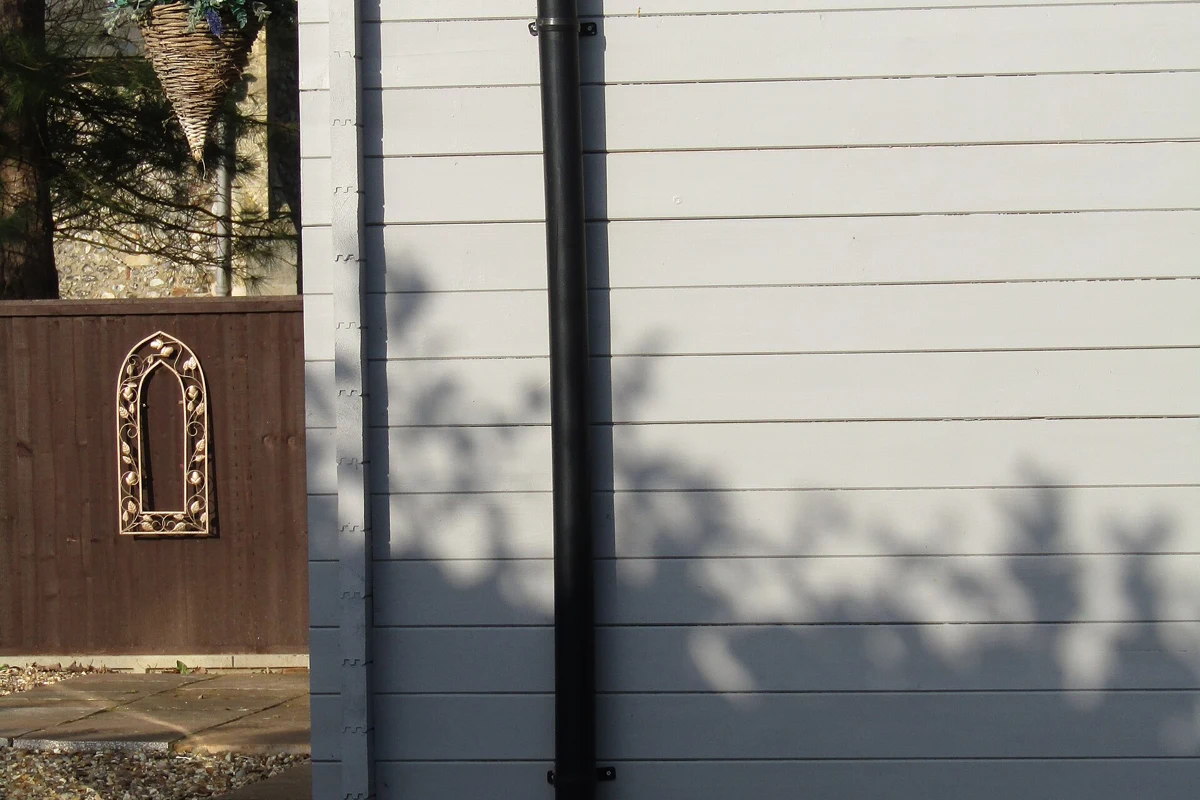
The moisture-ingress and drainage standard addresses matters including stormwater removal and ground moisture. Persistent water entry may require building work or maintenance that a tenant cannot solve by opening a window.
Record whether the problem follows rain, appears around a particular window or affects a specific wall. Report active leaks promptly and take reasonable steps to prevent avoidable damage where safe. Do not undertake roof, electrical or structural work yourself to establish the cause.
Keep the maintenance request separate from speculation about fault. A useful message identifies the location, visible condition and requested investigation. It does not need to diagnose the exact building defect before the landlord can respond.
What responsibilities remain with the tenant?
Tenants should use the home’s facilities reasonably, keep it reasonably clean and tidy and report maintenance problems.
Tenancy Services’ heating and ventilation guidance explains practical care, including using ventilation and keeping supplied heating equipment reasonably clean. Ask the landlord for operating instructions where a system is unfamiliar.
Ordinary care and landlord compliance should be assessed together. Keeping a fan switched off may worsen moisture, but a broken fan still needs attention. Cleaning a visible patch does not establish that the underlying source of dampness has been repaired.
For an Indian household sharing a home, agree how ventilation and heating are used and how faults will be reported. Keep that practical household arrangement distinct from the landlord’s legal duties. A flatmate disagreement should not be presented as proof that the building meets or fails the standards.
What should a tenant do if a concern is not fixed?
Raise the concern in writing and use the formal tenancy-resolution process where necessary.
The Tenancy Services breach guidance explains notices to remedy and the route to the Tenancy Tribunal. A 14-day notice needs to identify the breach and required remedy, with proper attention to service and timing.
Keep the agreement, compliance statement, photographs, maintenance requests and replies in date order. If the landlord disputes the issue, record the particular disagreement: whether equipment works, whether an exemption applies or whether repairs were completed.
Do not assume that withholding rent, arranging expensive work or ending a fixed-term tenancy is automatically authorised by a concern about dampness. Seek Tenancy Services guidance on the appropriate remedy before taking a step that creates a separate dispute.
What does this mean for Indian newcomers choosing a rental?
Include condition and compliance checks before paying or committing to a home, rather than treating them as problems to address after moving in.
Ask the person showing the property for the statement and an explanation of heating and extraction. Record any promised repair and when it will be completed. A verbal assurance that the home has “always been fine” is less useful than a clear account of the current condition.
Use the official tenant toolkit alongside related diaspora reporting. The same statutory standards apply regardless of nationality; the value for a newcomer is knowing what to ask and where to take an unresolved problem.
What should happen after the first check?
Follow up the specific concern and confirm whether the promised repair or assessment was completed.
Keep a dated record of the outcome, including any remaining fault. If technical information changes the assessment, update the record rather than continuing to circulate an earlier claim. Where there is disagreement, use the official resolution route with the evidence organised.
Guidance was checked on 19 November 2026. The next step is a documented understanding of the property and any work required before colder weather returns. A rental photograph or a broad assurance is not a substitute for checking the actual home.