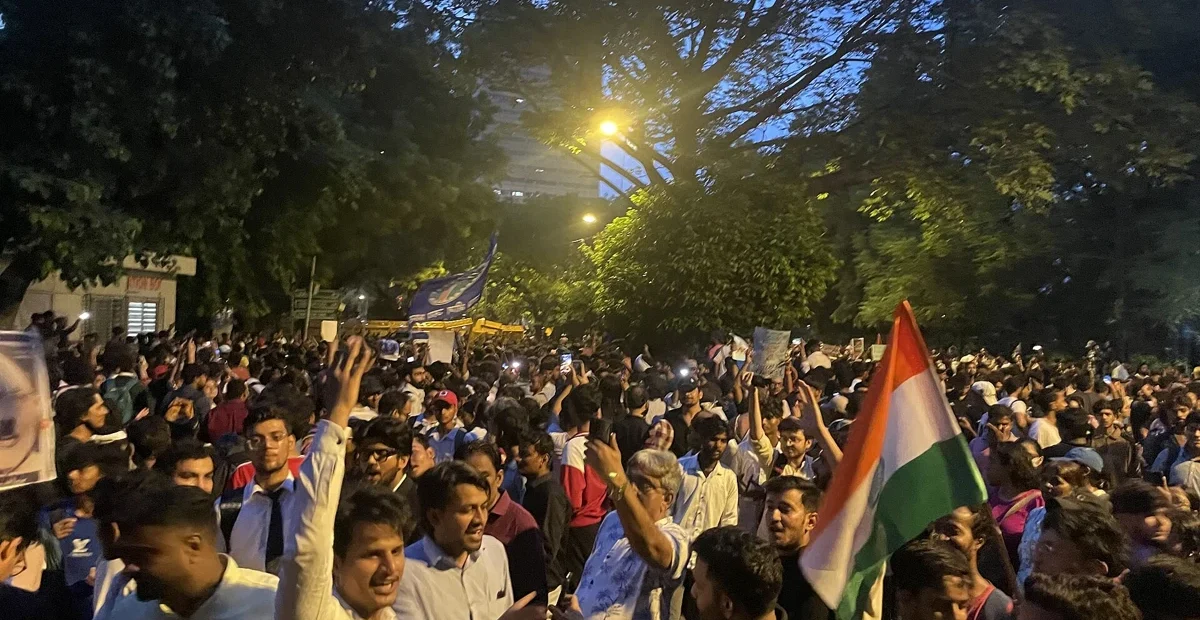
Two detained CJP leaders were still the subject of a release dispute on Sunday evening as the group’s founder, Abhijeet Dipke, said its next protest strategy would be decided after they returned.
CJP legal representative Ratna Singh alleged on 18 October that a hearing concerning Saurav Das and Ashutosh Ranka had been delayed and that four proposed sureties had been rejected on unclear grounds. The police response to those particular allegations was not available in the account of the hearing.
The later development qualifies Dipke’s earlier expectation that the two would be released that day. An expectation of release is not confirmation that custody has ended. The dispute centres on preventive proceedings, peace bonds and restrictions on demonstrations in central Delhi.
What did CJP leaders say about their next steps?
Dipke said the group would regroup and decide its next strategy after Das and Ranka were released, while continuing its agitation.
Speaking on Sunday, he alleged that arrests and detentions were being used to intimidate the movement. Those were his allegations, rather than a judicial finding that the police action was unlawful. He also said he was going to meet advocate Vrinda Grover to discuss legal matters.
The immediate uncertainty was whether the CJP leaders would be released. By the evening, Singh was alleging procedural delays. No confirmed release order was available in the material checked for this draft on 18 October.
Why were CJP leaders Das and Ranka in custody?
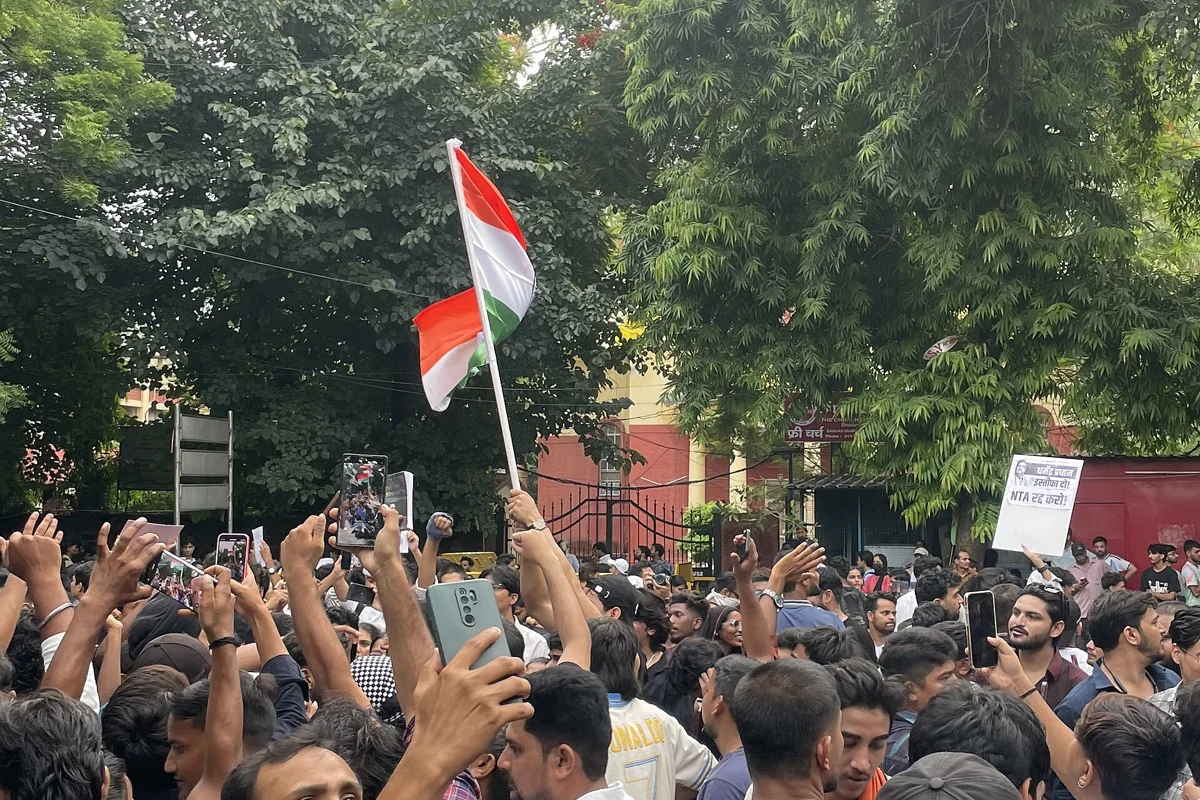
Das and Ranka were sent to five days of custody on 14 October after entering the Jantar Mantar protest area, whose status as a designated demonstration site had been withdrawn.
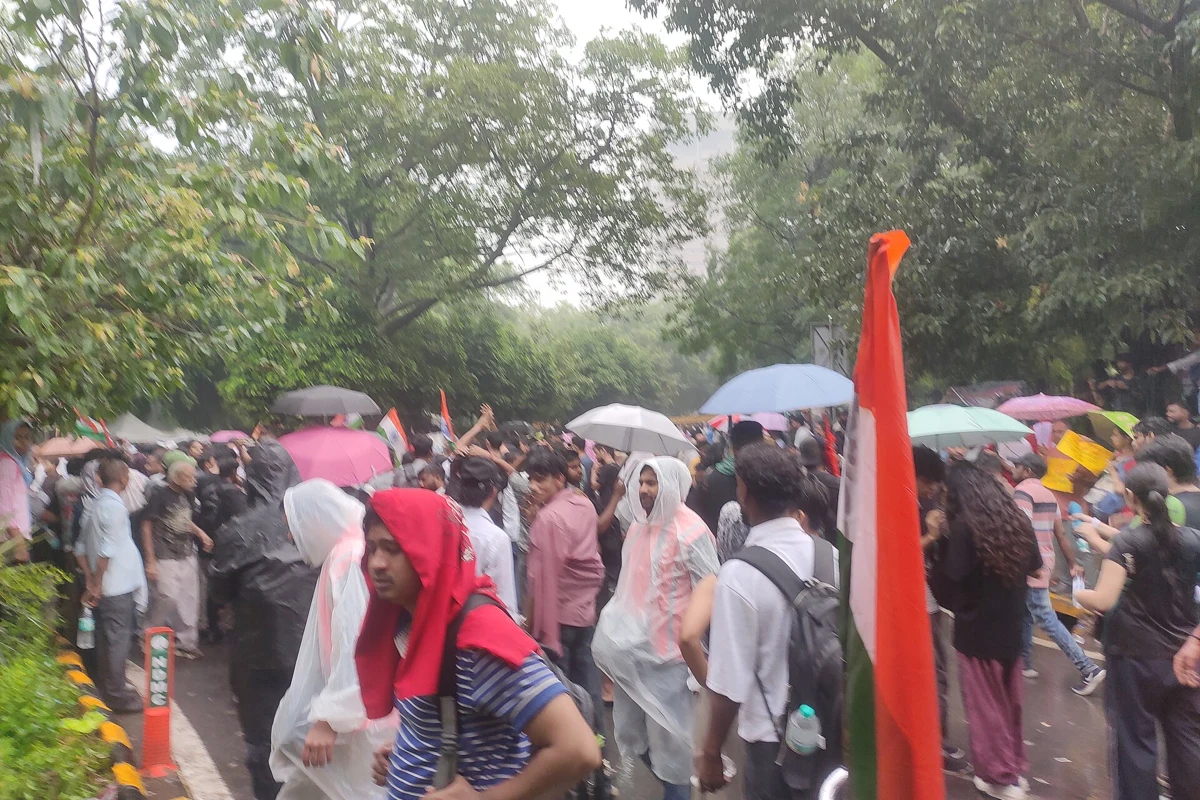
Police said the action against the CJP leaders concerned restrictions on entry and alleged violations of peace undertakings. The movement maintained that its members had been unfurling the national flag and protesting. These competing accounts should not be collapsed into either a conviction for wrongdoing or a finding that every aspect of the police action was lawful.
The distinction between detention and conviction matters. A preventive proceeding is not proof of guilt at a criminal trial, and allegations against the CJP leaders remain allegations. They are entitled to the presumption of innocence in any criminal case.
How is Dipke’s own detention connected?
Dipke was detained ahead of the proposed Lehra Do Tiranga gathering at Central Park in Connaught Place on Friday, 16 October, and released on Saturday under conditions involving a peace bond.
Prohibitory restrictions under Section 163 of the Bharatiya Nagarik Suraksha Sanhita, or BNSS, were in force in the area. The weekend proceedings were separate from the action taken on 10 October, although both occurred during the wider confrontation over demonstrations.
CJP disputed the legality of the detention. The police account focused on preventive powers and compliance with peace undertakings. The existence of those powers does not, by itself, establish whether their use in an individual case met every legal requirement.
What do the preventive provisions mean?
The BNSS gives police and executive magistrates specified powers intended to prevent offences or breaches of the peace, subject to the conditions in the law.
The official BNSS text on India Code is the starting point for understanding those provisions. Section 126 concerns security for keeping the peace. Section 170 addresses arrest to prevent a cognisable offence where its statutory conditions are met.
What is a peace bond?
It is an undertaking connected with keeping the peace under the preventive framework. The particular order determines the conditions and any surety requirement. It is different from a finding of guilt after a criminal trial.
The Bureau of Police Research and Development’s published BNSS reference reproduces the preventive provisions. Understanding a specific detention also requires the applicable order and record of proceedings; the general statute cannot establish what happened at an individual hearing.
Why does the location of the protest matter?
Jantar Mantar’s removal from the list of designated protest sites changed the setting for the confrontation over access and police restrictions.
The movement’s campaign has included opposition to Chief Election Commissioner Gyanesh Kumar and the Special Intensive Revision of electoral rolls. Protesters argue that the exercise threatens voting rights. The immediate custody dispute, however, concerns the handling of demonstrations and preventive proceedings, not a final judicial determination of the electoral allegations.
The right to express disagreement and the rules governing a particular assembly are related but separate issues. Reporting one does not resolve the other. The relevant orders, the stated grounds for police action and any judicial review must be considered on their own terms.
What does this mean for people following the protests?
Check the current orders and confirmed case developments rather than assuming an old protest location remains available or that an expected release has occurred.
The Delhi Police notification directory provides an official place to check published restrictions. An order must be read for its actual area, duration and exceptions; a restriction elsewhere in Delhi is not automatically the order governing a particular gathering.
Readers following Indian public affairs from overseas can also distinguish political disagreement from established legal findings. The issues of representation and public debate arise in other settings, including protests and divisions during a UK visit, but those events do not establish an overseas role in this Delhi dispute.
For readers tracking the campaign, the next question is whether a new gathering is announced and where it would be permitted. Check a dated announcement against the current restrictions before making plans.
What happens next?
The next verifiable development is the decision on release and the terms, if any, attached to it.
Which events belong to which proceedings?
The custody of CJP leaders Das and Ranka and Dipke’s later detention are separate events. Keeping that sequence clear prevents a release in one proceeding being mistaken for the end of another.
| Date in October 2026 | Development | Distinction |
|---|---|---|
| 14 October | Das and Ranka sent to five days of custody after the Jantar Mantar entry | Their subsequent release was the subject of Sunday’s dispute |
| 16 October | Dipke detained ahead of the proposed Connaught Place gathering | A separate episode involving the proposed flag march |
| 17 October | Dipke released under conditions involving a peace bond | His release did not establish that Das and Ranka were also out |
| 18 October | Dipke discussed regrouping; Singh later alleged delays in the other leaders’ release | The group’s expectation and the completed legal process must be distinguished |
The dates also separate an announcement of future protest plans from an event that has already occurred. Dipke described a discussion to be held after the two returned. That statement did not supply a confirmed time, place or permission for a new demonstration.
What does a preventive order need to explain?
The written record matters because preventive powers have specified conditions, rather than operating as an unrestricted authority to detain a person.
The National Crime Records Bureau’s published BNSS text sets out the security proceedings. Section 130 requires a written order when a magistrate considers it necessary to require a person to show cause under the relevant provisions. It identifies the information received, the bond amount, its term and the required sureties among the matters to be recorded.
That makes the order, the documents submitted and the reasons for accepting or rejecting a surety relevant to a dispute about release. Singh’s criticism concerned the handling of that process. Her allegation alone does not establish what reasons were formally recorded or how a higher court would assess them.
Section 170 has a different immediate function: preventing a cognisable offence under the conditions specified in that section. Its text limits detention under that provision to 24 hours unless further detention is authorised or required by another applicable provision or law. The legal basis for continuing custody therefore matters, as well as the initial grounds for arrest.
How is an assembly restriction different from a peace bond?
A restriction on a gathering regulates specified conduct in the area and circumstances covered by the order; a peace undertaking concerns the person and conditions stated in the preventive proceeding.
Section 163 allows specified executive magistrates to issue written directions in urgent situations where immediate prevention or a speedy remedy is considered desirable. The statute requires material facts and connects the direction to the harms identified in the provision, including public tranquillity and safety.
These legal mechanisms should not be treated as interchangeable. To understand an individual case, distinguish the restriction said to apply at the location, the reason for detention and the subsequent order governing custody or release. A section number quoted in a political argument cannot supply the missing case record.
Dipke’s promised discussion of further protest plans depends on that immediate uncertainty. Follow further news developments alongside the underlying documents. A release order, the relevant hearing record or a confirmed official statement would establish more than an expectation or a party’s social-media allegation. Any subsequent legal challenge would need to be assessed against the documents filed and the court’s response.